 Attractions
  Hotel
Hotel  Restaurant
  Shopping
  Abroad





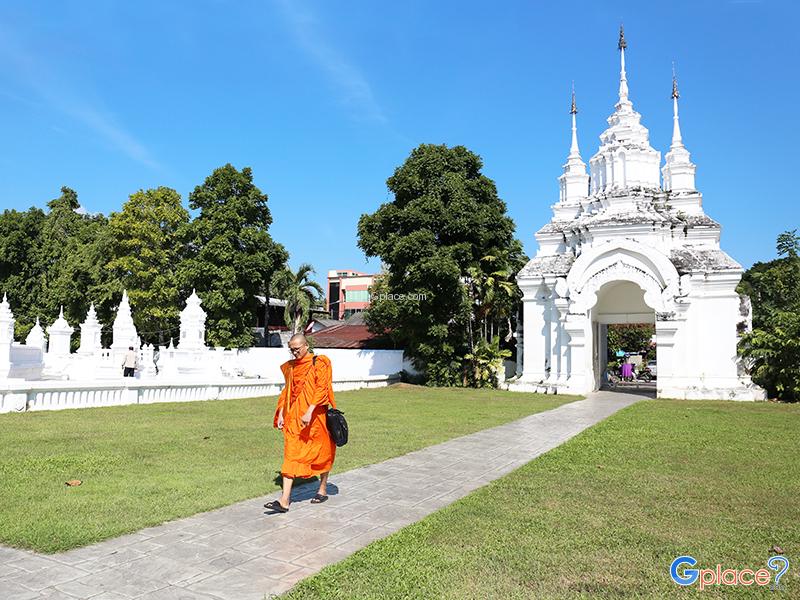


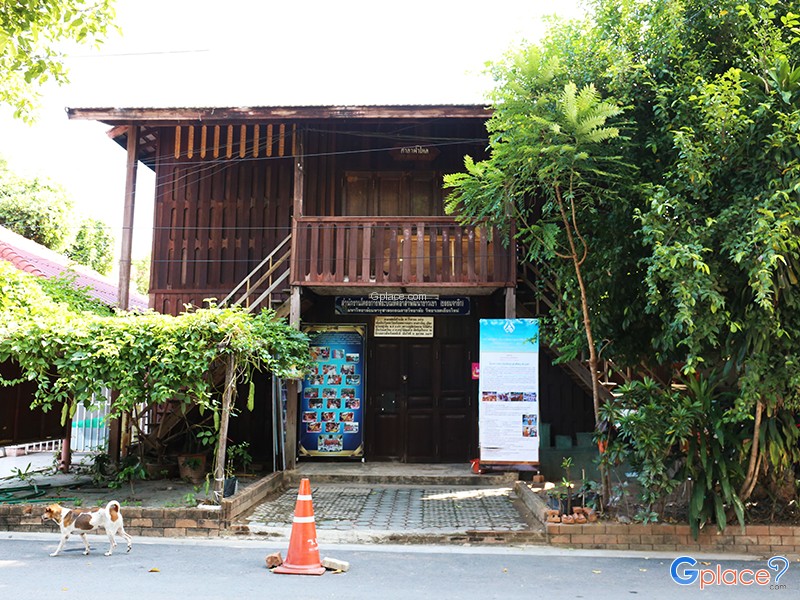
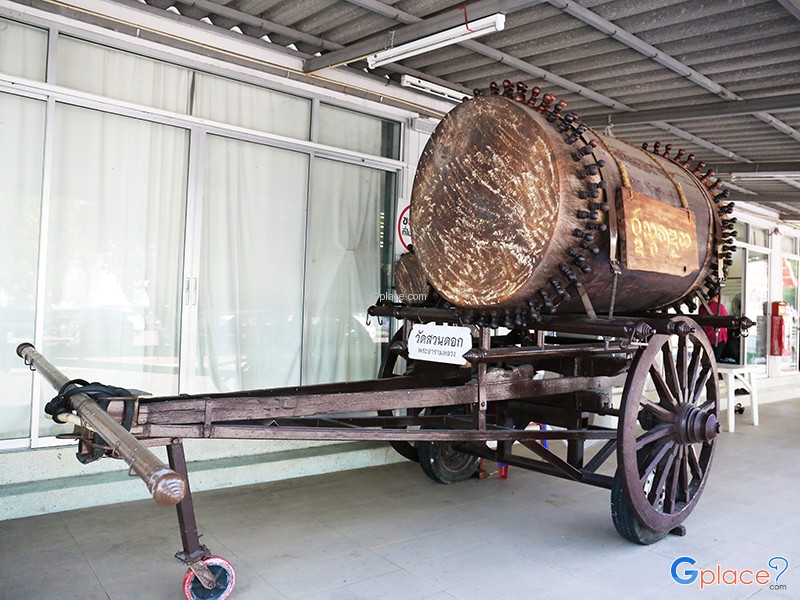
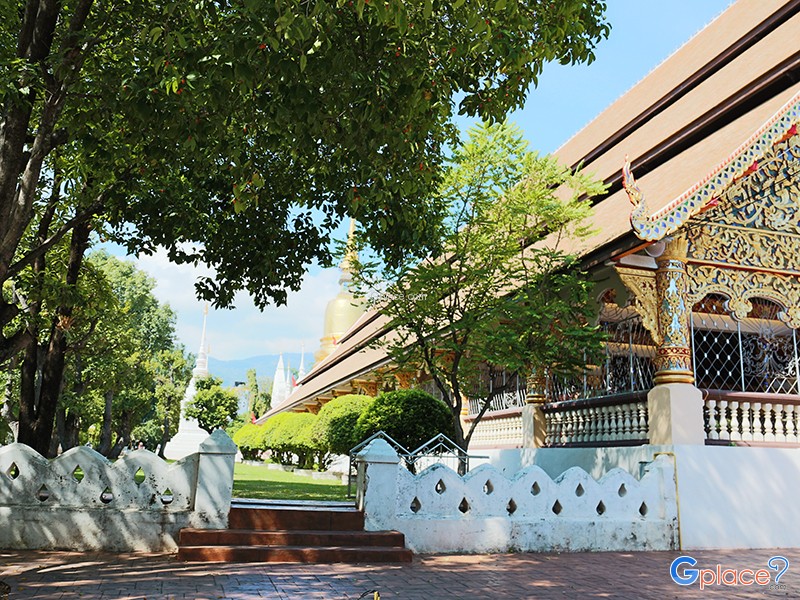
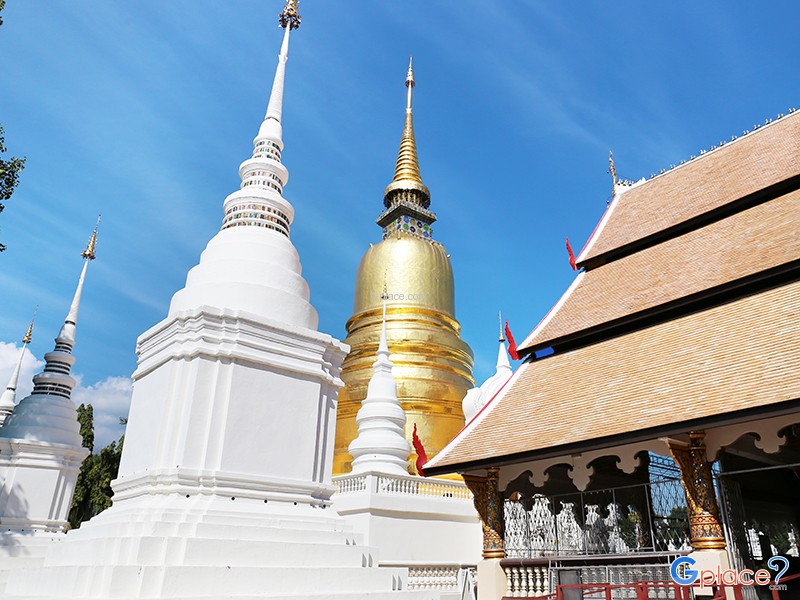
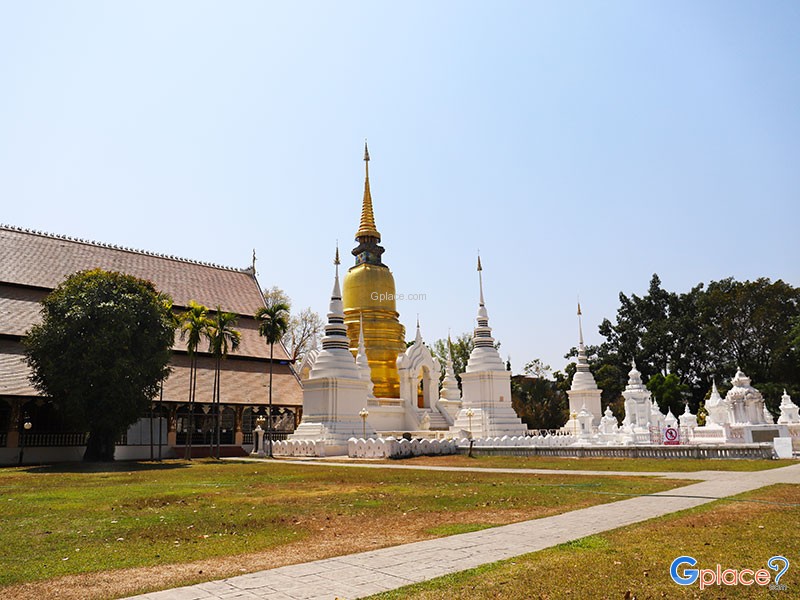
“A stunning temple that preserves Chiang Mai’s history through its forest of white pagodas and a massive royal hall housing sacred Buddha images.”
Suan Dok Temple has a history dating back over 600 years, beginning during the reign of King Kue Na, the 6th ruler of the Mengrai Dynasty. In the past, this area was a vast flower garden filled with Phayom trees (Sweet Shorea), which spread a fragrant scent throughout the region. This is why the area was called the Phayom Flower Garden. Later, in 1371, the King dedicated his private garden to build this temple. It was intended as a residence for high-ranking monks traveling from Sukhothai to spread Buddhism in Chiang Mai, giving the temple its name, which means "The Flower Garden Temple."
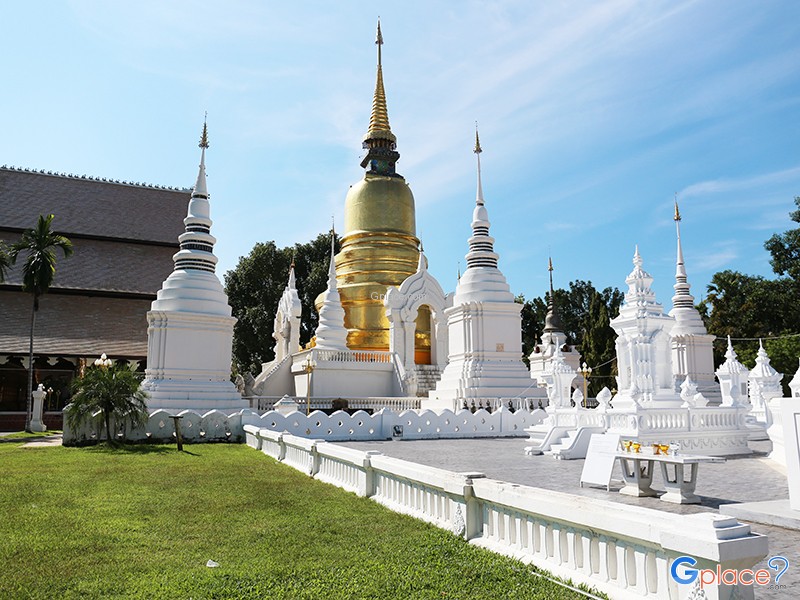
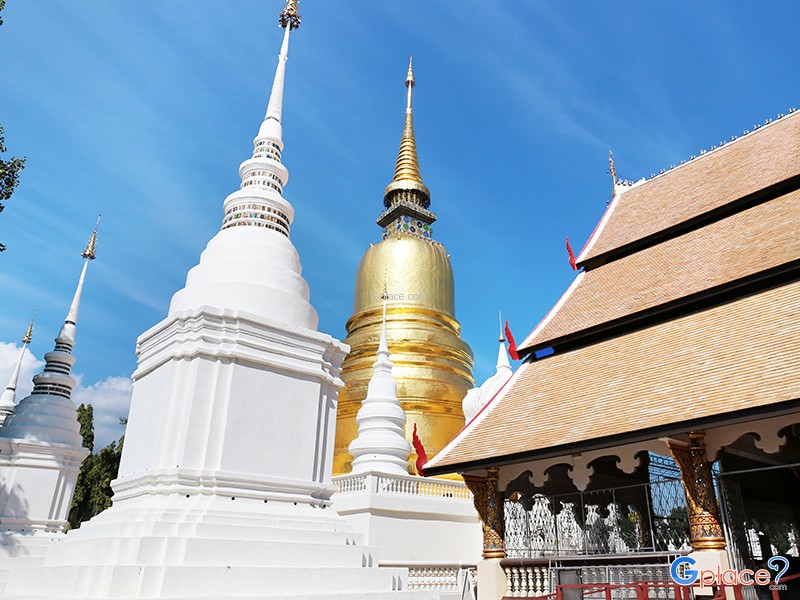
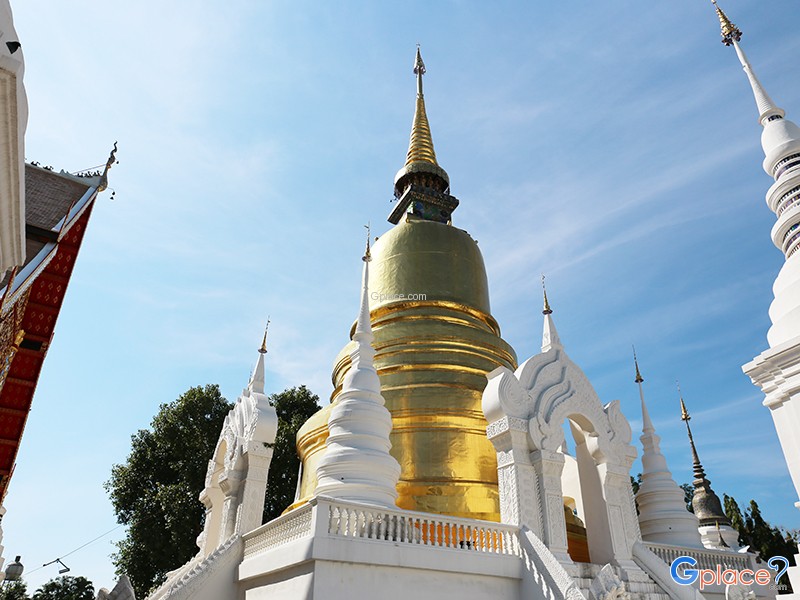
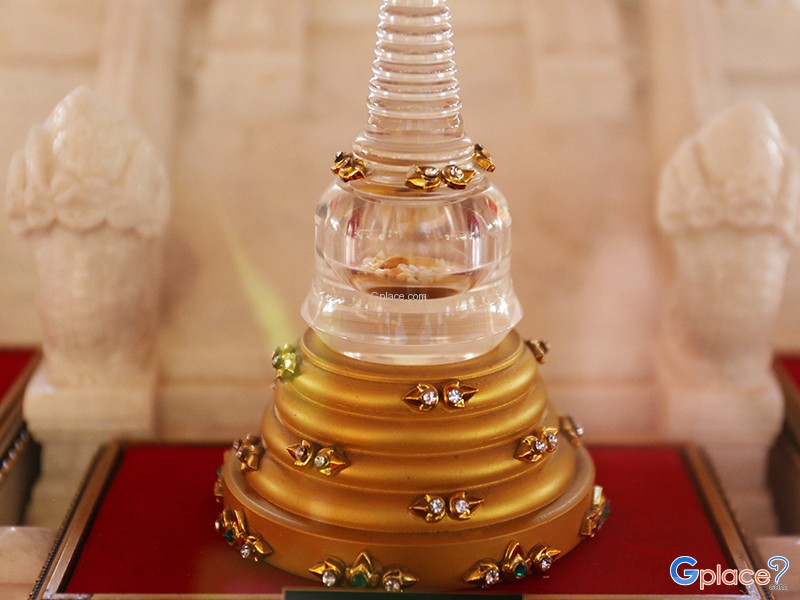
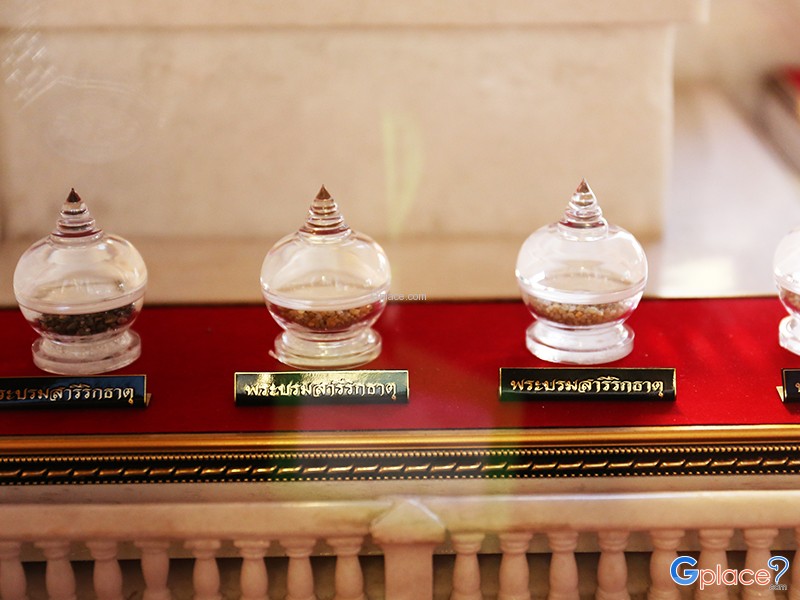
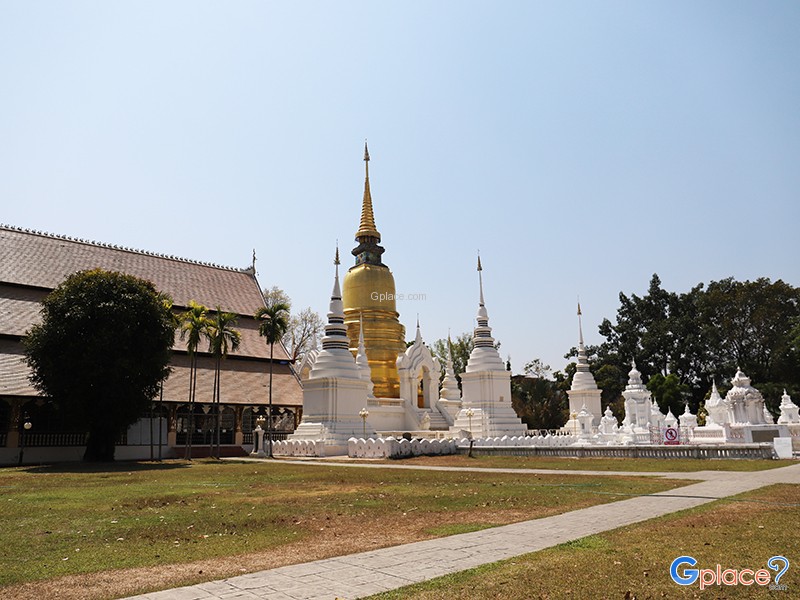
The iconic symbol visible from afar is the massive golden pagoda, built in a blend of Lankan and Pagan architectural styles. This pagoda is highly significant because it enshrines holy relics of the Buddha. According to legend, a relic discovered in Sukhothai miraculously split into two pieces. One piece was enshrined here at Wat Suan Dok, while the other was placed on the back of a white elephant that traveled to the top of Doi Suthep. This makes Wat Suan Dok a "twin" temple to the famous mountain temple, and it has been deeply revered by locals for centuries.
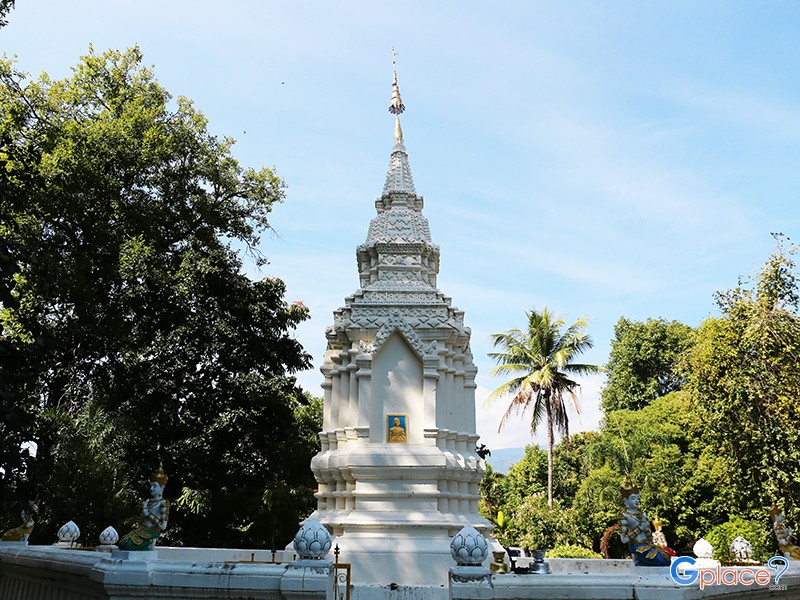
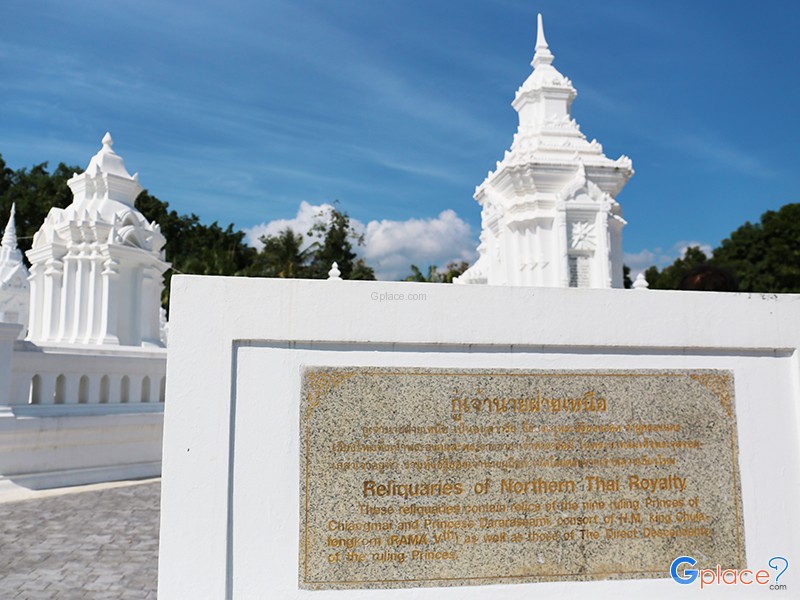
Another rare and beautiful sight is the collection of Ku Chao Nai Faai Nuea (The Tombs of the Northern Royalty) located on the western side of the temple. These numerous small, pure white pagodas are the shrines for the ashes of the kings and descendants of the Royal House of Chiang Mai. Princess Dara Rasmi, a royal consort of King Rama V, initiated the gathering of these remains from various locations to be kept together here. These white shrines, standing calmly against the green trees and the golden main pagoda, serve as a monument of love and gratitude from the people of Chiang Mai toward their ancestors.
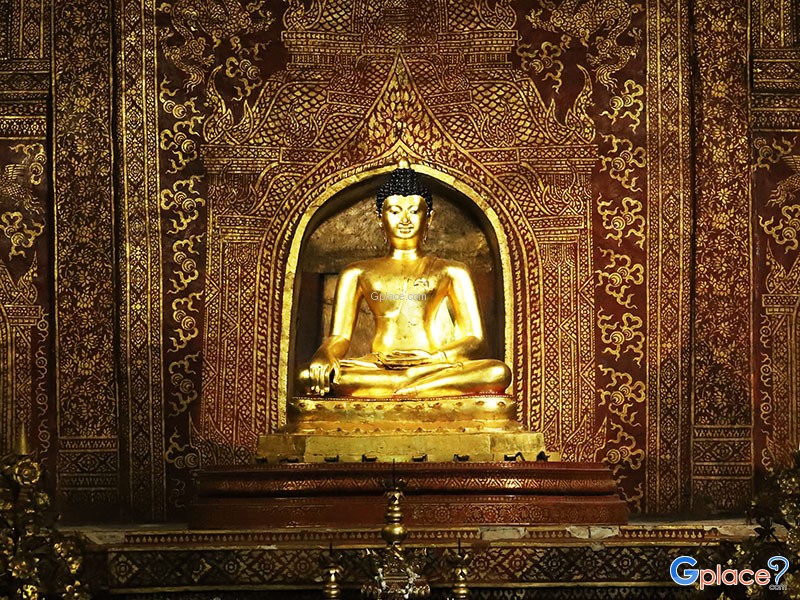
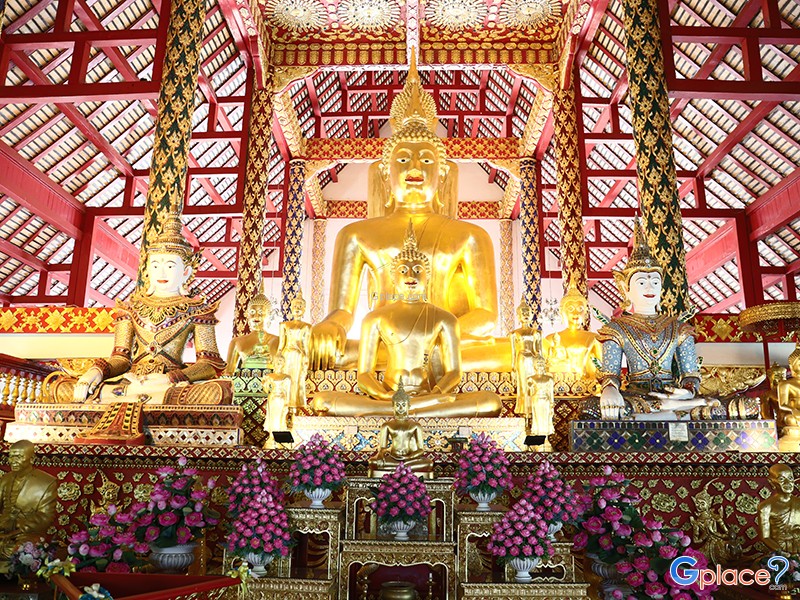
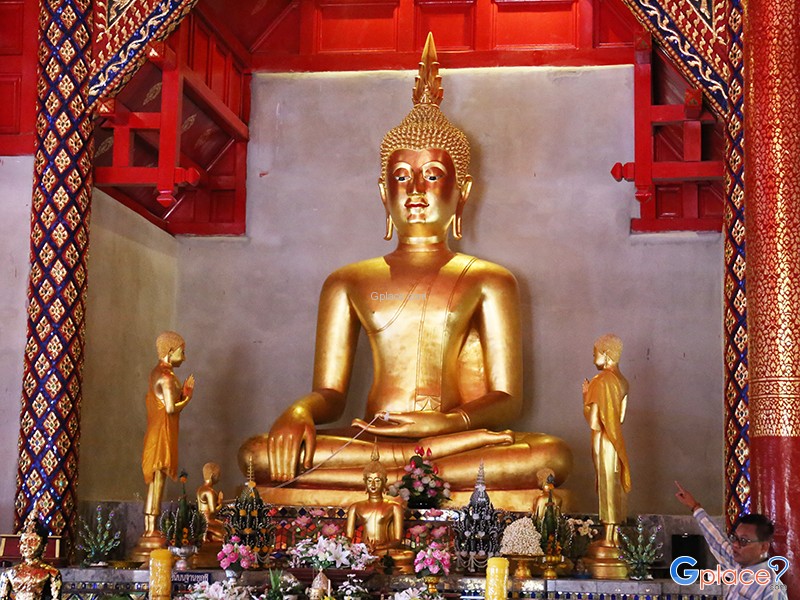
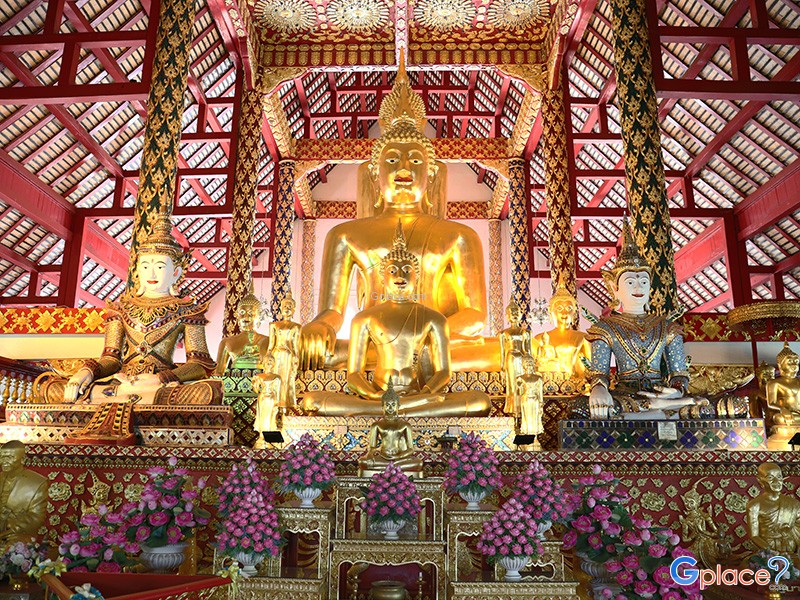
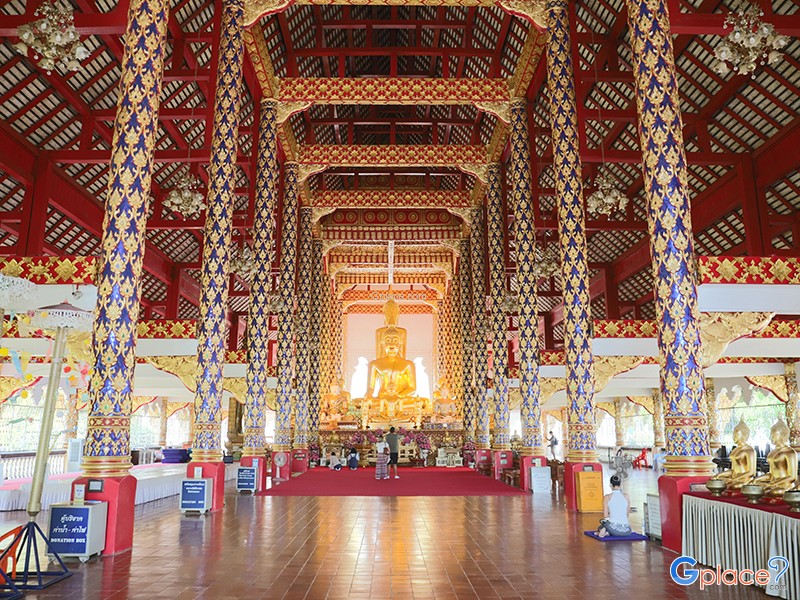
The temple also houses the Phra Vihara Luang (Main Royal Hall), an enormous building that was originally an open-air structure. The interior architecture is grand, beautiful, and peaceful, housing several important Buddha images. The most notable is Phra Chao Kao Tue, a large bronze Buddha statue considered one of the most beautiful pieces of Lanna art. The name "Kao Tue" refers to the massive weight of the bronze used to cast it, reflecting the prosperity of Buddhist art and the deep faith of the people during that era.
Regarding beliefs and faith, many people visit this temple to pray for love and long-lasting relationships. Because the white shrines represent the eternal bond and spirit of the Chiang Mai royal family, it is believed that praying here will make love stable and help one find a good partner. Additionally, people often pray to Phra Chao Kao Tue for wealth, career stability, and success in negotiations, hoping their life will be as "heavy" and solid as the great bronze statue.
The overall atmosphere of Wat Suan Dok is spacious and cooling. During sunset, when the golden light hits the white pagodas and the golden spire, it creates a magical scene that attracts photographers from all over the world. Wat Suan Dok is not just a place for religious ceremonies; it is a spiritual refuge and a living page of history that passes down faith from generation to generation.
We invite you to walk through this garden of faith, pray for blessings, and experience the peace that still carries the scent of the past at Suan Dok Temple.
How to Get There
Private Car/Taxi:
- From Chiang Mai city center, take Suthep Road heading toward Chiang Mai University; the temple will be on the left side.
Public Transport:
- Take the red songthaew (shared taxi) in Chiang Mai city and request to go to “Wat Suan Dok.”
Parking:
- Parking is available within the temple grounds for visitors.
Travel Tips
-
Best Time to Visit: 16:30 – 18:00 is the best time for photography as the evening sun makes the white pagodas glow.
-
Dress Code: This is a sacred site and a royal cemetery. Please wear modest clothing (shoulders and knees covered).
-
Photography: Taking photos is allowed, but please be respectful and do not climb on the white shrines.
-
Special Activity: The temple offers a "Monk Chat" program where foreigners can talk with monks in English to learn about Thai culture and Buddhism.
-
Planning: Located near the Nimman area, you can easily combine this visit with a trip to nearby cafes or local restaurants.
Admission Fee:
-
Local visitors: Free
-
Foreign visitors: 20 - 40 THB for the main hall and museum area.
Opening Hours:
-
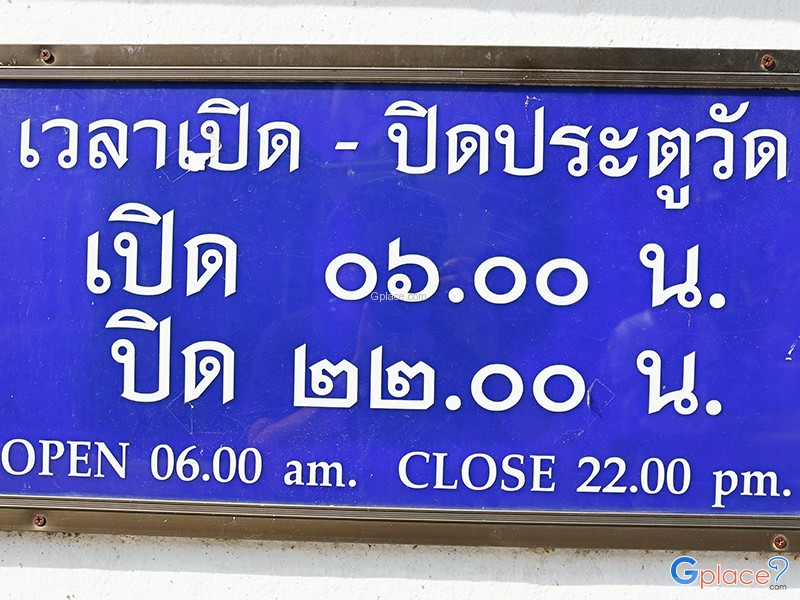
General daily hours: 06:00 – 18:00
Suan Dok Temple

 Share
Share
 Suthep Road, Suthep Subdrict, Mueang District, Chiang Mai 50200
Map
Suthep Road, Suthep Subdrict, Mueang District, Chiang Mai 50200
Map
 Open now : 6.00 - 18.00
Mon6.00 - 18.00
Tue6.00 - 18.00
Wed6.00 - 18.00
Thu6.00 - 18.00
Fri6.00 - 18.00
Sat6.00 - 18.00
Sun6.00 - 18.00

 https://www.thai-tour.com/thai-tour/north/chiangmai/data/pic_wat-suandok.htm

 48127
48127