 Attractions
  Hotel
Hotel  Restaurant
  Shopping
  Abroad






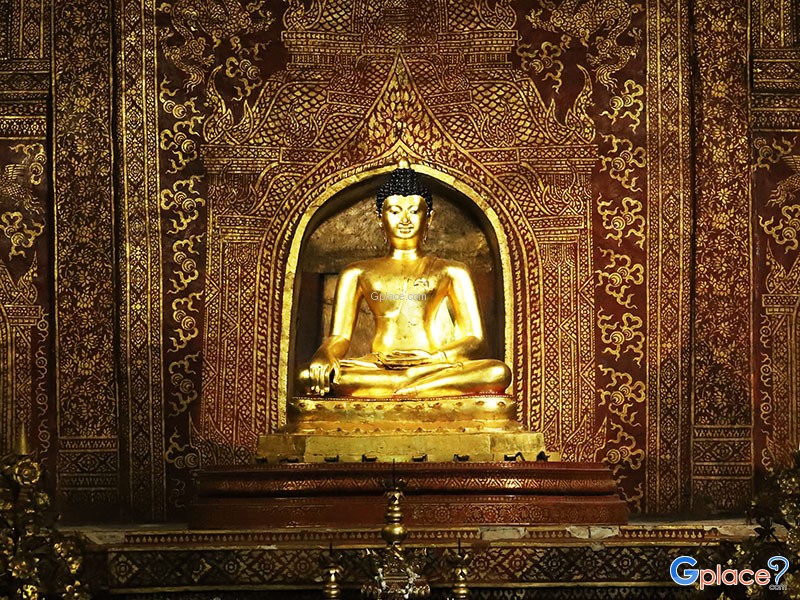
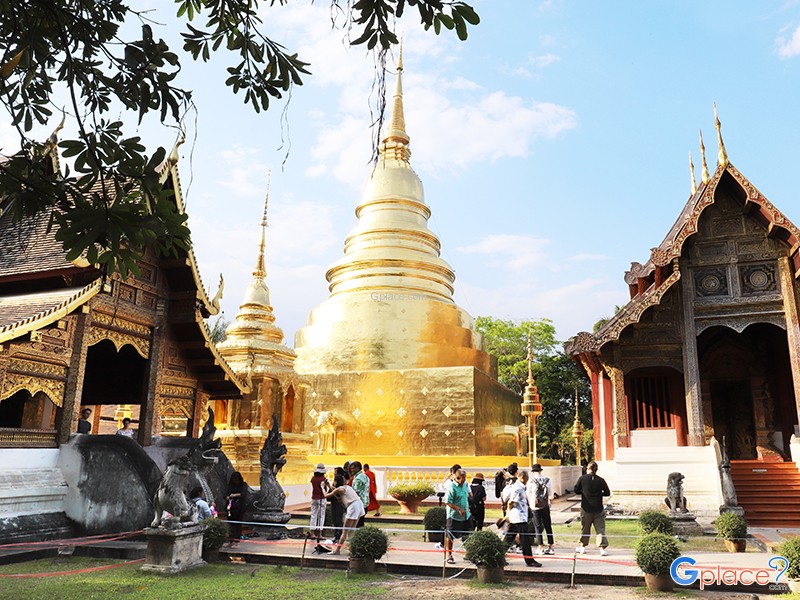
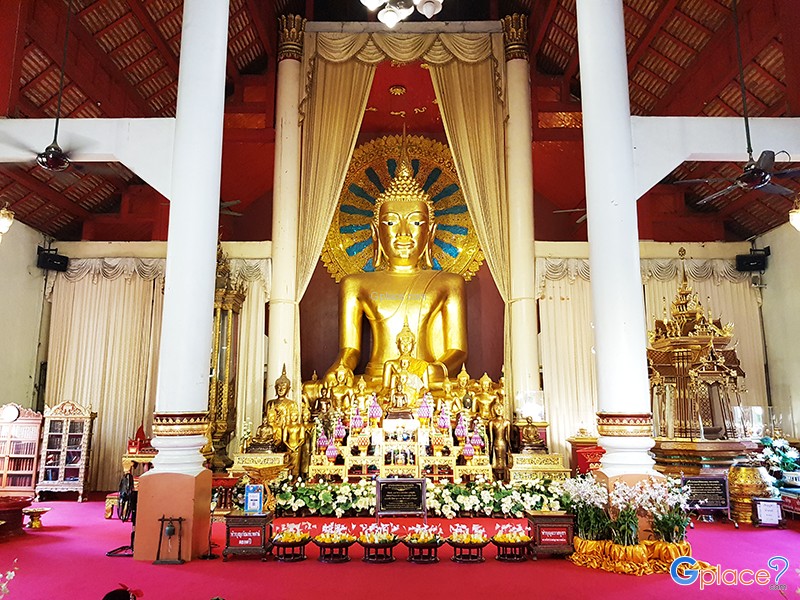
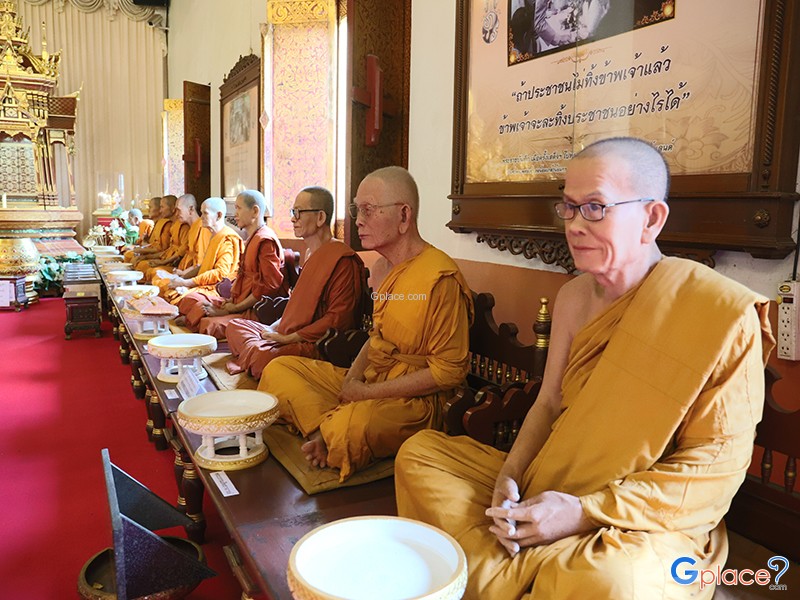

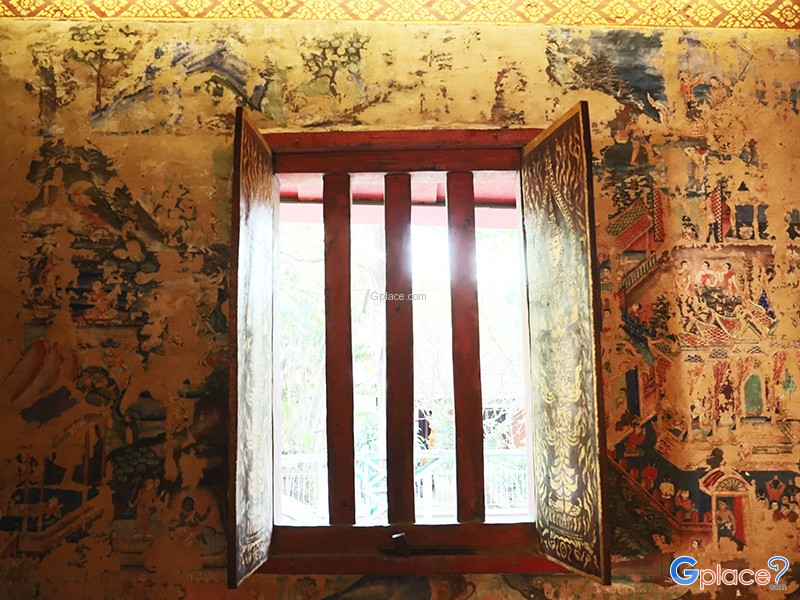
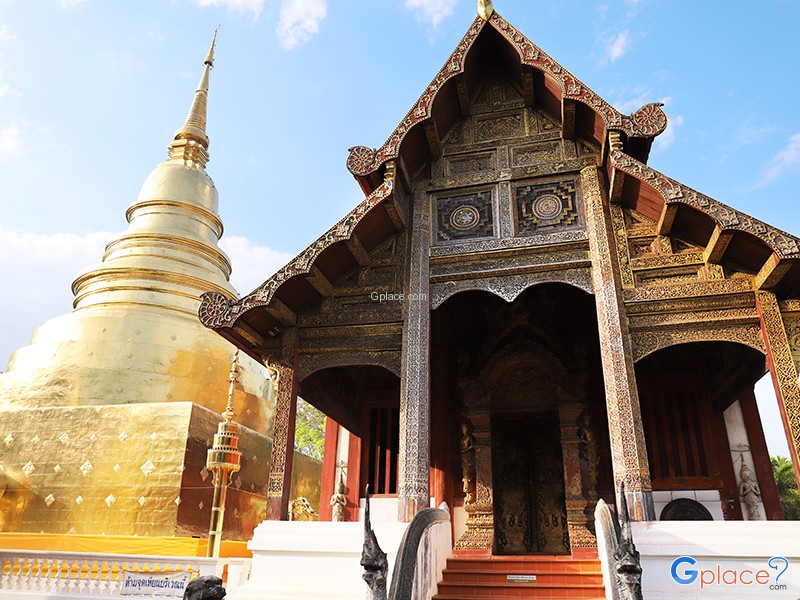
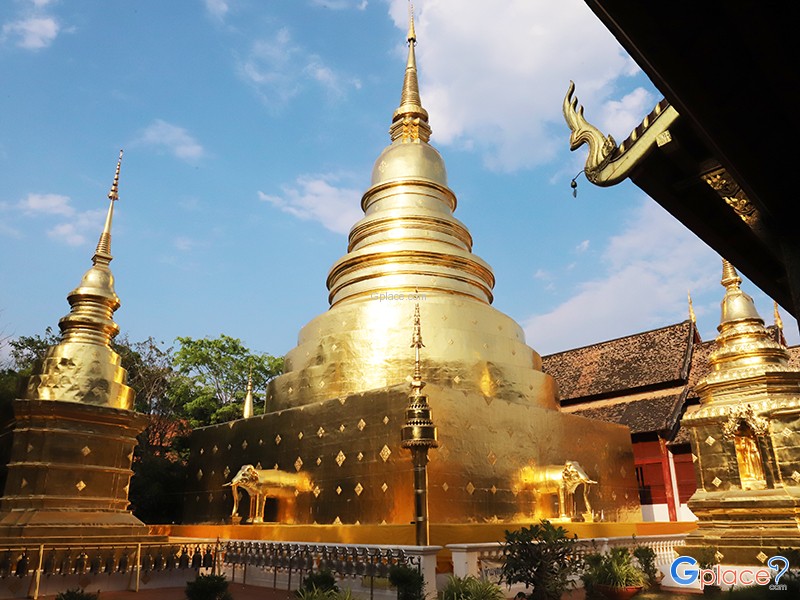
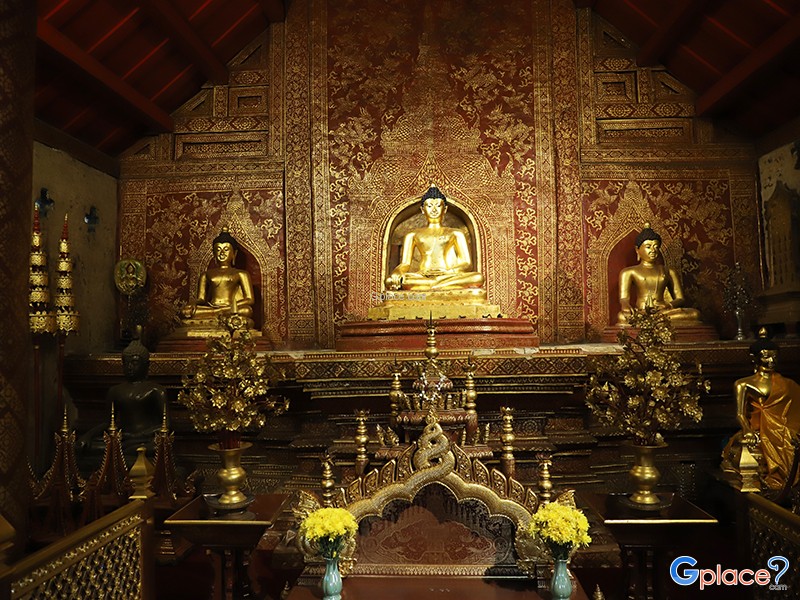
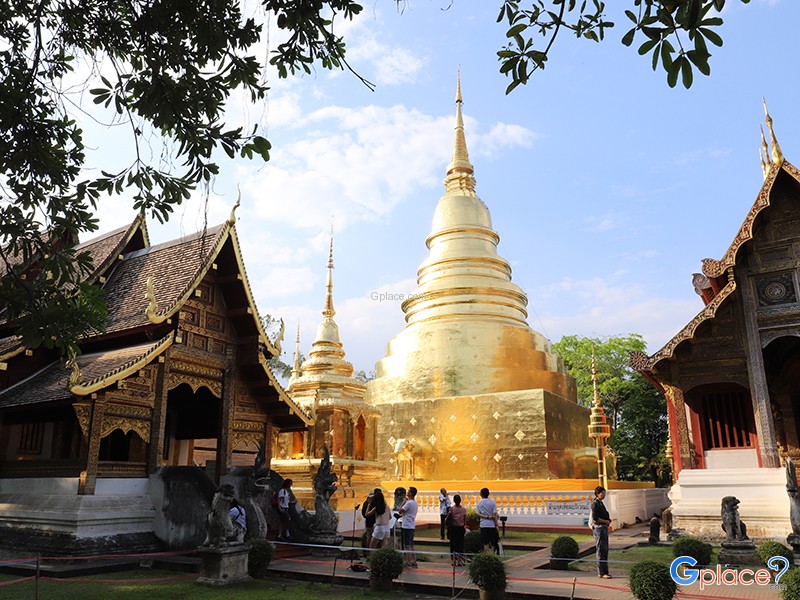
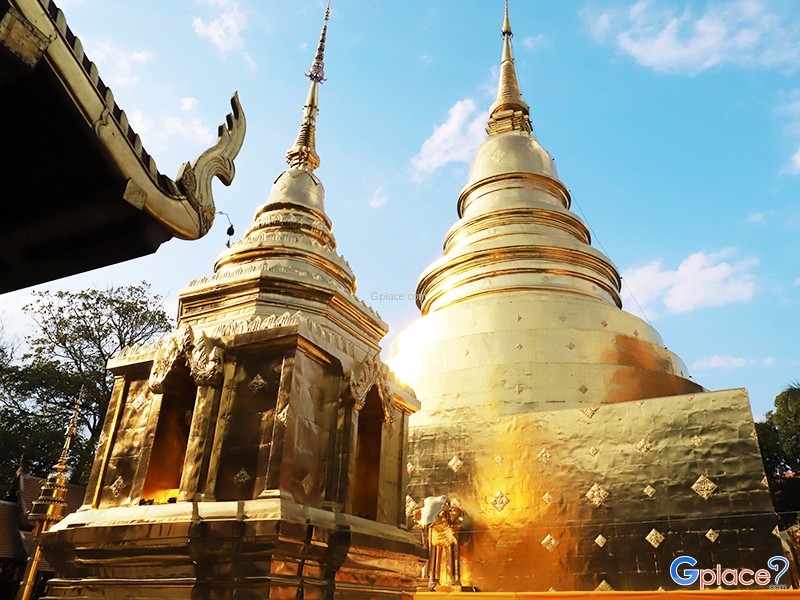
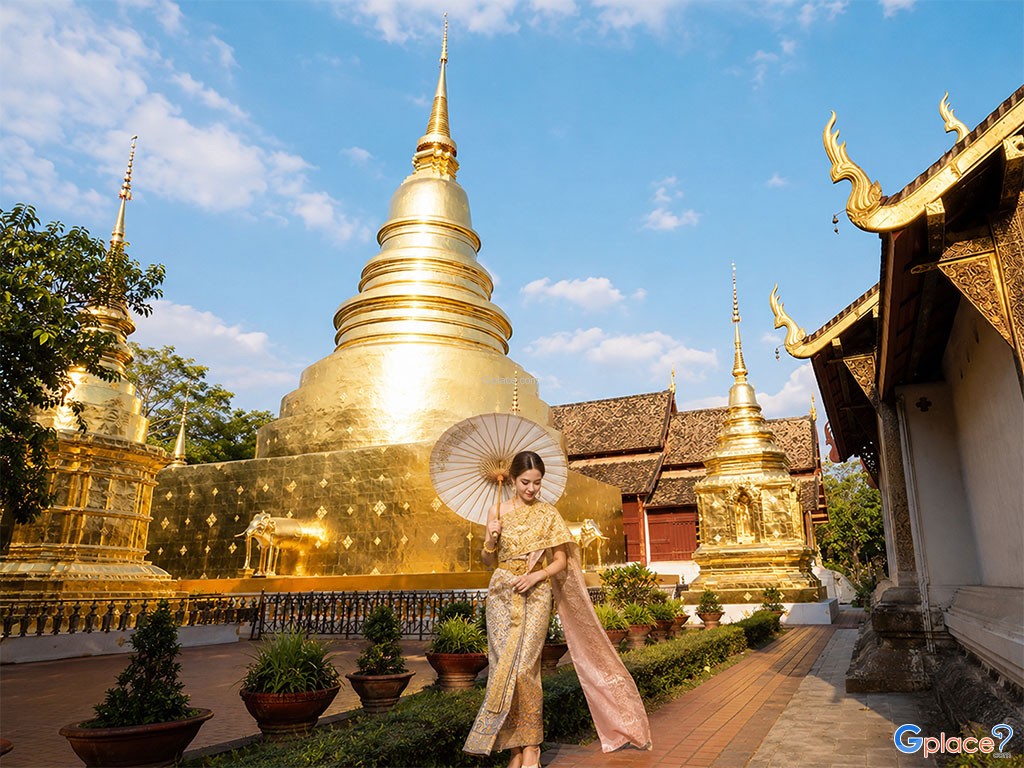
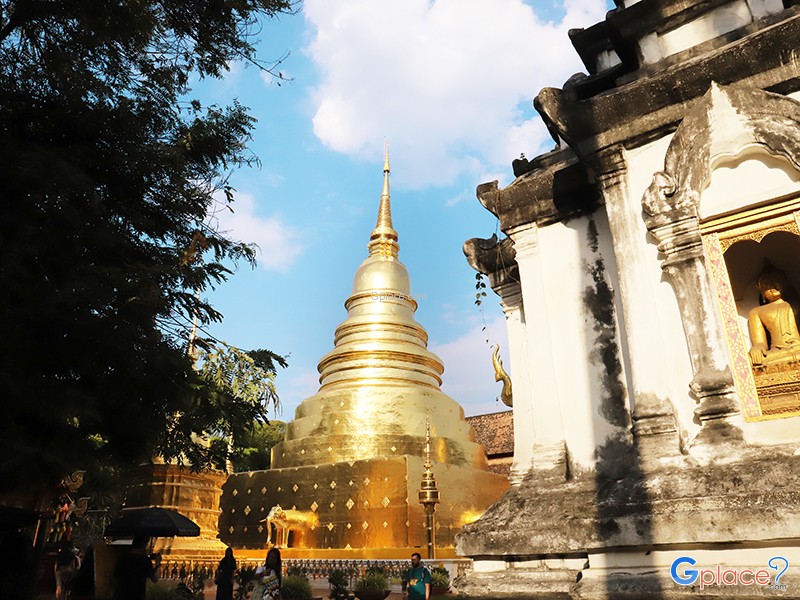
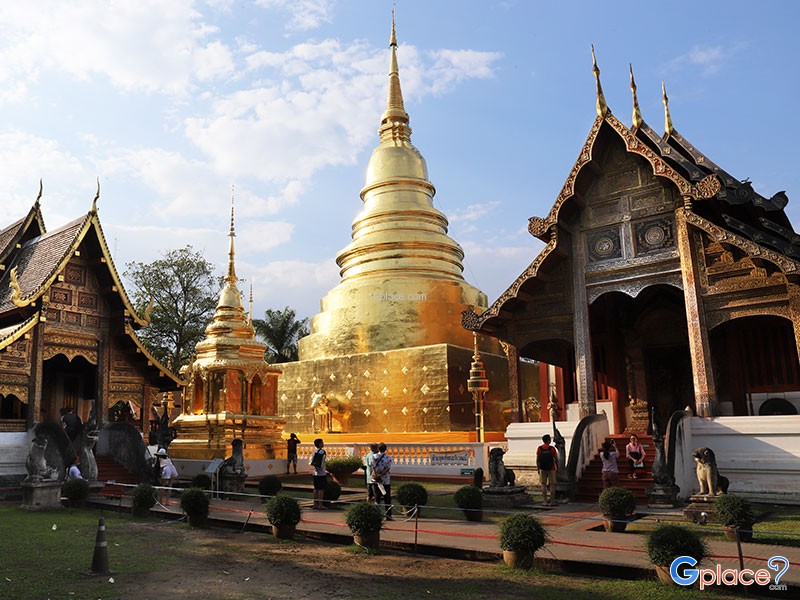
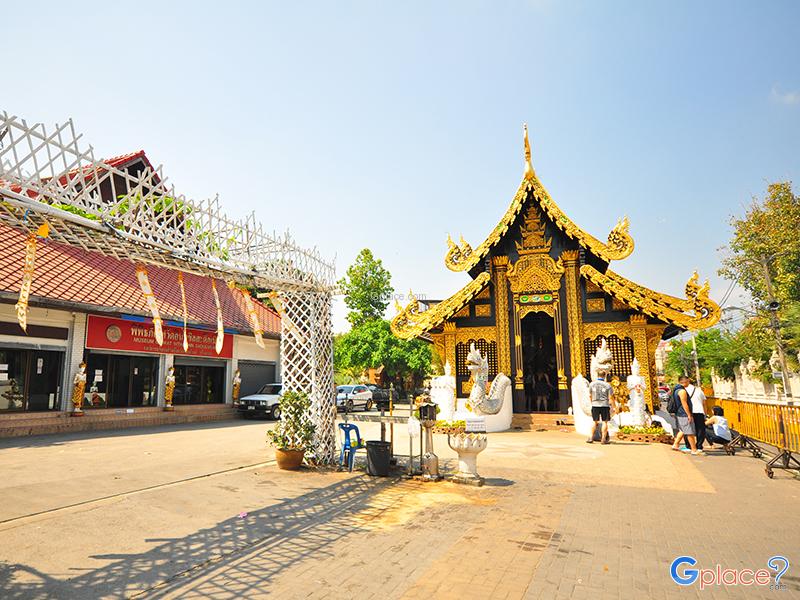
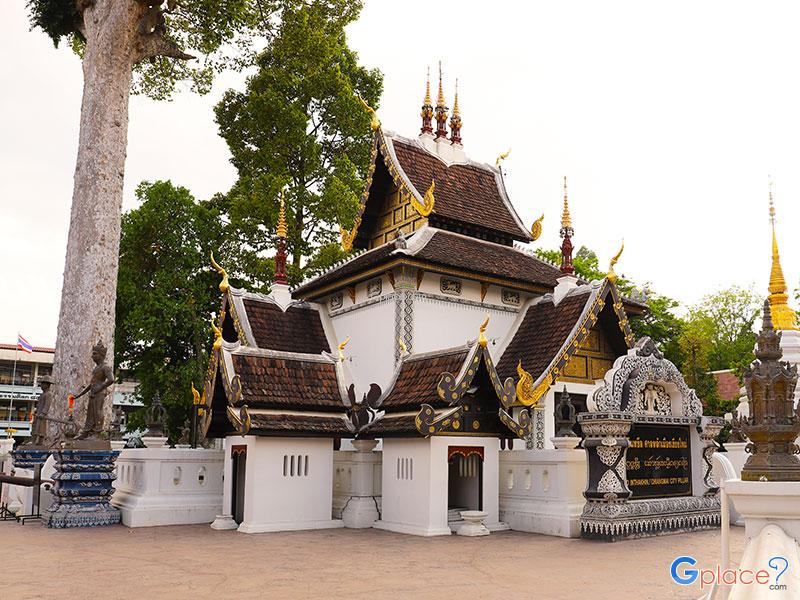
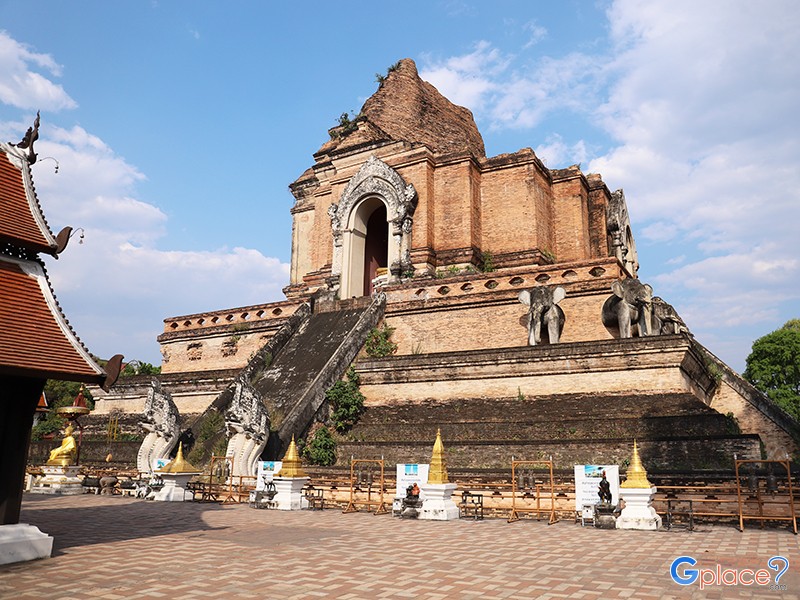
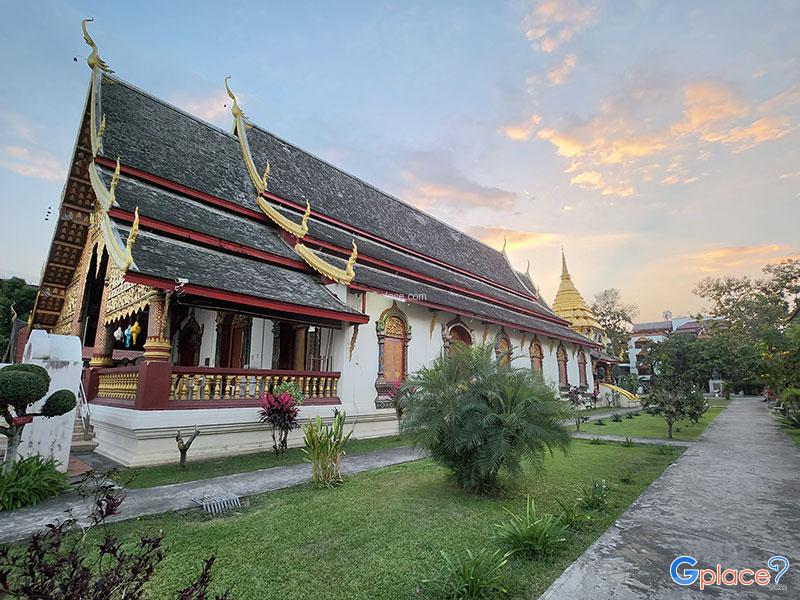
“Lanna-style Viharn Lai Kham, the sacred Phra Buddha Sihing, Dragon zodiac chedi, and beautiful ancient wooden scripture hall.”
Wat Phra Singh Woramahawihan (Wat Phra Singh Woramahawihan) was established in 1345 CE (B.E. 1888) by King Phayu to enshrine the ashes of his father, King Kham Fu. The temple was originally named “Wat Lee Chiang Phra”, with “Lee” meaning marketplace.
Later, King Saen Muang Ma invited the sacred Phra Buddha Sihing image to be enshrined here, leading to the temple being renamed Wat Phra Singh. It soon became one of the most important temples in Chiang Mai.
During the Lanna period, Wat Phra Singh served as a royal temple with significant religious, political, and ceremonial roles within the Lanna Kingdom. It became the spiritual center for the enshrinement of Phra Buddha Sihing, a revered Buddha image believed to have originated from Sri Lanka and passed through several Southeast Asian kingdoms before arriving in Lanna.
Because of this sacred connection, the temple gained status as one of the highest spiritual centers of the kingdom in ancient times.
Wat Phra Singh During the Burmese Influence
During the period when Lanna was under Burmese influence (approximately the 16th–18th centuries), Wat Phra Singh remained an important religious center despite political changes.
The sacred Phra Buddha Sihing continued to be carefully preserved and worshipped, becoming a symbol of spiritual stability and faith for the people of that era.
The temple also helped maintain the continuity of Lanna Buddhist traditions throughout times of transition.
Restoration During the Siamese Period
Later, when Chiang Mai became part of Siam during the early Rattanakosin era, Wat Phra Singh underwent major restoration projects, especially during the reign of King Kawilorot Suriyawong.
Many structures, including viharns, chedis, and artistic elements, were restored to their former glory while preserving the unique beauty of traditional Lanna art and architecture.
These restorations played an important role in safeguarding northern cultural heritage for future generations.
Valuable Architecture and Artistic Heritage
The temple complex is filled with ancient monuments and magnificent Lanna architecture reflecting artistic developments from the Lanna, Burmese, and Siamese periods.
Among the most remarkable structures are the Viharn Luang, Viharn Lai Kham, and the principal chedi. The main golden chedi, known as Phra That Luang, remains an important spiritual landmark for Chiang Mai residents and is regarded as the pagoda of the Year of the Dragon.
Inside Viharn Lai Kham, visitors can admire exquisite mural paintings depicting the stories of Sang Thong and Suwan Hong, considered masterpieces of northern Thai art and among the finest surviving Lanna murals.
The Ancient Wooden Scripture Hall
Another architectural treasure is the beautifully crafted Hor Trai (scripture hall) built in traditional Lanna wooden style.
The structure reflects the wisdom and craftsmanship of local artisans who skillfully combined Buddhist beliefs with artistic elegance. Its detailed wood carvings and architectural design showcase the refinement of classic northern Thai craftsmanship.
A Living Chronicle of Lanna History
Wat Phra Singh is not only a sacred religious site but also a living chronicle of Lanna history, reflecting the transformation of the region through the Lanna Kingdom, Burmese rule, and the Siamese era.
Today, the temple remains one of northern Thailand’s most important centers of faith, history, and cultural learning.
How to Get There
- The temple is located in the heart of Chiang Mai Old City at the end of Ratchadamnoen Road. From Tha Phae Gate, simply walk straight along the road until reaching the temple. Visitors can conveniently travel by tuk-tuk, red songthaew, or on foot for those staying within the old city area.
Travel Tips
- Visit in the afternoon to see sunlight beautifully illuminating Viharn Lai Kham
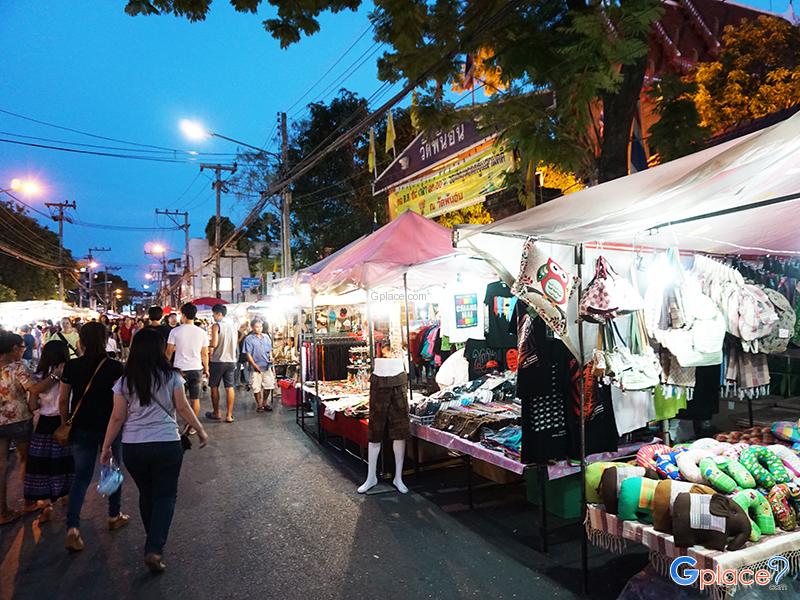
- On Sunday evenings, the area in front of the temple becomes the starting point of Tha Phae Walking Street
- Dress respectfully as this is a royal monastery
- Allow extra time to admire the intricate Lanna artwork and architecture
- During Songkran Festival, the temple hosts beautiful ceremonies for bathing Phra Buddha Sihing
Admission Fee:
- Thai Visitors: Free
- Foreign Visitors: 50 THB (for viharn entry)
Opening Hours:
- Open daily from 09:00 AM – 06:00 PM
Wat Phra Singh Woramahawihan

 Share
Share
 Sam Lan Road, Phra Singh, Mueang Chiang Mai, Chiang Mai 50200
Map
Sam Lan Road, Phra Singh, Mueang Chiang Mai, Chiang Mai 50200
Map
 Closed today
Mon9.00 - 18.00
Tue9.00 - 18.00
Wed9.00 - 18.00
Thu9.00 - 18.00
Fri9.00 - 18.00
Sat9.00 - 18.00
Sun9.00 - 18.00

 https://www.thai-tour.com/place/chiangmai/mueangchiangmai/1067

 7217
7217
Recommend trips
- 10 Thai Costume Spots to Go Back in Time
- 20 Must-Visit Places in Chiang Mai
- Sacred Buddha Images
- The Legend of Phra Phuttha Sihing
- เชียงใหม่ เส้นทางวัฒนธรรม ไหว้พระ ขอพรปีใหม่
- ที่เที่ยวเชียงใหม่ ต้องเช็คอินให้ได้
- สวดรัตนสูตร ทุกทิศทั่วไทย 11 พค 64
- 10 สุดยอดวัดในตัวเมืองเชียงใหม่
- พระพุทธรูปคู่บ้านคู่เมืองเชียงใหม่
- รวมวัดทั่วเชียงใหม่