 Attractions
  Hotel
Hotel  Restaurant
  Shopping
  Abroad






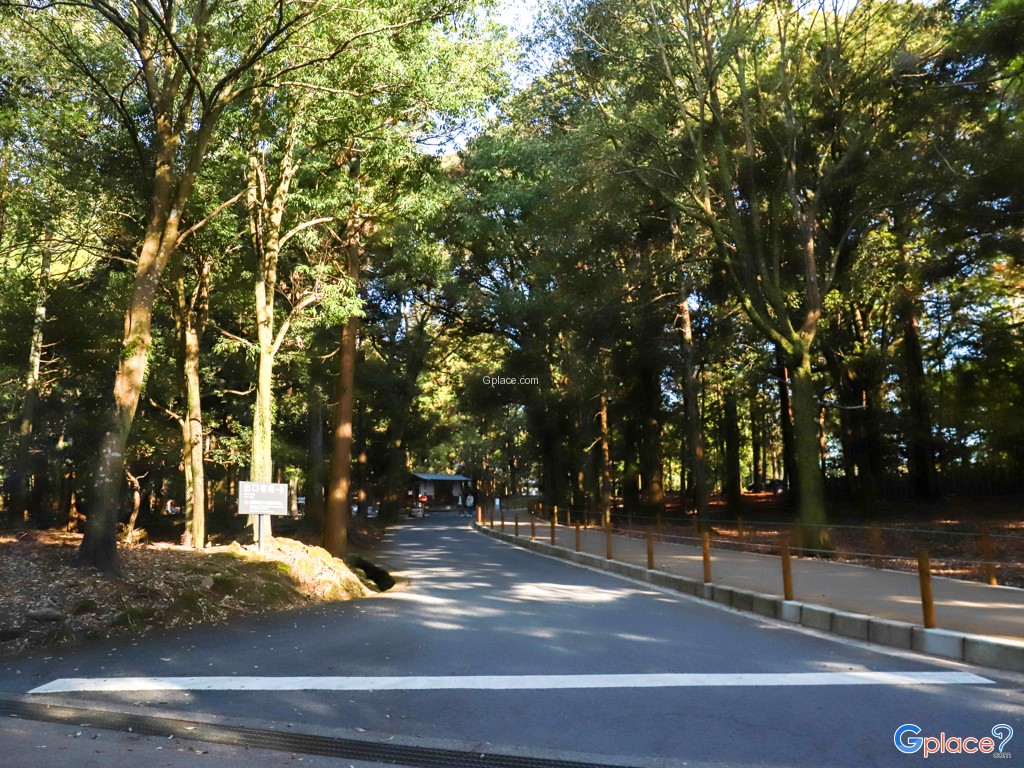
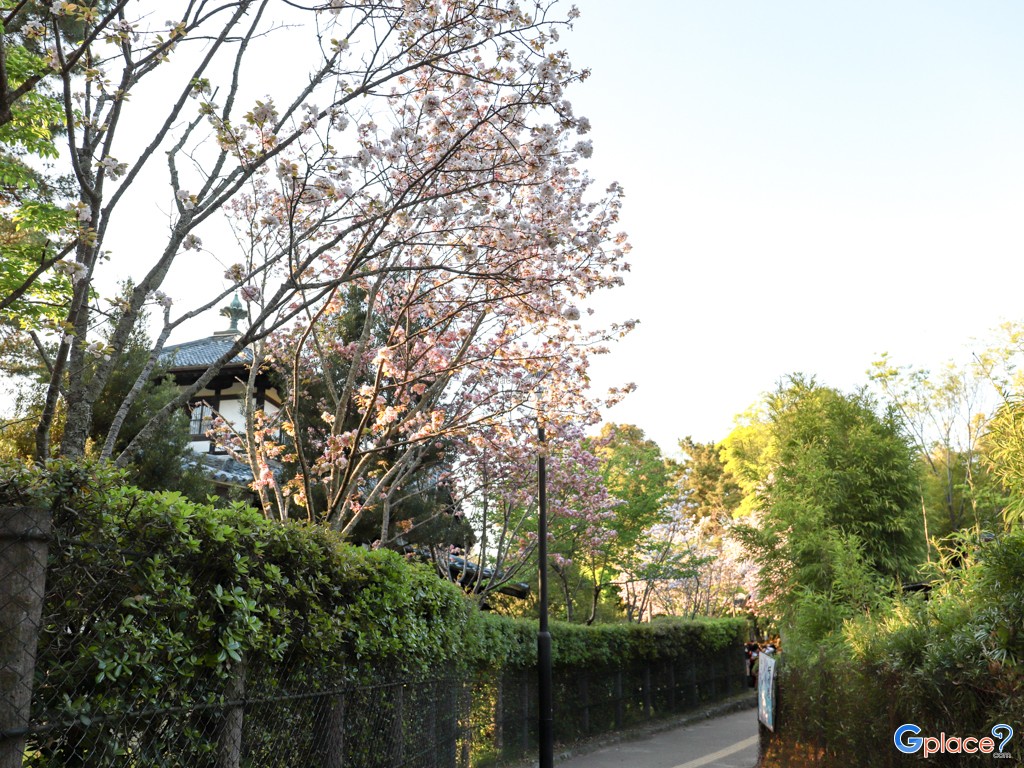
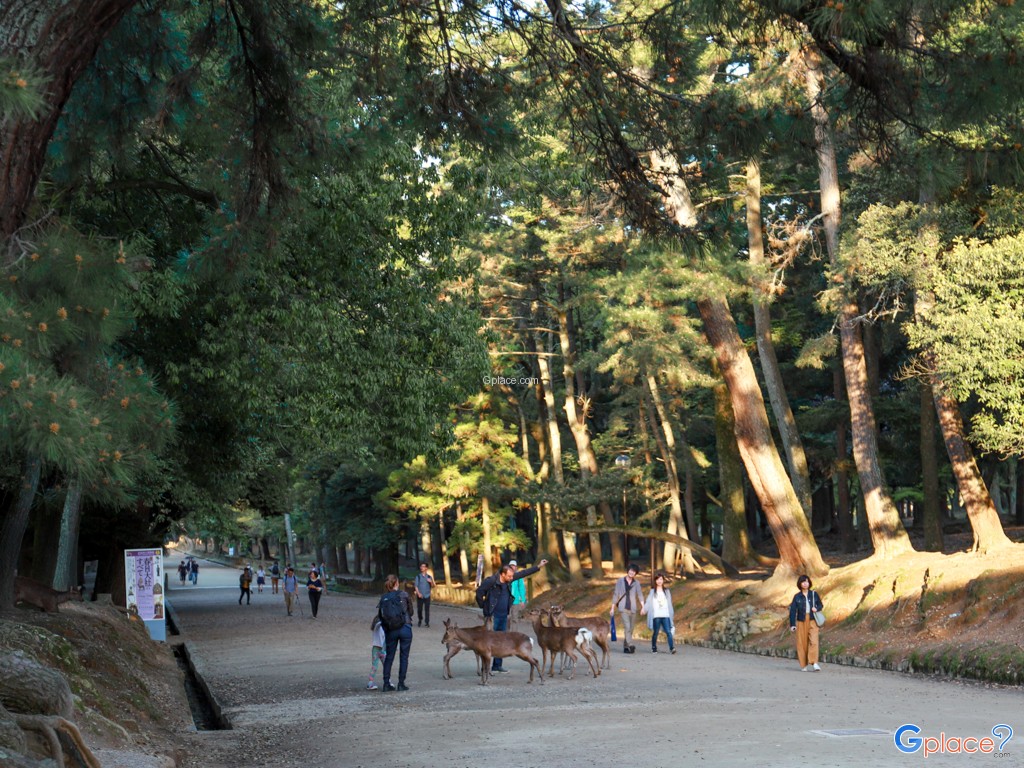
“A vast historic park where sacred deer roam freely among ancient temples, seasonal festivals, and Japan’s most important cultural landmarks.”
Nara Park was established in 1880 and covering more than 500 hectares at the foot of Mount Wakakusa. This place preserves the spiritual and cultural heart of Japan’s first permanent capital. The park’s landscape has remained closely connected to imperial history, Buddhist devotion, and Shinto belief for over thirteen centuries.
Sacred Sika Deer
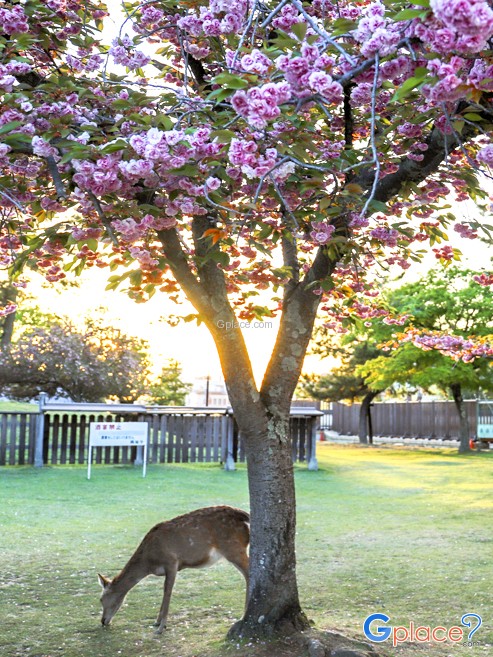
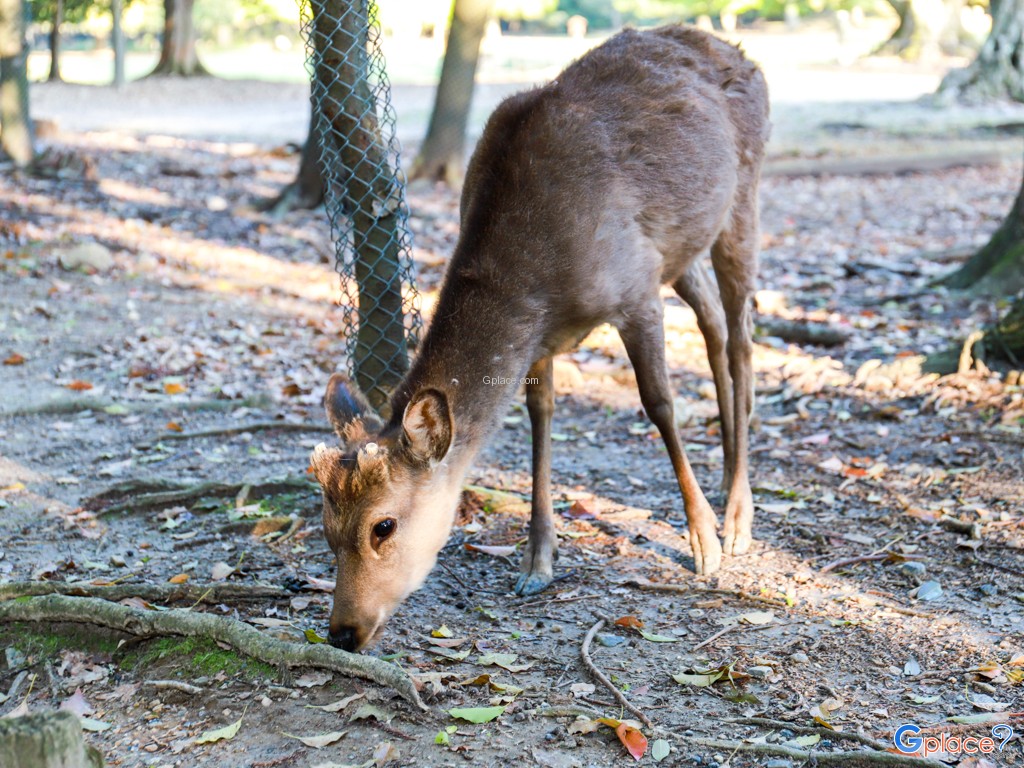
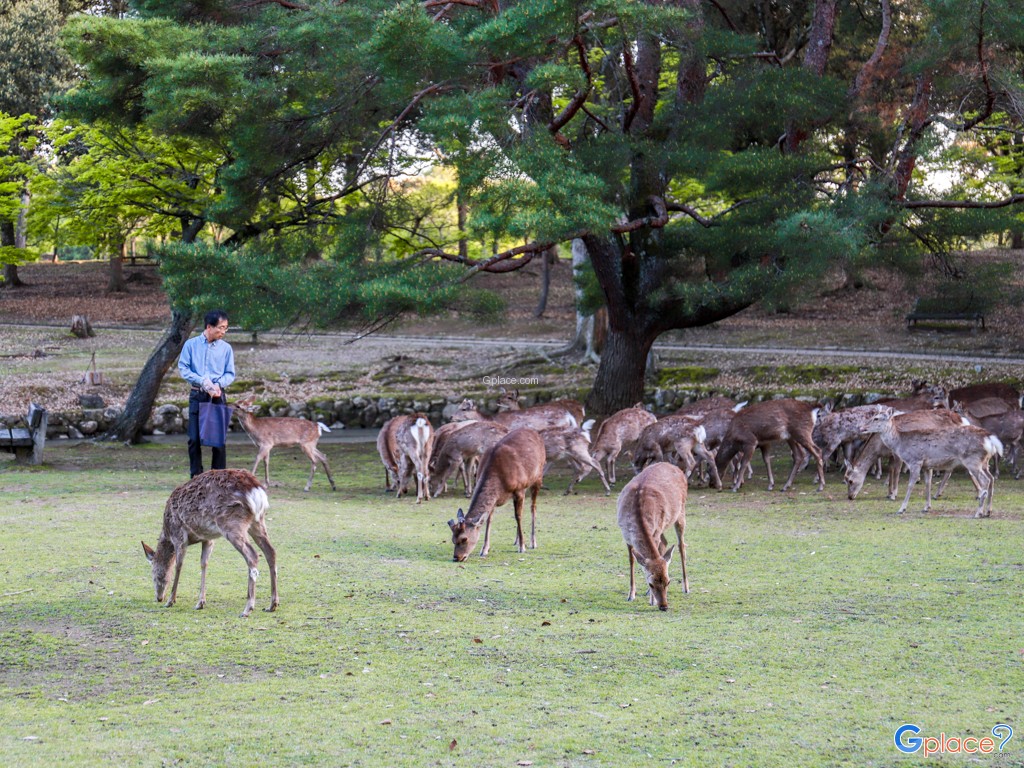
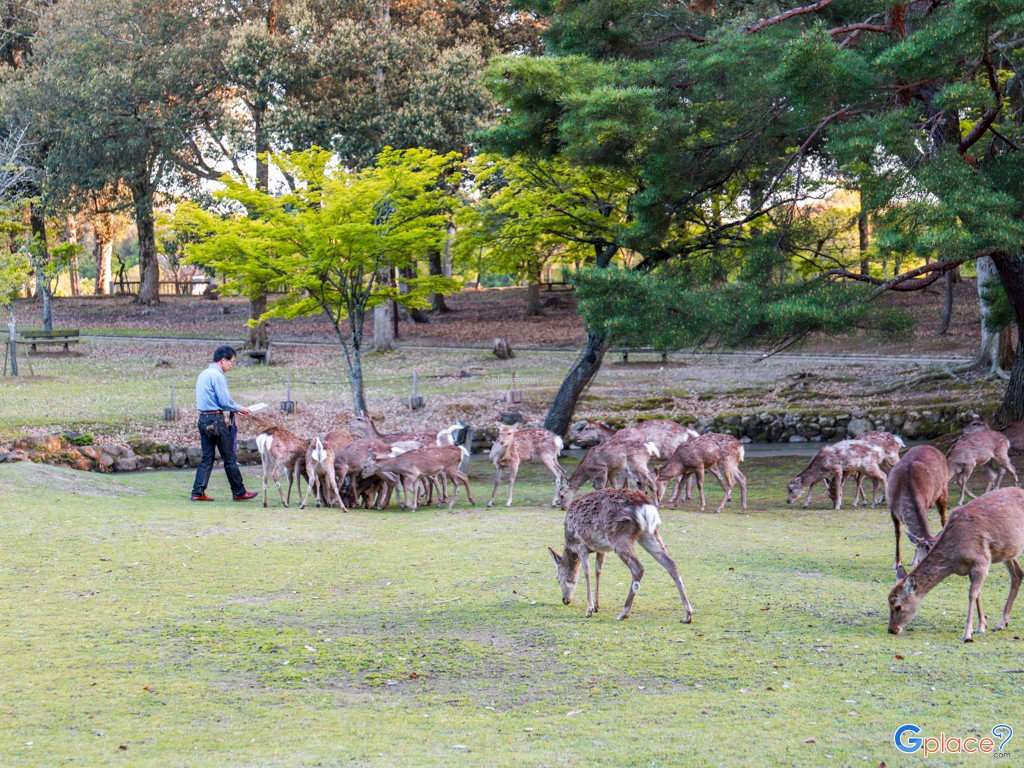
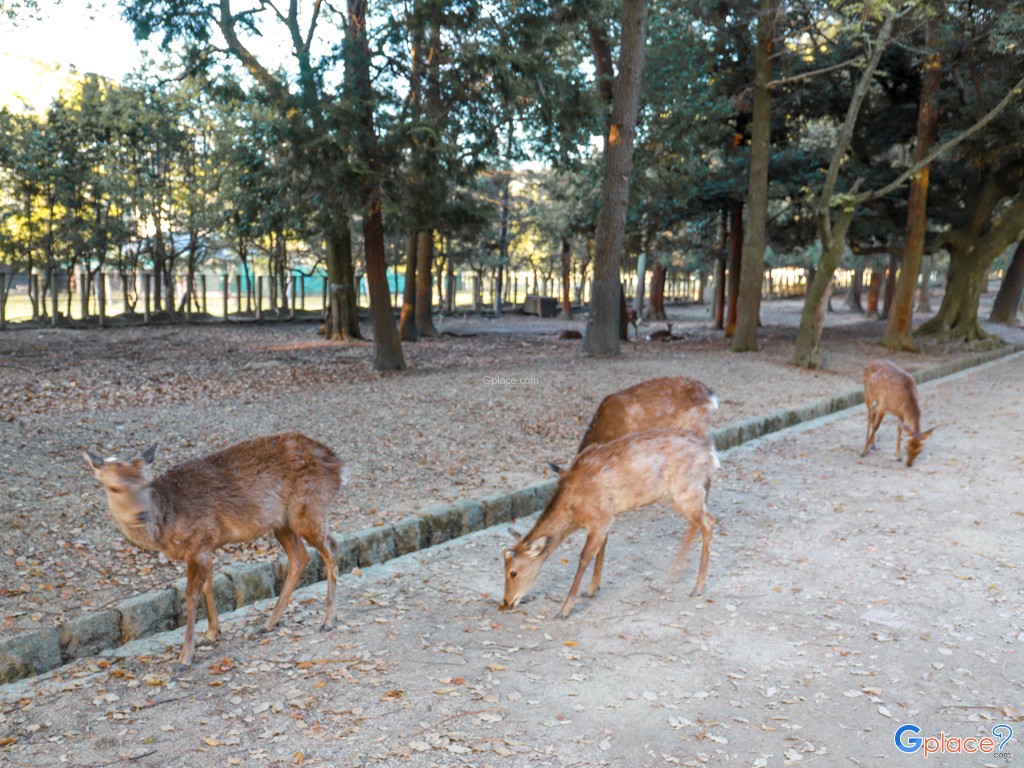
Nara Park is home to over 1,300 wild Sika deer, designated as a Natural Monument of Japan. In Shinto belief, these deer are regarded as messengers of the gods, particularly those enshrined at Kasuga Taisha.
The deer are famous for their apparent “bowing” behavior, but this action is often a sign of impatience rather than politeness. Visitors are advised to feed them promptly if offering crackers and to avoid teasing them with food, as deer may nip or headbutt. When out of food, clearly showing empty palms at eye level is the recognized signal to disengage.
Safety & Environmental Note:
Never leave trash or plastic bags unattended. Deer often mistake plastic for food, and ingestion can be fatal. Always dispose of waste properly.
UNESCO World Heritage Sites
Nara Park contains several major components of the Historic Monuments of Ancient Nara:
-
Todai-ji Temple – Home to the colossal Great Buddha (Daibutsu), housed inside the world’s largest wooden building.
-
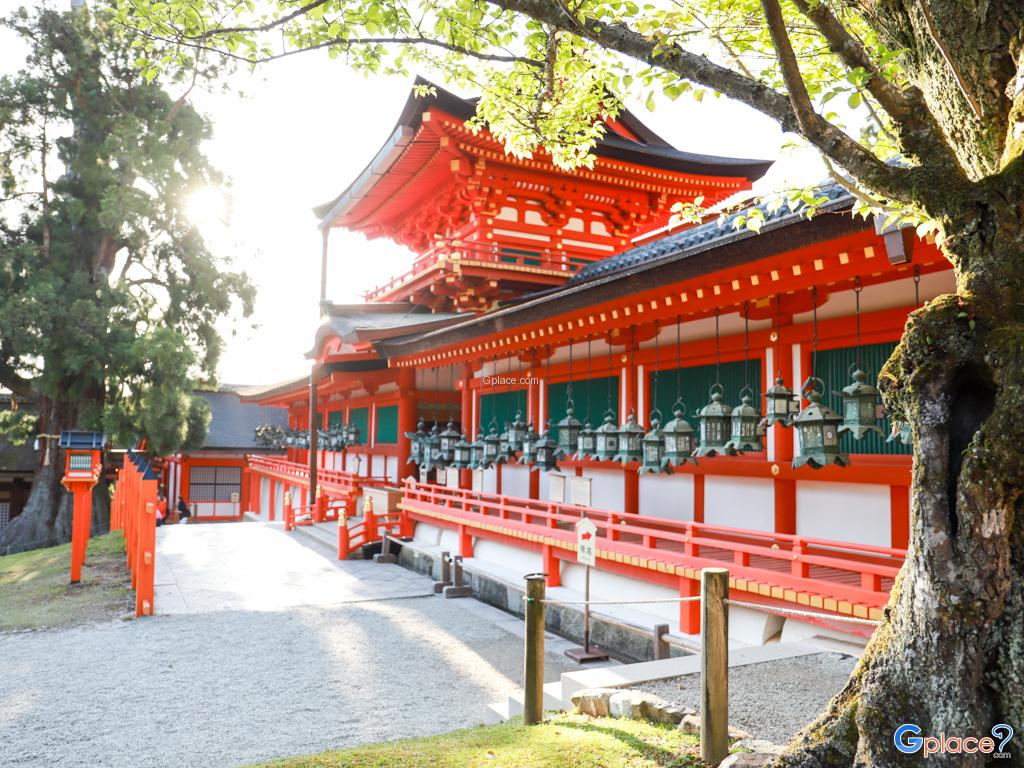
Kasuga Taisha Shrine – Renowned for its forested pathways lined with thousands of bronze and stone lanterns.
-
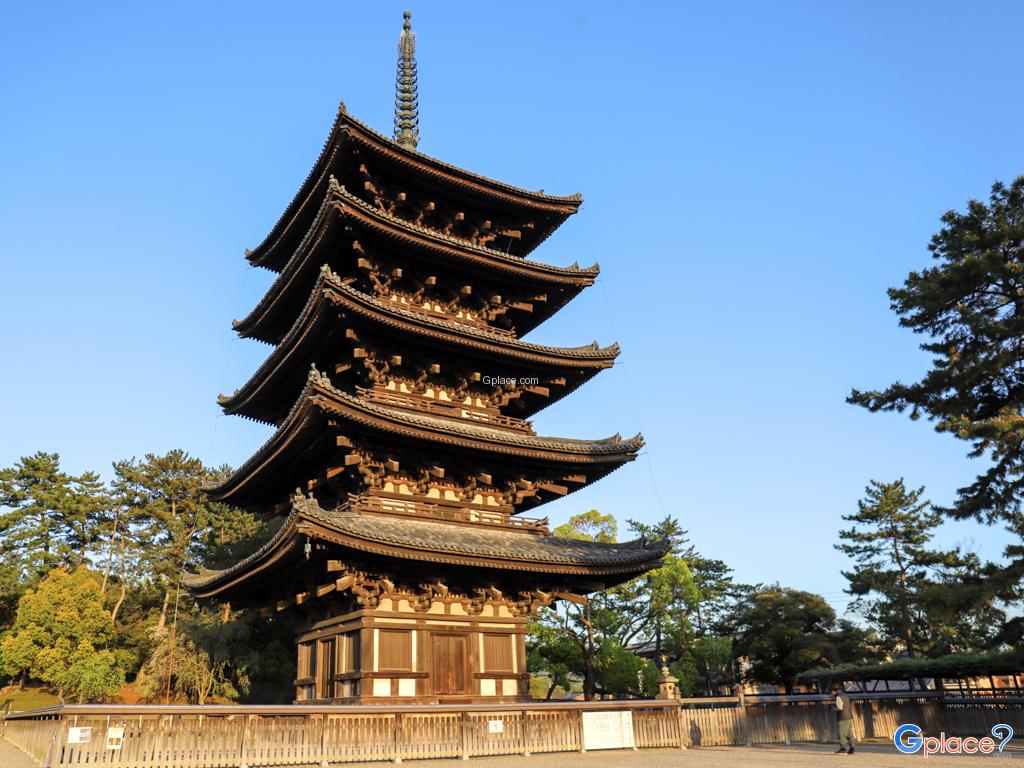
Kofuku-ji Temple – Famous for its elegant five-story pagoda, the second tallest in Japan.
-
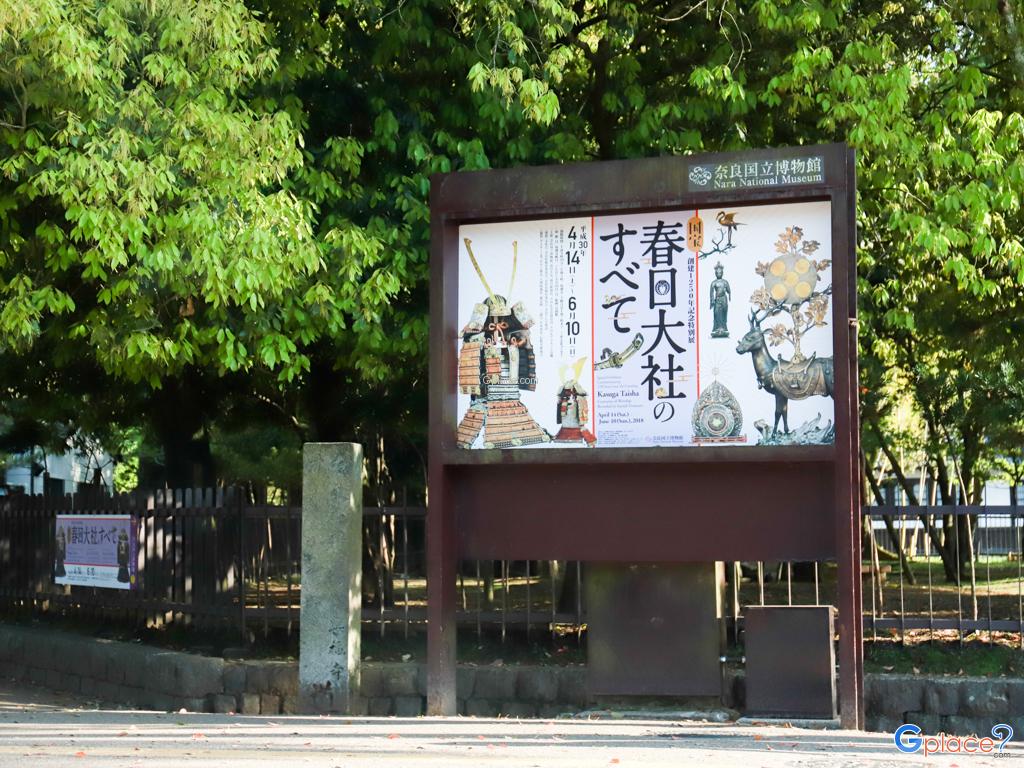
Nara National Museum – A leading institution for Japanese Buddhist art and religious artifacts.
Gardens Near Todai-ji
-
Isuien Garden – A refined strolling garden that incorporates borrowed scenery from Mount Wakakusa.
-
Yoshikien Garden – A tranquil hidden gem often free for foreign visitors upon showing a passport.
How to Get There
From Osaka:
-
Kintetsu Nara Line from Osaka-Namba Station (approx. 40 minutes)
-
JR Yamatoji Line from Osaka Station (approx. 50 minutes)
From Kyoto:
-
Kintetsu Nara Line (approx. 35 minutes via Limited Express)
-
JR Nara Line (approx. 45–60 minutes)
Walking Access:
-
Kintetsu Nara Station: about 5 minutes on foot
-
JR Nara Station: about 20 minutes on foot
Travel Tips
-
Feeding: Only use official Shika Senbei (about 200 yen). Human food is harmful to deer.
-
Seasonal Awareness: Deer give birth in June; observe from a distance during fawn season.
-
Hidden Retreats: Yoshikien Garden offers a peaceful escape from crowded temple areas.
-
Best Time to Visit: Arrive before 8:00 AM for calm scenery and fewer tour groups.
-
Photography: Morning and late afternoon provide the best natural light and calmer deer behavior.
Admission Fee:
-
Nara Park: Free
-
Temples & museums: Generally 600–1,000 yen per site
-
Yoshikien Garden: Often free for foreign tourists (passport required)
Opening Time:
-
Park Grounds: Open 24 hours
-
Temples & museums: Typically 8:00–9:00 AM to around 5:00 PM
Nara Park

 Share
Share
 Nara Park, Noboriojicho, Nara City, Nara, Japan
Map
Nara Park, Noboriojicho, Nara City, Nara, Japan
Map
 Open now



 1267
1267