 Attractions
  Hotel
Hotel  Restaurant
  Shopping
  Abroad





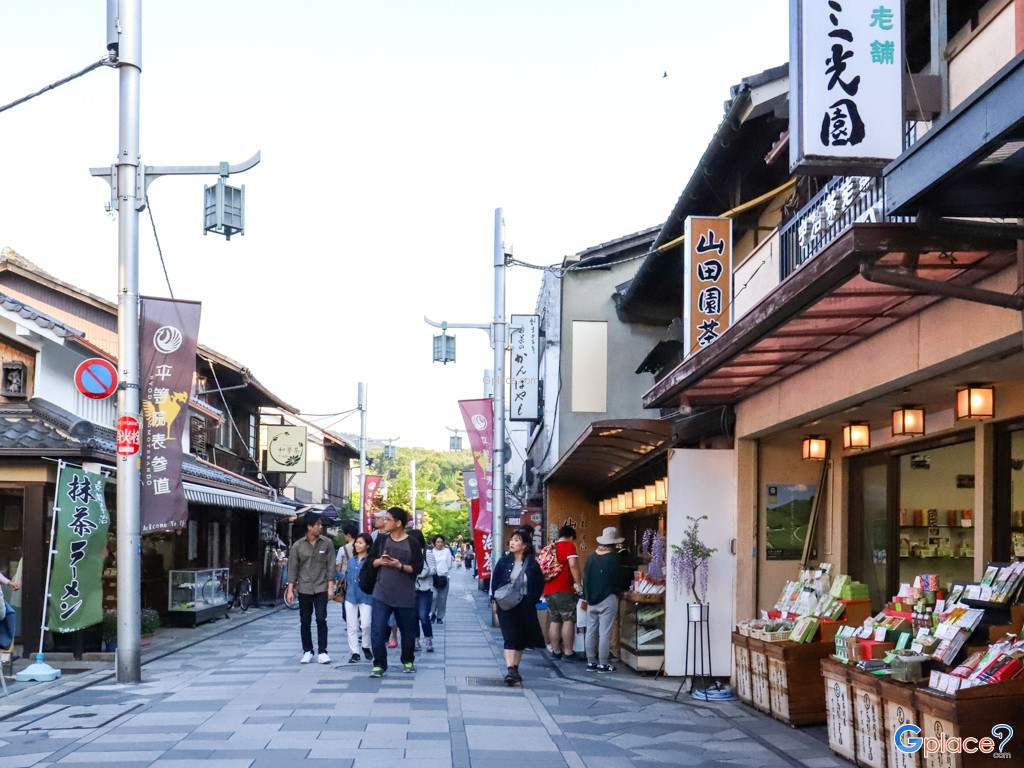


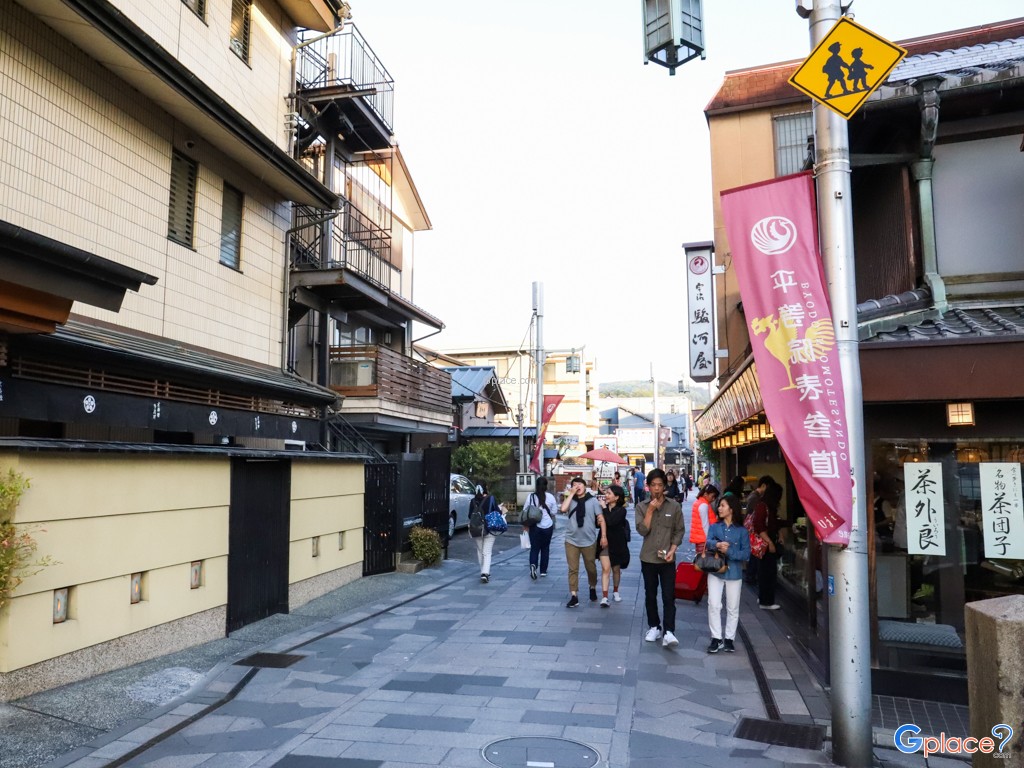
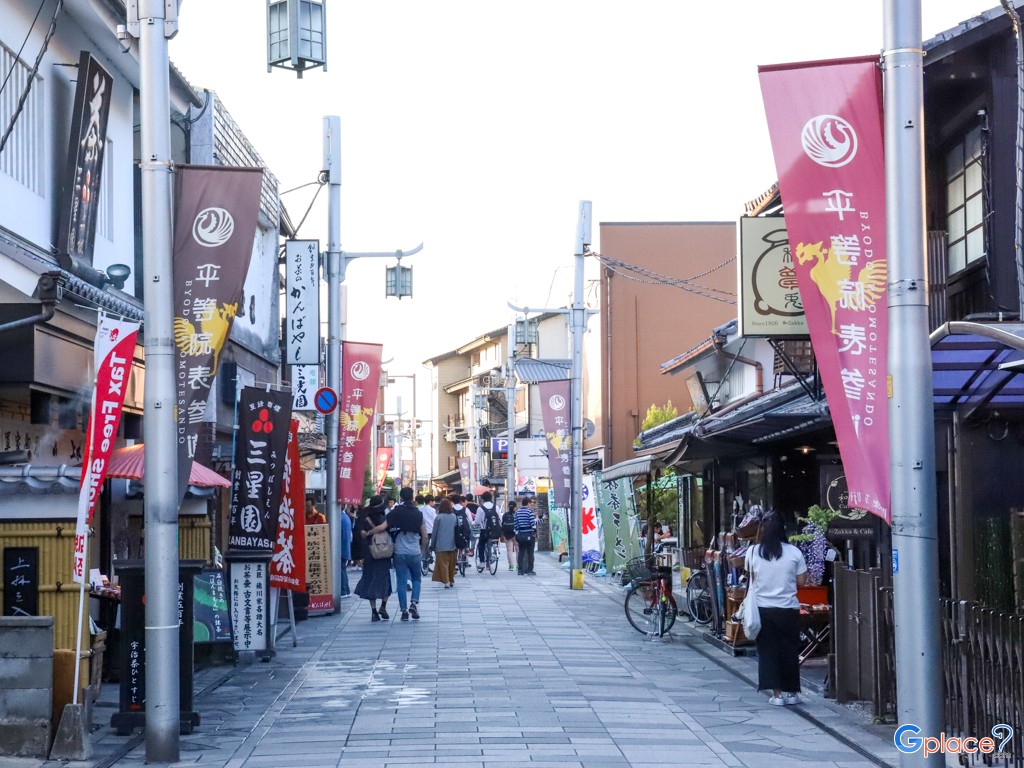
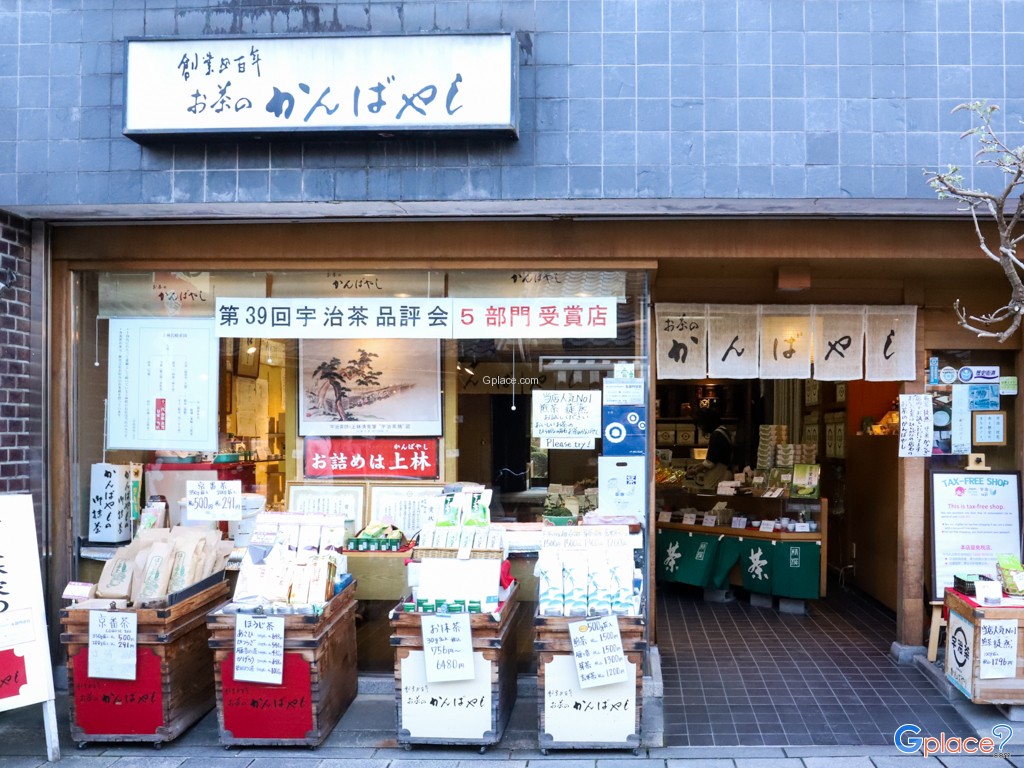
“A 300-meter approach filled with the aroma of roasted tea, leading visitors from everyday life into the sacred world of Byōdō-in Temple.”
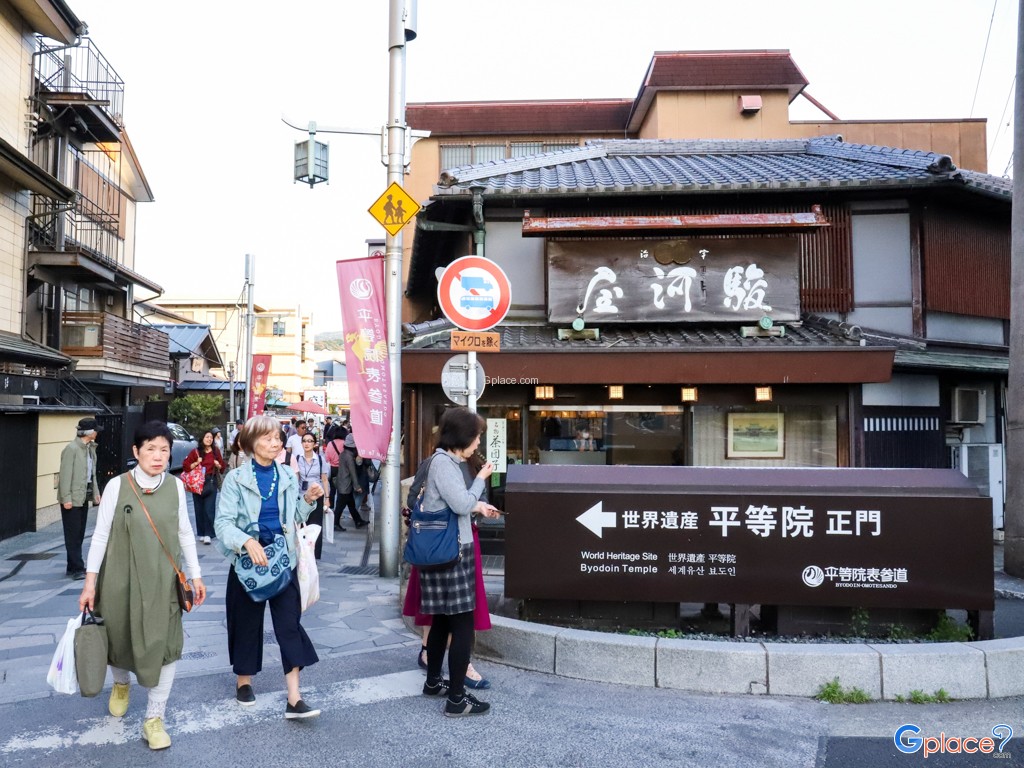
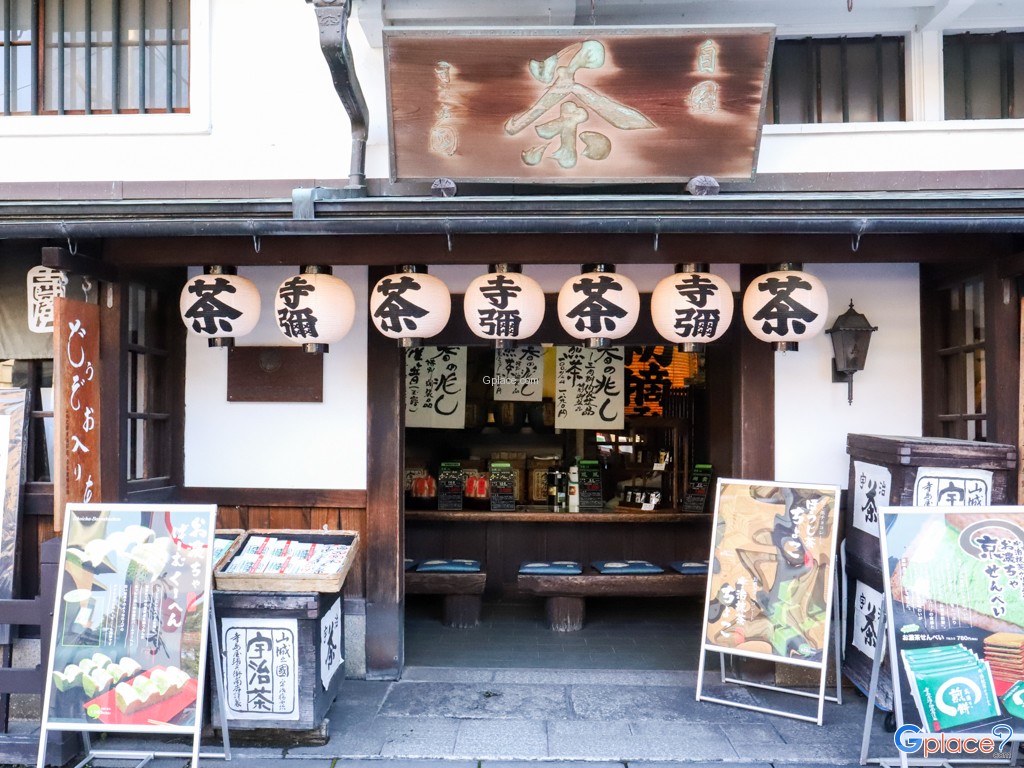
Byōdō-in Omotesandō is the main approach leading to Byōdō-in Temple, a UNESCO World Heritage Site dating back to the Heian period. Though only about 300 meters long, the street holds deep symbolic meaning, representing the transition from the secular world to the Buddhist Pure Land.
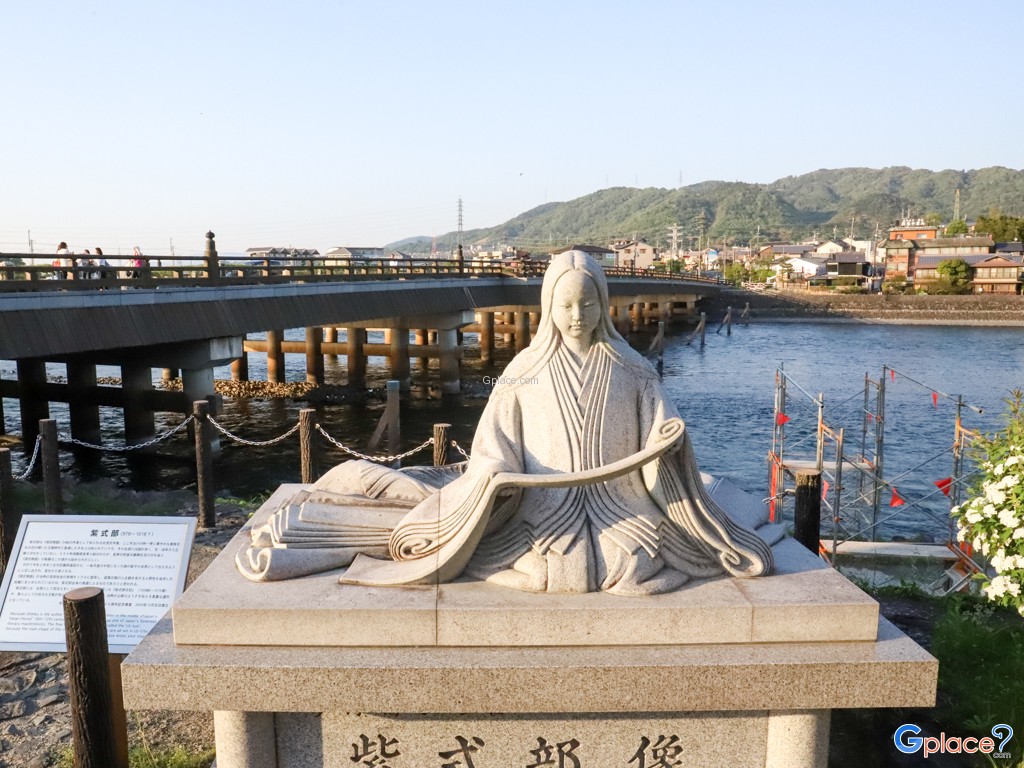
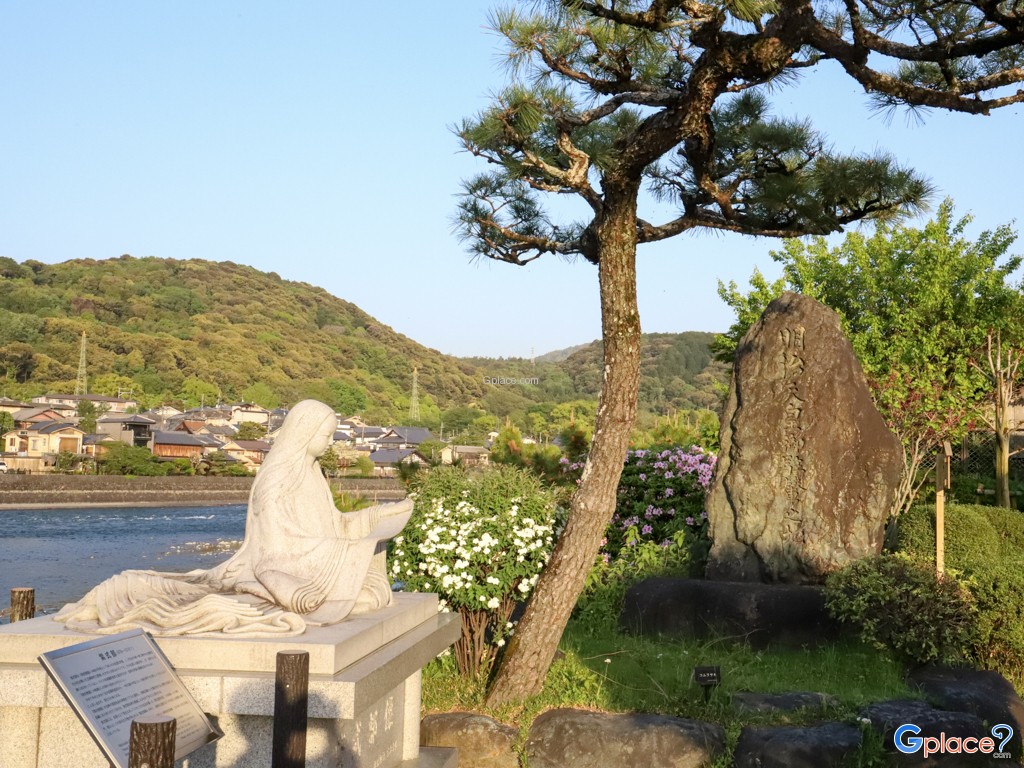
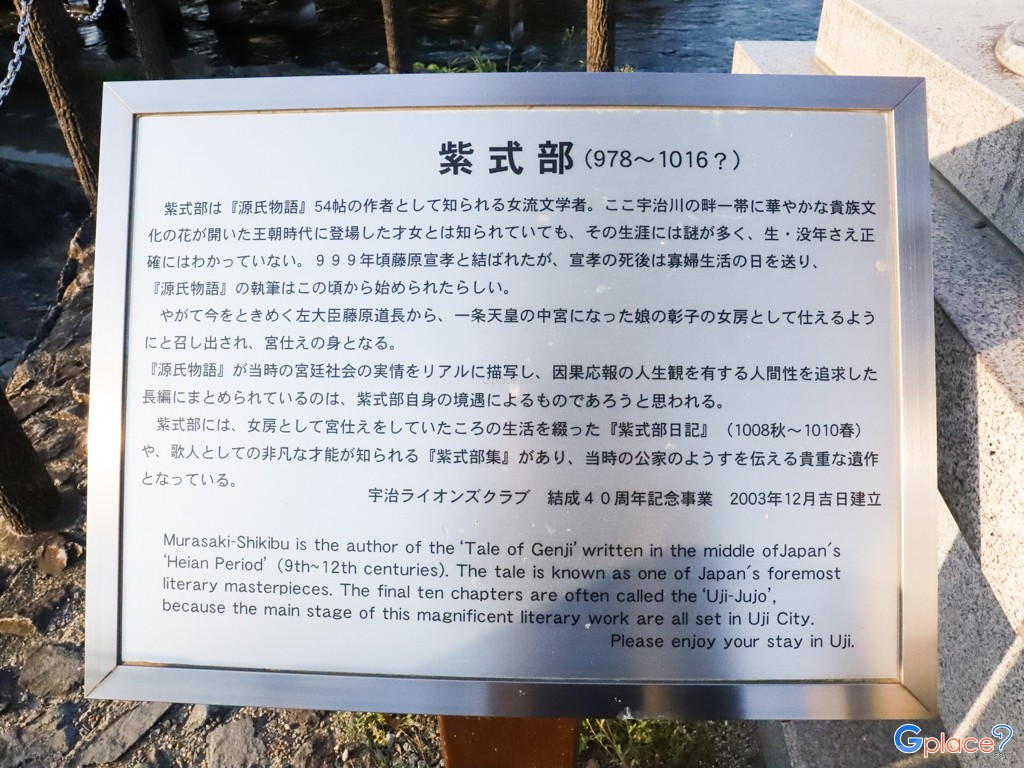
At the entrance of the street stands the Statue of Murasaki Shikibu, the renowned Heian-era author of The Tale of Genji. Deeply connected to Uji, she is believed to have drawn inspiration from this area while composing parts of the world’s oldest novel. The statue highlights Uji’s importance not only in tea culture but also in classical Japanese literature.
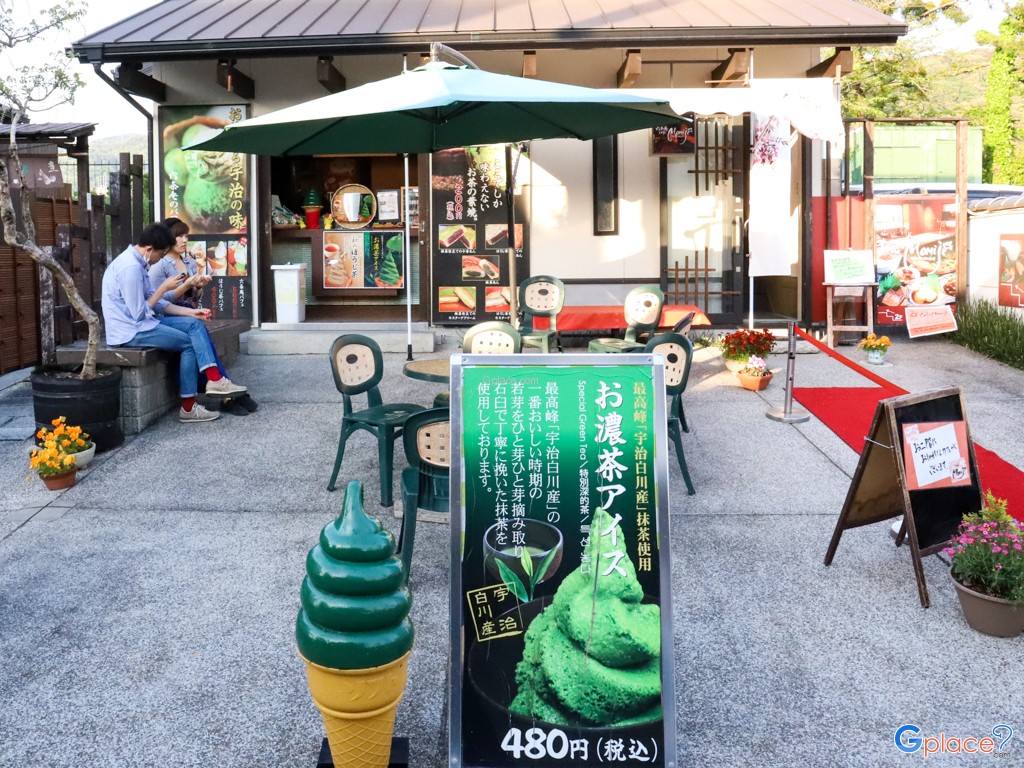
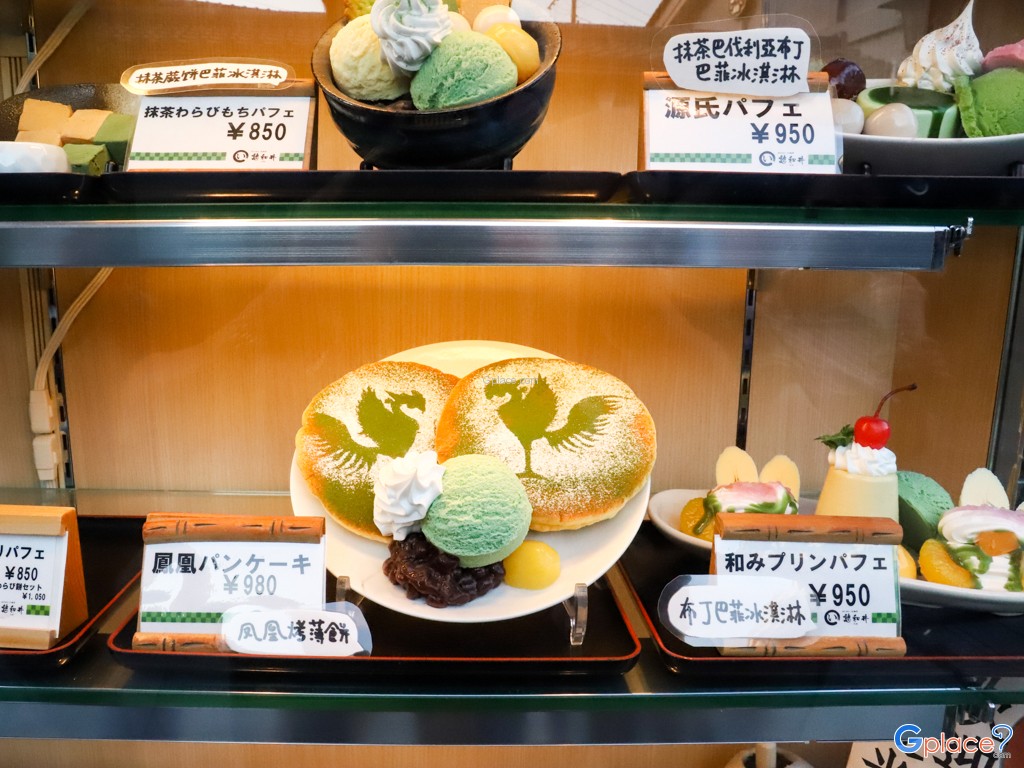
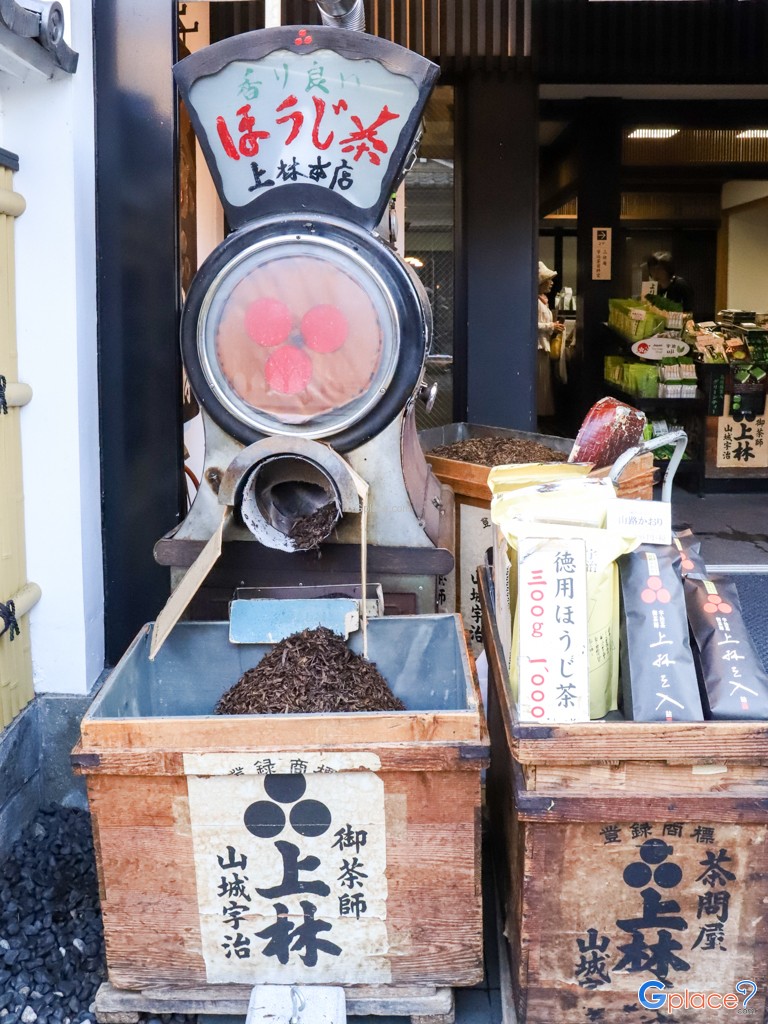
One of its most distinctive features is its aroma. In 2001, Japan’s Ministry of the Environment designated this street as one of the country’s Top 100 Fragrant Landscapes. Visitors are enveloped in the rich scent of freshly roasted hōjicha and the vibrant, grassy fragrance of stone-ground matcha, often produced on-site using traditional stone mills.
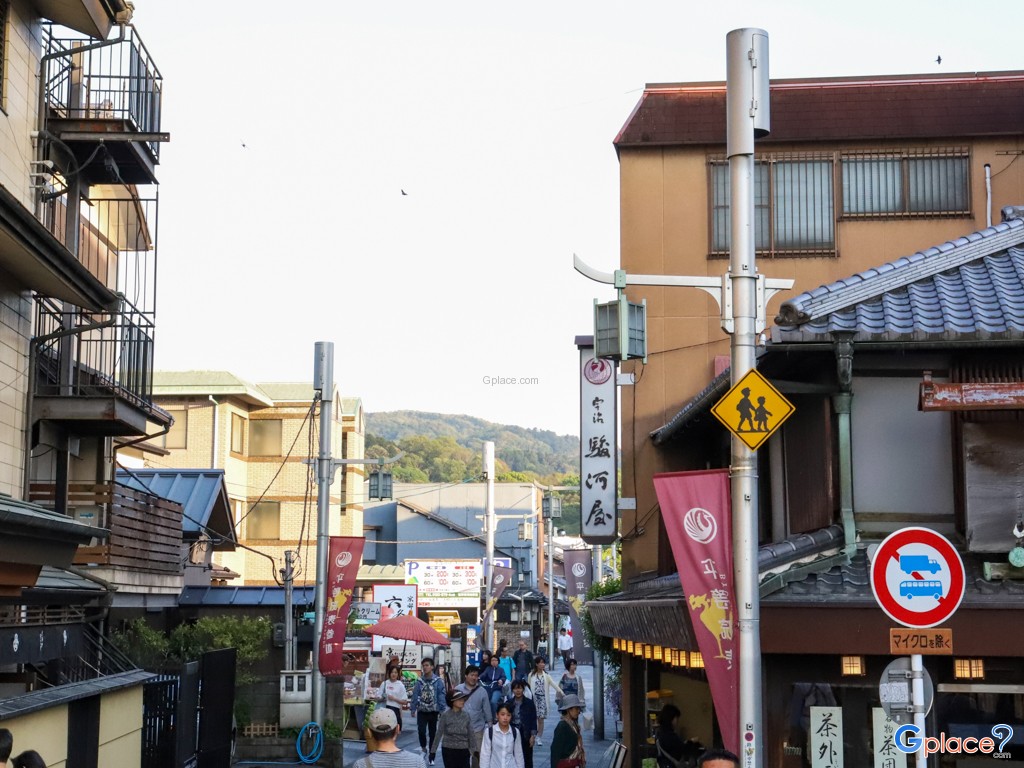
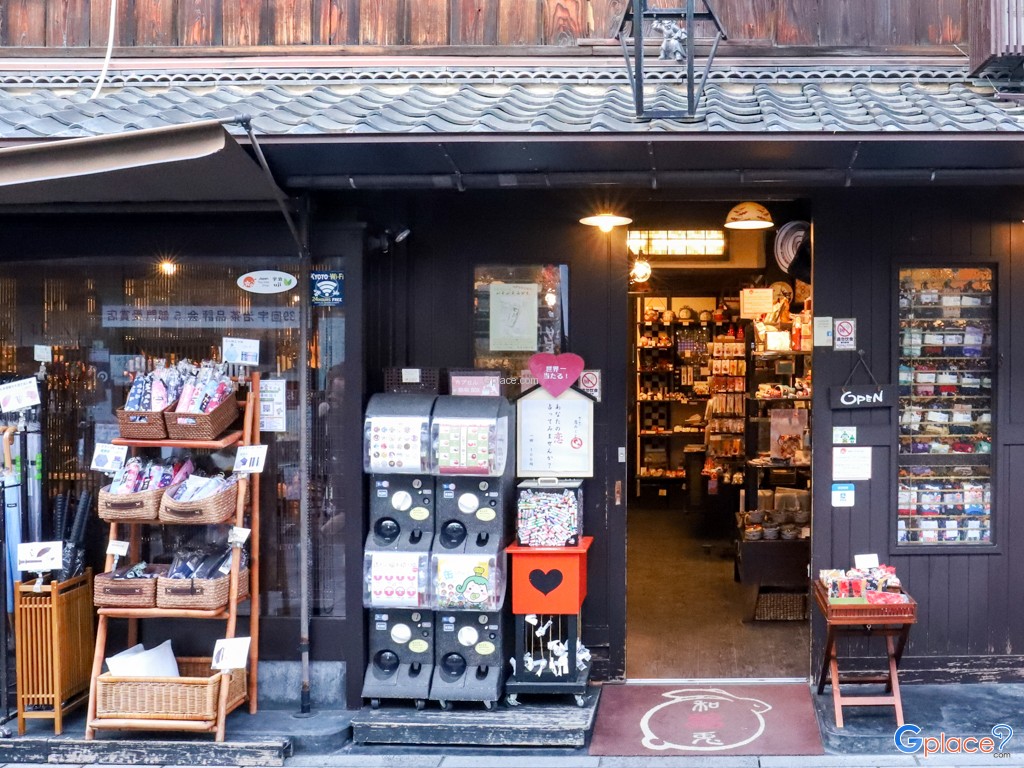
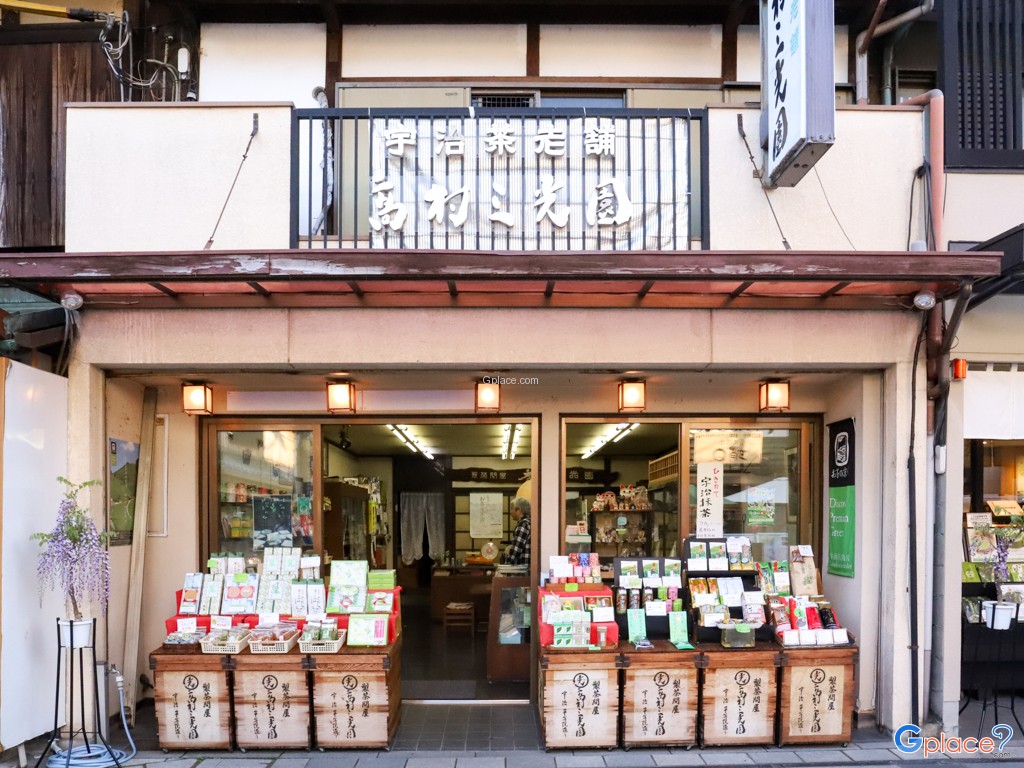
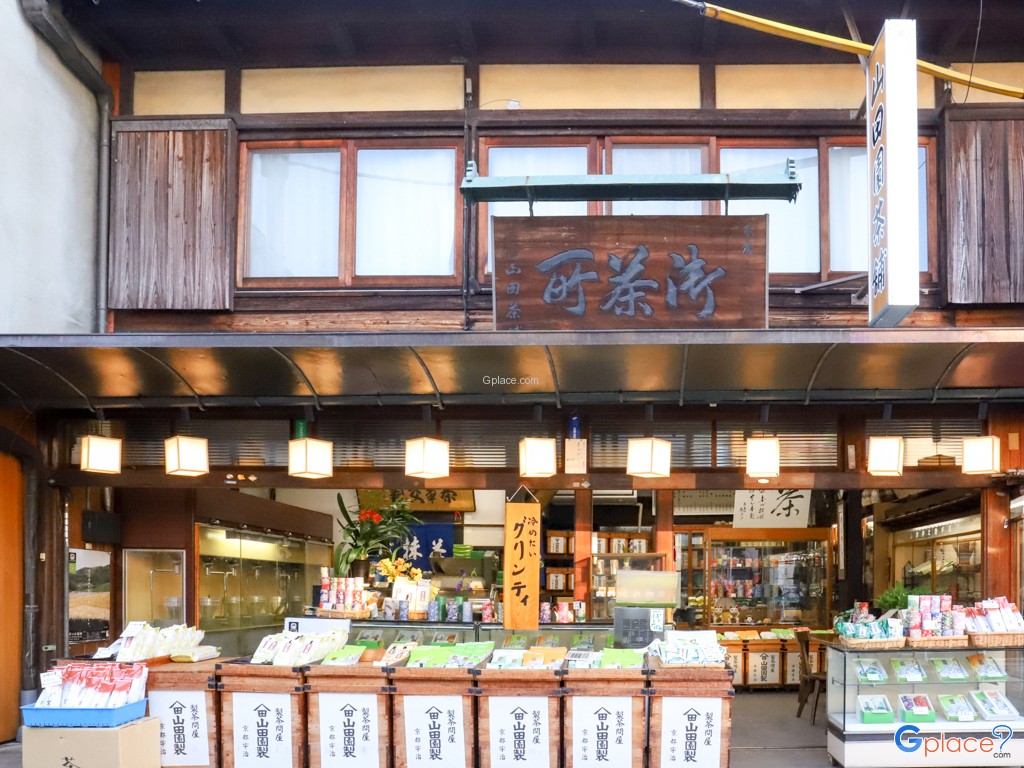
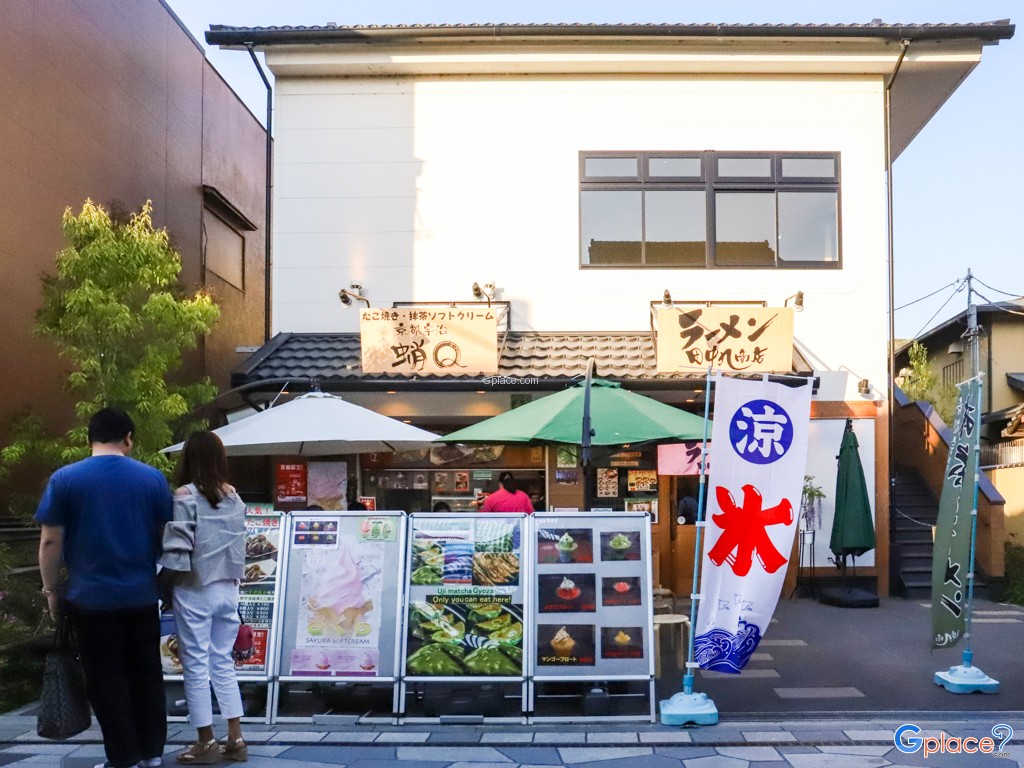
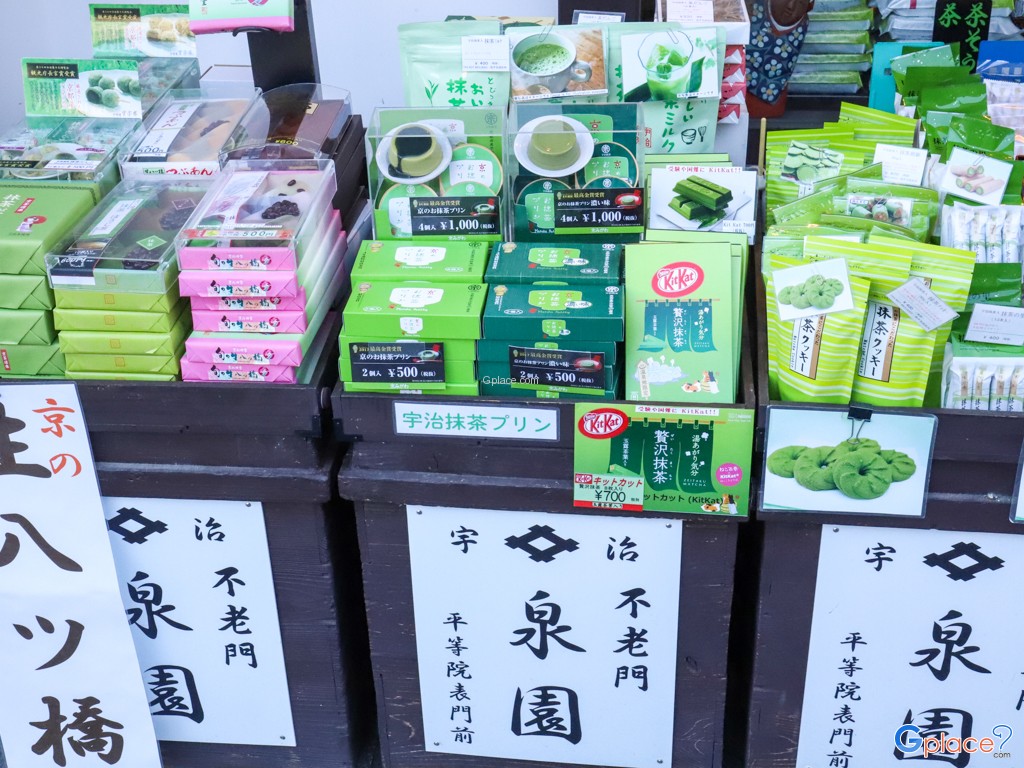
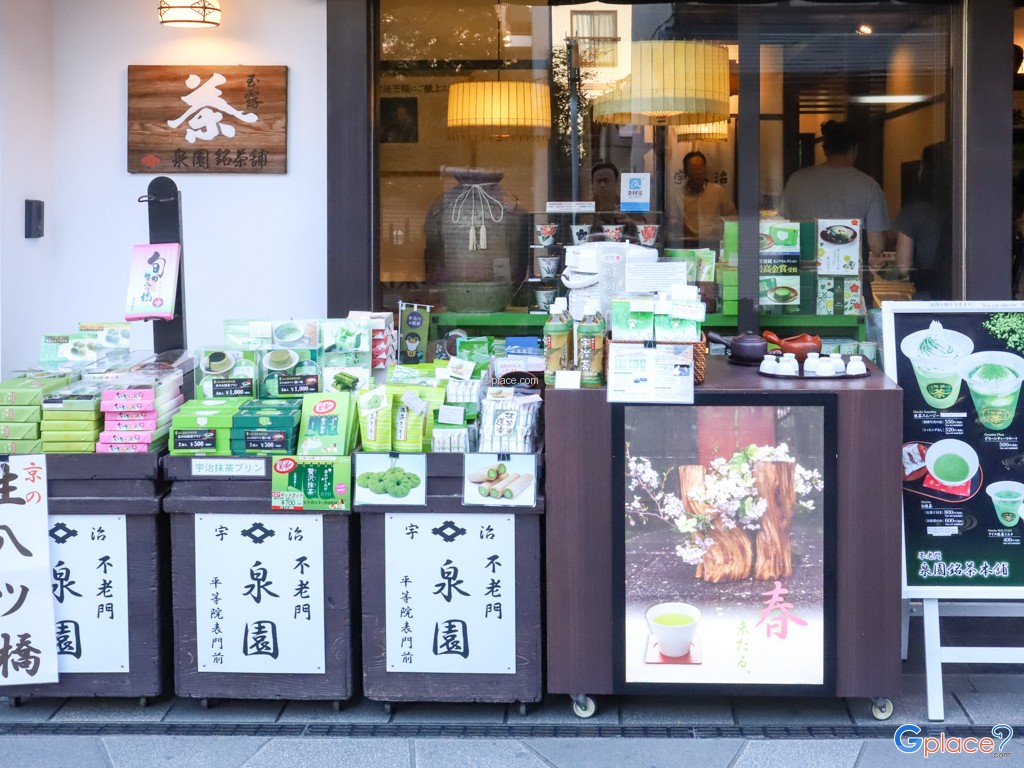
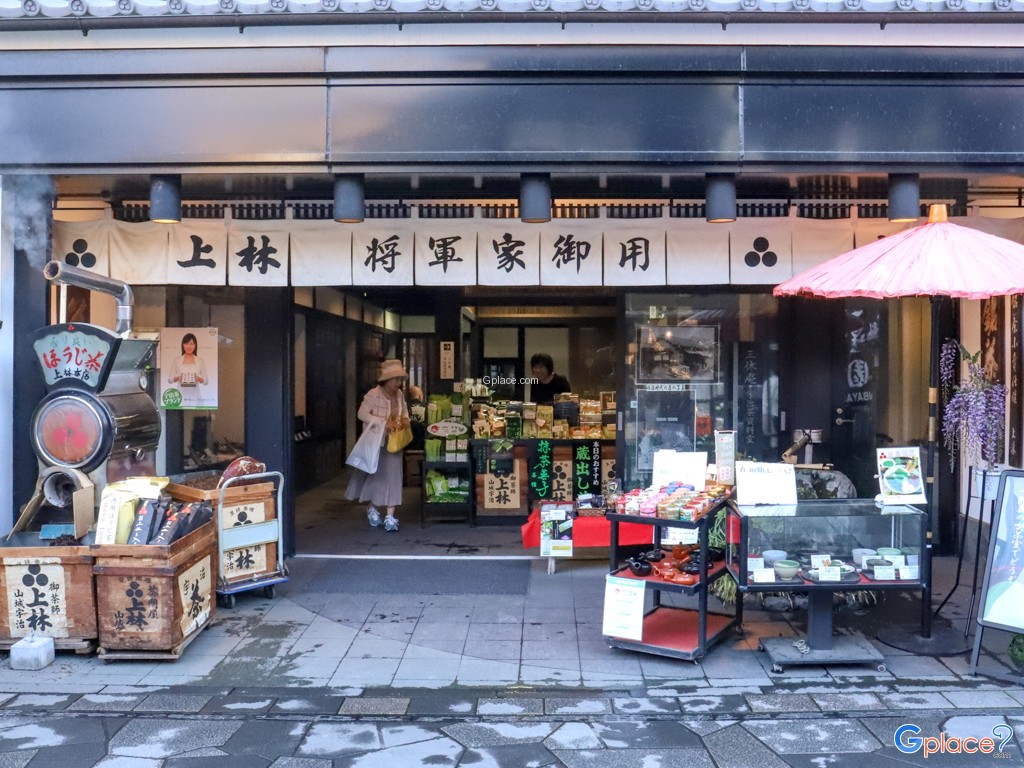
The street is lined with preserved wooden townhouses, tea shops, and cafés that reflect Uji’s long-standing tea heritage. Many shops display indigo noren curtains, traditional stone paving, and live tea-roasting equipment, making the walk both visually and sensorially engaging.
Notable traditional establishments along the street include:
-
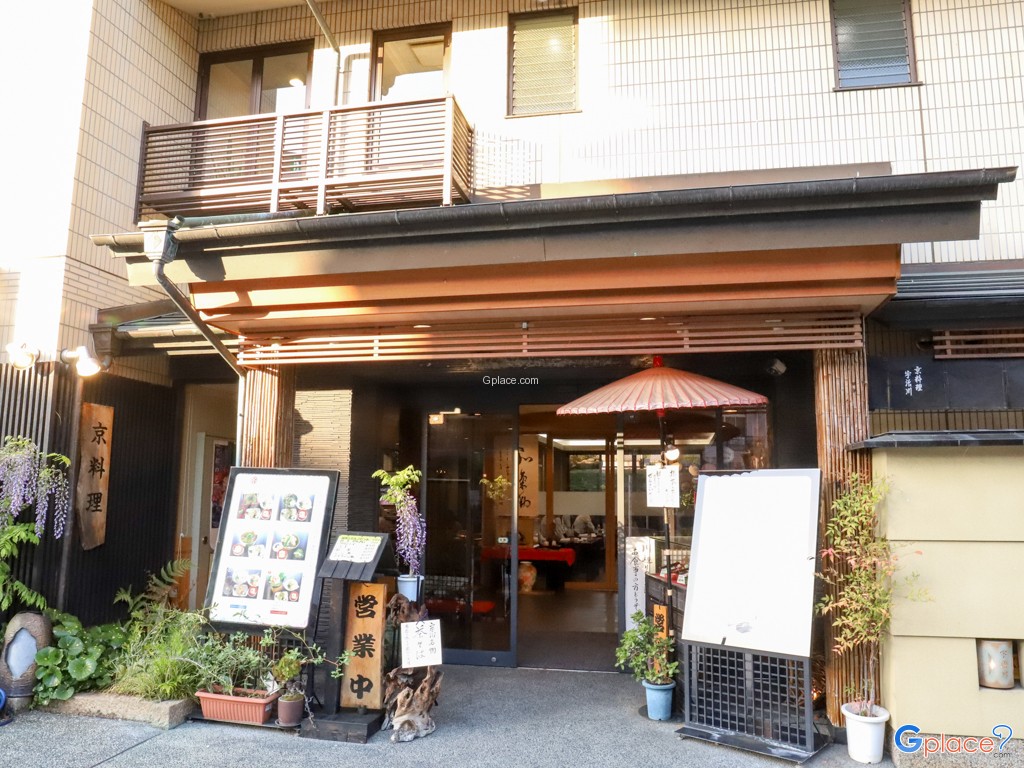
Kyōryōri Ujigawa – A riverside ryokan-style restaurant at the northern entrance, known for classic Kyoto cuisine and matcha soba.
-
Mitsuboshien Kanbayashi – A tea shop with over 500 years of history, once serving the Tokugawa Shogunate, offering ceremonial-grade matcha and a small free museum upstairs.
-
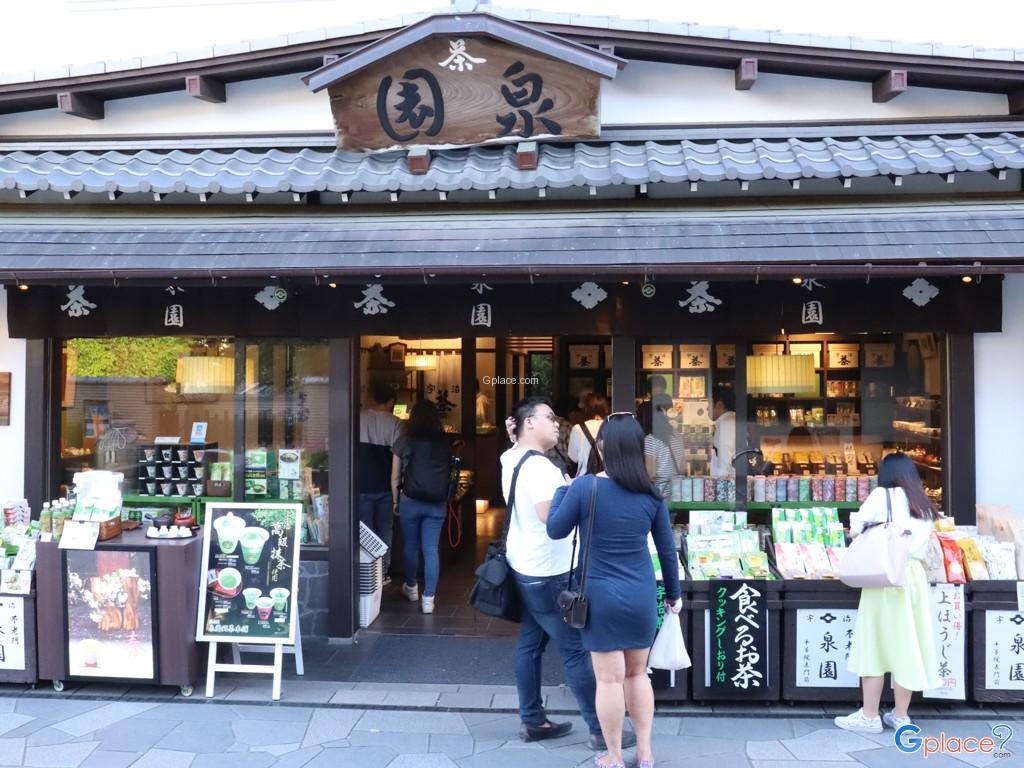
Izumien Meicha Honpo – A landmark tea shop facing the temple gate, popular for authentic Uji matcha and tea souvenirs.
Near the end of the street stands the world-famous Starbucks Kyoto Uji Byodoin Omotesando, celebrated for its wooden architecture and Zen garden that blend seamlessly with the historic surroundings.
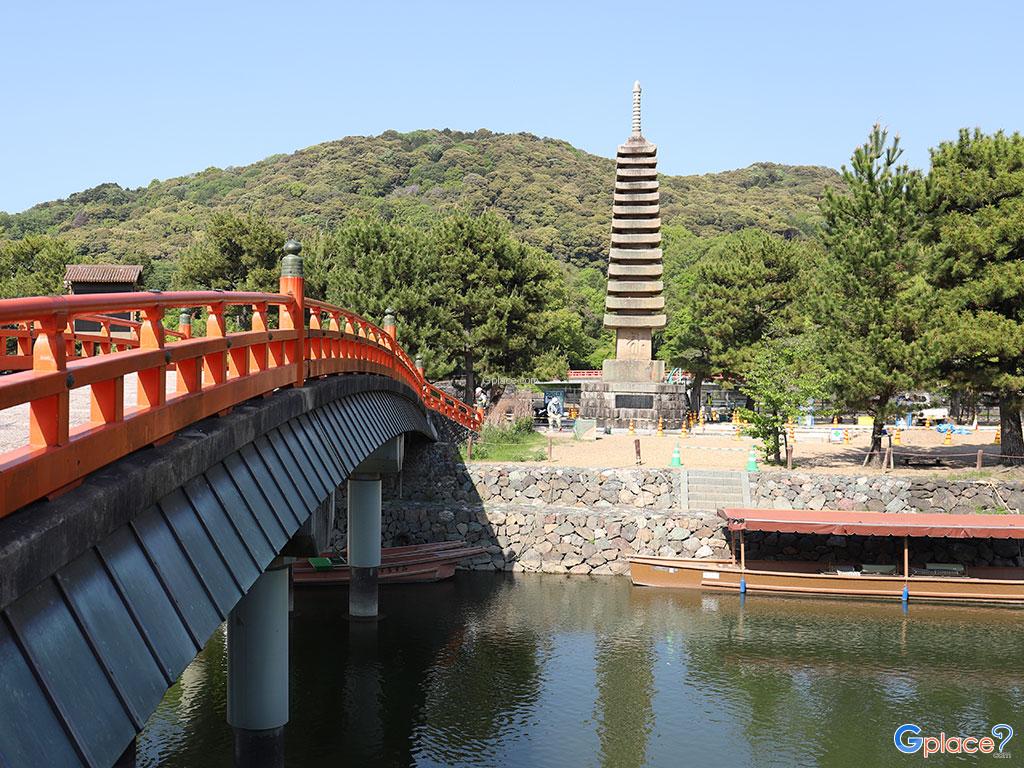
The destination of the street, Byōdō-in Temple, is depicted on Japan’s iconic 10,000 yen note, symbolizing its national and cultural importance. After visiting the temple, travelers can take a short walk to a small island in the Uji River to see Japan’s tallest ancient 13-story stone pagoda, often missed by casual visitors.
How to Get There
-
From JR Uji Station: Approximately 12–15 minutes on foot
-
From Keihan Uji Station: Approximately 7–8 minutes on foot
Clear signs guide visitors from both stations toward the temple.
Travel Tips
-
Visit around 9:00 AM to enjoy a calm atmosphere as shops open.
-
For popular cafés such as Nakamura Tokichi, take a queue number first, then explore the street while waiting.
-
Don’t miss the famous green tea-jar-shaped postbox (Tea Jar Postbox) in front of JR Uji Station.
-
After the walk, continue to Uji Bridge, one of the oldest bridges in Japan.
-
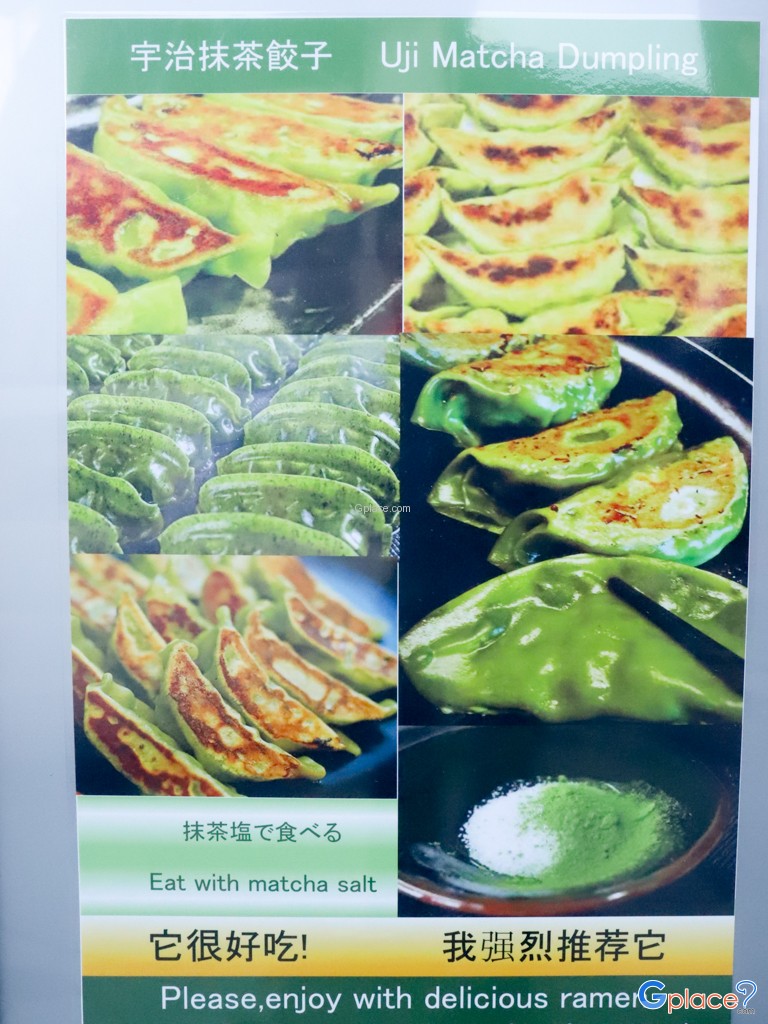
A popular local souvenir is matcha salt, often used as a dipping salt for tempura.
Admission Fee:
- Free admission (public street)
Opening Time:
-
Omotesandō: Open all day
-
Shops: Generally 09:00 – 17:00
-
Byōdō-in Temple: 08:30 – 17:30 (allow at least 1–1.5 hours for the visit)
Byōdō in Omotesandō

 Share
Share
 Byōdō-in Omotesandō, Uji City, Kyoto Prefecture, Kansai Region, Japan
Map
Byōdō-in Omotesandō, Uji City, Kyoto Prefecture, Kansai Region, Japan
Map
 Closed today
Mon9.00 - 18.00
Tue9.00 - 18.00
Wed9.00 - 18.00
Thu9.00 - 18.00
Fri9.00 - 18.00
Sat9.00 - 18.00
Sun9.00 - 18.00



 390
390