 Attractions
  Hotel
Hotel  Restaurant
  Shopping
  Abroad





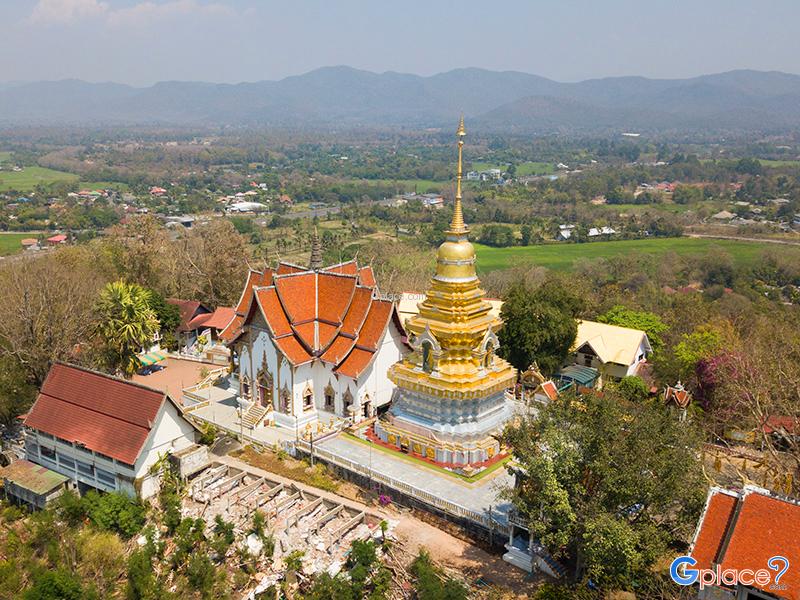


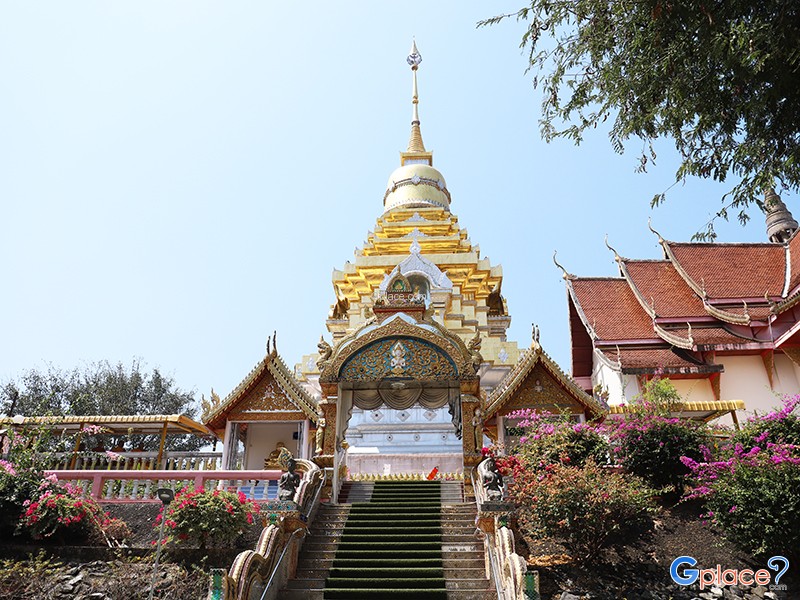
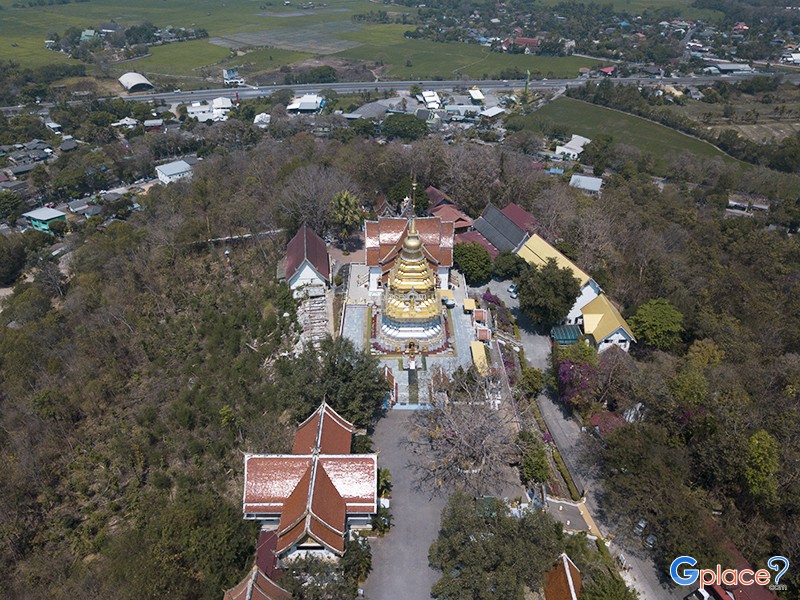
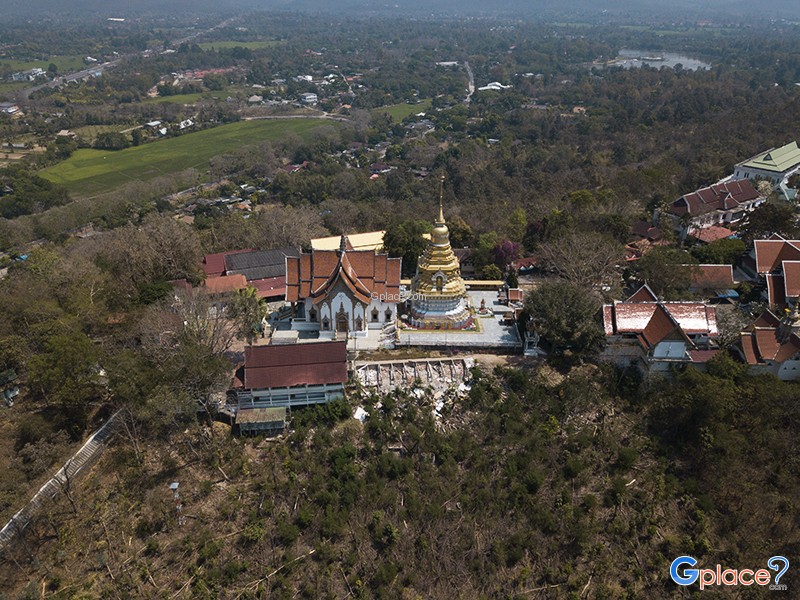
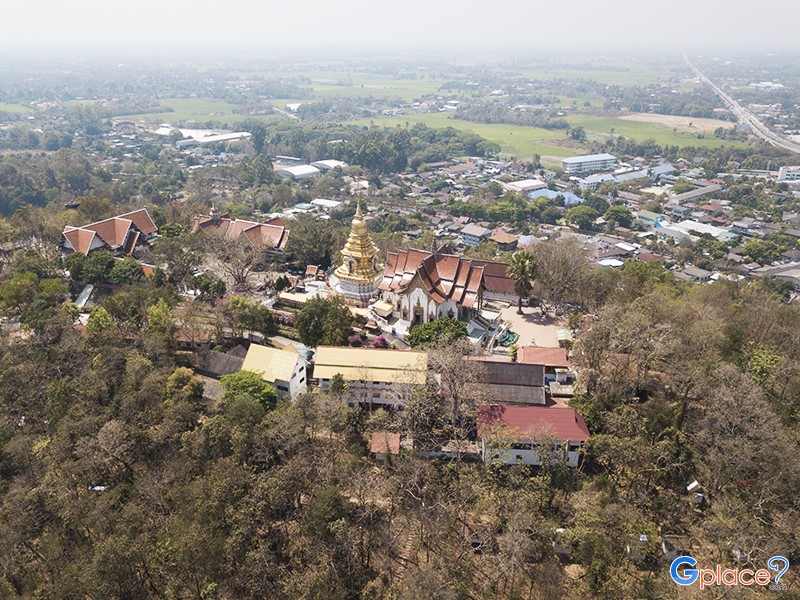
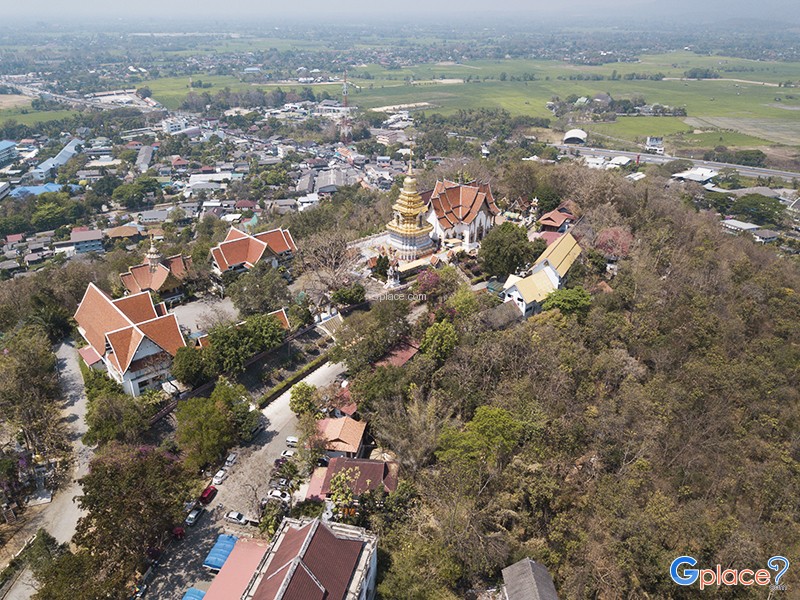
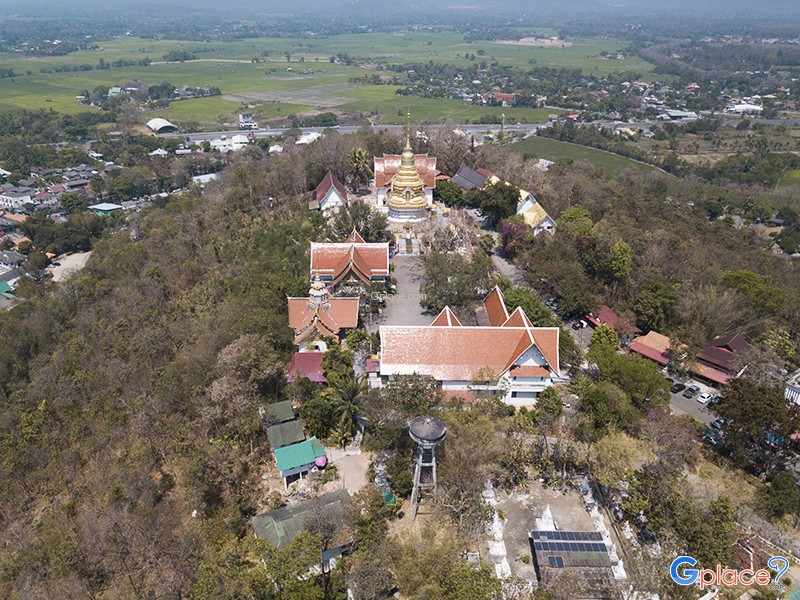
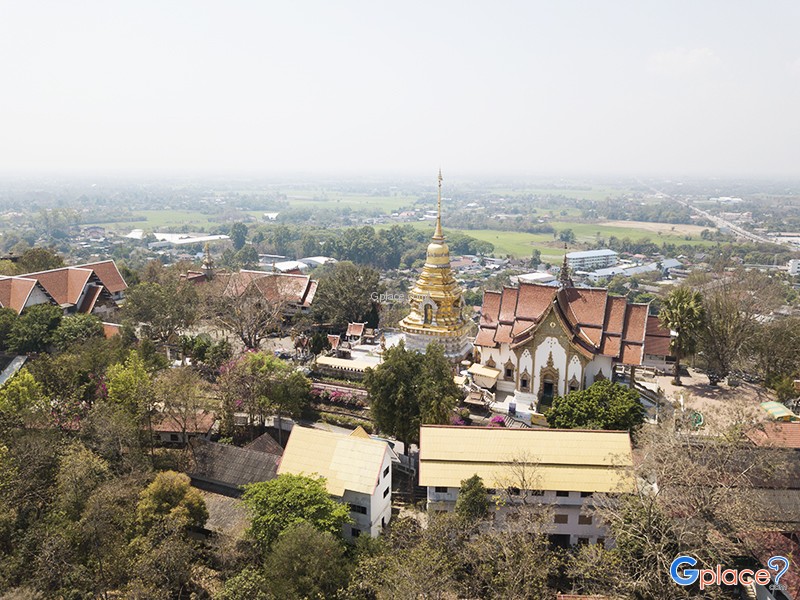
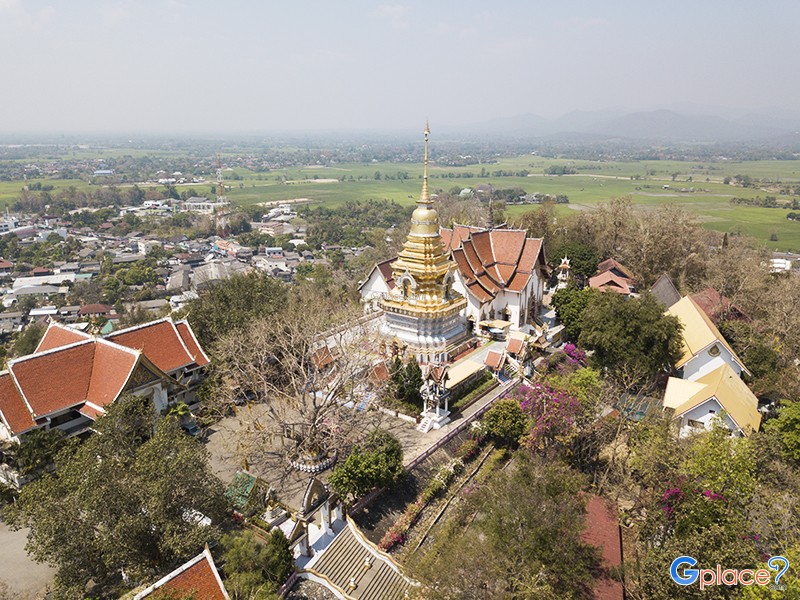
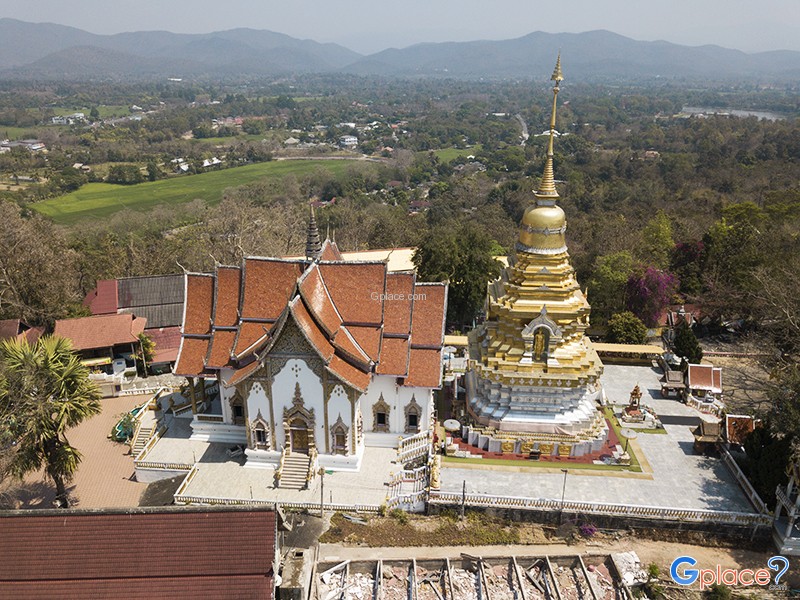
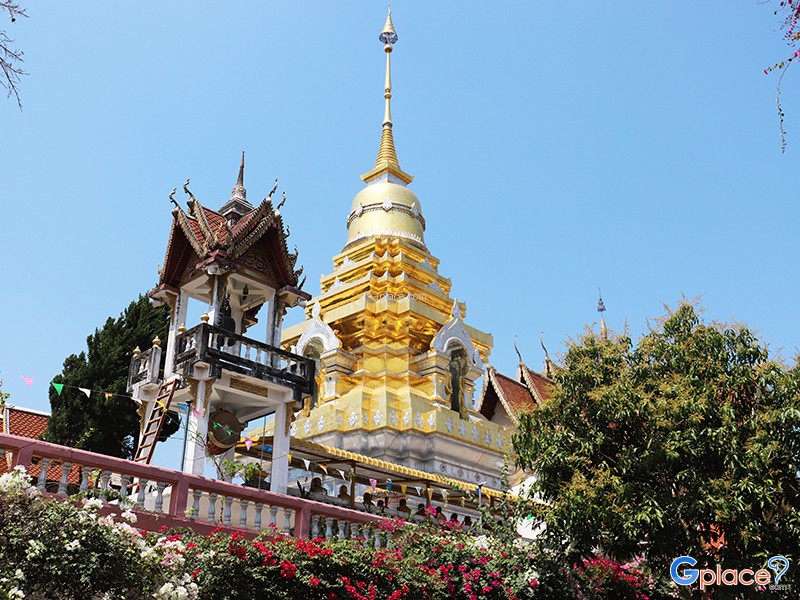
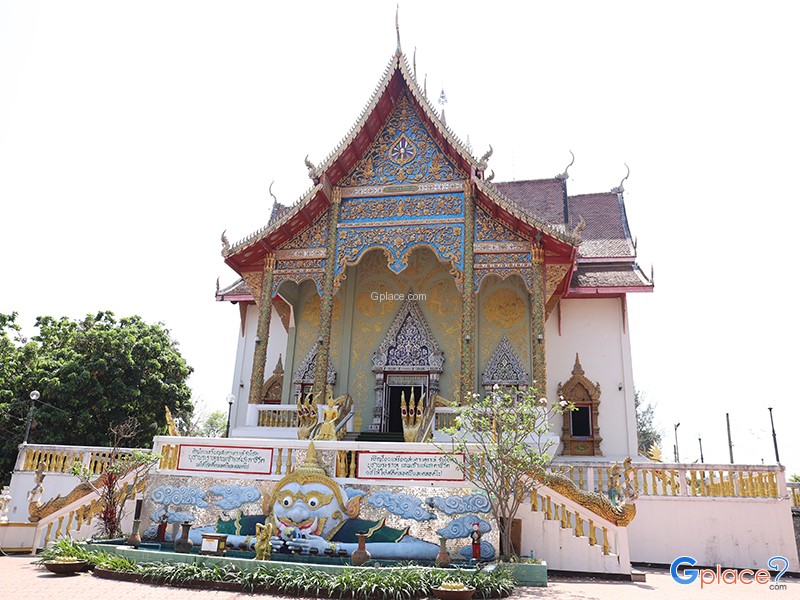
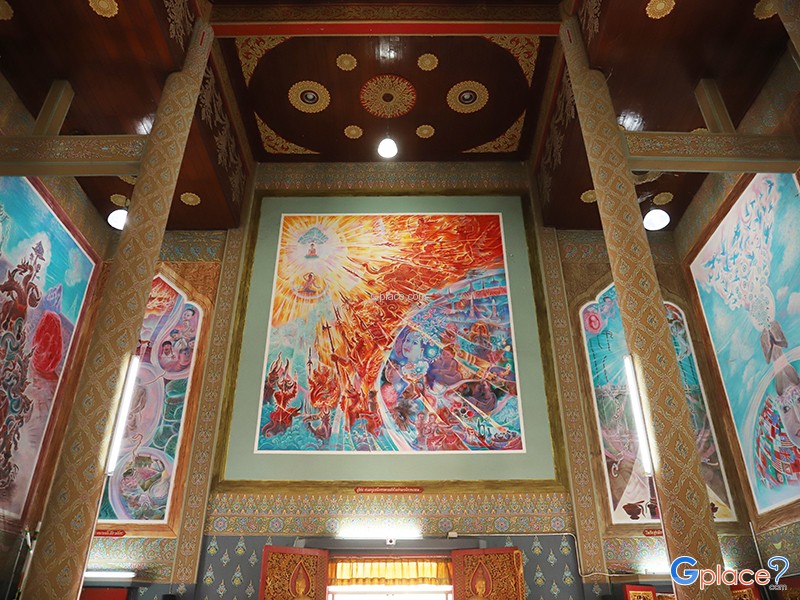
“Pay homage to the gleaming golden stupa, admire the main chapel and contemporary murals, and enjoy panoramic views from the hilltop.”
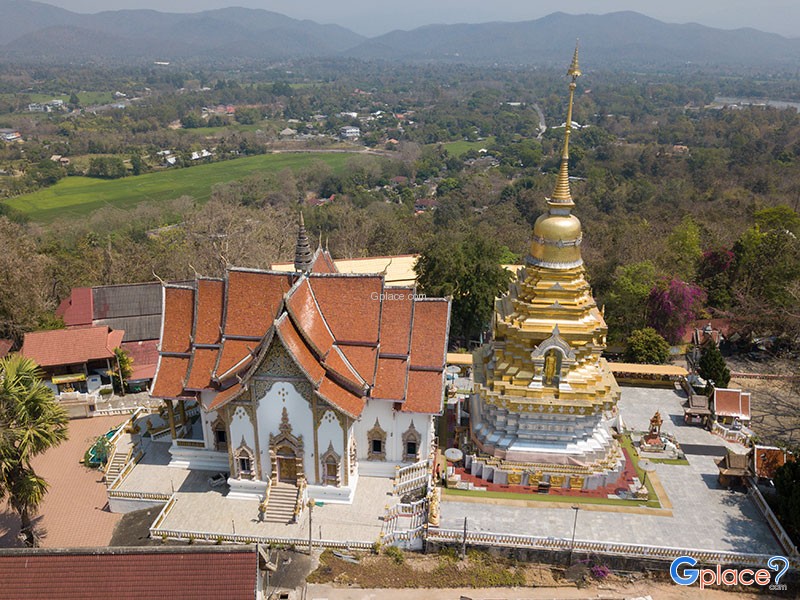
Wat Phra That Doi Saket is a third-class Royal Temple of the common type and a significant temple that the people of Doi Saket District have long revered. It is situated on a hilltop, one of the highest points in the district, offering extensive views of the surrounding communities, rice fields, and mountains. Thus, it serves as both a place for religious ceremonies and a famous viewpoint in Chiang Mai Province.
According to Lanna local legends, during the time of the Buddha, the Lord Buddha visited this area and bestowed his hair relic here. Subsequently, a Naga serpent guarded the hair relic, which became a sacred sanctuary. Later, around 1955 BE (Buddhist Era), a stupa was built to enshrine the relic and has been restored through several eras, becoming the principal stupa of Doi Saket District today.
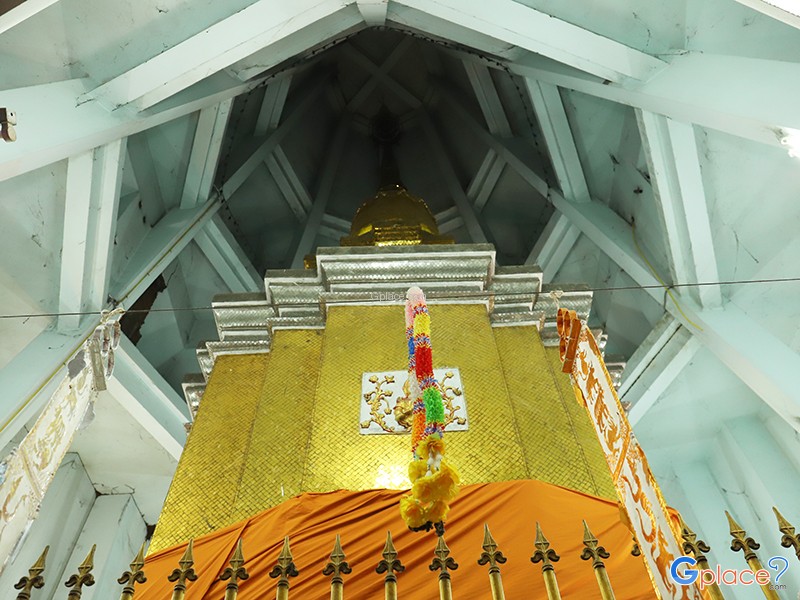
The most prominent feature of the temple is the gleaming golden Phra That Doi Saket stupa, built in the Lanna architectural style and adorned with intricate, beautiful patterns, visible from a distance. Inside, it enshrines the Lord Buddha's relics, a focal point of faith for Buddhists, both Chiang Mai locals and tourists from across the country. Especially during important Buddhist festivals, many people travel to pay homage and participate in the circumambulation ceremony.
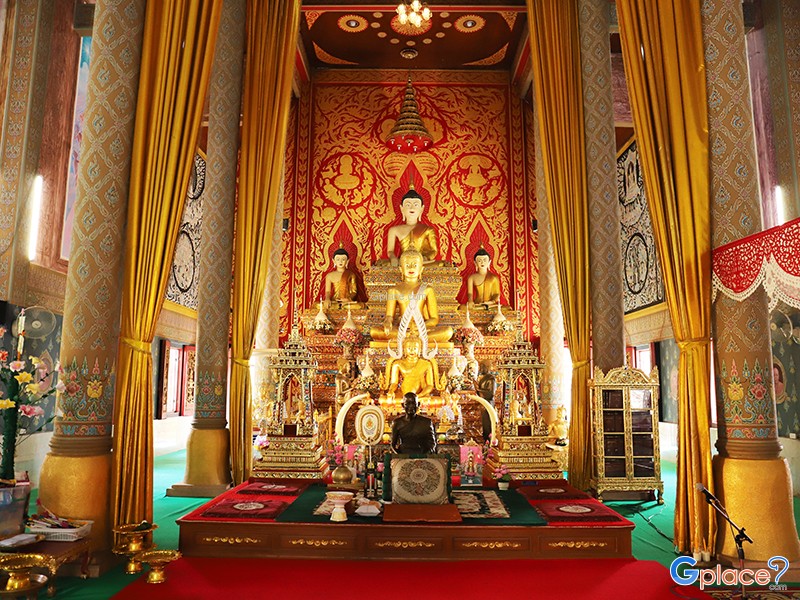
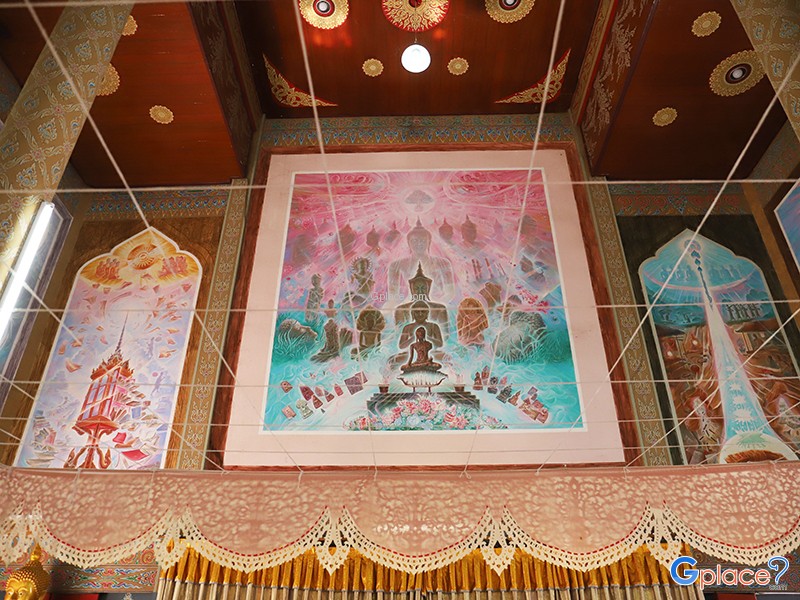
Another highlight of the temple is the Grand Vihara and Ubosot (main chapel), constructed with elegant applied Lanna architecture. Inside, it enshrines Phra Phuttha Maha Chakraphat Ubon Bandan Prathan Phon, a principal Buddha image with exquisite features. It is surrounded by contemporary murals created by Thai artists, depicting stories of the Buddha's life, the Three Worlds (Traiphum), and Buddhist principles. The murals utilize techniques of color, light, and artistic elements that perfectly blend Lanna art with contemporary concepts, earning recognition as one of Chiang Mai's most beautiful murals.
The area around the temple features a spacious courtyard for enjoying the scenery and relaxing, especially the hilltop viewpoint, which offers 360-degree views of Doi Saket District, rice fields, orchards, and surrounding mountain ranges. In the morning, you might experience a light sea of mist, while in the evening, you can witness beautiful sunsets over the fields. It is suitable for both photography and peaceful relaxation.
Within the temple, there are many other points of interest, including ancient bells, important Buddha images, meditation halls, areas for religious ceremonies, as well as spots for making merit, draping cloth over the stupa, and circumambulating on important days. This makes Wat Phra That Doi Saket a center for Buddhism, a source for learning Lanna art and culture, and a popular religious tourist destination in Chiang Mai Province.
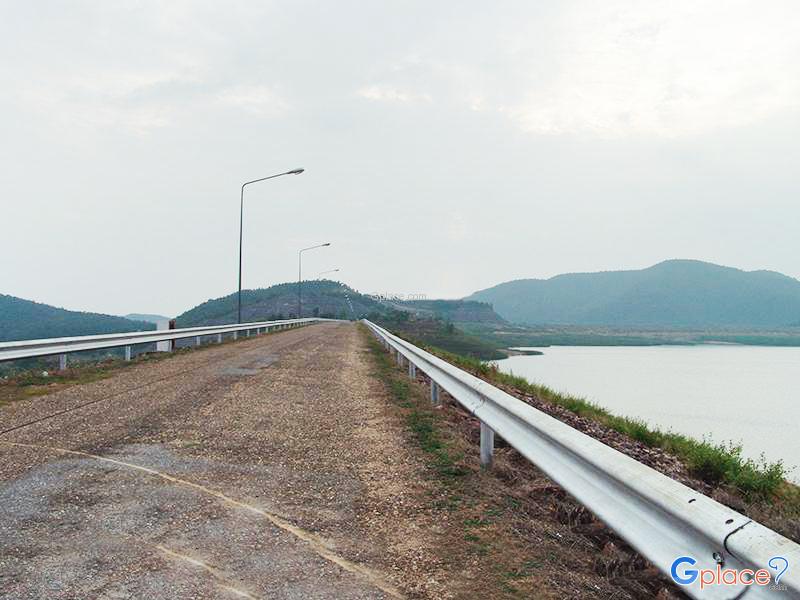
Given its location not far from Chiang Mai city, taking only about 30 minutes to travel, tourists can conveniently plan their visit in conjunction with Doi Saket Hot Spring (Pa Miang), Mae Kuang Udom Thara Dam, Tweechol Botanical Garden, Doi Saket Market, or other attractions along the Chiang Mai–Chiang Rai route.
How to Get There
- From Chiang Mai city, take Highway 118 (Chiang Mai–Chiang Rai) heading towards Doi Saket District, for approximately 18 kilometers. Upon reaching the district, you will see the stupa prominently located on a hill. Turn onto the road leading up to the temple and follow the paved road directly to the parking lot at the top. The road condition is good, and private cars, vans, and buses can travel conveniently.
Travel Tips
- Recommended to visit between 06:30 and 08:30 for cool weather and suitable morning light for photography.
- In the evening, from approximately 16:30 to 18:00, the sunset view from the observation deck is most beautiful.
- Dress politely; no tank tops or shorts. Remove shoes before entering the Ubosot or Vihara.
- Take time to meticulously observe the murals inside the Ubosot, as they feature outstanding artistic details.
- If your visit coincides with a Buddhist holy day or important festival, such as Visakha Bucha, Magha Bucha, and Asalha Bucha, there will be lively circumambulation ceremonies and religious activities.
Admission Fee:
- Free admission (No entry fee. You can make donations for utilities, temple restoration, or participate in the stupa draping ceremony as your faith dictates).
Opening Hours:
- Open daily from 06:00 AM – 06:00 PM (Hours may change during ceremonies or special temple activities).
Wat Phra That Doi Saket

 Share
Share
 Moo 3, Choeng Doi Subdistrict, Doi Saket District, Chiang Mai Province 50220
Map
Moo 3, Choeng Doi Subdistrict, Doi Saket District, Chiang Mai Province 50220
Map
 Closed today
Mon6.00 - 18.00
Tue6.00 - 18.00
Wed6.00 - 18.00
Thu6.00 - 18.00
Fri6.00 - 18.00
Sat6.00 - 18.00
Sun6.00 - 18.00



 8
8