 Attractions
  Hotel
Hotel  Restaurant
  Shopping
  Abroad





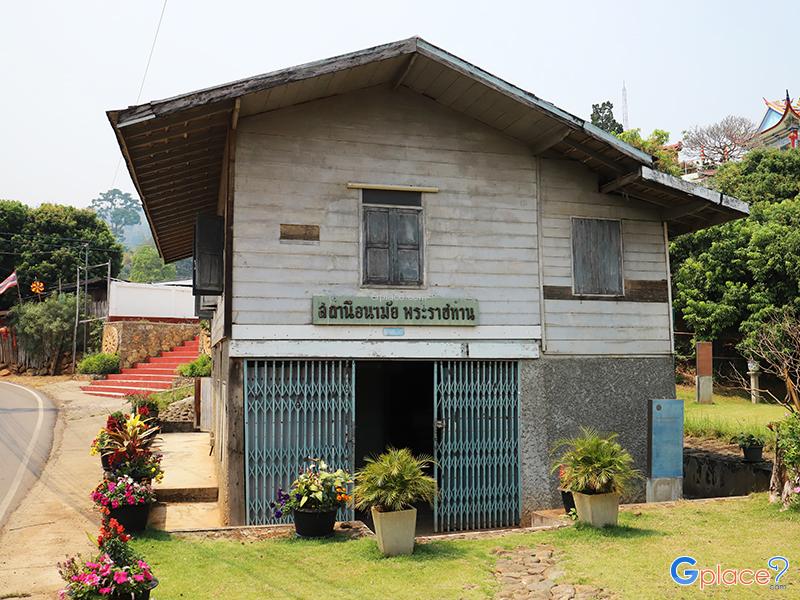

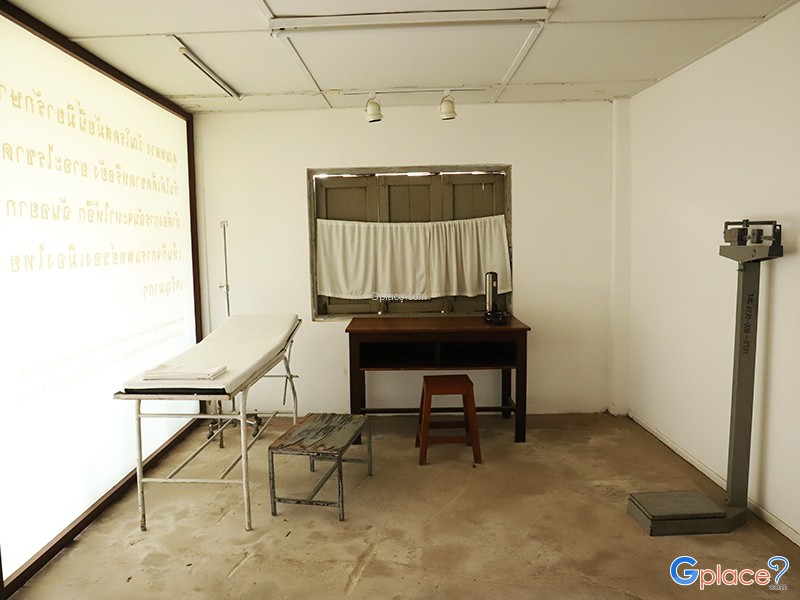
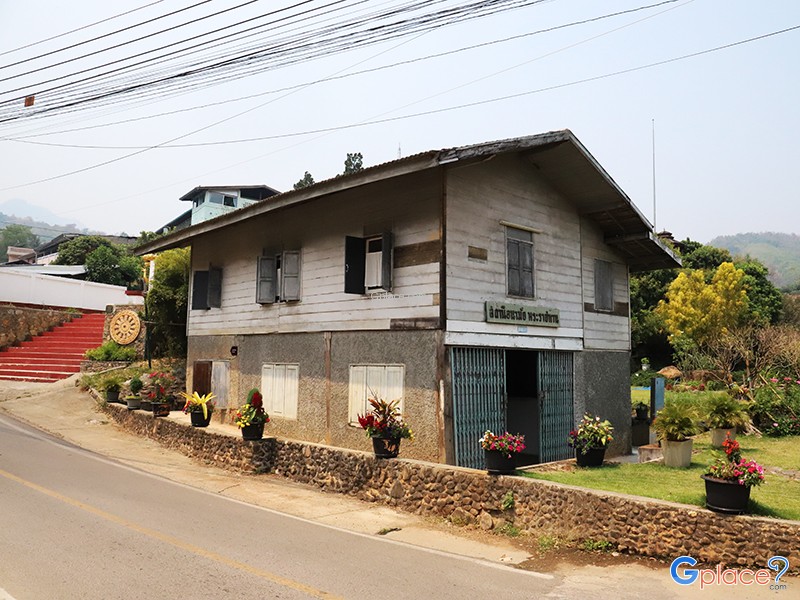
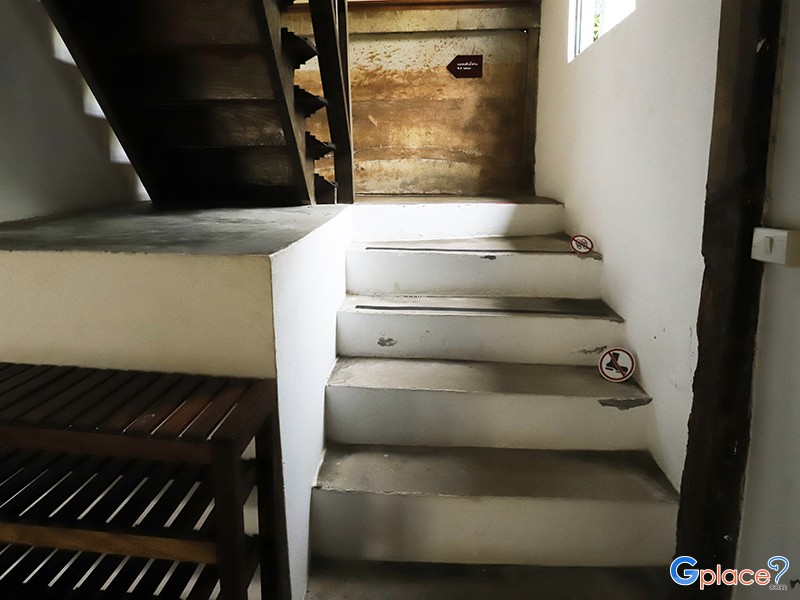
“A royal health station serving Ban Yang Community, reflecting royal initiatives in highland public health.”
Ban Yang Royal Health Station (Ban Yang Royal Health Station) is an important site reflecting the royal initiative to improve the quality of life for people in remote areas of Fang, Chiang Mai. It emerged within the same development context as Doi Ang Khang, the establishment of the Ang Khang Royal Agricultural Station, and Royal Food Factory No. 1 (Fang), all of which aimed to create stable livelihoods, reduce poverty, and sustainably improve living conditions for people in the highlands.
In the past, traveling into Ban Yang Community was difficult. Roads were not as convenient as they are today, and people who needed to see a doctor or receive treatment often had to travel long distances to Fang town or other areas with hospitals. Having a health station within the community helped reduce limitations related to distance, time, and the cost of accessing healthcare, especially for farming families, Royal Food Factory staff, and villagers living in the surrounding mountain areas.
Ban Yang is a multicultural community where Thai locals, highland Thai people, Yunnanese Chinese, and Muslims live together. The establishment of the Royal Health Station therefore meant more than constructing a medical building; it brought essential public health services closer to people from all groups, regardless of ethnicity, language, or way of life. It enabled the community to access healthcare appropriate to the terrain and local context.
The key responsibilities of the health station in its early years included treatment for common illnesses, first aid, maternal and child healthcare, immunization, nutrition guidance, personal hygiene education, as well as prevention and surveillance of communicable diseases. These services played a major role in rural and highland areas, which in the past faced limitations in clean water, sanitation, and knowledge of disease prevention.
Public health development in Ban Yang was also closely linked with livelihood development. As villagers earned income from agriculture, temperate-climate crop cultivation, and work related to the Royal Food Factory, greater household economic stability enabled them to take better care of their health and quality of life. At the same time, having a local health service unit helped support residents’ physical well-being and readiness to work continuously. This was therefore a form of development connecting health, livelihoods, and community strength.
Ban Yang Royal Health Station is also evidence of the holistic development approach under royal initiatives. It did not focus only on solving immediate problems, but considered the foundations of people’s lives, including food, income, education, the environment, and access to medical care. The presence of a health station in the community gave local people confidence that, when illness or basic emergencies occurred, there would be a nearby unit able to provide assistance and coordinate further treatment when needed.
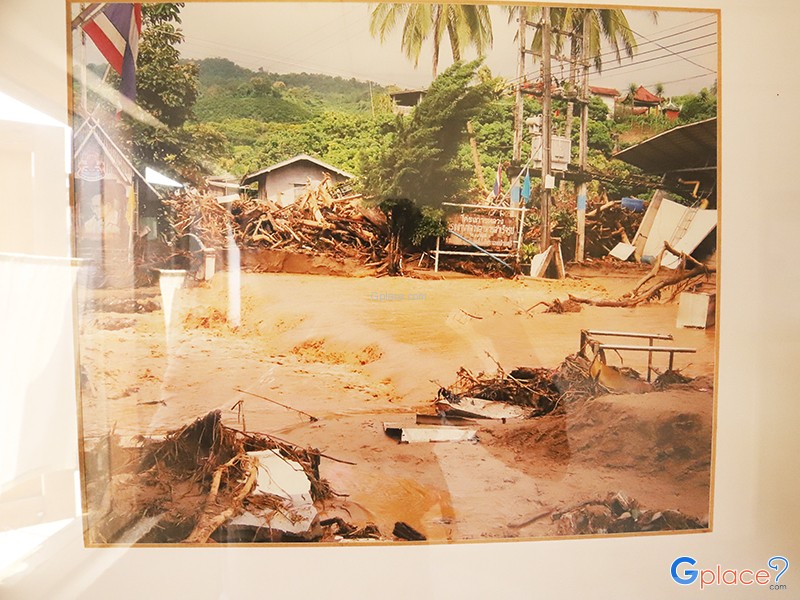
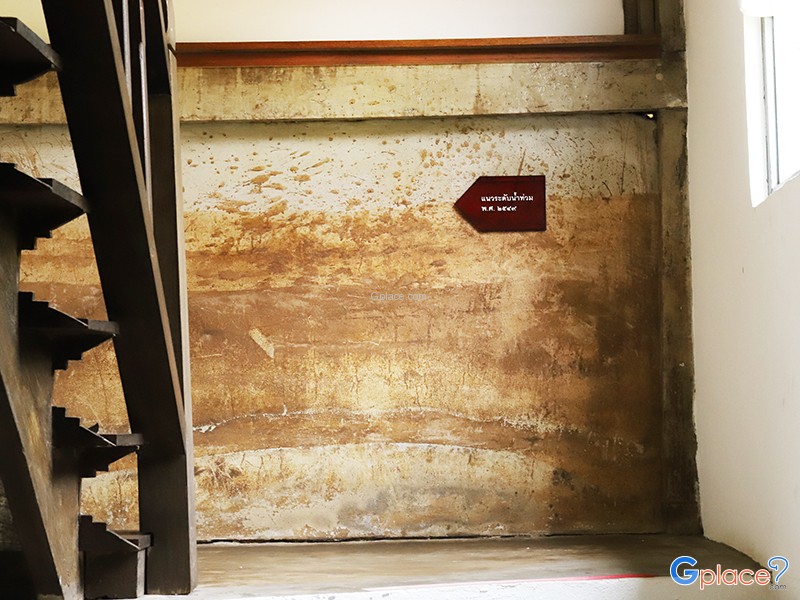
Later, in B.E. 2549 (2006), Ban Yang Community was severely affected by a major flash flood and mudslide. Homes, public buildings, and important community areas, including this health station, were seriously damaged. The event reflected the vulnerability of communities located near mountain slopes and waterways, while also demonstrating cooperation in restoring the area among government agencies, relevant organizations, and the local community.
After restoration, the health station building was improved to suit modern use and was upgraded into Ban Yang Subdistrict Health Promoting Hospital, or Ban Yang SHPH. Its role expanded to include basic medical treatment, health promotion, disease prevention, public health monitoring, care for mothers and children, older persons, patients with chronic diseases, and coordination for patient referrals to hospitals with higher treatment capacity when necessary.
Today, this place remains an active healthcare service unit for Ban Yang Community, so the inside of the building is not directly a tourist attraction. However, visitors may appropriately view the atmosphere around the exterior and learn about the site’s historical importance, especially when visiting together with the nearby Royal Factory 1 Museum (Fang). The museum provides content that helps explain the overall development of Ban Yang Community, including agriculture, community industry, local ways of life, and public health.
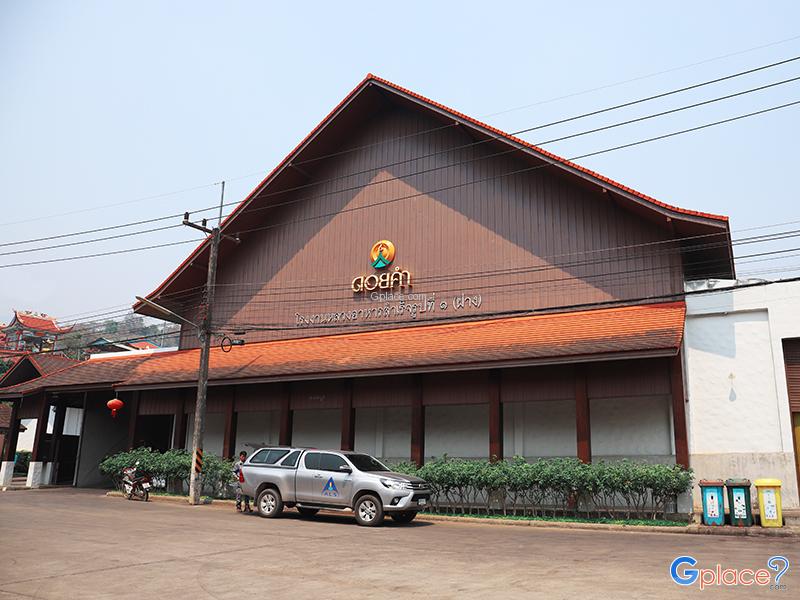
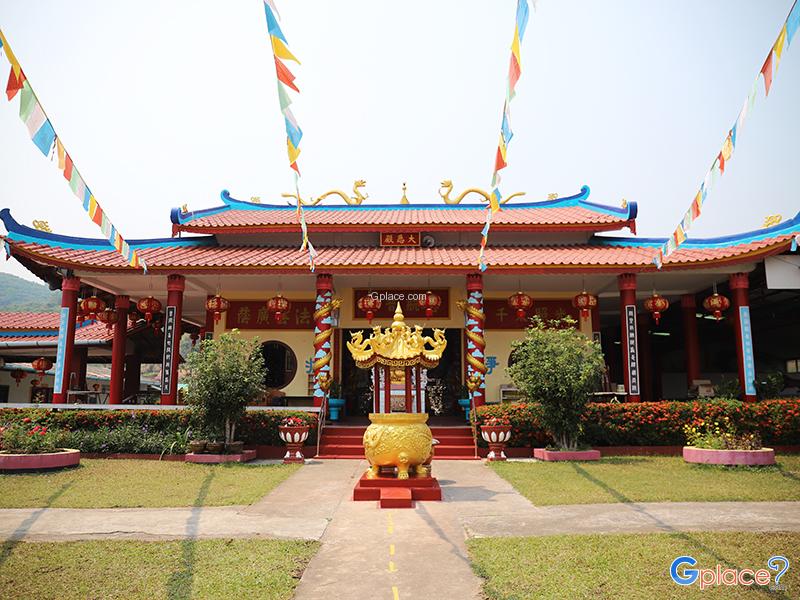
A walk around the surrounding area can also connect to Royal Food Factory No. 1 (Fang), Doi Kham shops, and Ban Yang Guanyin Shrine. This route is suitable for visitors interested in educational tourism and local history, as it helps illustrate that Ban Yang’s development did not result from only one project, but from the combined work of multiple components to concretely improve the lives of people in the highlands.
How to Get There
- By Private Car: Use the same route as traveling to Royal Food Factory No. 1 (Fang). Drive along Highway No. 107, then turn onto the route to Doi Ang Khang, Highway No. 1249. Continue for approximately 6 kilometers to reach Ban Yang Community. The building is located near the Royal Factory 1 Museum, Royal Food Factory No. 1, and the community’s central parking area.
- By Public Transportation: Take a bus and get off near Wat Hat Samran, or at the entrance to the Doi Ang Khang route. Then continue by motorcycle taxi or local songthaew into Ban Yang Community.
Travel Tips
- View only the exterior: The building remains an active healthcare facility. Visitors should view and photograph only the exterior areas without disturbing patients or staff.
- Start at the Royal Factory 1 Museum: Visit the museum first to understand the history of Ban Yang Community, the Royal Food Factory, and the Royal Health Station.
- Explore Ban Yang Community fully: Continue on foot to Royal Food Factory No. 1, Doi Kham shops, and Ban Yang Guanyin Shrine along the same route.
- Respect the healthcare setting: Avoid photographing patients, medical personnel, or interior service areas without permission.
- Ideal for historical learning travel: Plan a visit together with key sites along the Doi Ang Khang route to experience the continuing story of highland development.
Admission Fee:
- Free of charge. There is no fee to walk around the exterior of Ban Yang Royal Health Station.
- However, the interior area of Ban Yang Subdistrict Health Promoting Hospital is a healthcare service area and is not open as a tourist attraction.
Opening Hours:
- The Ban Yang Subdistrict Health Promoting Hospital is open Monday–Friday from 8:30 AM to 4:30 PM.
- The exterior area and Ban Yang Community can be visited daily. Visitors should respect the quiet atmosphere of the area and avoid disturbing staff members or people receiving services.
Ban Yang Royal Health Station

 Share
Share
 Moo. 12, Mae Ngon, Fang, Chiang Mai 50320
Map
Moo. 12, Mae Ngon, Fang, Chiang Mai 50320
Map
 Closed today
Mon8.30 - 16.30
Tue8.30 - 16.30
Wed8.30 - 16.30
Thu8.30 - 16.30
Fri8.30 - 16.30
Sat -
Sun -



 31
31
Recommend trips
All reviews
(List 0 review)Nearby Places
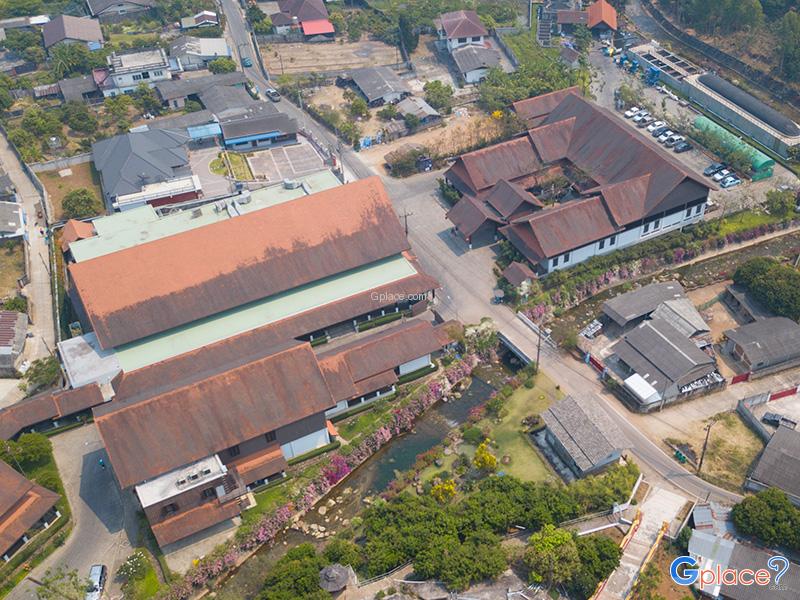
 Organic Vegetable Demonstration Plots and Temperate Crop Gardens Ang Khang Royal Agricultural Station
(List 0 review)
Distance 8.49 Kilometer