 Attractions
  Hotel
Hotel  Restaurant
  Shopping
  Abroad







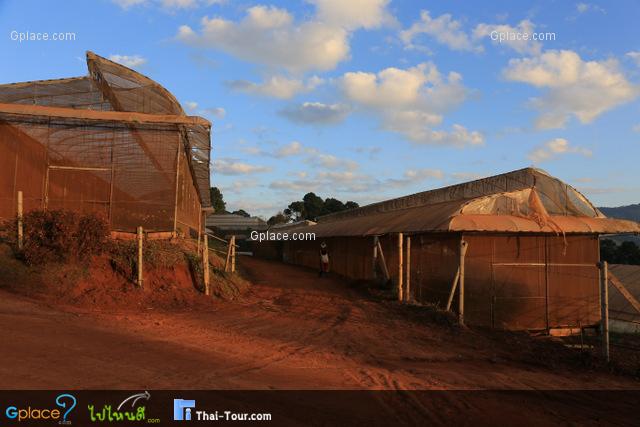

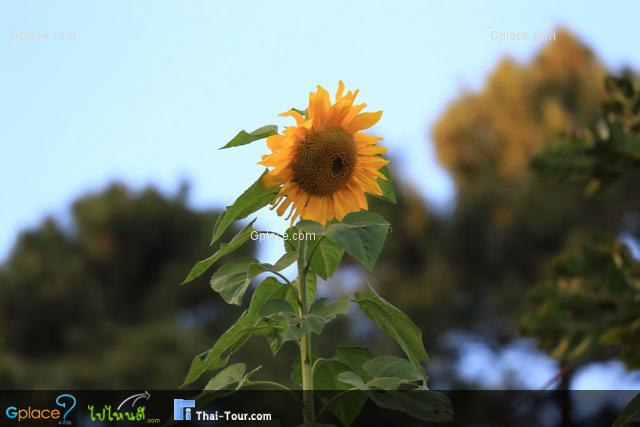


“A wonderland in the heart of a valley that transformed bald mountains into vibrant winter flower gardens and the most magnificent temperate crop plantations all year round.”
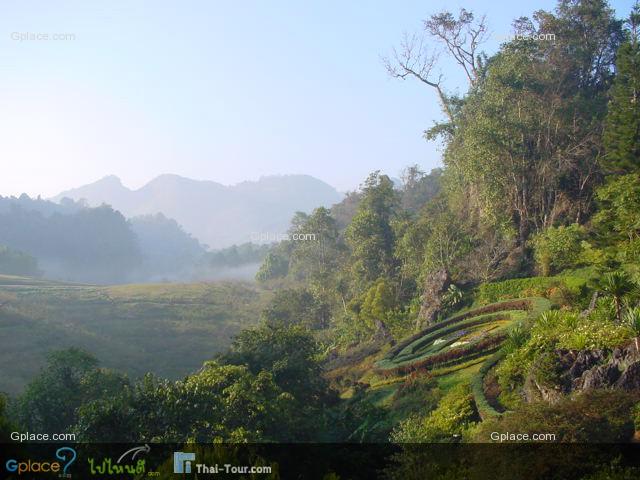
Doi Ang Khang possesses a deeply valuable history as the site of the Ang Khang Royal Agricultural Station, the first royal agricultural research station established by King Bhumibol Adulyadej the Great (Radama IX) in 1969. The creation of this station began when His Majesty traveled through opium fields and witnessed the shifting cultivation practiced by hill tribes. He initiated a royal project to transform these "grey areas" into research centers for temperate plants, creating sustainable careers to replace opium cultivation. This eventually led the land to be called "Ang Khang," which means "rectangular basin," reflecting its unique topography as a valley surrounded by mountains.
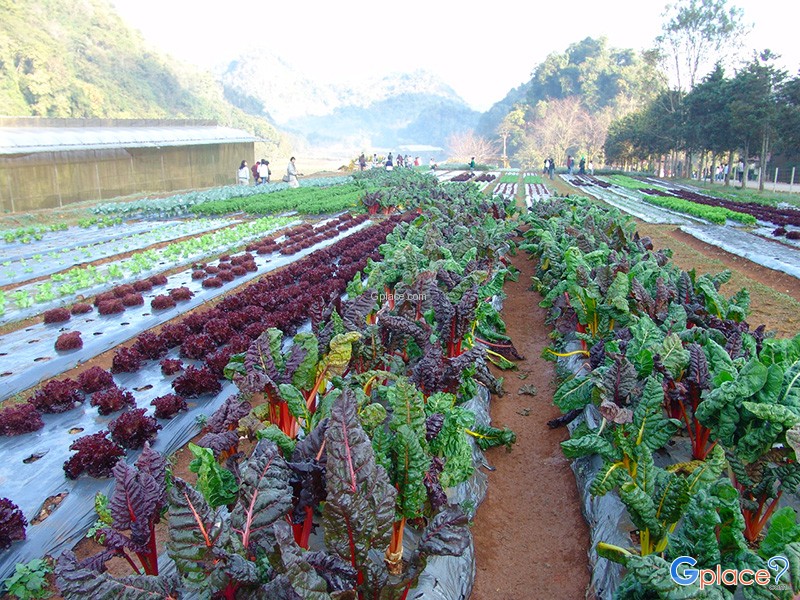
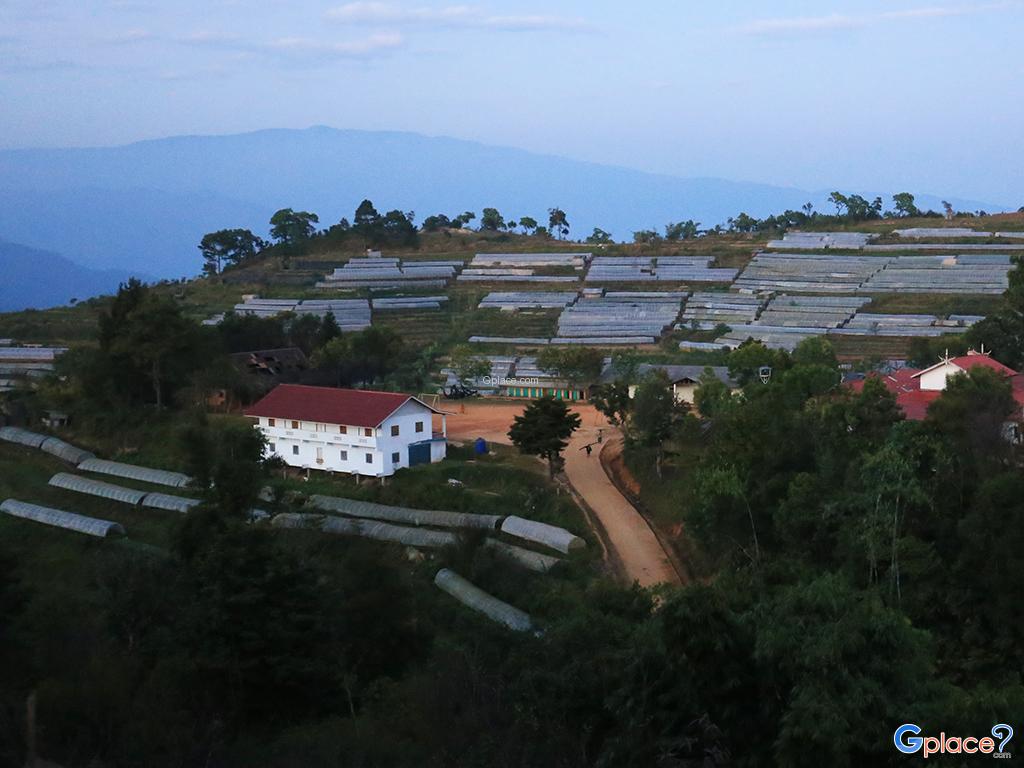
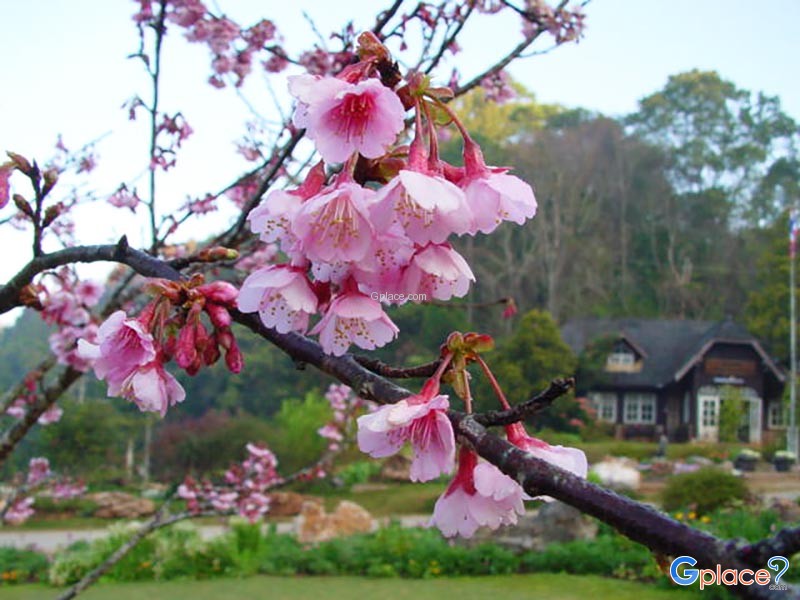
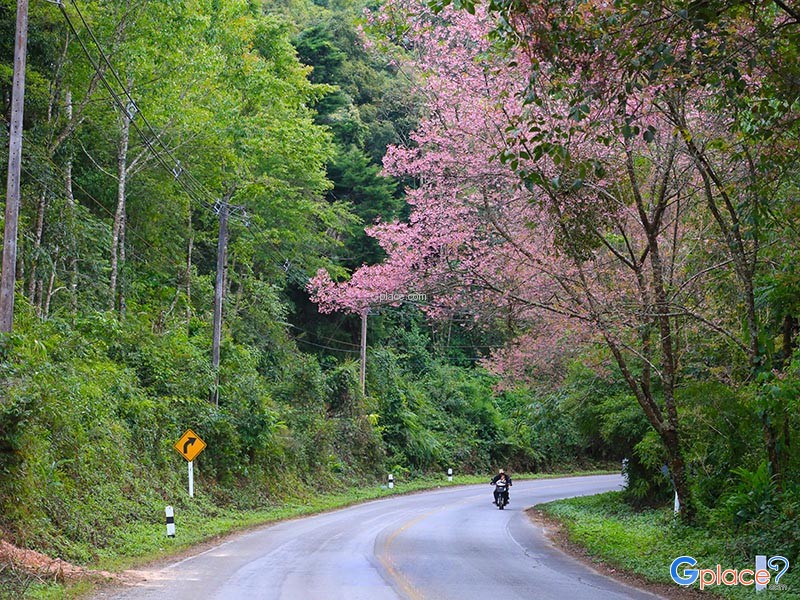
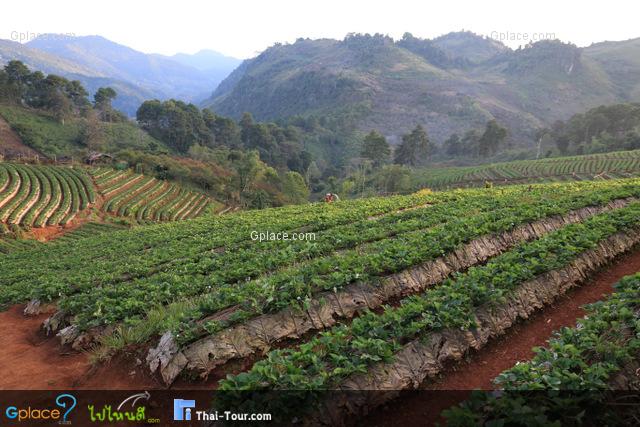
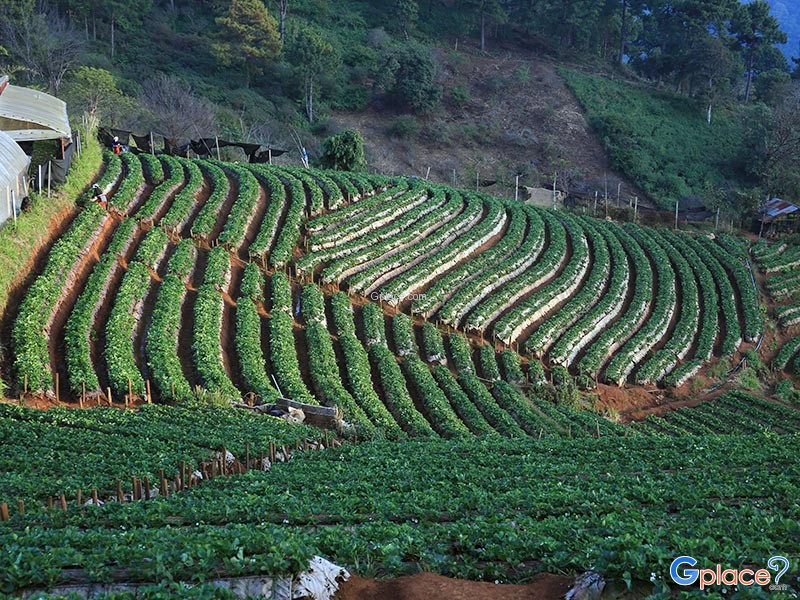
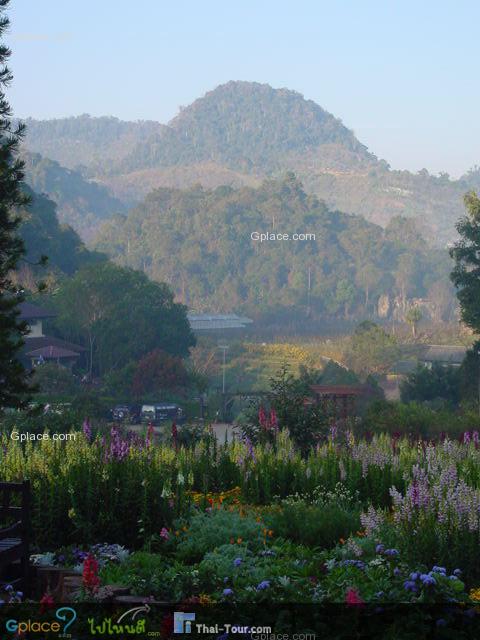
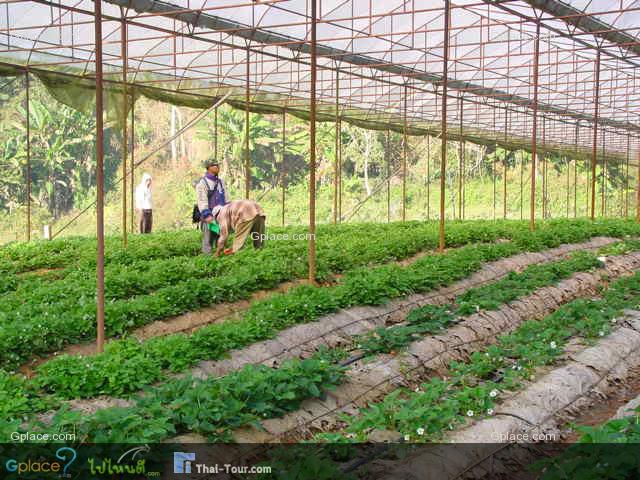
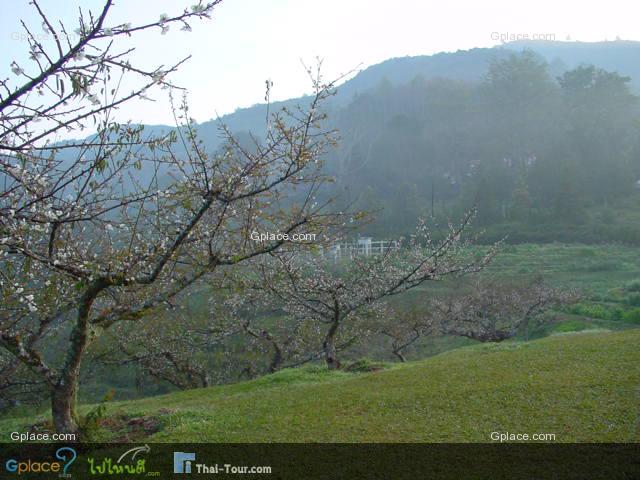
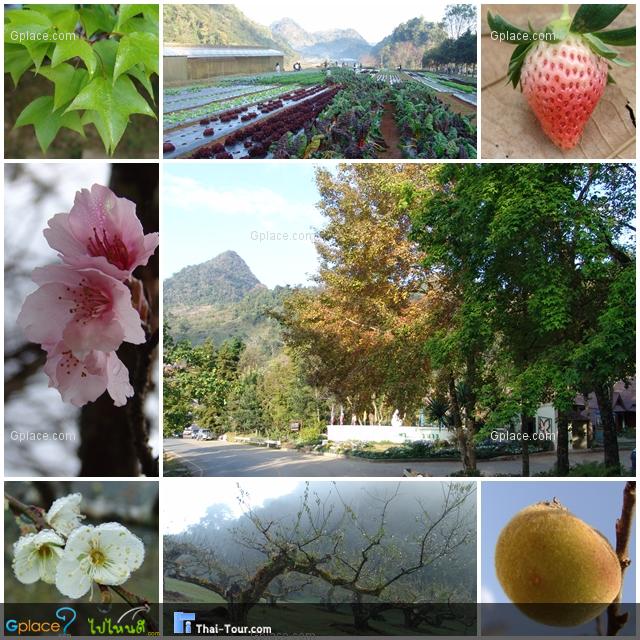
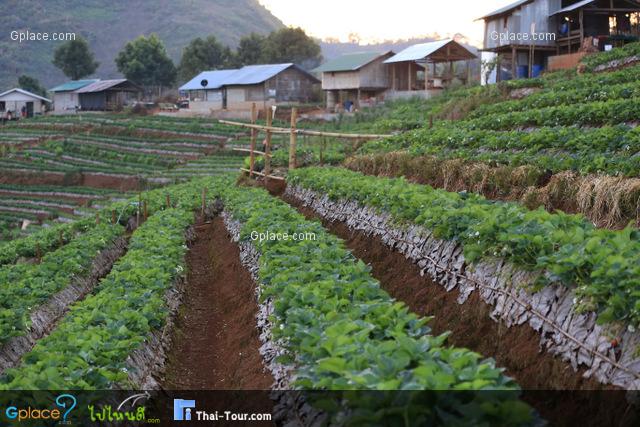
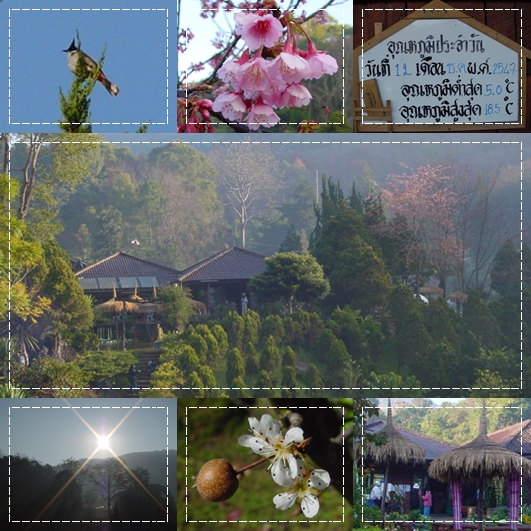
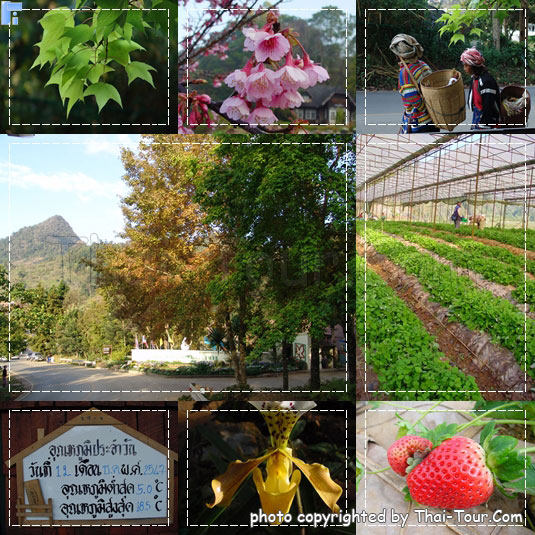
Inside Doi Ang Khang, there are numerous fascinating attractions, starting with the 80th Anniversary Garden, a popular highlight that gathers various winter flowers such as ornamental cabbages, tulips, and the indispensable authentic Japanese Sakura and Wild Himalayan Cherries that bloom in pink hues across the mountain. Additionally, there are plum and peach orchards that offer an international atmosphere, as well as temperate vegetable plots planted in beautiful terraces along the slopes, particularly the organic vegetable plots where visitors can observe modern cultivation methods.
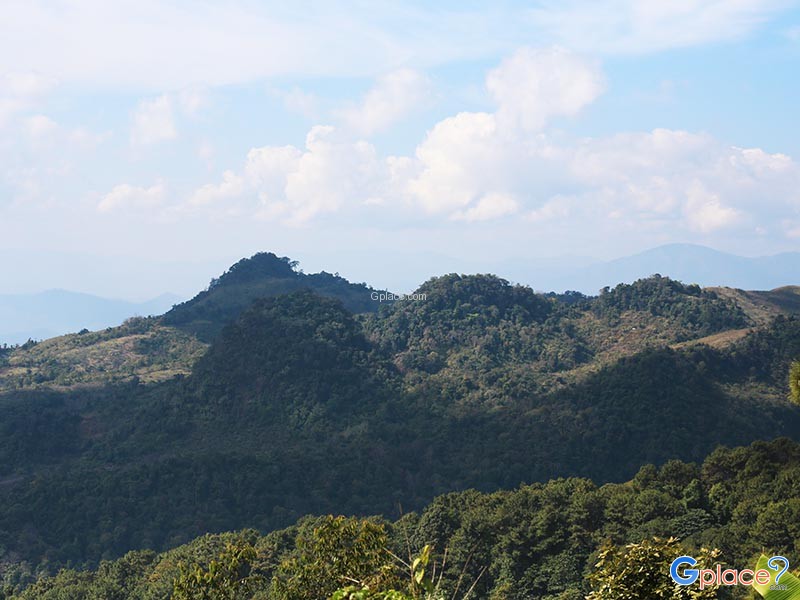
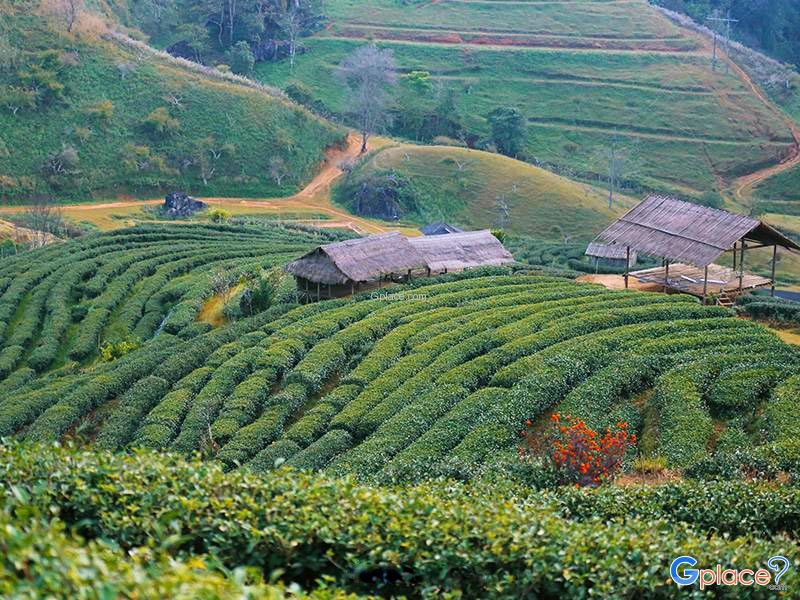
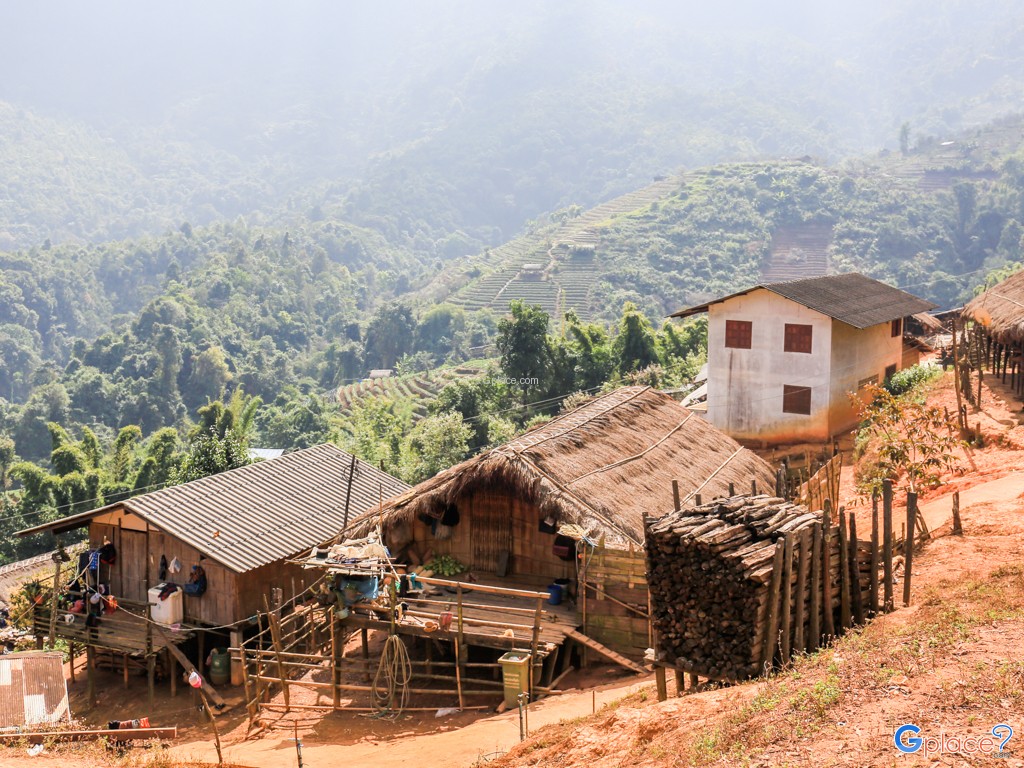
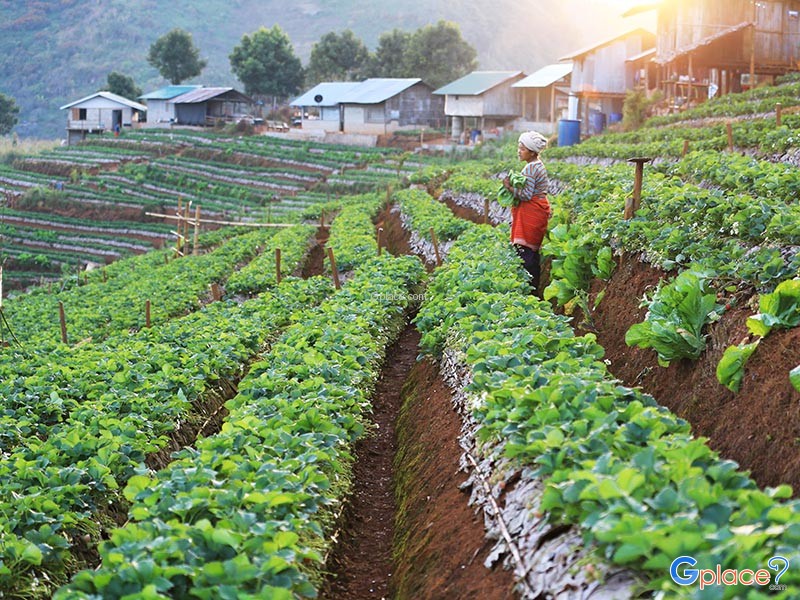
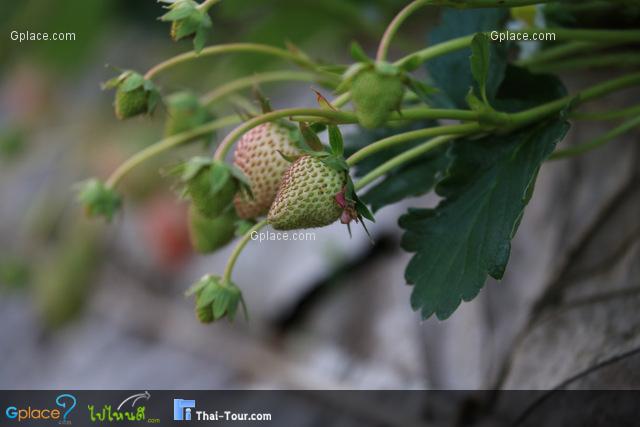
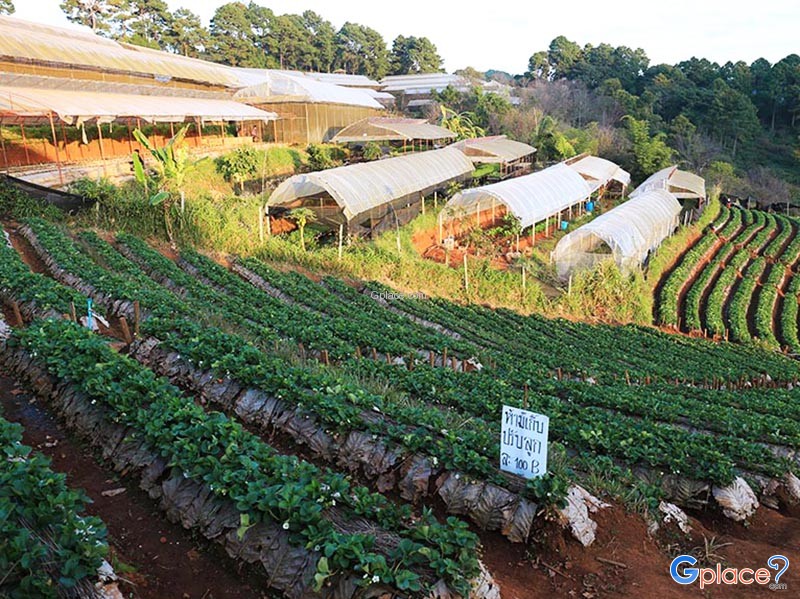
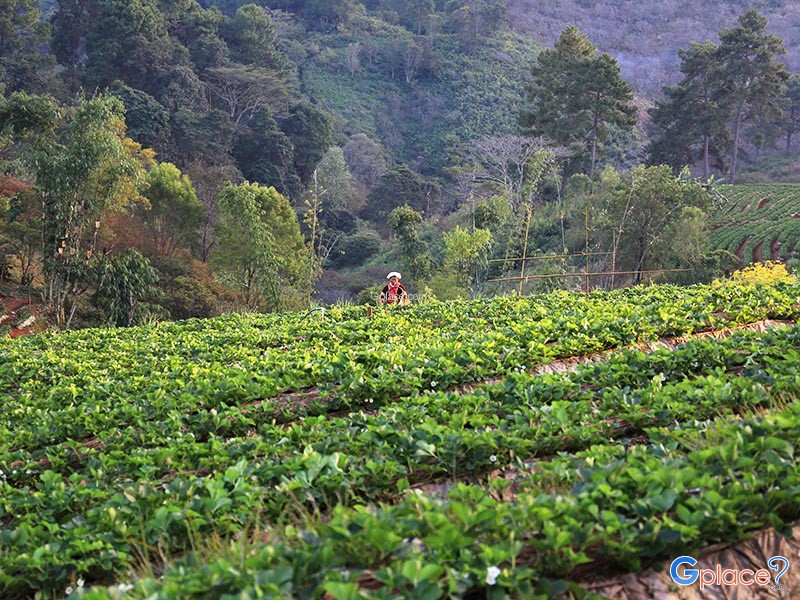
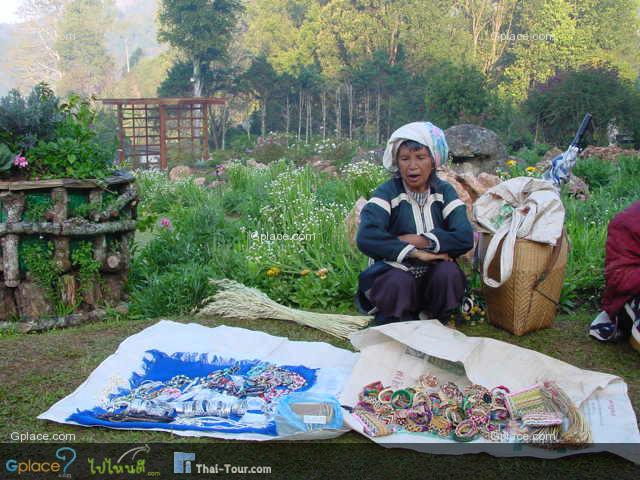
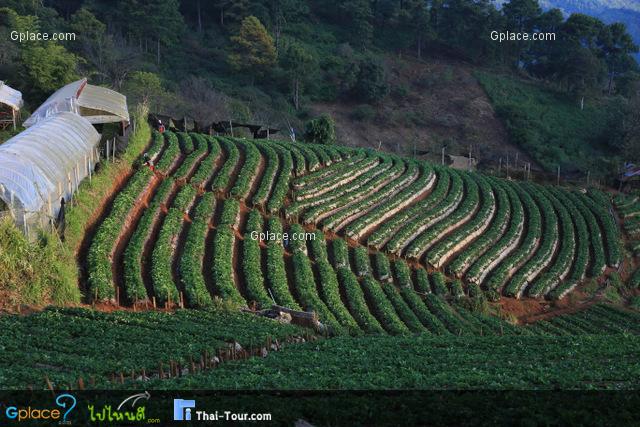
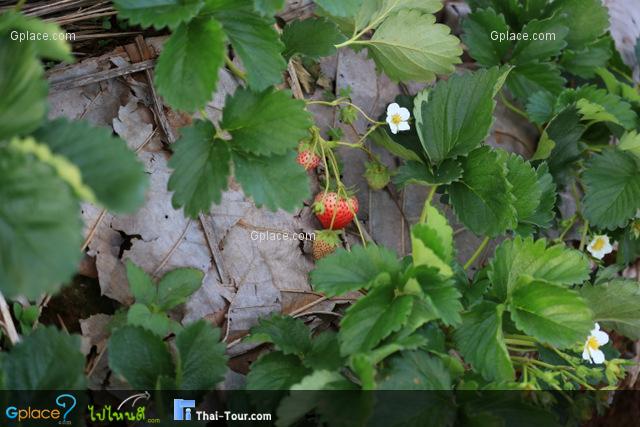
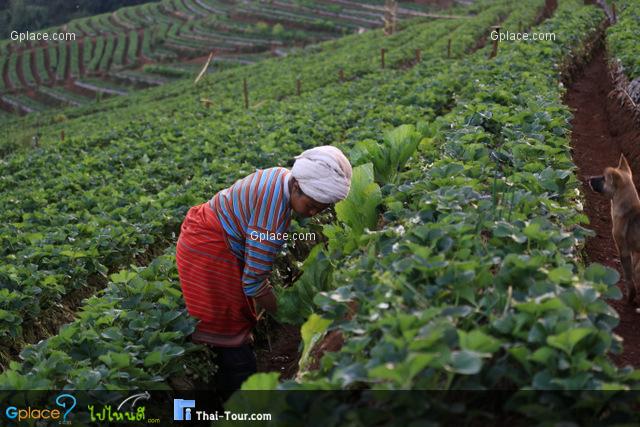
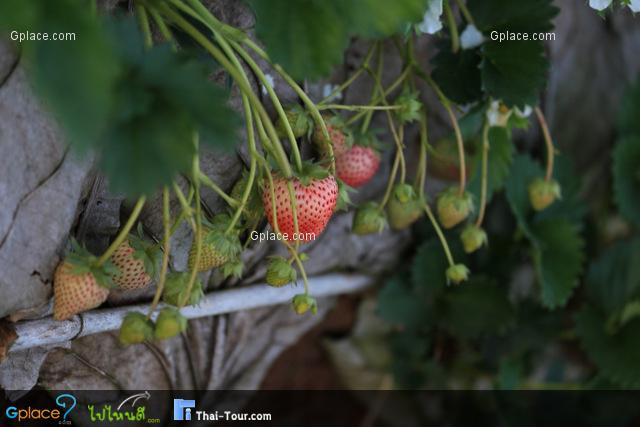
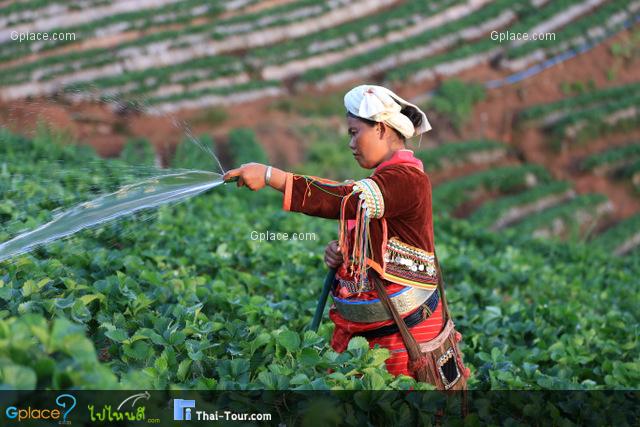
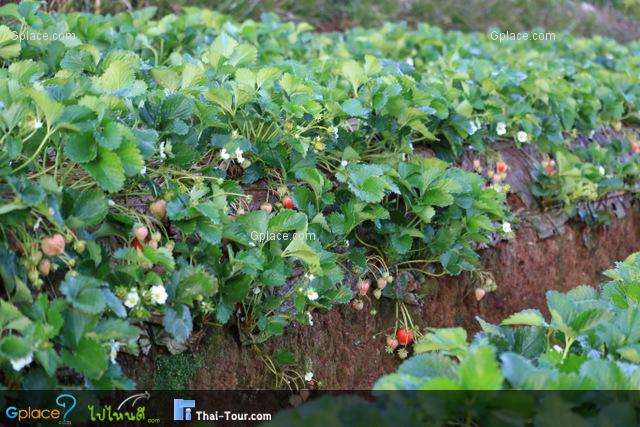
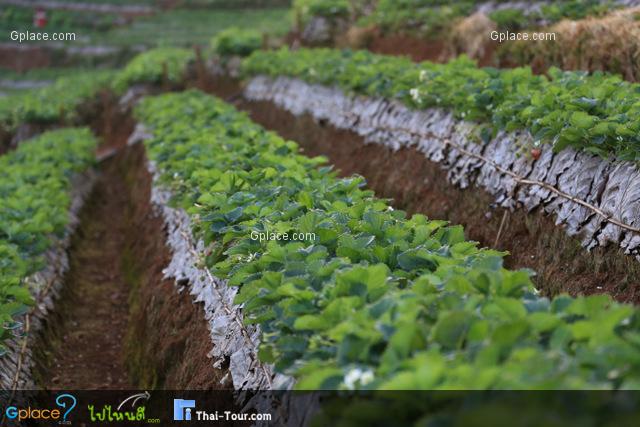
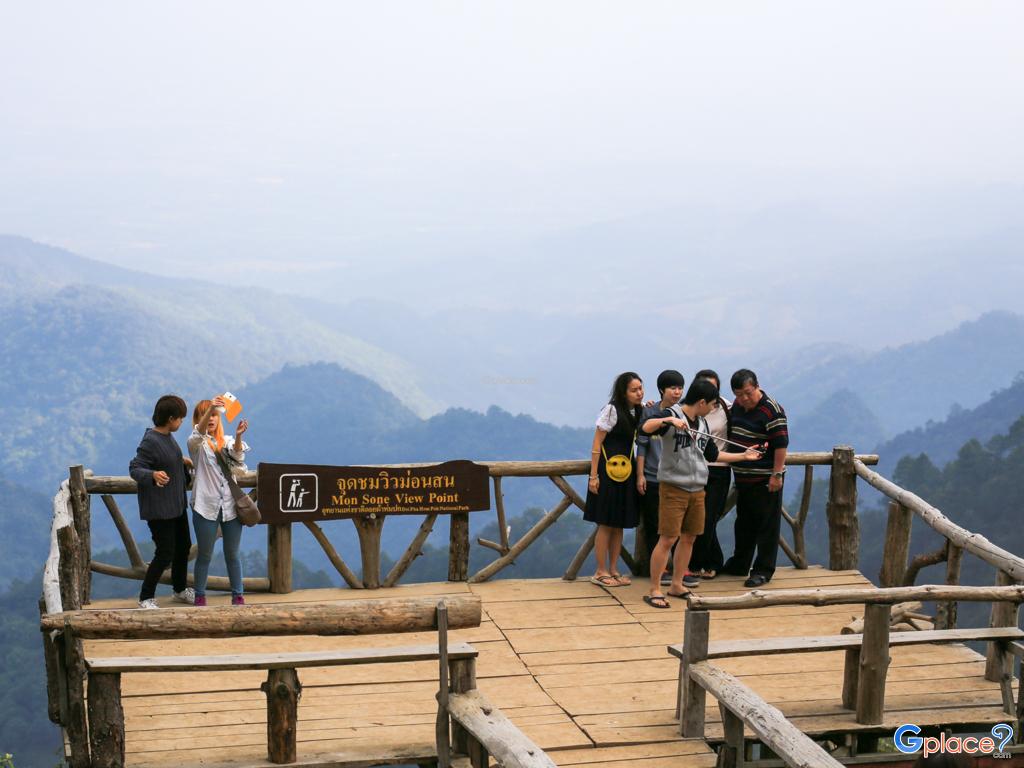
For nature and lifestyle enthusiasts, a must-visit check-in point is the Ban No Lae Strawberry Plantation, a terraced plantation on a hillside that stretches as far as the eye can see. Visitors can witness the lifestyle of the Palong hill tribe harvesting produce in the early morning amidst the sea of mist flowing through the slopes. Furthermore, there is the Mon Sone Viewpoint, one of the most beautiful spots in Chiang Mai to camp and watch the sunrise, offering clear views of the complex mountain ranges. On extremely cold days, one might even see "Mae Khaning" or hoarfrost covering the grass in delicate white crystals.
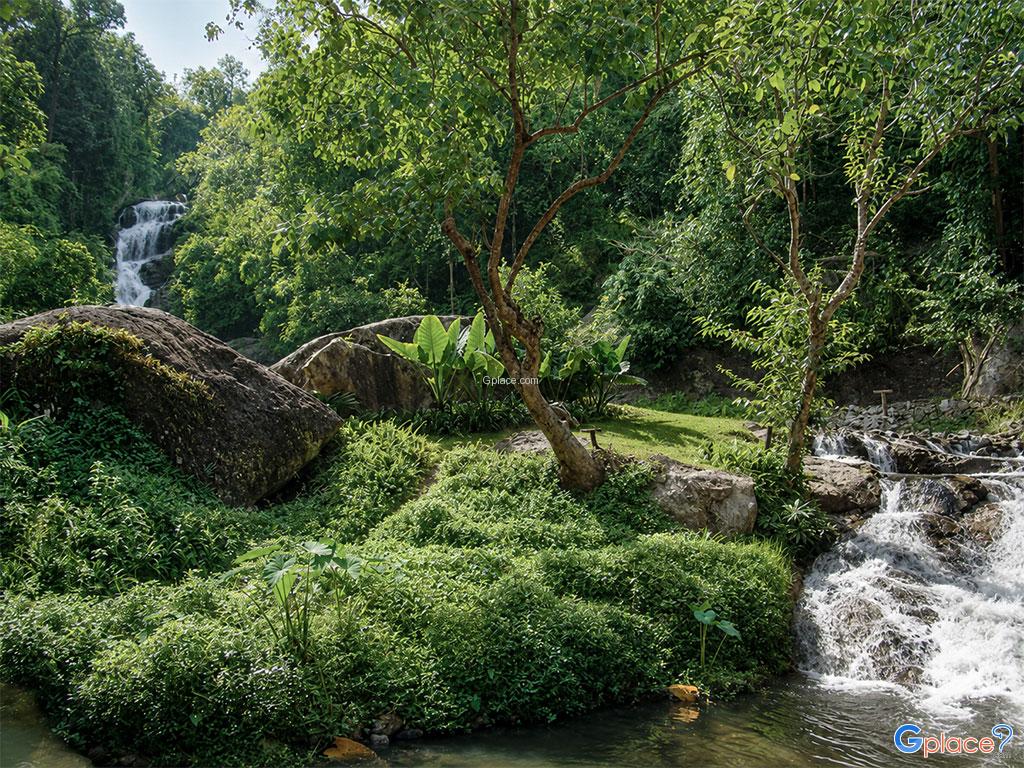
The standout feature of visiting Ang Khang is experiencing the cold weather throughout the year; even in summer, the air here remains fresher than in the lowlands. Inside the station, there are complete nature trails where visitors can find giant trees and rare forest flora. The Ang Khang Club is also ready to serve meals prepared from fresh Royal Project ingredients, such as Rainbow Trout or fresh crispy salads, providing an excellent dining experience in the valley for foodies and health lovers alike.
Today, Doi Ang Khang remains a significant landmark for photographers, hikers, and families, equipped with accommodations, food, and breathtaking views in every direction—whether it be the pink flower tunnels or lush green vegetable plots. Every step on this mountain is a lesson in the success of royal agricultural research that brought life back to the people and the forest. It is truly a place that replenishes the spirit and brings happiness to all visitors.
We invite you to experience the cold breeze and the story of transforming this land into the most beautiful "heaven on earth" in the North, through every season.
How to Get There
-
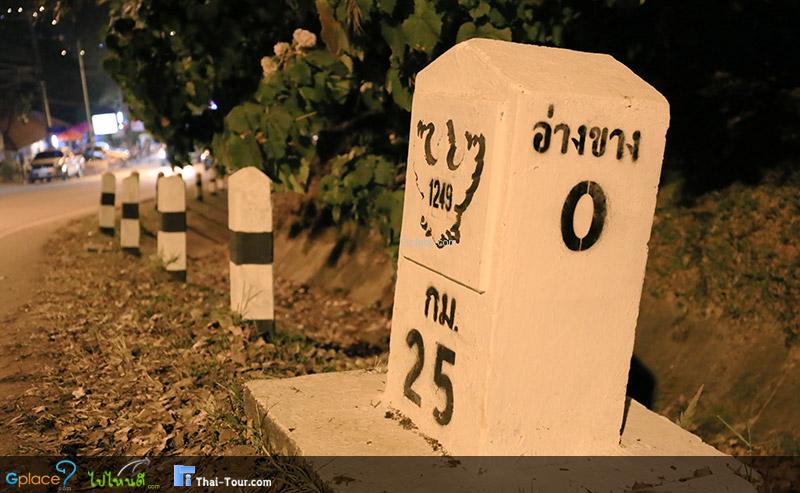
Private Car: Use the Chiang Mai-Fang route (Highway 107) until KM 137, then turn left into Highway 1249. The route is very steep and winding; the driver must be highly experienced.
-
Public Transport: Take a bus or van on the Chiang Mai-Fang line from Chang Phuak Bus Station. Get off at the entrance to Doi Ang Khang (Wat Hat Samran intersection) and take a local songthaew (red truck) up the mountain.
-
Caution: During winter, traffic is heavy and the mountain road is very steep. Check your brakes and engine thoroughly before traveling.
Travel Tips
-
Best Visiting Season: December to January to see the Sakura and Wild Himalayan Cherries; February to April is the strawberry harvest season.
-
Preparation: Bring thick winter clothing even if it is not winter, as the temperature on the peak is often 10-15°C lower than the lowlands.
-
Photography: The morning light at Ban No Lae Strawberry Plantation is the most beautiful, while the Sakura tunnel offers soft light during late morning.
-
Food: Don't miss the stir-fried Chayote leaves and dishes made with fresh Shiitake mushrooms from the Royal Project; the taste is sweeter and crispier than usual.
-
Traveling on the mountain: The Royal Agricultural Station area is easy to explore on foot, but various viewpoints are far apart. A private car or hiring a local songthaew is recommended.
Admission Fee:
-
Individual: 50 THB per person
-
Vehicle: 50 THB per car
Opening Hours:
-
Royal Agricultural Station: 08:00 – 18:00
-
Mon Sone Viewpoint is open 24/7 for camping
Doi Angkhang

 Share
Share
 Ang Khang Royal Agricultural Station, Mae Ngon Subdistrict, Fang District, Chiang Mai
Map
Ang Khang Royal Agricultural Station, Mae Ngon Subdistrict, Fang District, Chiang Mai
Map
 Closed today
Mon8.00 - 18.00
Tue8.00 - 18.00
Wed8.00 - 18.00
Thu8.00 - 18.00
Fri8.00 - 18.00
Sat8.00 - 18.00
Sun8.00 - 18.00

 https://www.thai-tour.com/attraction/ดอยอ่างขาง/

 34418
34418
Recommend trips
- 20 Must-Visit Places in Chiang Mai
- 14 จุดสุดแสนโรแมนติค เชียงใหม่รับลมหนาว
- สถานที่นอนดูดาว แสนโรแมนติก
- ที่เที่ยวน่าหนาวกับโครงการหลวงยอดดอย
- สุโขทัย เชียงราย เชียงใหม่
- เชียงใหม่ ต้องเที่ยว
- เชียงใหม่ในดวงใจ สถานที่ท่องเที่ยว
- เที่ยวอ่างขาง ค้างคืนเดียว
- 10 ที่เที่ยว ภาคเหนือ ห้ามพลาด
- สุดยอดดอย เชียงใหม่ ที่คุณไม่ควรพลาด
- 8 ขุนเขาเชียงใหม่น่าเที่ยว
- รวมที่เที่ยวยอดนิยม 2559
- ที่เที่ยวหน้าหนาว ยอดฮิตทั่วไทย
- สุดยอด ดอยสวย ทั่วไทย
- ป่าเขา ธรรมชาติไกลสุดหล้า ต้องไปให้ได้
All reviews
(List 2 review)
รีวิวเมื่อ 13 ก.ค. 53
ถูกใจ
แชร์
รีวิวเมื่อ 13 ก.ค. 53
ถูกใจ
แชร์
Nearby Places
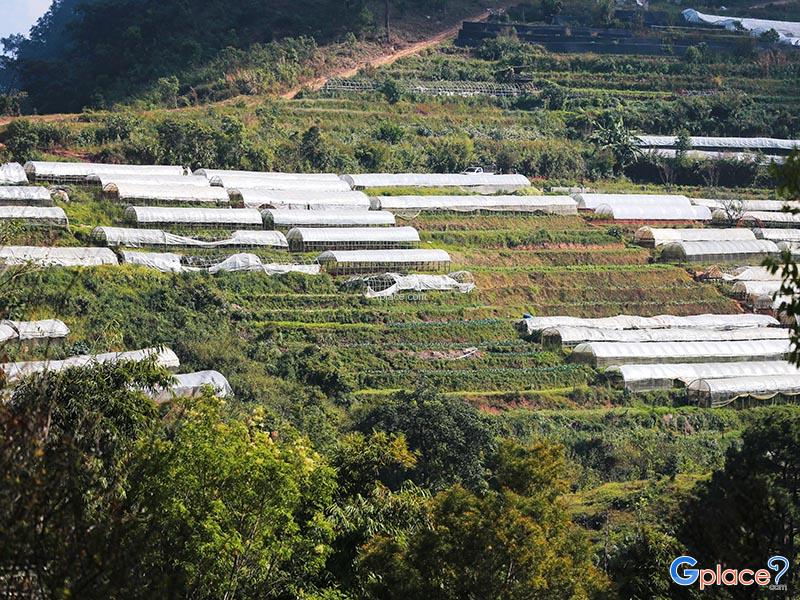 Organic Vegetable Demonstration Plots and Temperate Crop Gardens Ang Khang Royal Agricultural Station
(List 0 review)
Distance 0.27 Kilometer
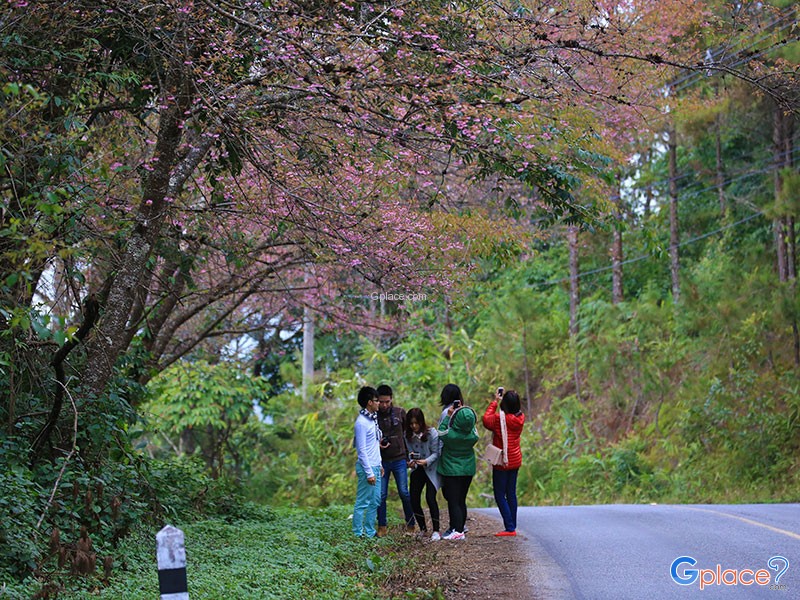
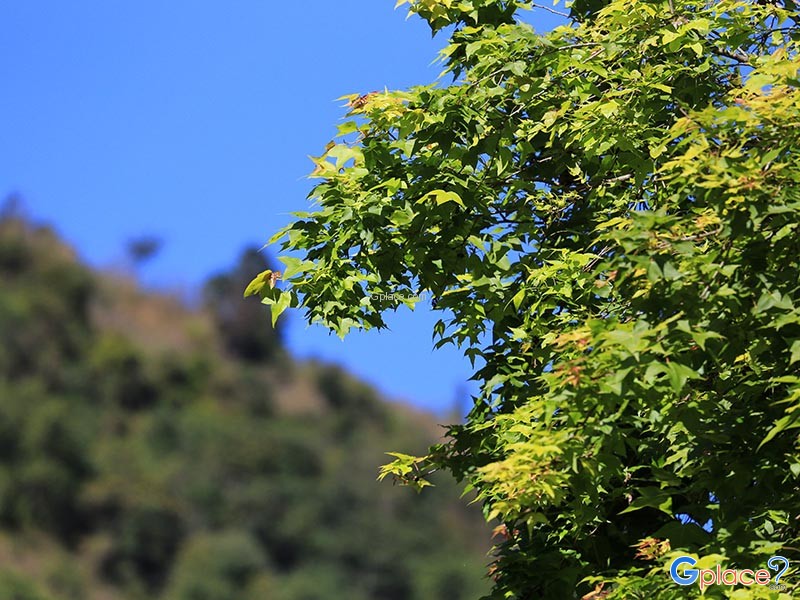
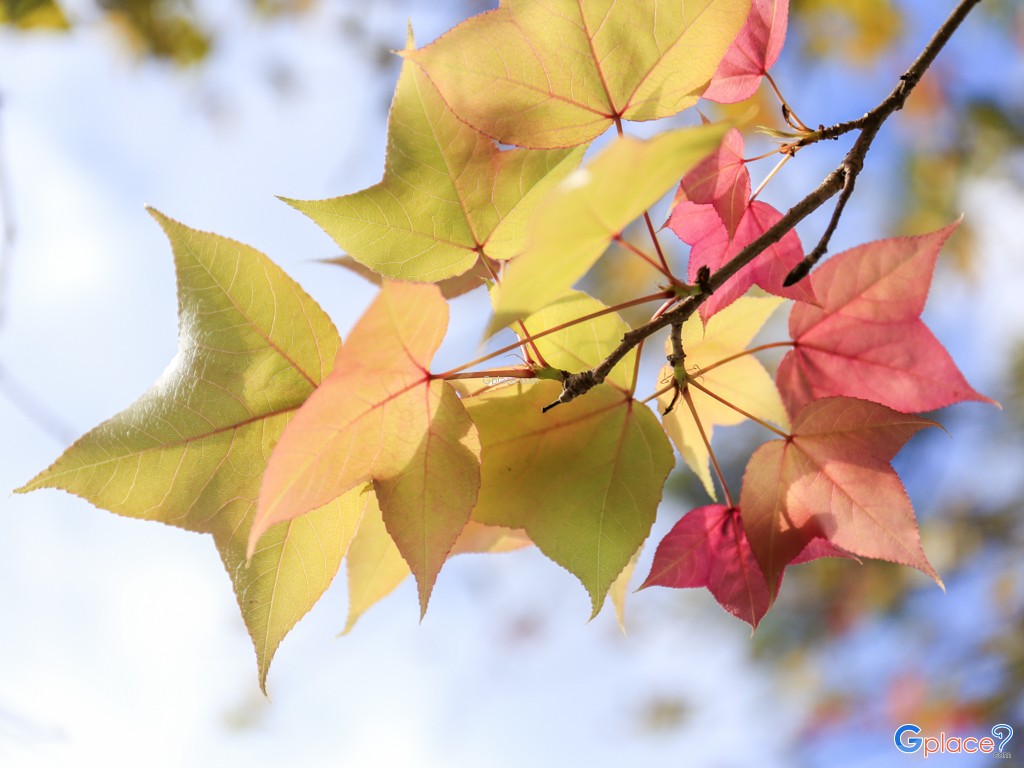 Maple Trees and Deciduous Foliage Garden Ang Khang Royal Agricultural Station
(List 0 review)
Distance 3.25 Kilometer