 Attractions
  Hotel
Hotel  Restaurant
  Shopping
  Abroad
  Nearby Places





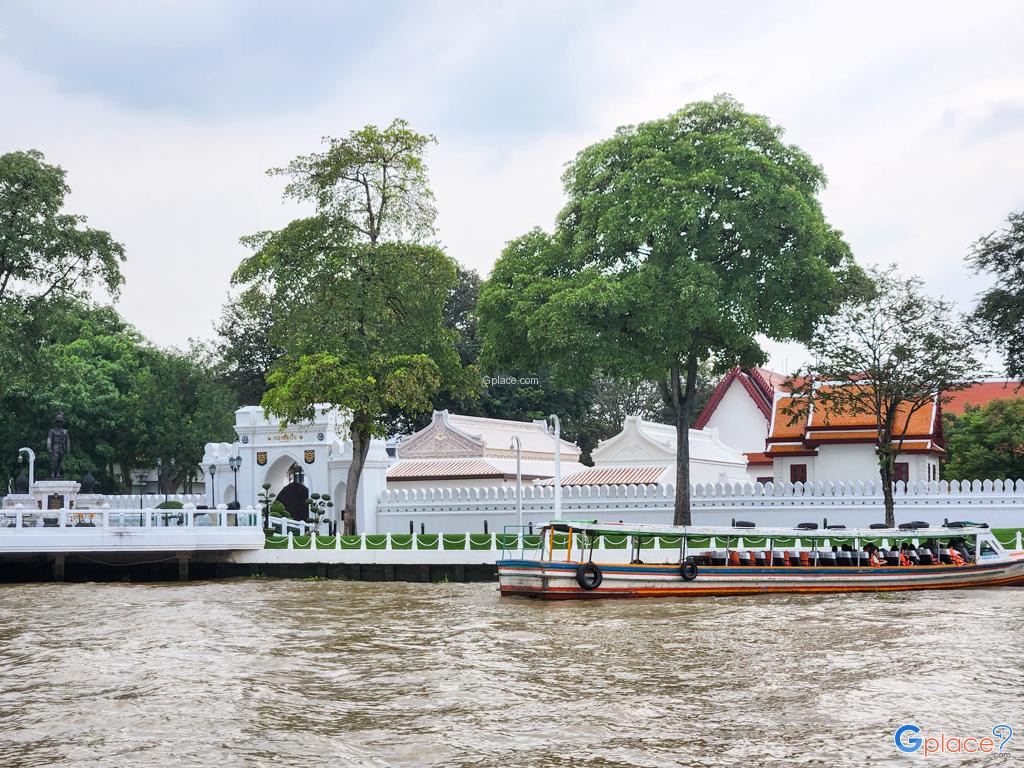

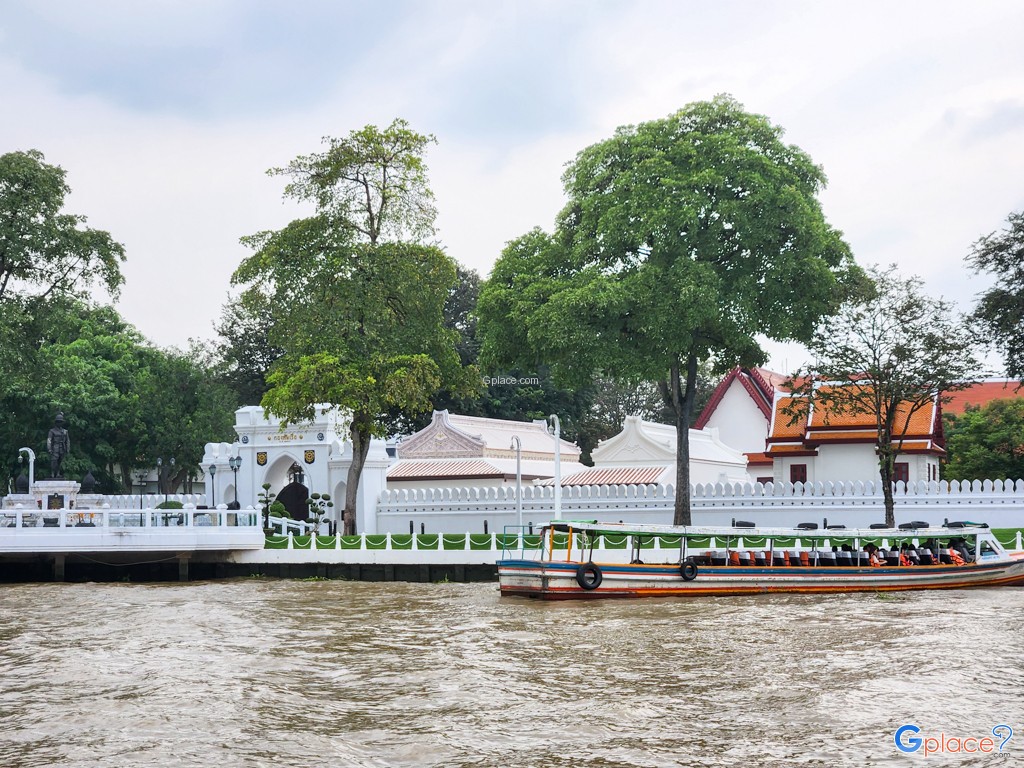
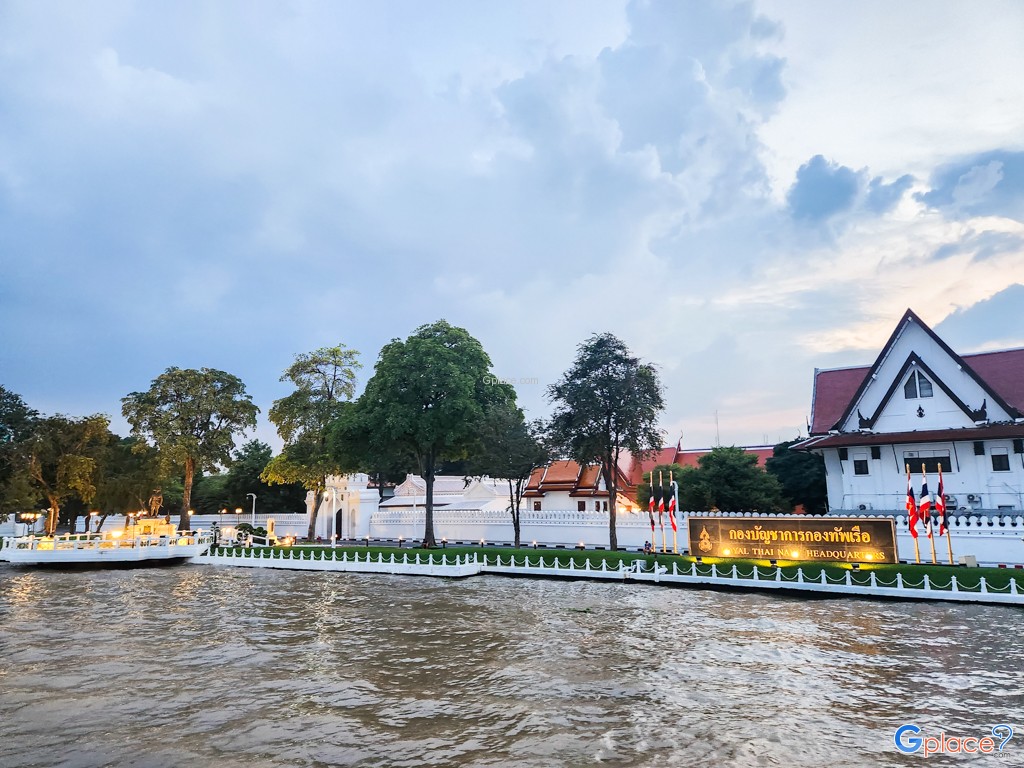
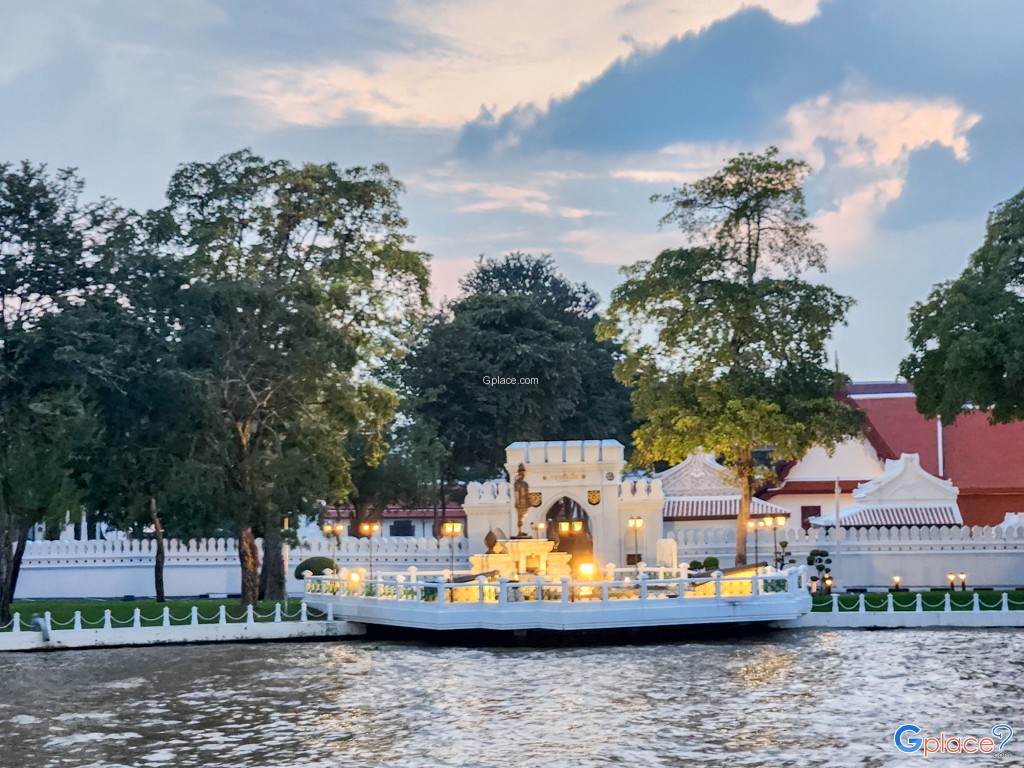
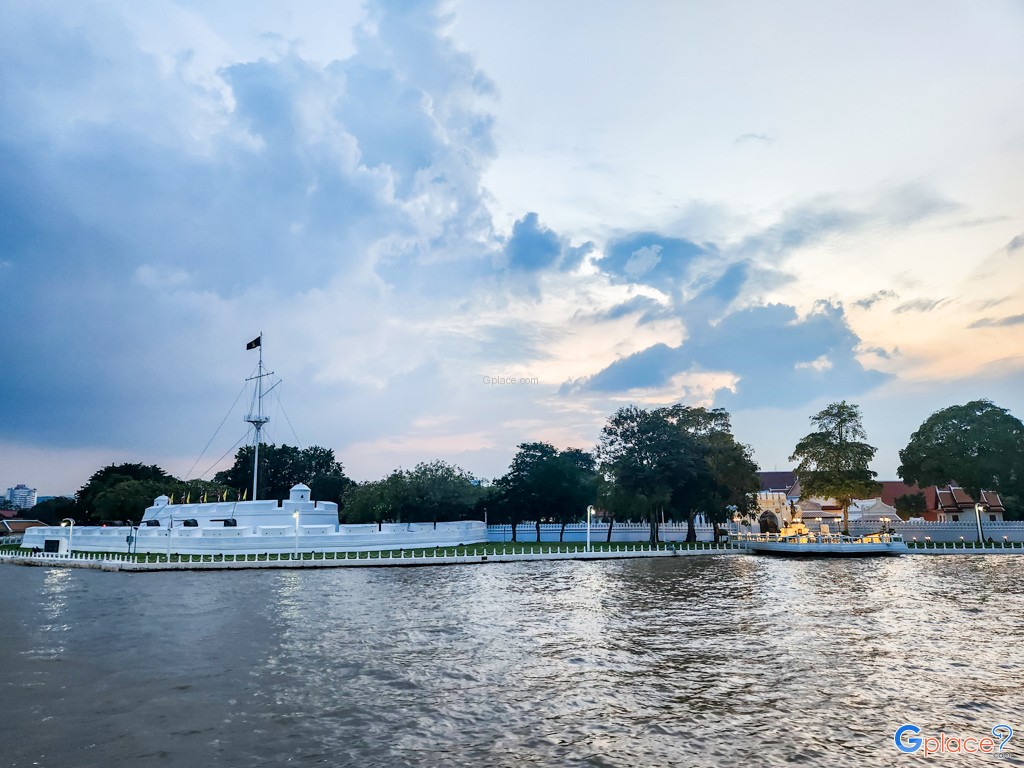
Thonburi Palace, commonly referred to as the “Old Palace,” was established in 1767 after King Taksin successfully restored Siamese independence and declared Thonburi the new capital. Its riverside location along the Chao Phraya River held significant strategic value, as it incorporated an existing fortress and commanded vital waterways. Today, the site is carefully preserved by the Foundation for the Preservation of the Old Palace in cooperation with the Royal Thai Navy.
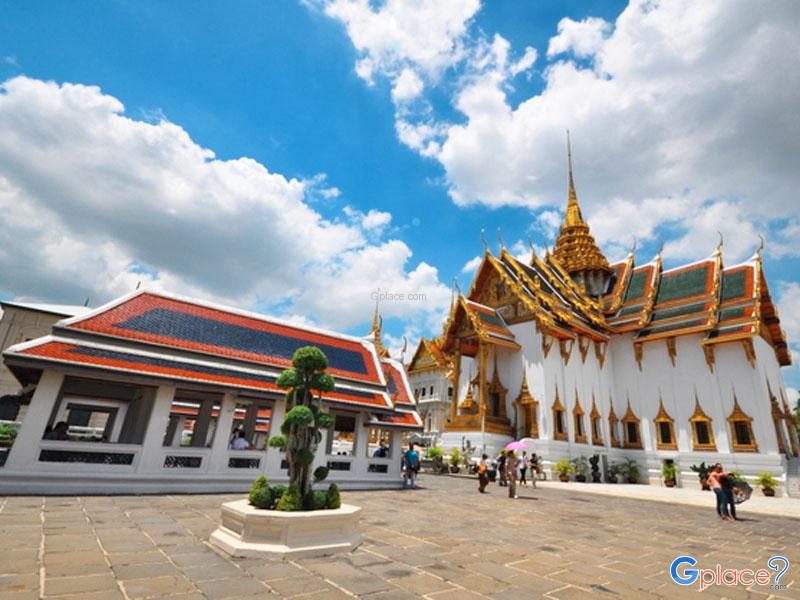
The most remarkable structure within the palace complex is the Throne Hall, a traditional Thai-style building composed of two connected royal halls. It is the only surviving throne hall from the Thonburi period that remains largely intact. Other notable structures include the Kwang Pavilion and twin Chinese-style residences, reflecting the harmonious blend of Thai and Chinese architectural influences characteristic of that era.
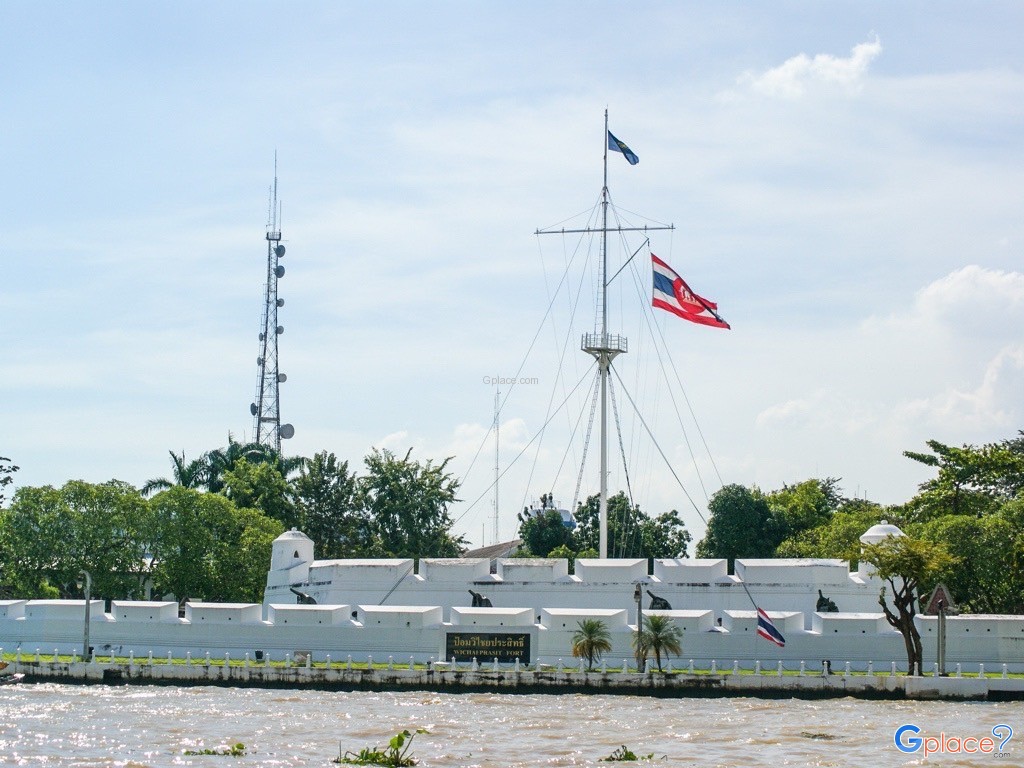
The atmosphere within the palace grounds is dignified and reverent. Visitors often pay respects at the shrine of King Taksin and the Chao Pho Nu Shrine, seeking blessings for prosperity and protection. The complex is also directly connected to Wichai Prasit Fort, allowing visitors to experience both the strength of historic river defenses and the serene riverside scenery.
For history and art enthusiasts, exploring the palace feels like stepping back into the Thonburi era. Photographic highlights include the elegant white Throne Hall adorned with intricate Thai motifs and the statue of King Taksin depicted holding his sword — a powerful symbol of courage, leadership, and national unity.
Because it is located within a former royal compound and currently under naval supervision, visiting Thonburi Palace offers a uniquely quiet and honorable atmosphere. More than a tourist attraction, it stands as a living historical lesson — inviting both Thai and international visitors to appreciate the legacy and resilience of Thailand’s ancestors.