 Attractions
  Hotel
Hotel  Restaurant
  Shopping
  Abroad





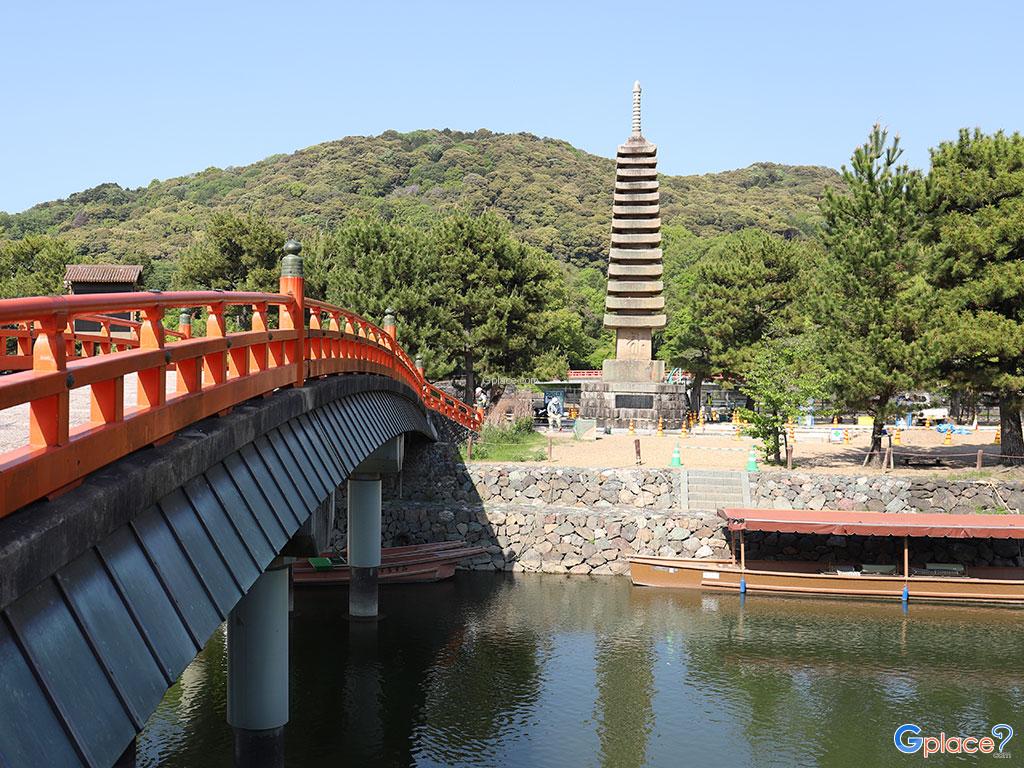


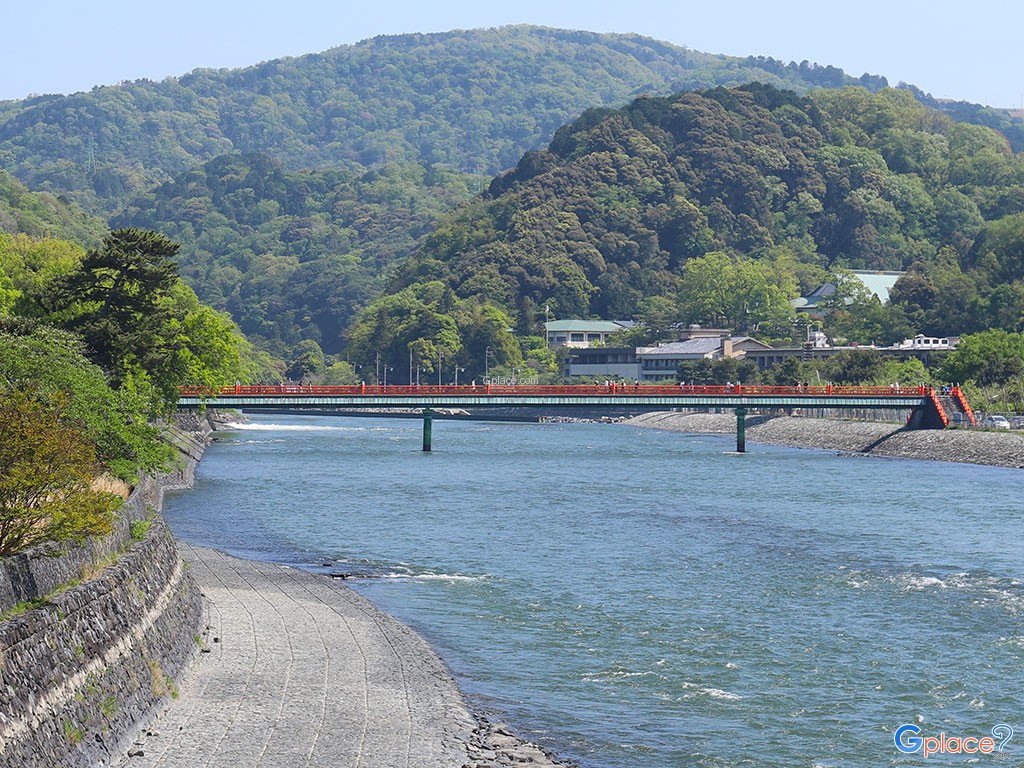
“A floating island park in the Uji River featuring a rare thirteen-story stone pagoda, historic bridges, and deep connections to Uji’s tea heritage.”
Uji Park which is located at a strategic bend of the Uji River, has long been a place where nature, infrastructure, and spiritual belief intersect. The powerful current of the river shaped not only the physical landscape but also the cultural practices of the city, influencing bridge construction, Buddhist devotion, and the development of Uji’s renowned tea culture. Within this compact riverside setting, three elements stand out as the core of the park’s identity: the monumental stone pagoda, the historic bridge and its tea-related traditions, and the serene island park itself.
The Thirteen-Story Pagoda (Ukishima Jusanjunoto)
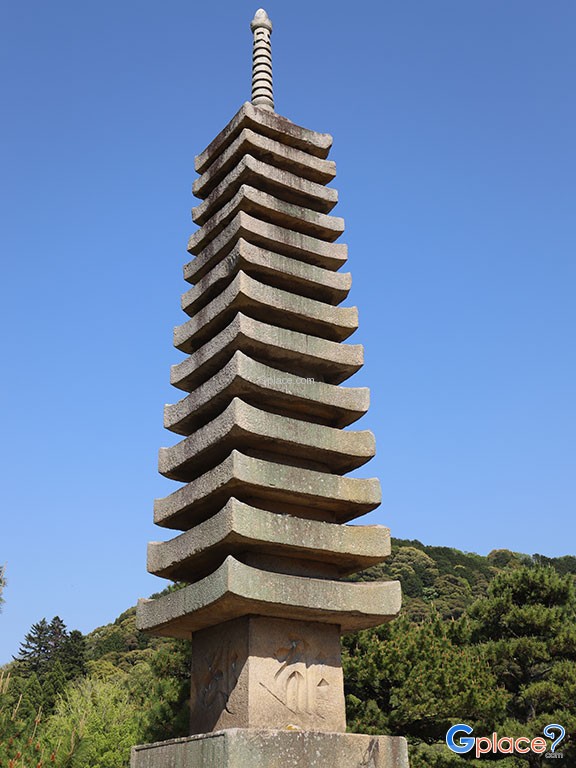
The central landmark of Uji Park is the Ukishima Thirteen-Story Pagoda, a massive stone pagoda rising over 15 meters tall. Built in 1286 by the monk Eison, it is regarded as the largest ancient stone pagoda in Japan. The pagoda was constructed both as a prayer for the stability of the nearby Uji Bridge and as a Buddhist memorial to console the spirits of fish taken from the river, reflecting the traditional reverence for life found in Japanese Buddhism. After being toppled by a major flood in the 18th century and buried for more than 150 years, it was rediscovered and reconstructed in 1908, leading to its designation as an Important Cultural Property. Some original stone fragments from the pagoda’s finial (spire), recovered from the river, are preserved at Kosho-ji Temple, while the finial elements visible today are carefully crafted replacements.
Uji Bridge and the San-no-ma Tea Connection
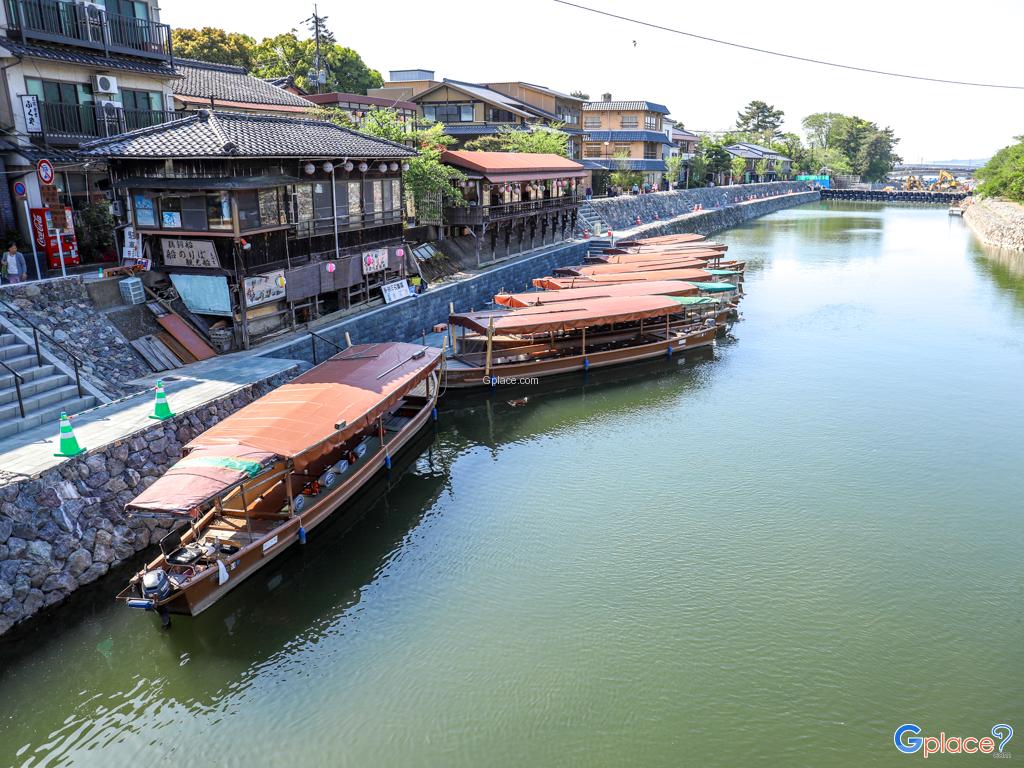
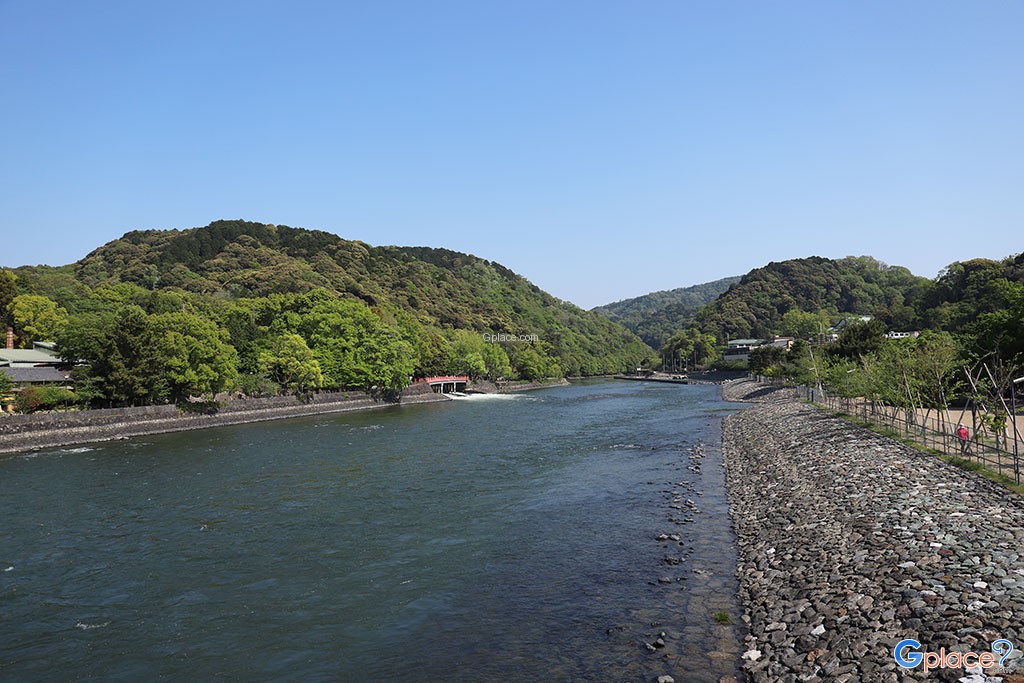
Running alongside the park, the Uji River is known for its strong current and abundant water flow. Spanning this river is Uji Bridge, one of Japan’s oldest and most historically significant bridges. Near the bridge is a distinctive architectural feature known as the San-no-ma, a water-facing balcony traditionally used by renowned tea masters to draw fresh river water for tea preparation. This detail highlights the deep connection between the bridge, the river, and Uji’s centuries-old tea culture, adding a refined cultural layer to the riverside scenery.
Uji Park Riverside Islands and Asagiribashi Bridge
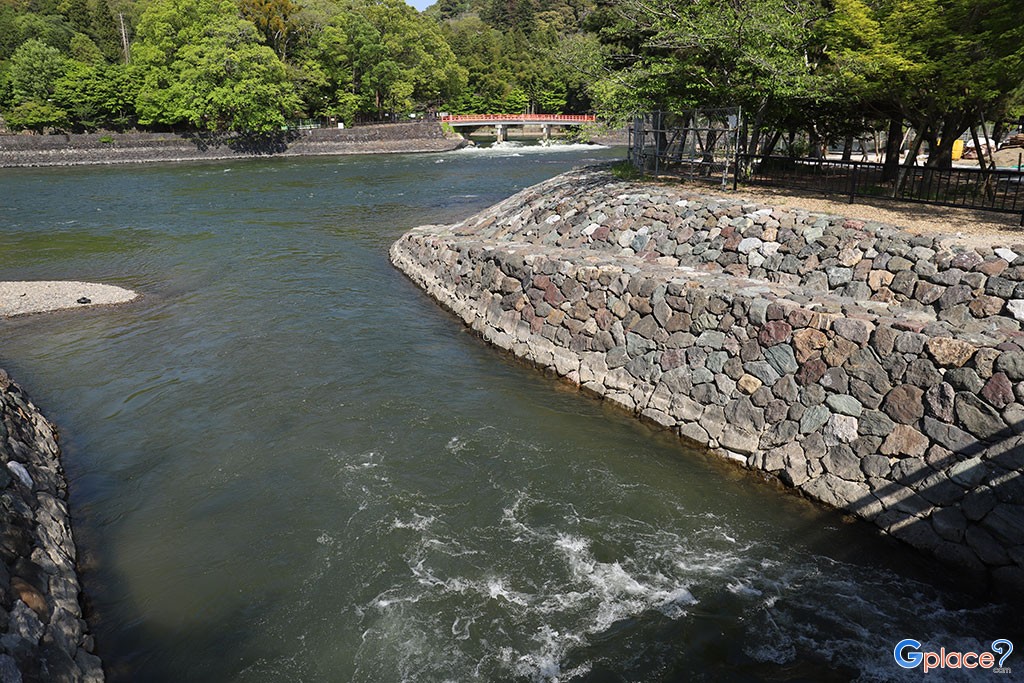
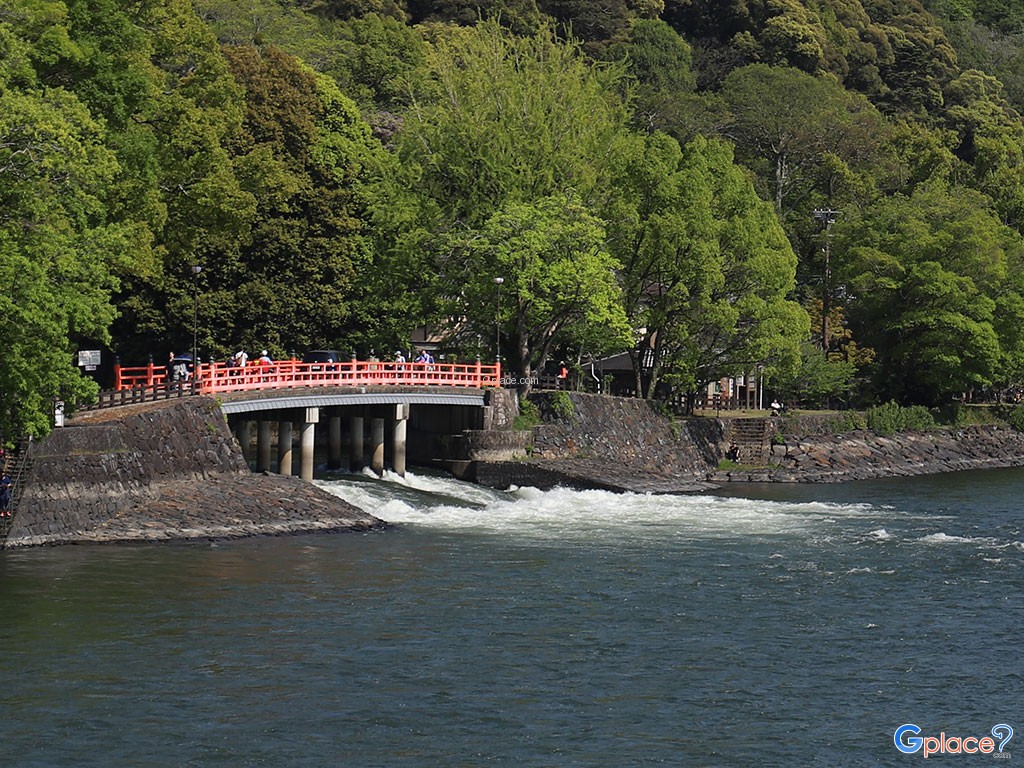
Uji Park occupies two small river islands—To-no-shima and Tachibana-jima—floating in the center of the emerald-green Uji River and forming the scenic and spiritual heart of the city. The islands are connected to the riverbanks by pedestrian bridges, including the vivid red Asagiribashi Bridge, a popular photography spot. From this bridge, visitors can enjoy a panoramic view of the stone pagoda, the rushing river, and the surrounding mountains in a single frame.
Within the park, open lawns are lined with cherry blossoms in spring and vibrant maple foliage in autumn. The constant “roar” of the flowing river enhances the timeless atmosphere, making the islands a favored place for walking, photography, and quiet reflection.
How to Get There
-
JR Uji Station (JR Nara Line): Approximately 10–15 minutes on foot toward the river
-
Keihan Uji Station (Keihan Uji Line): About 10 minutes on foot across the bridges
Travel Tips
-
Cross the nearby pedestrian bridges for the best angles of the pagoda and river
-
Early morning offers calmer light and fewer visitors
-
Evening visits provide a quieter atmosphere and occasional subtle illumination
-
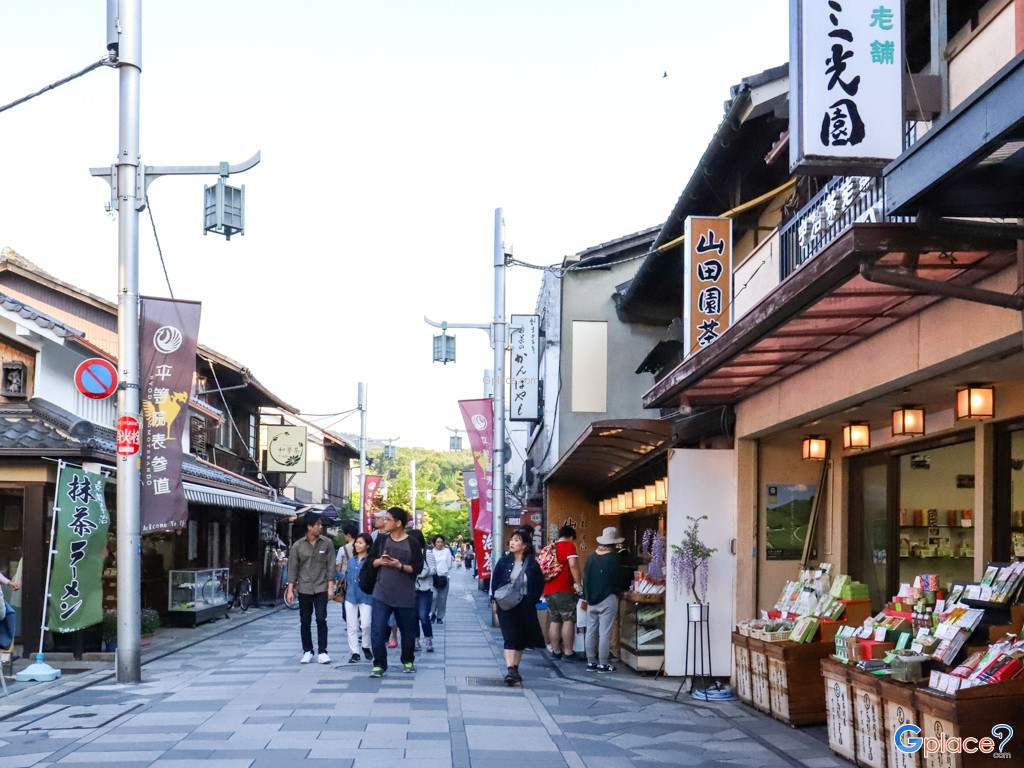
Enjoy matcha drinks or sweets from nearby tea shops while resting on the riverside benches
-
Wear comfortable walking shoes due to gravel paths on the islands
Admission Fee:
- Free
Opening Time:
- Open 24 hours daily
Uji Park and Ukishima Thirteen Story Pagoda

 Share
Share
 Togawa, Uji City, Kyoto Prefecture, Kansai Region, Japan 611-0021
Map
Togawa, Uji City, Kyoto Prefecture, Kansai Region, Japan 611-0021
Map
 Open now



 163
163