 Attractions
  Hotel
Hotel  Restaurant
  Shopping
  Abroad






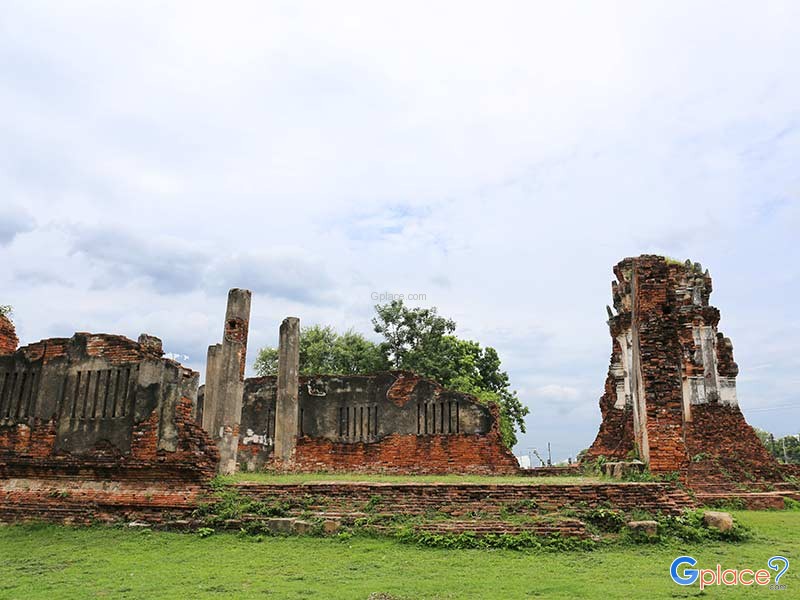
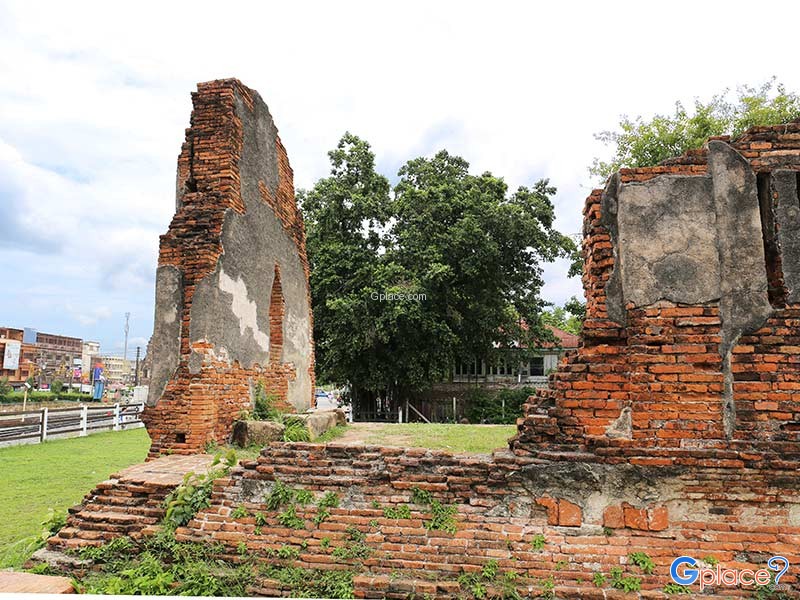
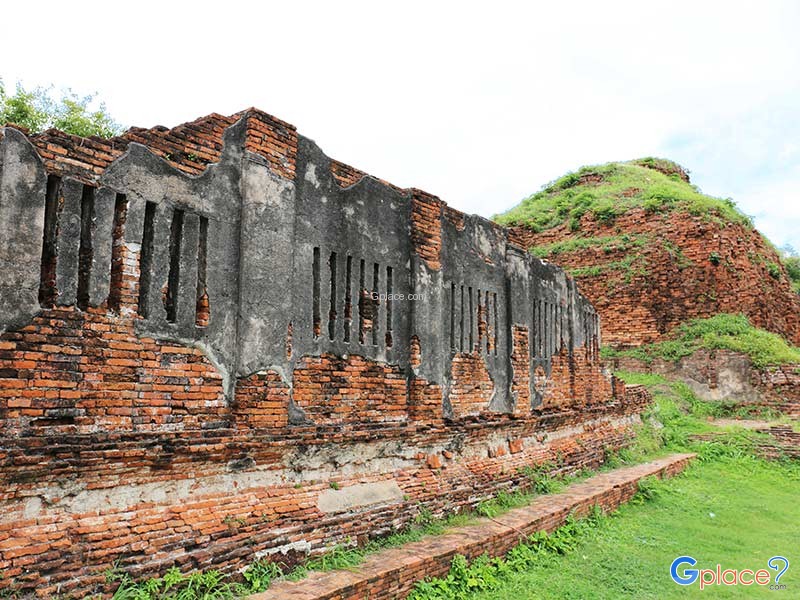
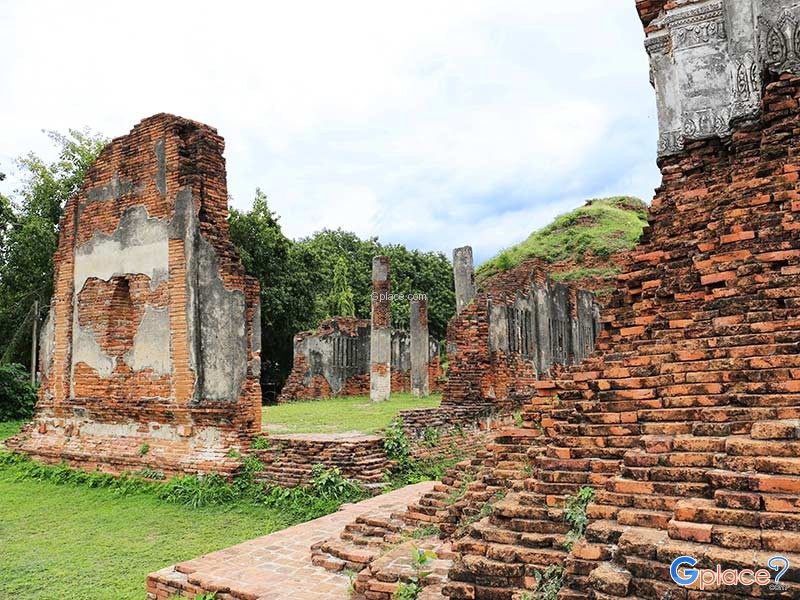
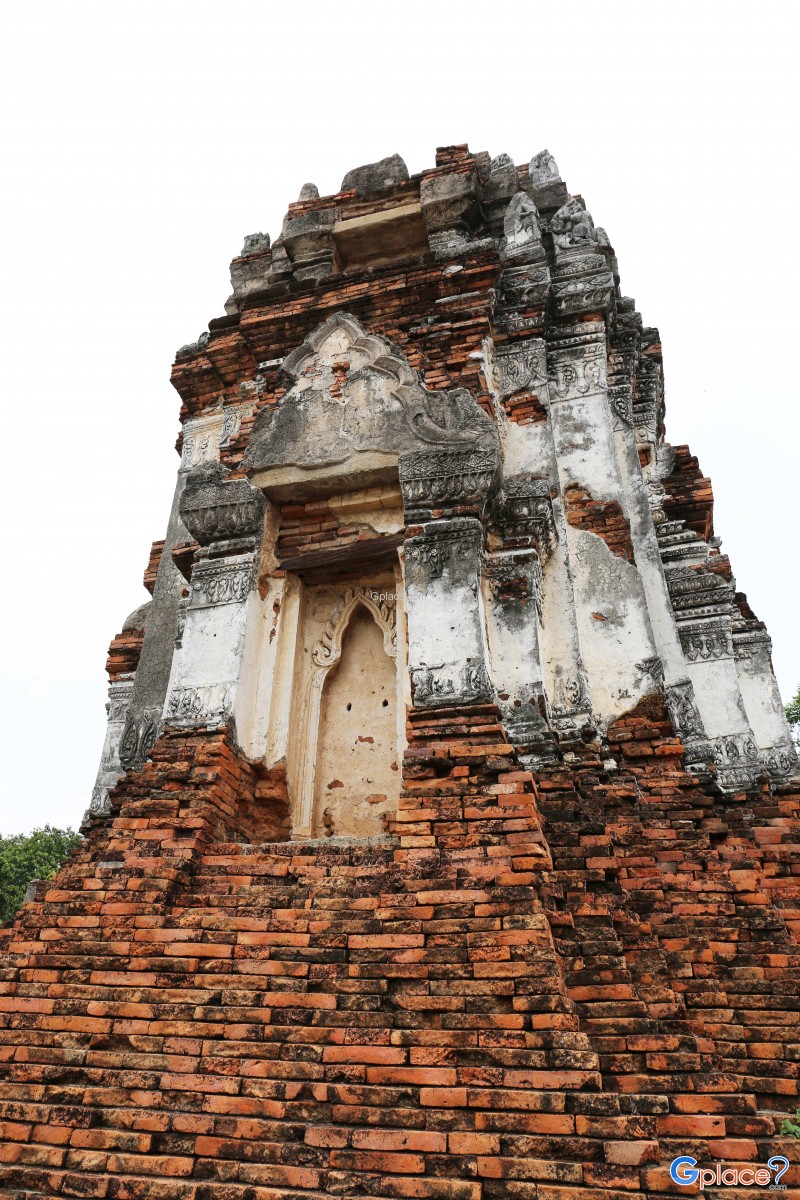
“Marvel at the ancient Khmer Prang and massive pagoda base that reflect the overlapping of multiple civilizations in this significant historical landmark of Lavo City.”
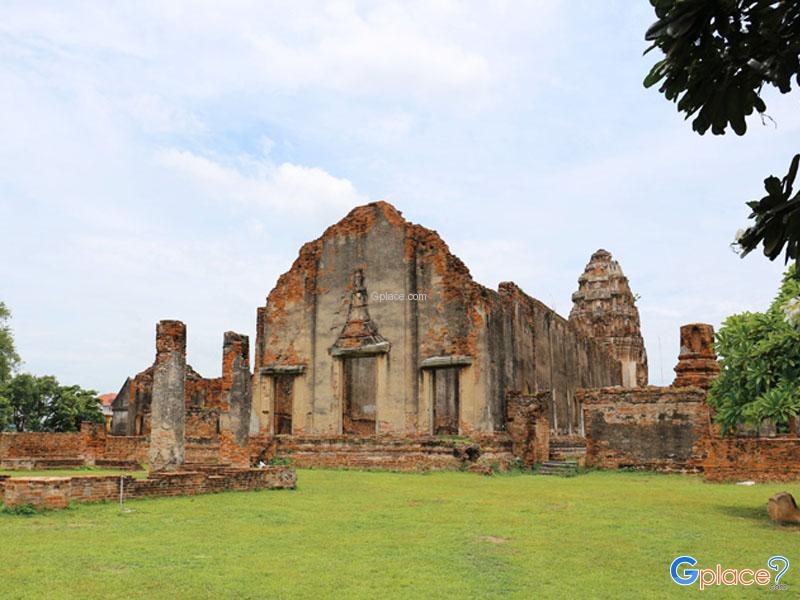
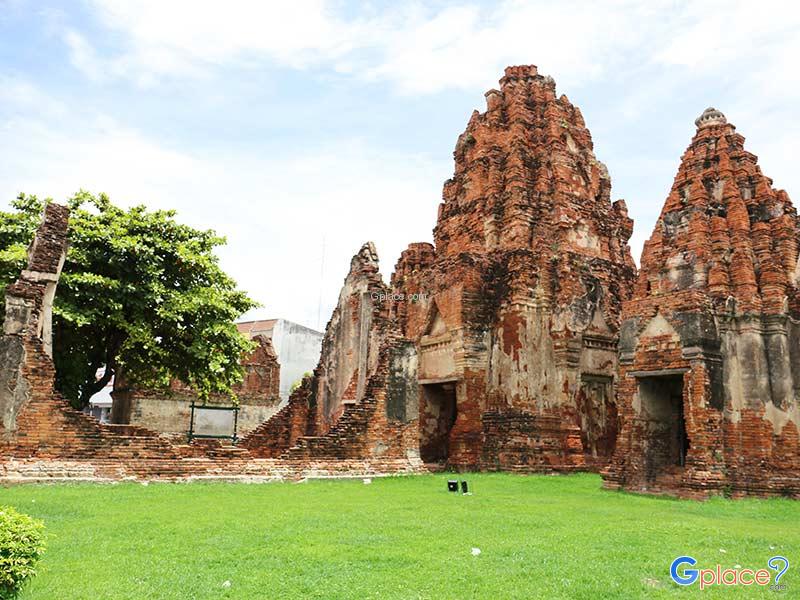
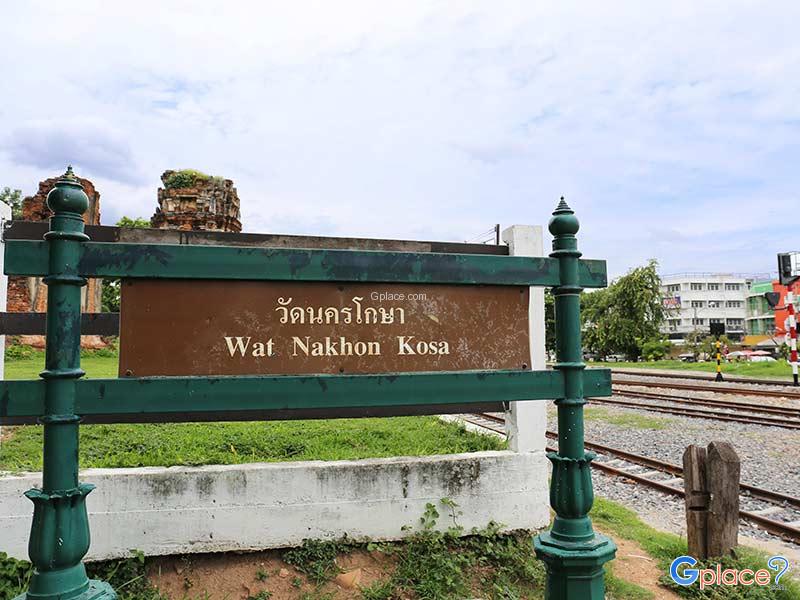
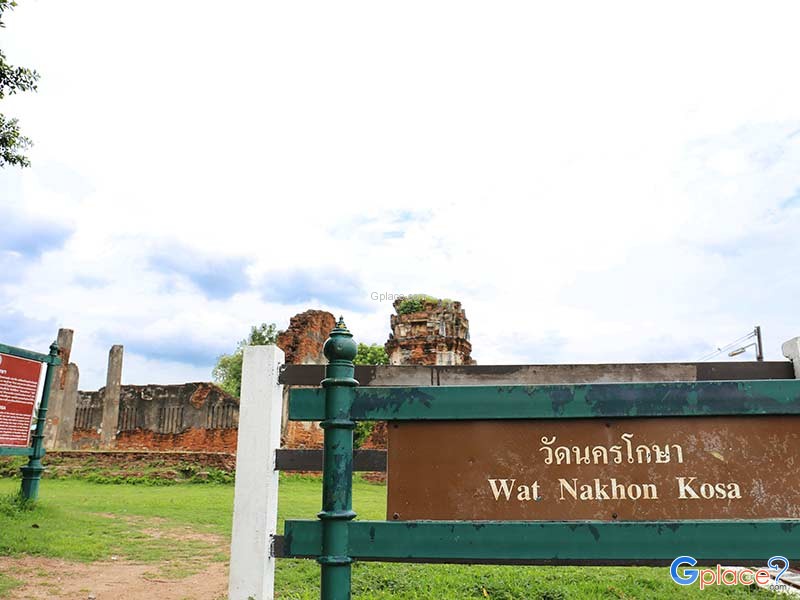
Nakhon Kosa Temple is a large and ancient archaeological site of great historical significance in Lopburi Province. Located near San Phra Kan Shrine and Lopburi Railway Station, the site represents a meeting point between the past and the present. Wat Nakhon Kosa is especially notable for reflecting layers of overlapping civilizations, ranging from the Dvaravati period to the Khmer era and later the late Ayutthaya period during the reign of King Narai the Great.
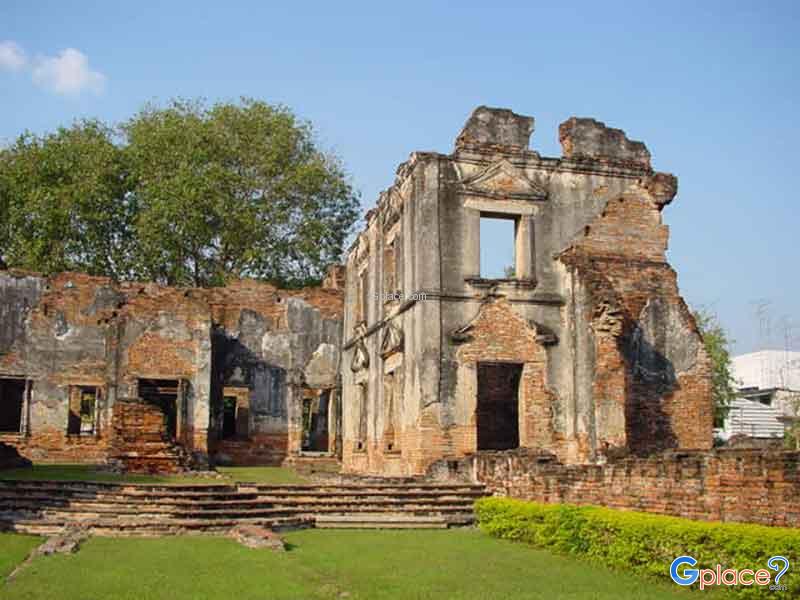
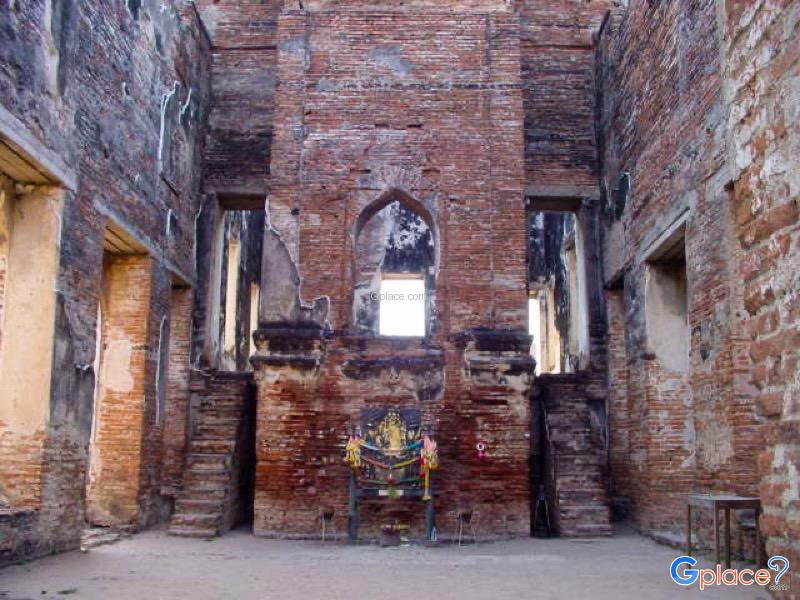
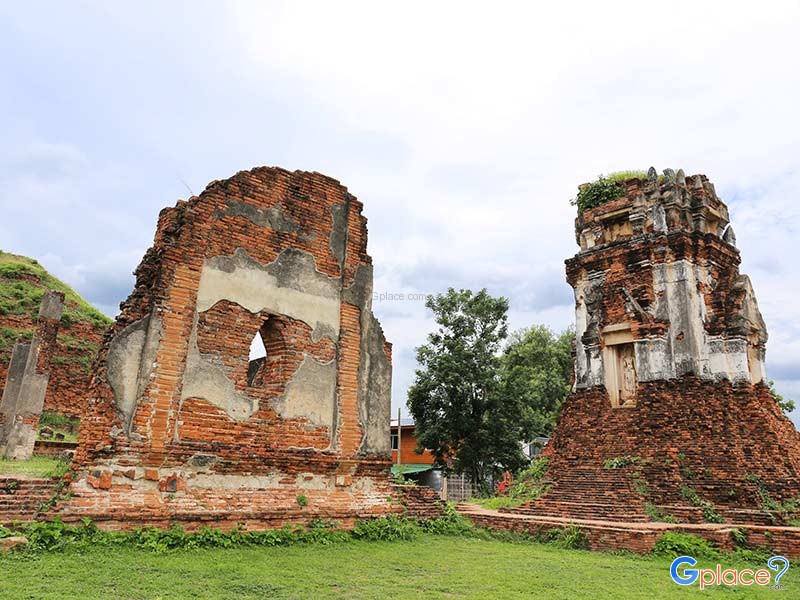
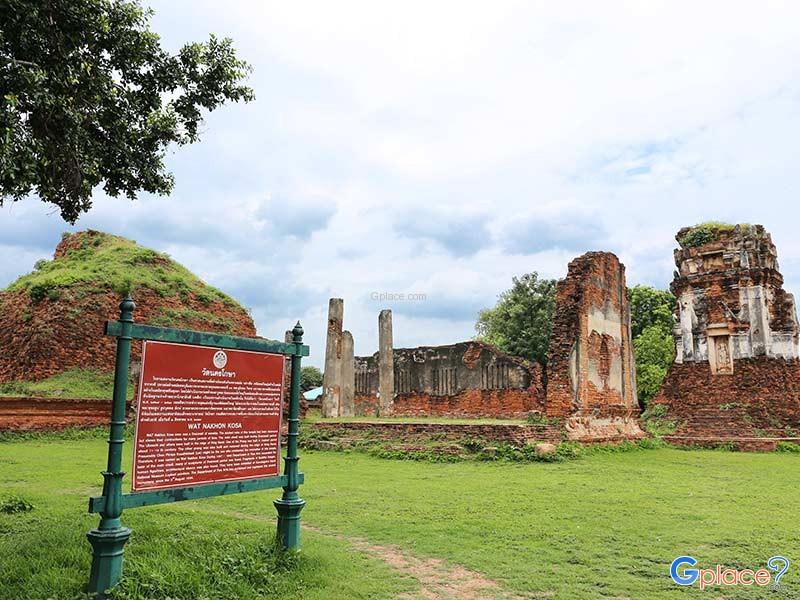
Although the temple today remains only in ruins, the brick lines, building foundations, and surviving structural remains clearly reveal its former grandeur and importance. The site once served as a major religious and ceremonial center of the ancient city of Lavo, playing a vital role in connecting beliefs and cultures from multiple kingdoms.
The most significant highlight of Wat Nakhon Kosa is the Khmer-style prang, constructed from laterite around the 17th Buddhist century. Although weathered by time, the prang still retains a solemn and mystical presence, clearly reflecting the influence of Khmer art that once extended its power into the Lopburi region.
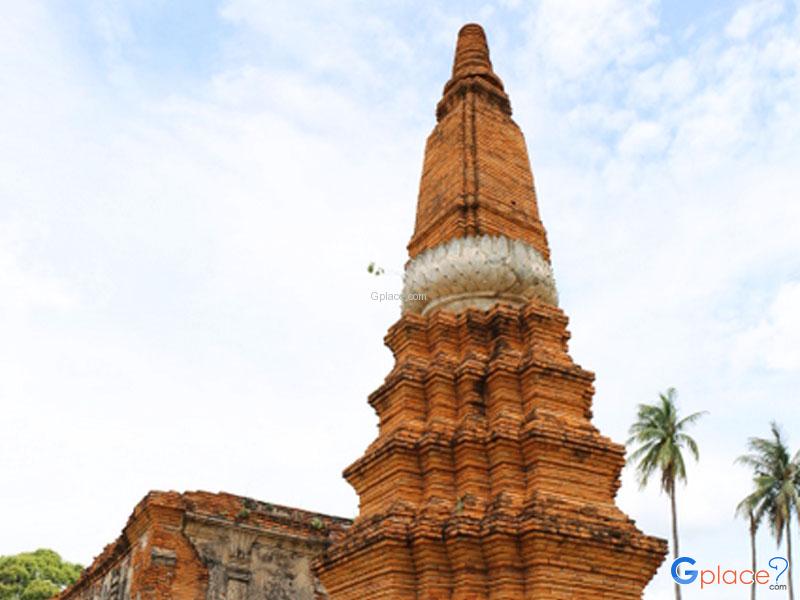
In addition, there is a large Ayutthaya-period chedi built over an earlier archaeological foundation. Archaeologists believe that this area had already been used as a religious site since the Dvaravati period, as numerous ancient Buddha images, pottery fragments, and sculptures have been unearthed here. These discoveries indicate continuous religious use of the site for several centuries.
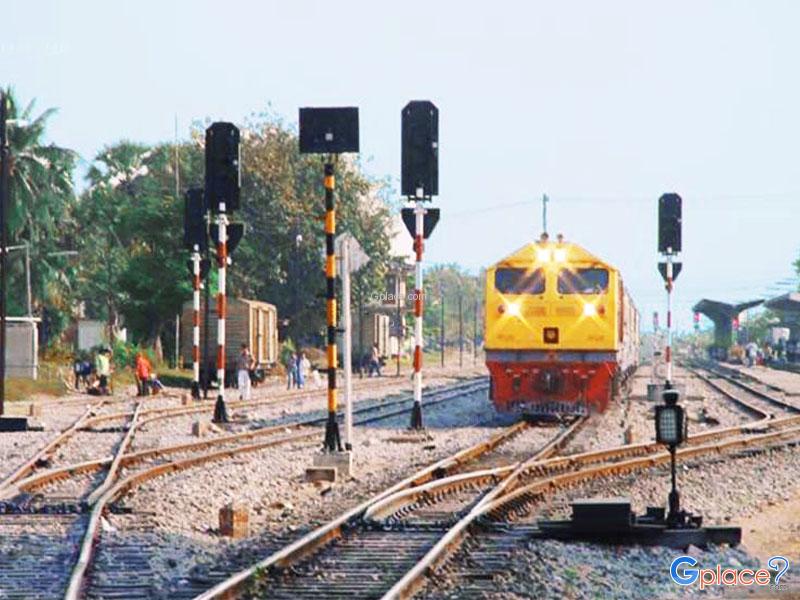
The atmosphere surrounding Nakhon Kosa Temple is quiet, peaceful, and evocative of the past, despite its proximity to residential areas and railway tracks. Visitors can closely observe the craftsmanship of ancient brickwork and the remaining traces of stucco decorations, which together convey deep insights into historical and architectural development.
This site can be considered a paradise for historians, archaeologists, and artists who wish to study traditional ancient architectural structures. It is also a remarkable photography spot, offering beautiful contrasts between warm orange brick tones, open skies, and natural light, creating a classic and mystical ambiance rarely found in heavily restored historical sites.
Nakhon Kosa Temple warmly invites visitors to retrace the pages of history and experience the timeless charm of Lopburi’s cultural heritage, which continues to silently and gracefully tell stories of the past.
How to Get There
Private Car:
- Travel into Lopburi city center and pin Wat Nakhon Kosa, located adjacent to Phra Kan Shrine and the railway station.
Train:
- Get off at Lopburi Railway Station and walk north for just a few hundred meters to reach the site.
Public Van:
- Take a Bangkok-Lopburi van to the city terminal and then take a motorcycle taxi or walk.
Travel Tips
Best Visiting Season:
- Can be visited year-round, but November to January offers pleasant weather, making outdoor sightseeing more comfortable.
Footwear:
- It is recommended to wear sneakers or comfortable walking shoes as the ground is uneven with brick mounds.
Photography:
- The golden hour before sunset provides beautiful light hitting the old bricks, creating shots with great depth.
Cautions:
- There are many monkeys nearby; avoid carrying plastic bags or food into the site to prevent disturbance.
Travel Planning:
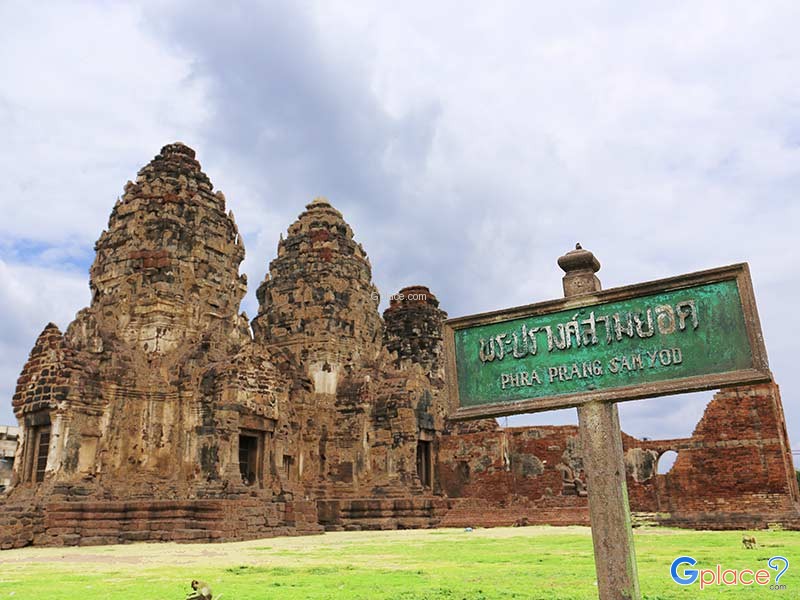
- Can be planned as a One Day Trip combined with Phra Prang Sam Yod and King Narai’s Palace, as they are within walking distance.
Admission Fee
-
Thai Visitors: Adult 10 THB, Child Free
-
Foreign Visitors: Adult 50 THB
Opening Hours
-
Open Daily: 08:30 – 16:30
-
Note: It is recommended to arrive at least 30 minutes before closing to have enough time to explore.
Nakhon Kosa Temple

 Share
Share
 Nakhon Kosa Temple, North of Lopburi Railway Station, Tha Hin, Mueang Lopburi, Lopburi, Thailand
Map
Nakhon Kosa Temple, North of Lopburi Railway Station, Tha Hin, Mueang Lopburi, Lopburi, Thailand
Map
 Open now : 8.30 - 16.30
Mon8.30 - 16.30
Tue8.30 - 16.30
Wed8.30 - 16.30
Thu8.30 - 16.30
Fri8.30 - 16.30
Sat8.30 - 16.30
Sun8.30 - 16.30



 3378
3378