 Attractions
  Hotel
Hotel  Restaurant
  Shopping
  Abroad





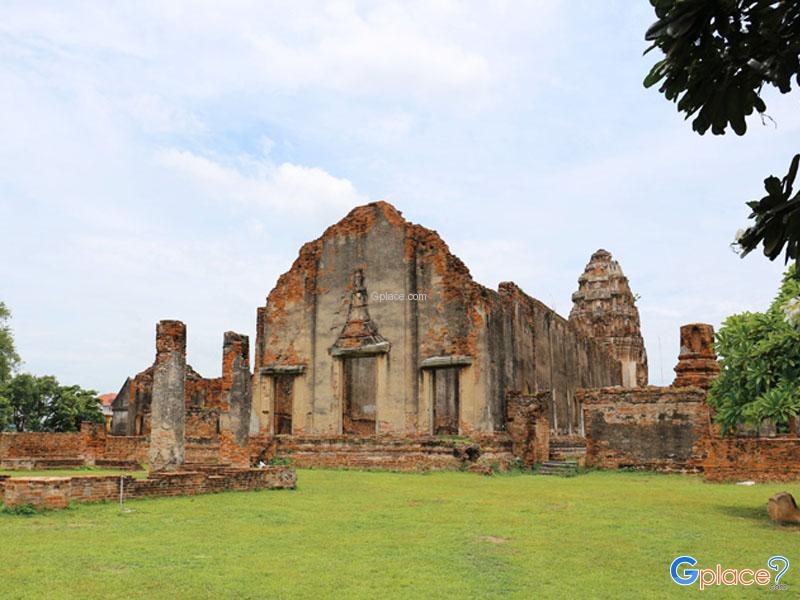

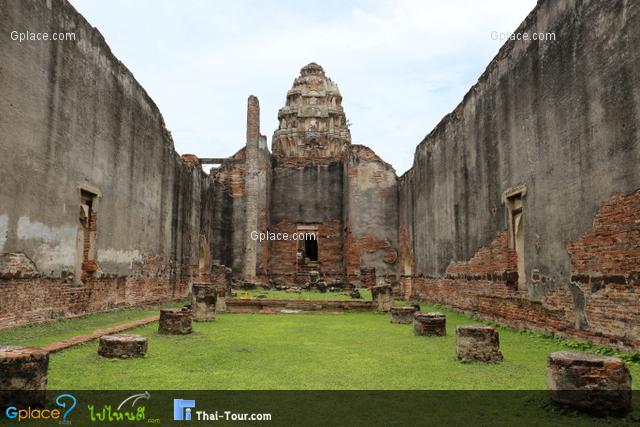
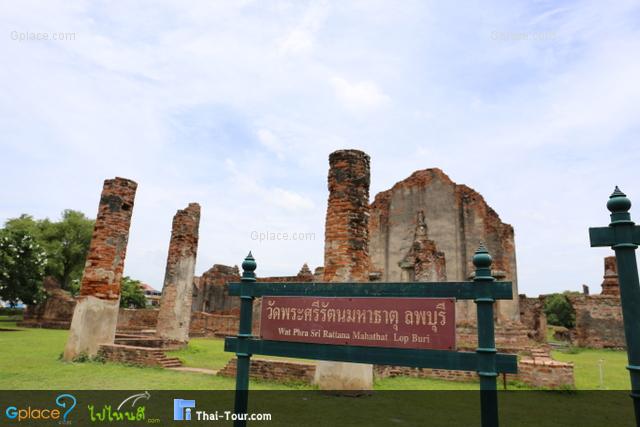
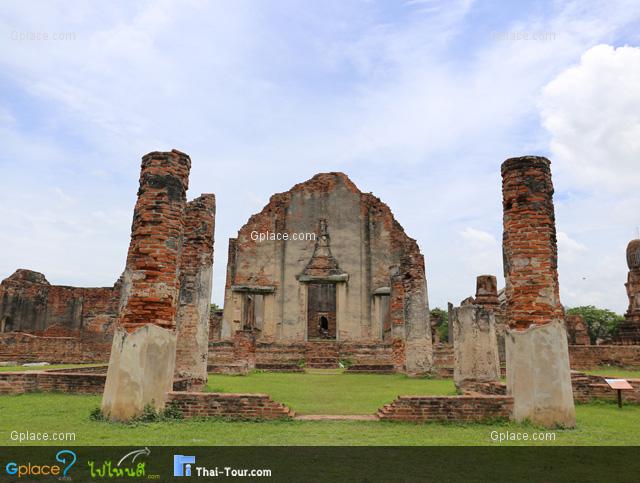
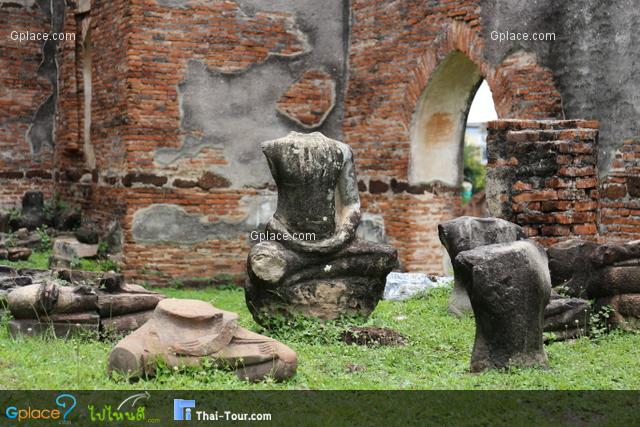
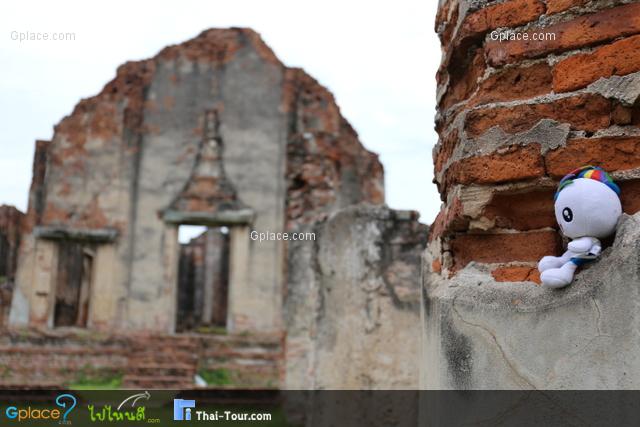
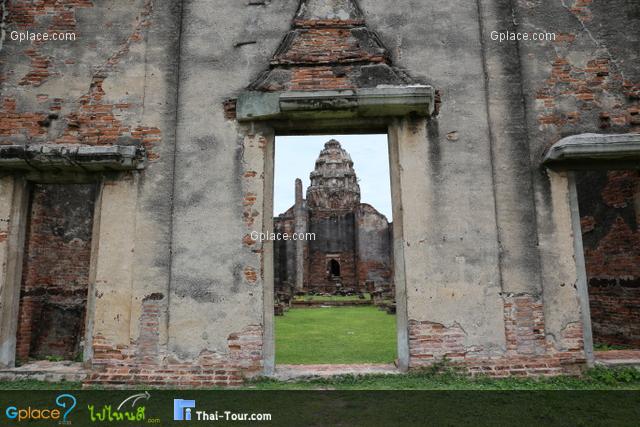
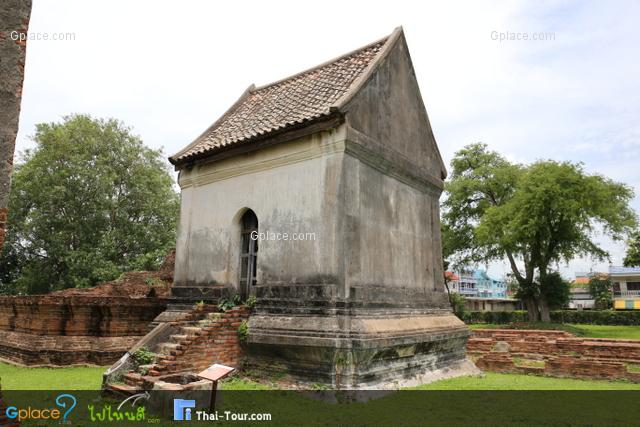
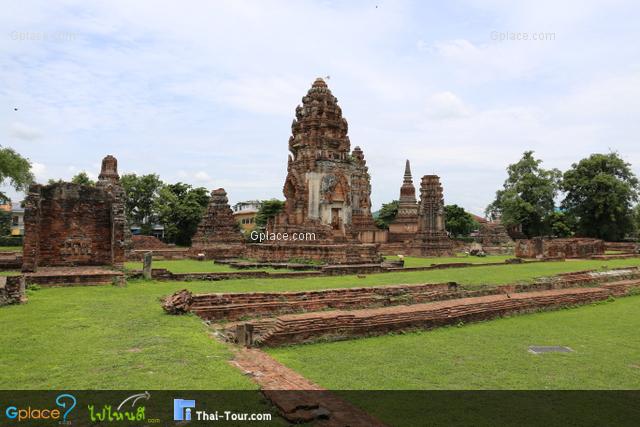
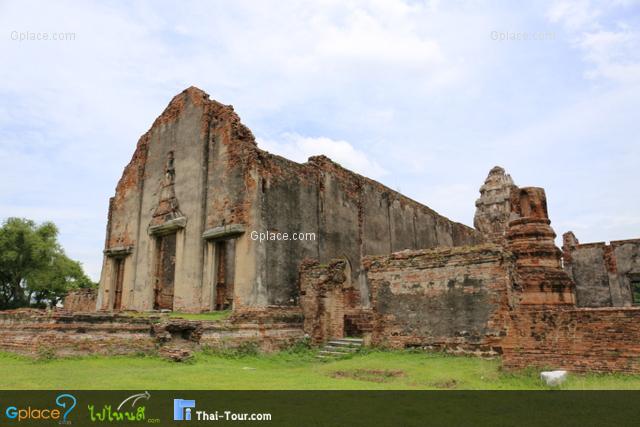

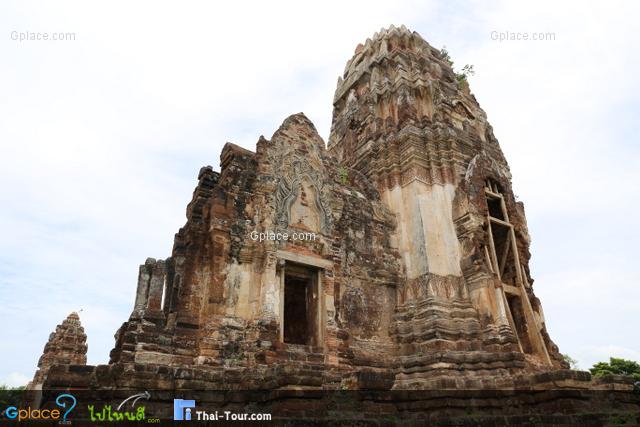
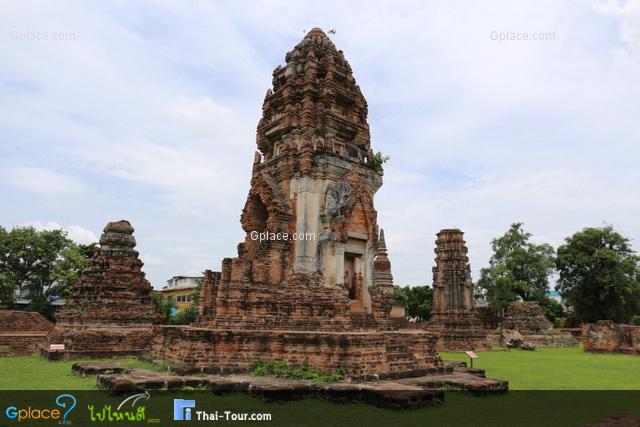
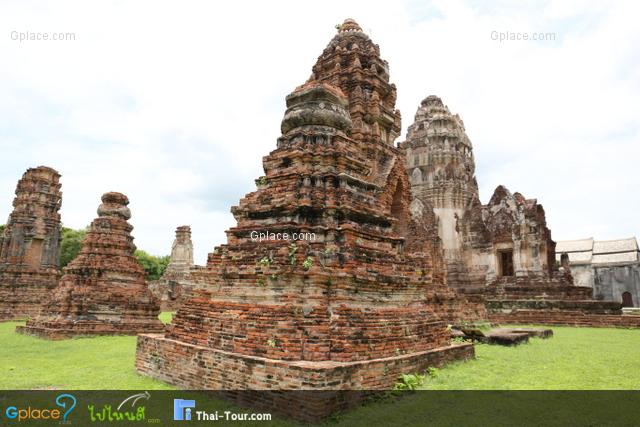
“Marvel at the "Central Prang," the most complete Lopburi-style tower in existence, and the "Great Vihara," featuring the unique fusion architecture of King Narai the Great’s reign.”
Phra Si Rattana Mahathat Temple Lopburi is one of Thailand’s most historically and archaeologically significant ancient monuments and once served as the religious and administrative center of the ancient city of Lavo. It is believed to have been constructed around the 18th Buddhist century during the height_ of the Khmer Empire and was continuously restored through several periods, particularly during the early Ayutthaya era and the reign of King Narai the Great. As a result, the temple reflects the long evolution of art, culture, and civilization over many centuries.
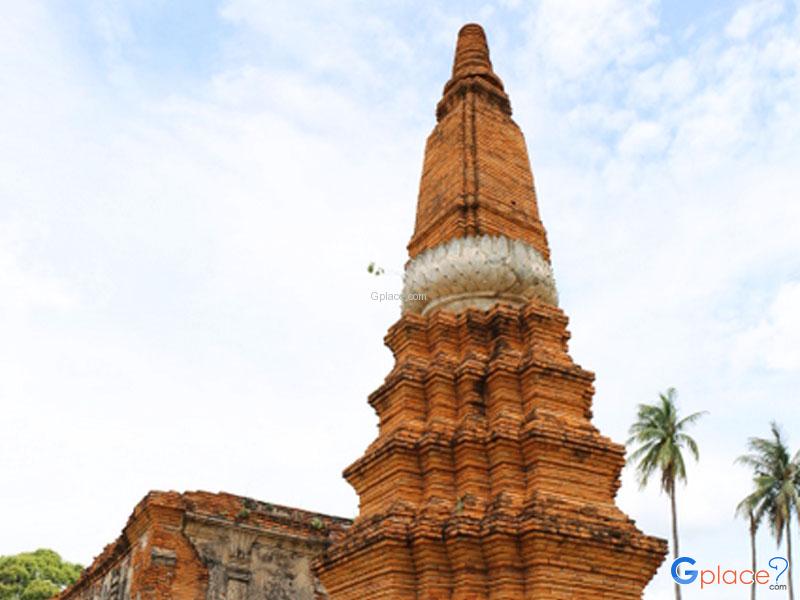
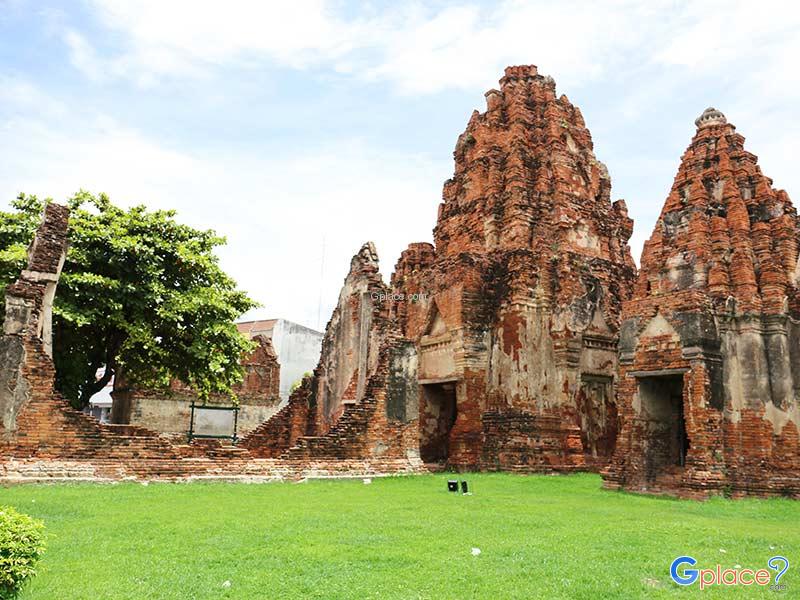
The most important feature of the temple is the main prang, built from massive laterite blocks with a strong foundation and a majestic vertical form. It is adorned with finely detailed stucco decorations that clearly display the distinctive Lopburi style influenced by Khmer art. This main prang later became a significant prototype that influenced the construction of prangs in many important Thai temples.
Surrounding the main prang are numerous subsidiary prangs and chedis in various styles, including the lotus-bud chedi of the Sukhothai style and Sri Lankan–influenced chedis from the Ayutthaya period. These structures demonstrate the cultural diversity and the blending of beliefs brought by different kingdoms that shaped Lopburi over hundreds of years.
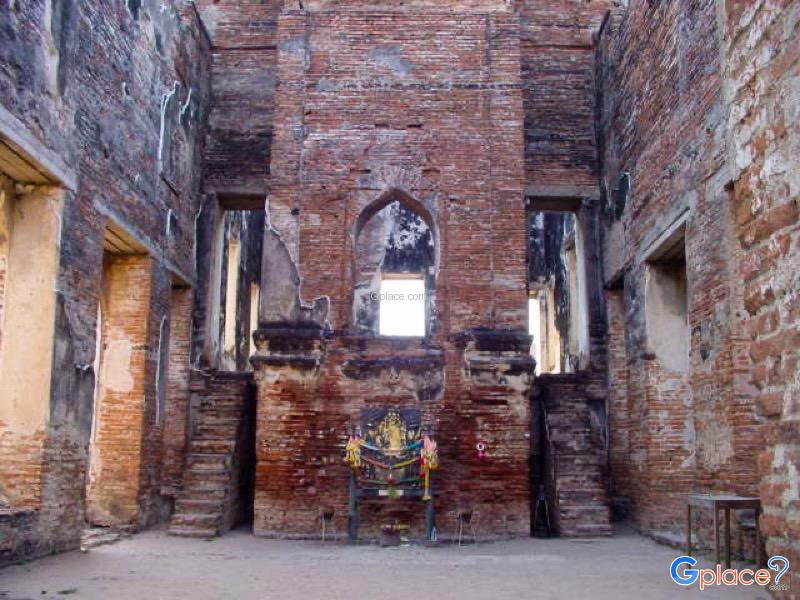
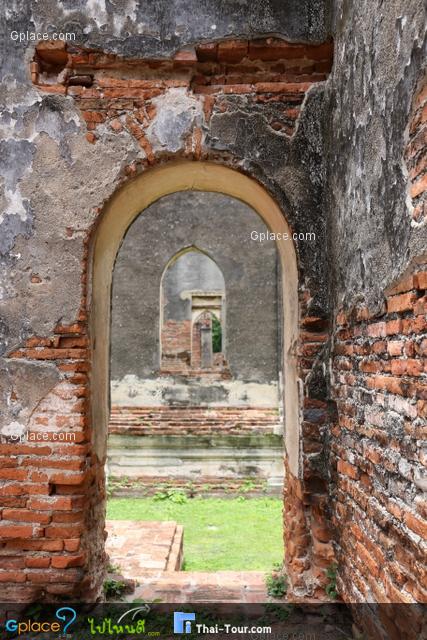
Another remarkable highlight is the Main Viharn, also known as the Nine-Chamber Viharn, which underwent a major restoration during the reign of King Narai the Great. The viharn features pointed arch doors and windows in the Western Gothic style, harmoniously combined with traditional Thai architectural foundations. This unique design reflects a historical period when Siam actively embraced Western influences.
The atmosphere surrounding the temple is mystical, tranquil, and grand. The ancient red bricks and laterite structures, weathered by centuries, create dramatic shadows and depth when illuminated by sunlight, making the site especially appealing to photographers and history enthusiasts. Walking through the ruins feels like stepping back in time to the glorious era of the ancient city of Lavo.
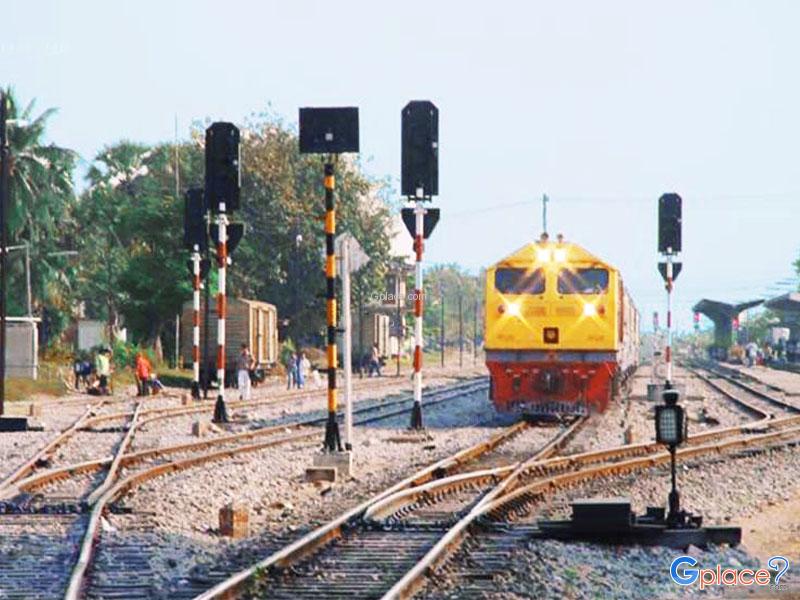
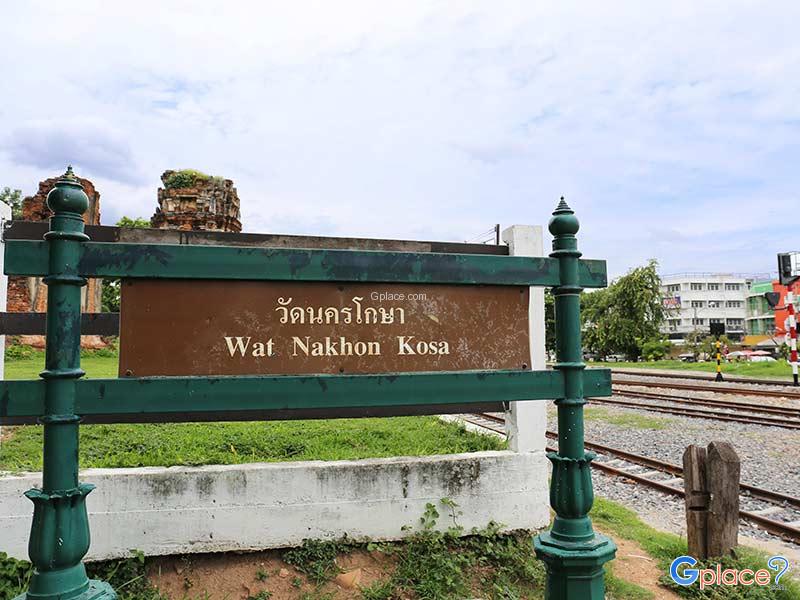
For travelers arriving by train, Phra Si Rattana Mahathat Temple is often the very first destination they encounter, as it is located directly across the road from Lopburi Railway Station. Beginning a journey here provides a meaningful introduction to Lopburi’s historical roots and offers a deep and immersive understanding of the city’s rich past.
How to Get There
By Train:
- Disembark at Lopburi Station and simply walk across Sorasak Road. The entrance is right there.
By Car:
- Drive into the Lopburi Old Town (Tha Hin area). Parking is available along the temple's perimeter or at the nearby station parking lot.
Travel Tips
Best Time:
- Early morning (08:30 – 10:00) or late afternoon (16:00 – 17:00) to avoid the heat and capture the best golden-hour lighting on the ruins.
Activities:
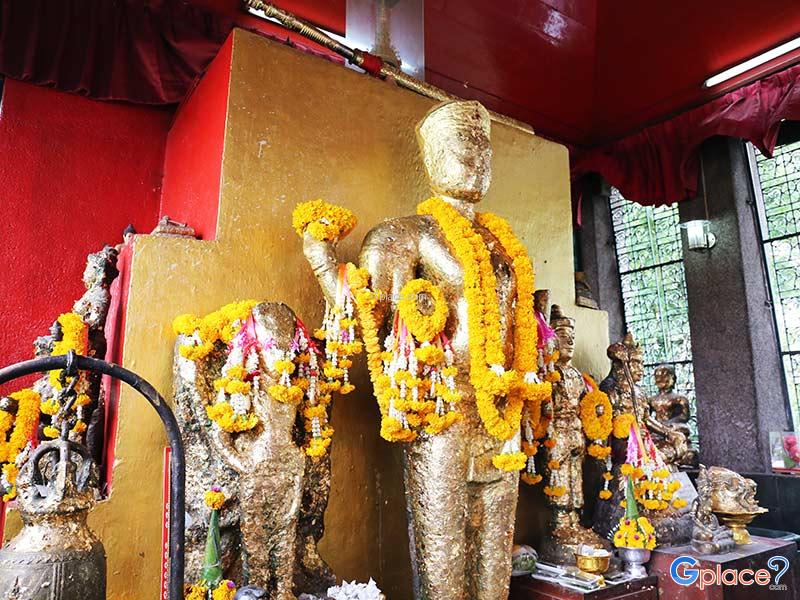
- Examine the stucco patterns on the main tower, study the Gothic-influenced windows of the hall, and pay respects to the Buddha image.
Dress Code:
- Please dress politely (avoid shorts above the knee and sleeveless tops) to show respect for the sacred site.
Nearby Sites:
- Wat Bandai Hin, Prang Sam Yod, and King Narai's Palace (all within walking distance).
Admission Fee
-
Thai citizens 10 THB / Foreigners 50 THB
Opening Hours
-
Open Wednesday – Sunday (Closed on Monday and Tuesday), 08:30 – 16:30.
Phra Si Rattana Mahathat Temple Lopburi

 Share
Share
 Sorasak Road, Tha Hin, Lopburi, Lopburi 15000, Thailand
Map
Sorasak Road, Tha Hin, Lopburi, Lopburi 15000, Thailand
Map
 Closed today
Mon -
Tue -
Wed8.30 - 16.30
Thu8.30 - 16.30
Fri8.30 - 16.30
Sat8.30 - 16.30
Sun8.30 - 16.30



 78
78