 Attractions
  Hotel
Hotel  Restaurant
  Shopping
  Abroad





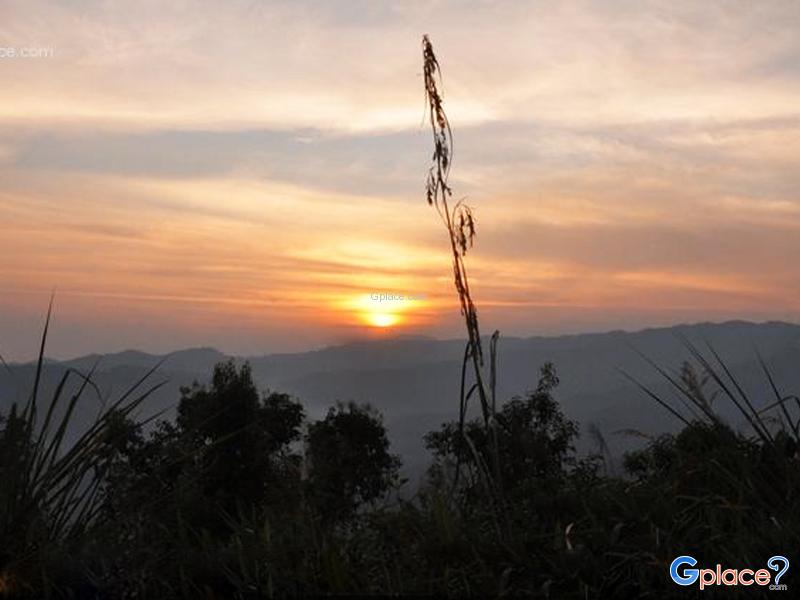


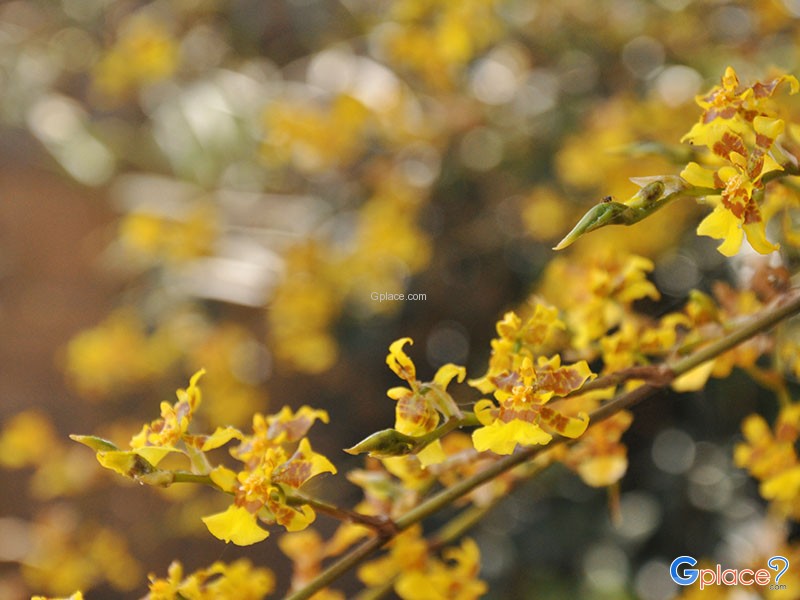
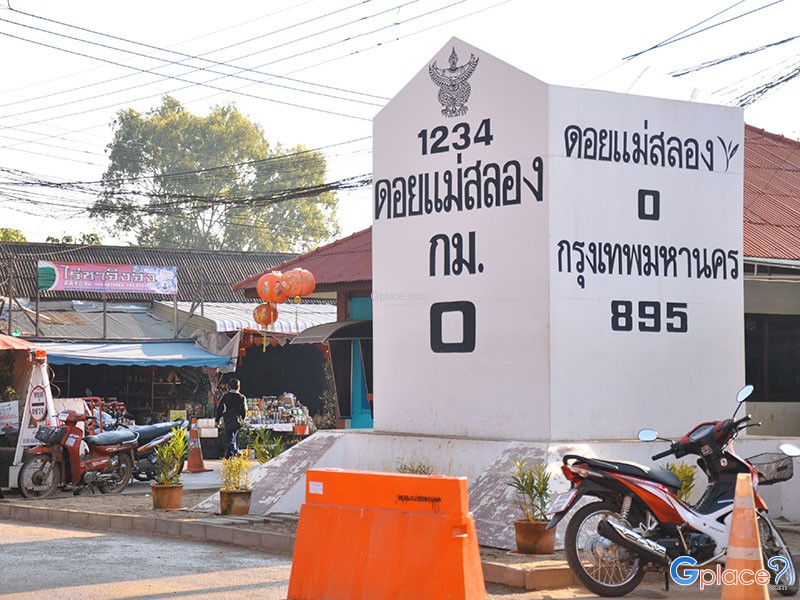

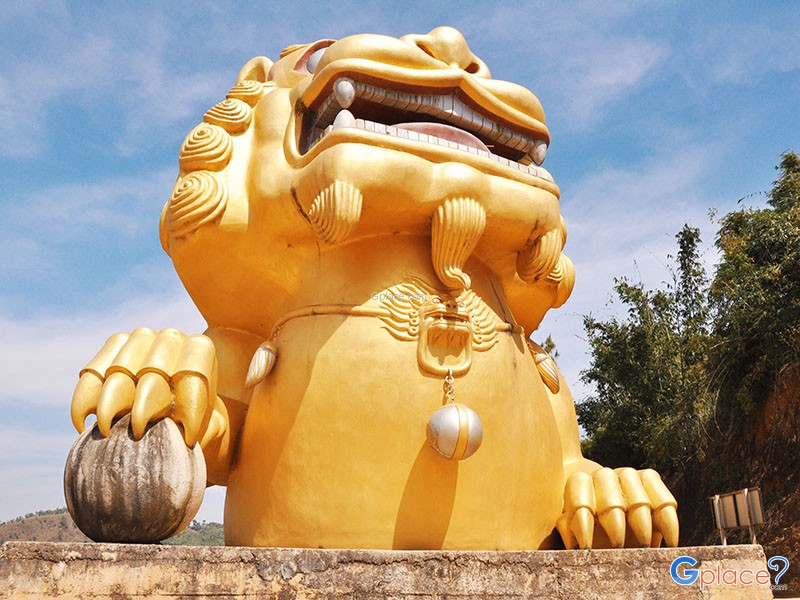
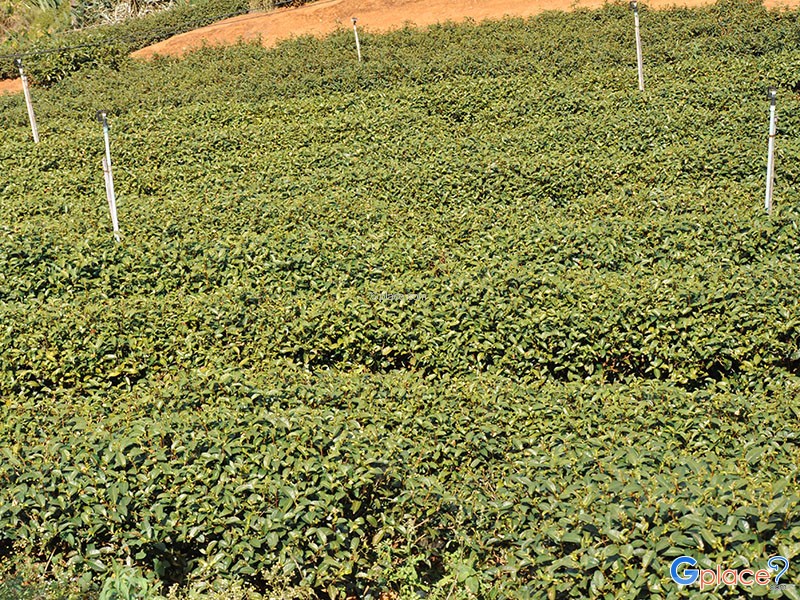
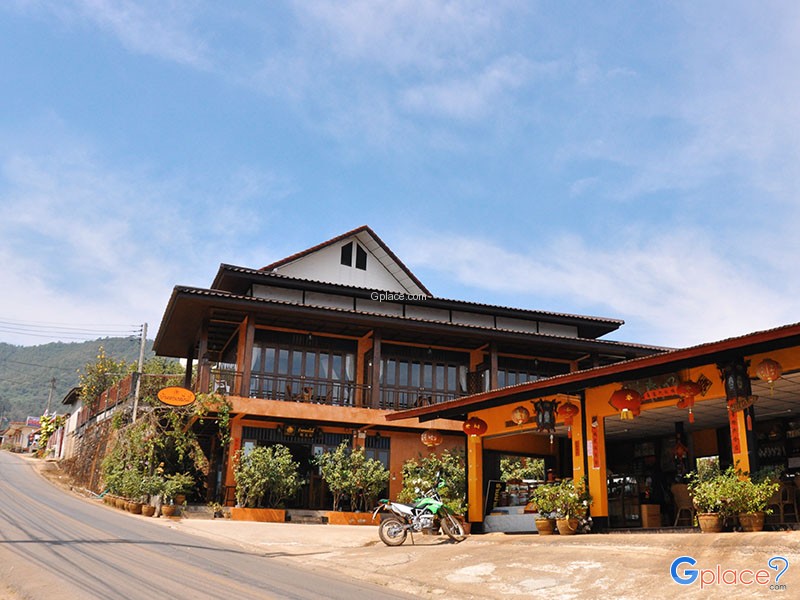
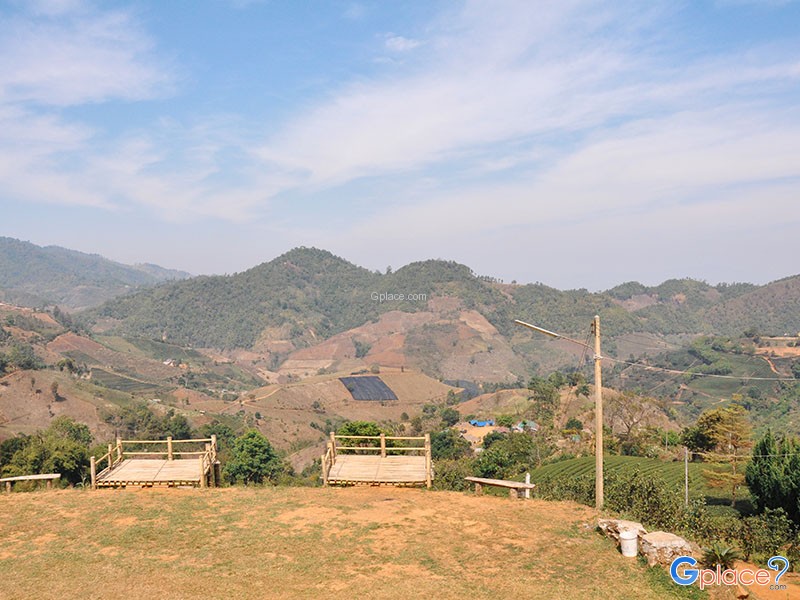
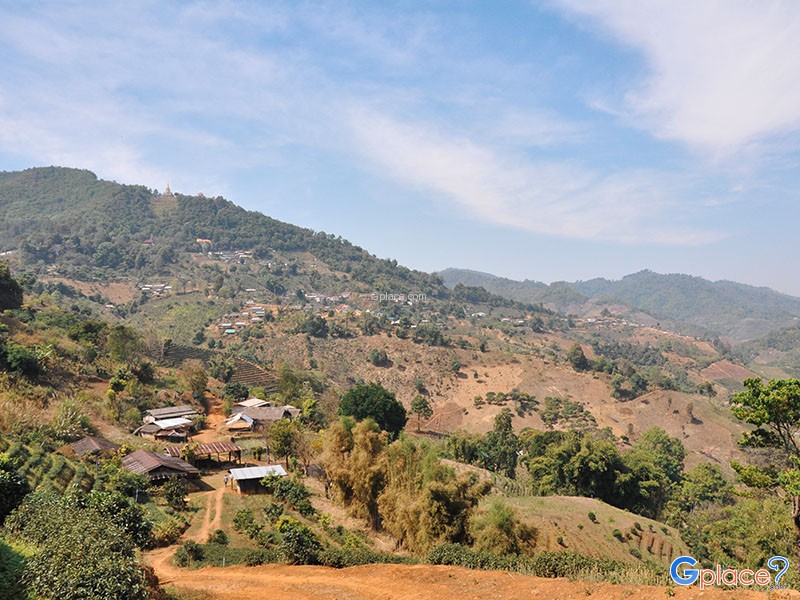
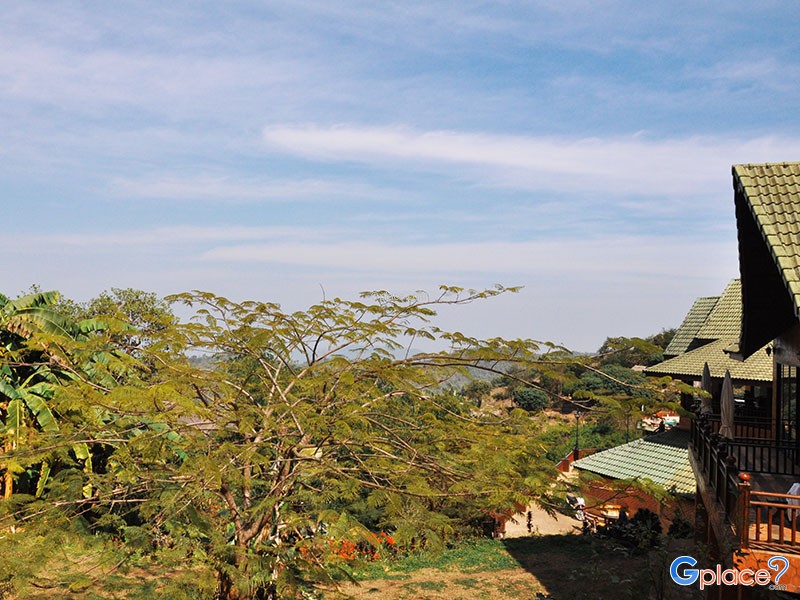
“Sip premium Oolong tea amidst terraced tea plantations, admire the blooming Himalayan Cherry blossoms, and learn the history of Division 93 at the Chinese Nationalist Soldiers Historical Museum.”
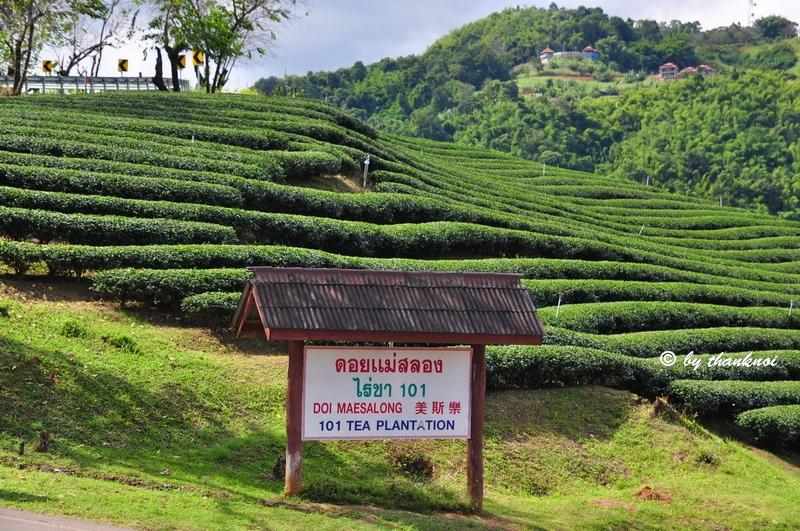
Doi Mae Salong or Santikhiri Village, has a fascinating history filled with struggle. It began around 1961 when the 93rd Division of the Chinese Nationalist Army (Kuomintang or KMT) migrated from Burma and established a base on this mountain under the leadership of General Lee Wen-huan and General Tuan Shi-wen. Initially, Doi Mae Salong was a "red zone" troubled by political conflict and drug issues. However, through the royal grace of King Rama IX, who granted Thai citizenship and supported the villagers in shifting from opium cultivation to cold-climate crops, the area was transformed.
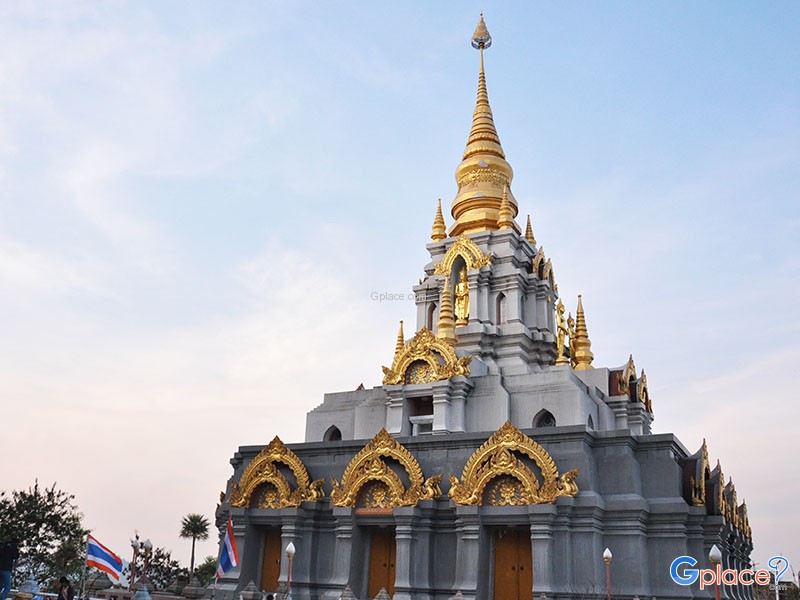
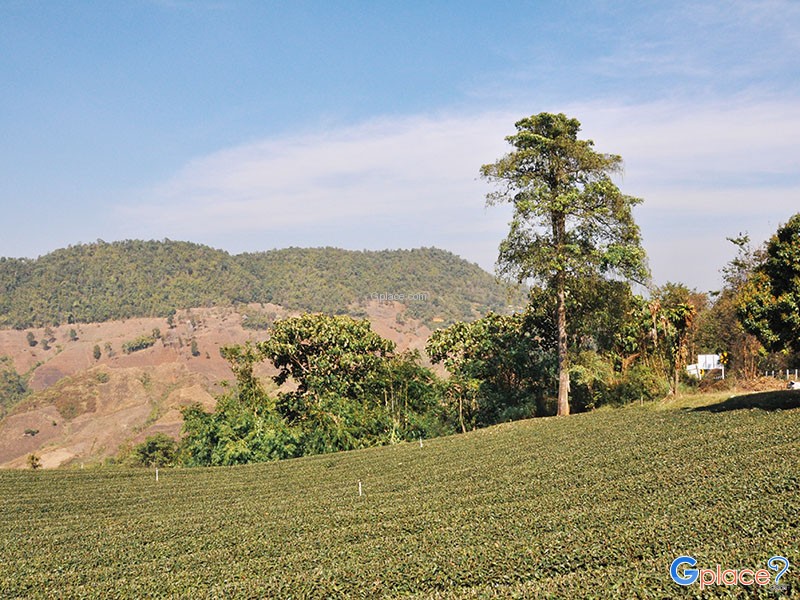
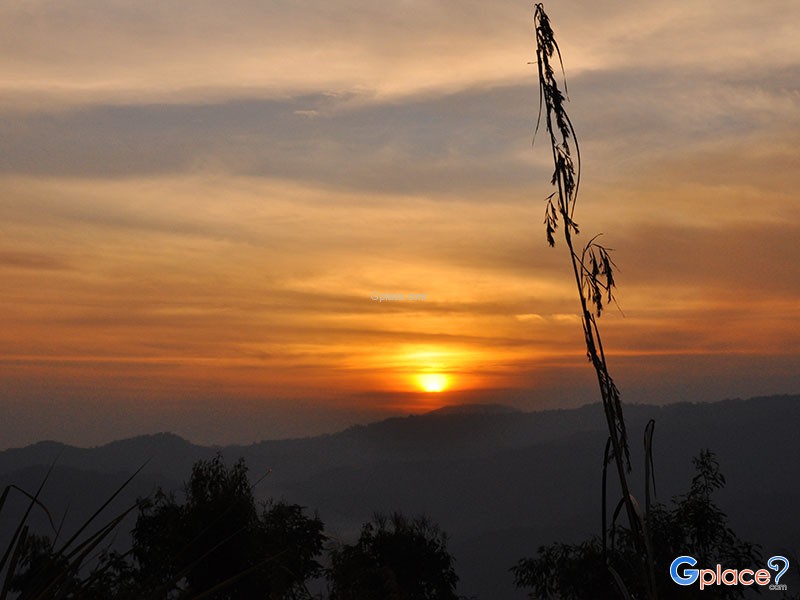
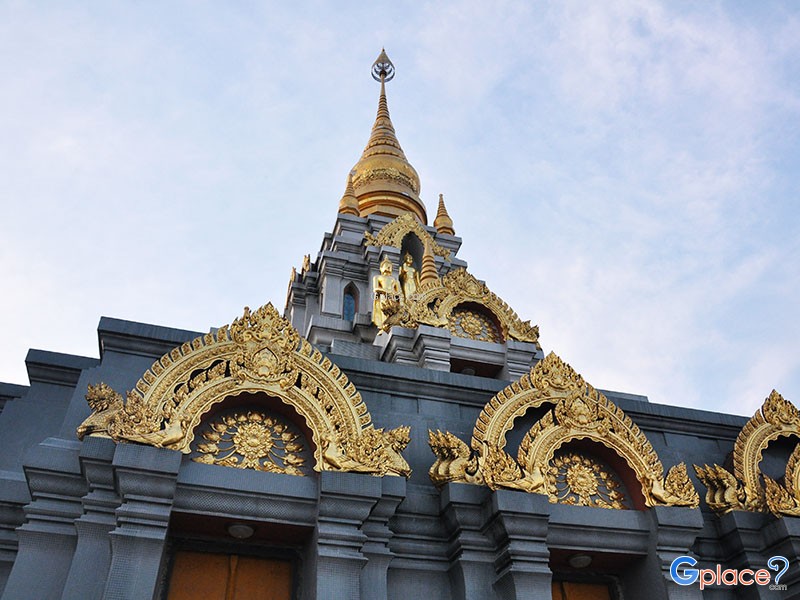
The major turning point occurred with the introduction of Oolong Tea from Taiwan. The cold climate and elevation of over 1,200 meters above sea level made the tea high-quality with a unique flavor, turning Doi Mae Salong into the most important tea production source in Thailand. Today, the mountain is home to Phra Borommathat Chedi Srinagarindra Satismahasantikhiri, a contemporary Lanna-style pagoda built to honor the Princess Mother. From this point, you can see a panoramic view of Santikhiri Village stretching along the complex mountain ranges as far as the eye can see.
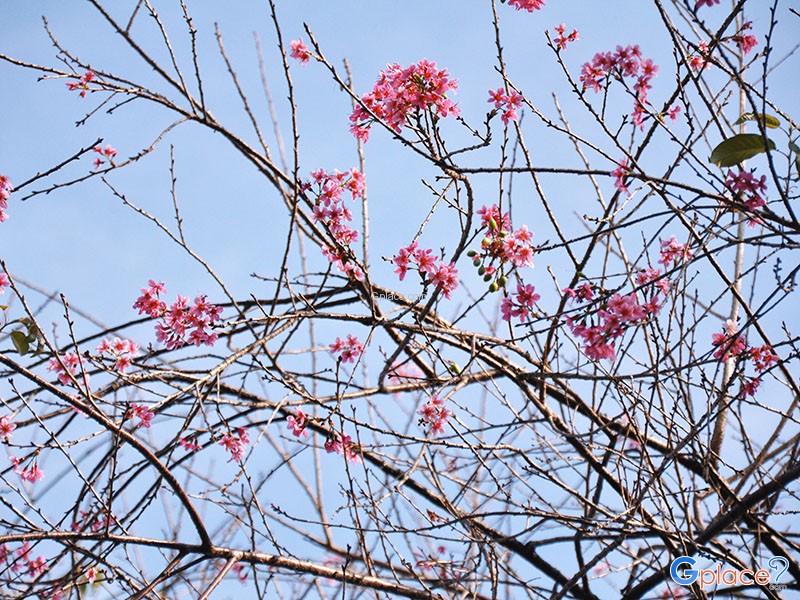
The atmosphere on Doi Mae Salong is distinguished by its strong Yunnanese Chinese culture, including language, dress, and authentic cuisine like Stewed Pork Knuckle with Mantou (Chinese buns). During the winter (January), the entire mountain is painted pink with Himalayan Cherry blossoms (Thai Sakura) blooming along the roadsides, attracting many tourists. Beyond natural beauty, visitors should visit the Chinese Nationalist Soldiers Historical Museum to learn about the hardships of the past that led to the peaceful village of today.
Visiting Doi Mae Salong is like traveling through time to experience the life of the Chinese diaspora integrated into Thai land. You will find lush green tea plantations year-round, cozy tea cafes, and the smiles of various hill tribe groups living together. Sipping hot tea amidst the cold breeze and sea of mist flowing over the peaks is the charm that makes people fall in love with this mountain. Doi Mae Salong is not just a tea-growing area, but a monument of perseverance and the beginning of a new life on one of Thailand's most beautiful landscapes.
How to Get There
-
By Private Car: From Chiang Rai city, take Highway 1 and turn left into Highway 1089 (Mae Chan-Fang). Follow the signs to Doi Mae Salong. The road is winding, steep, and very scenic.
-
By Public Transport: Blue Songthaews (Mae Chan-Mae Salong route) are available at the bus station in Mae Chan District.
Travel Tips
-
Dress Code: Bring warm clothing, as the mountain air is cool to very cold all year round.
-
Souvenirs: Do not miss buying Oolong Tea No. 12 or No. 17, and various types of sweet dried plums as gifts.
Admission Fee:
-
Doi Mae Salong Area & Santikhiri Village: Free Entrance.
-
Chinese Nationalist Soldiers Historical Museum: 20 THB (for both Thais and Foreigners).
Opening Hours:
- Accessible all day
- Important sites like the museum are open 08:00 AM – 05:00 PM.
Doi Mae Salong

 Share
Share
 Santikhiri Village, Mae Salong Nok Sub-district, Mae Fah Luang District, Chiang Rai
Map
Santikhiri Village, Mae Salong Nok Sub-district, Mae Fah Luang District, Chiang Rai
Map
 Closed today
Mon8.00 - 17.00
Tue8.00 - 17.00
Wed8.00 - 17.00
Thu8.00 - 17.00
Fri8.00 - 17.00
Sat8.00 - 17.00
Sun8.00 - 17.00

 https://www.thai-tour.com/thai-tour/north/chiangrai/data/place/pic_doimaesalong.html

 6942
6942