 Attractions
  Hotel
Hotel  Restaurant
  Shopping
  Abroad






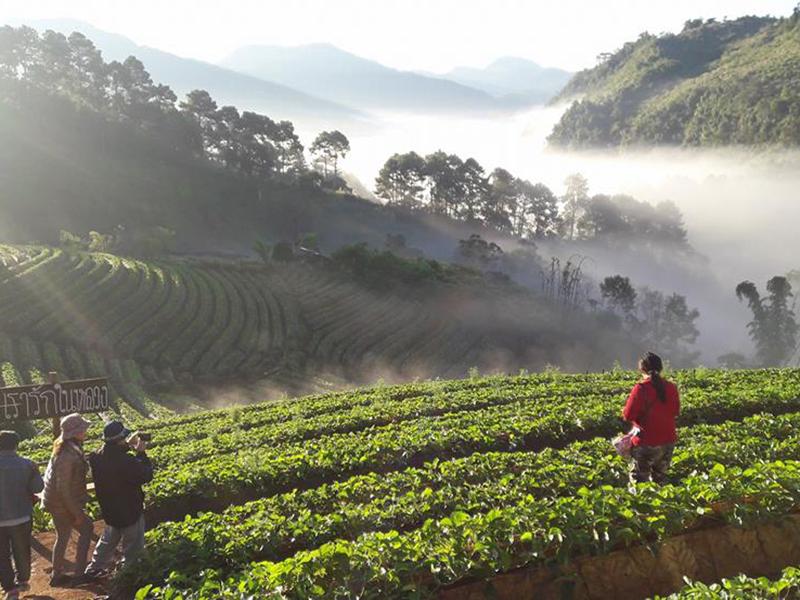
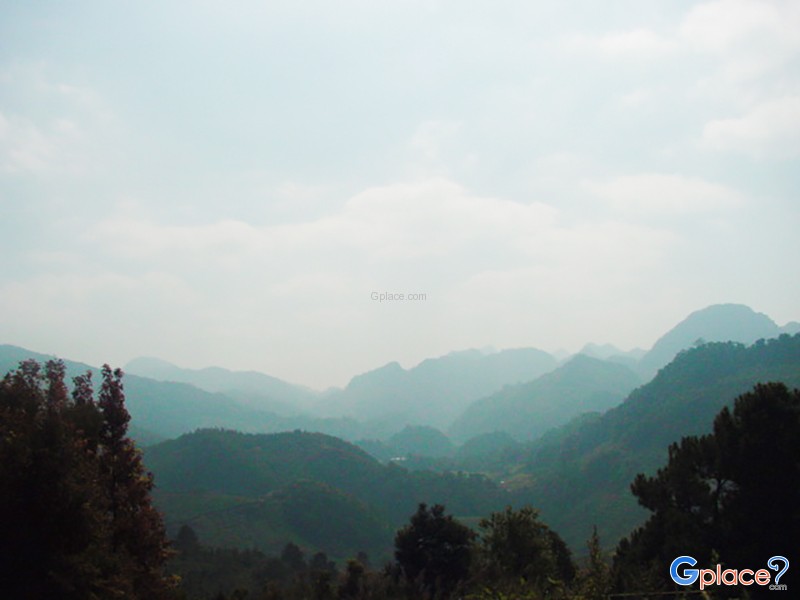
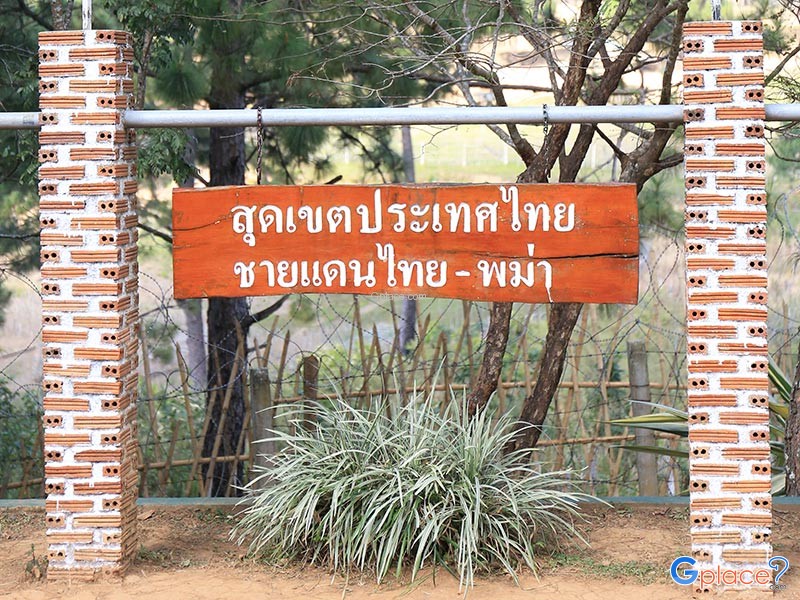
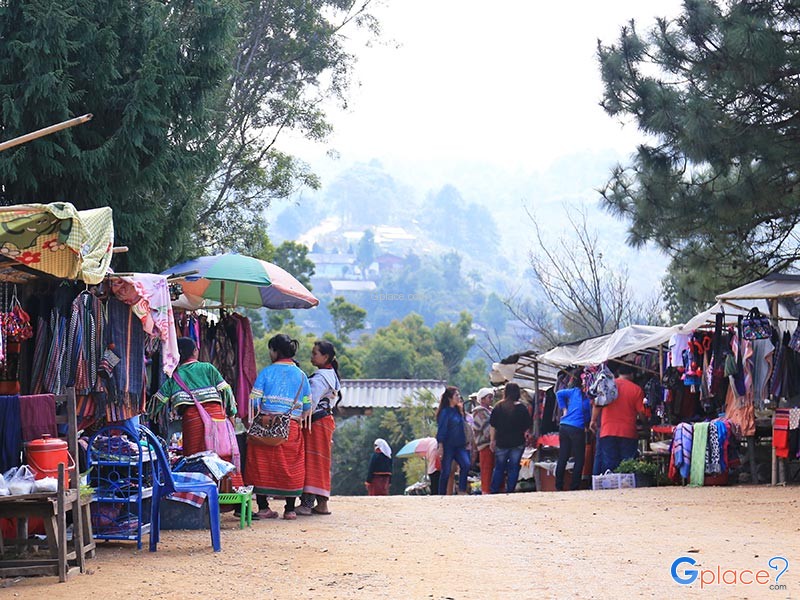
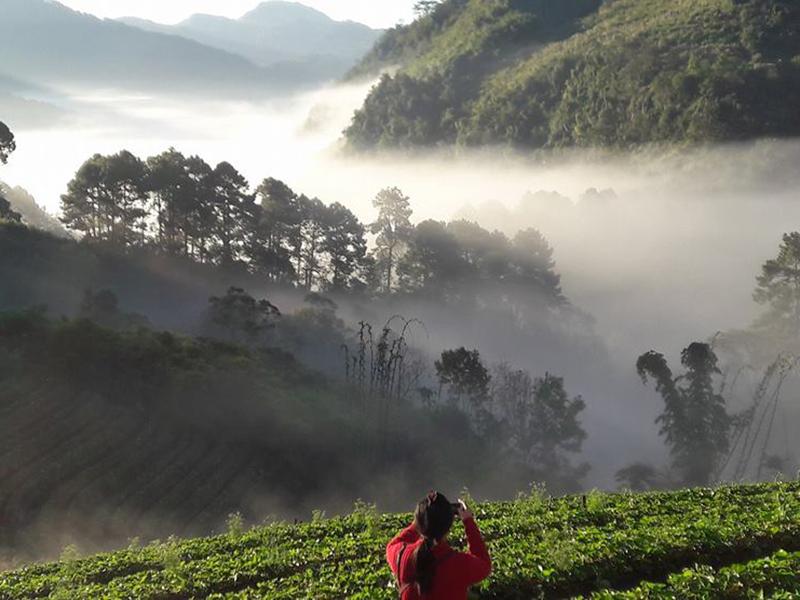
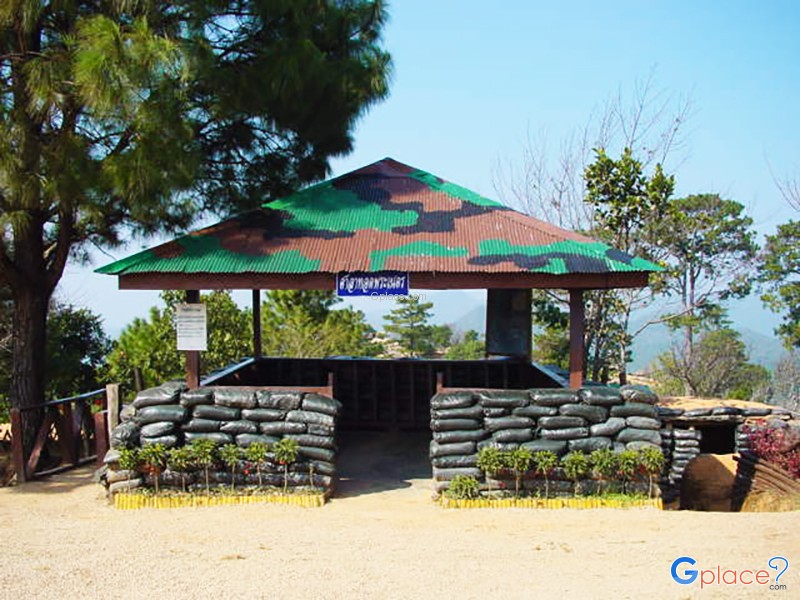
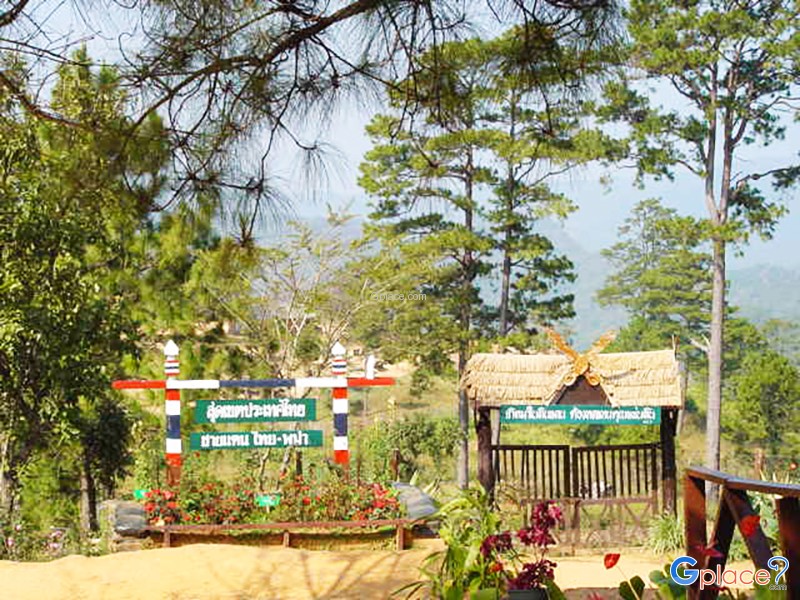
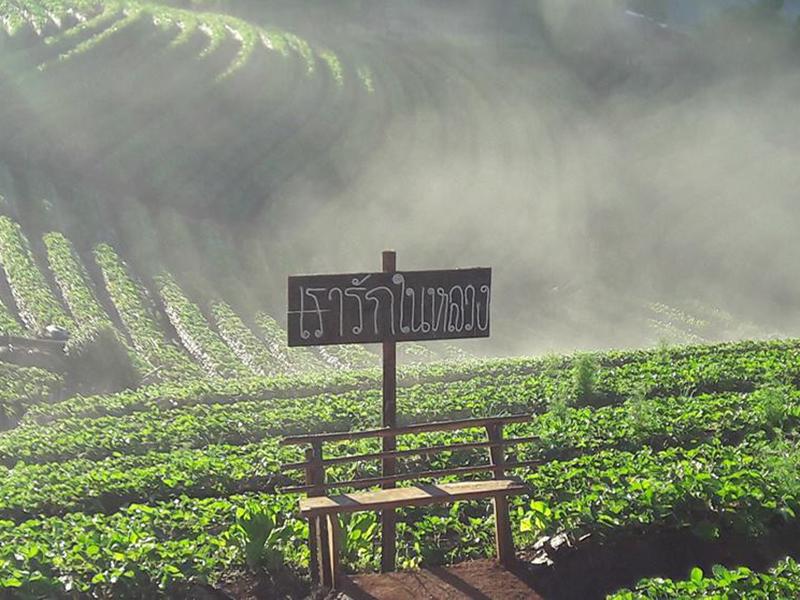
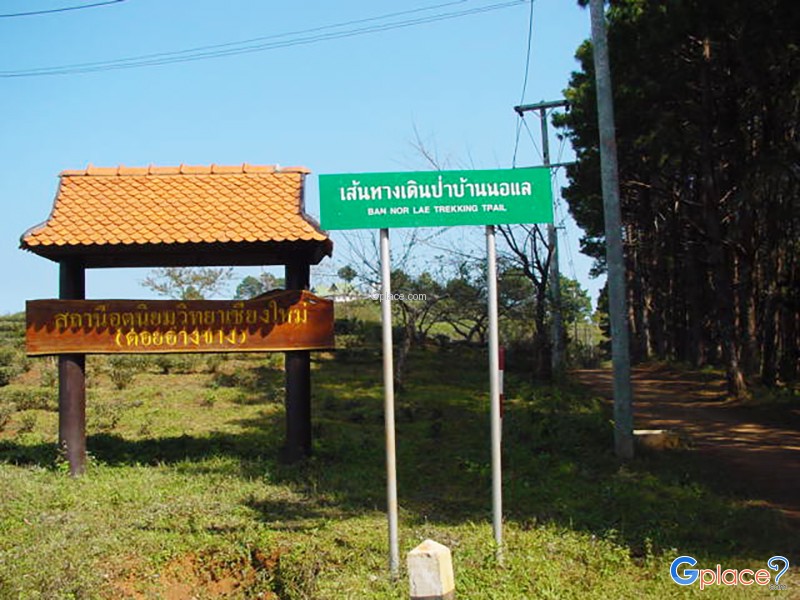
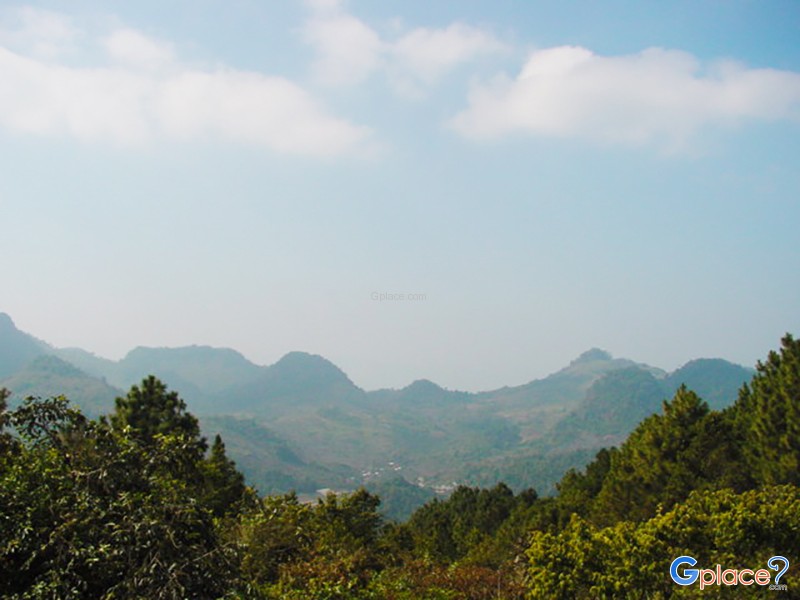


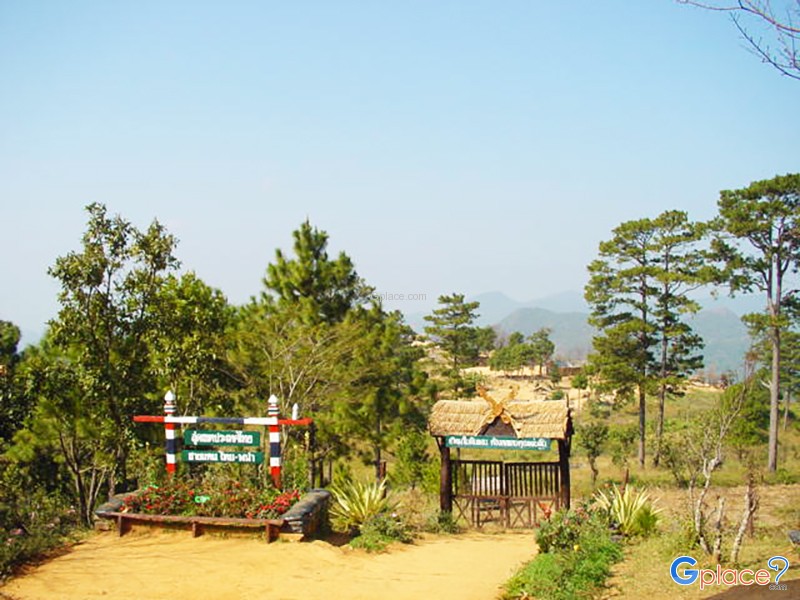
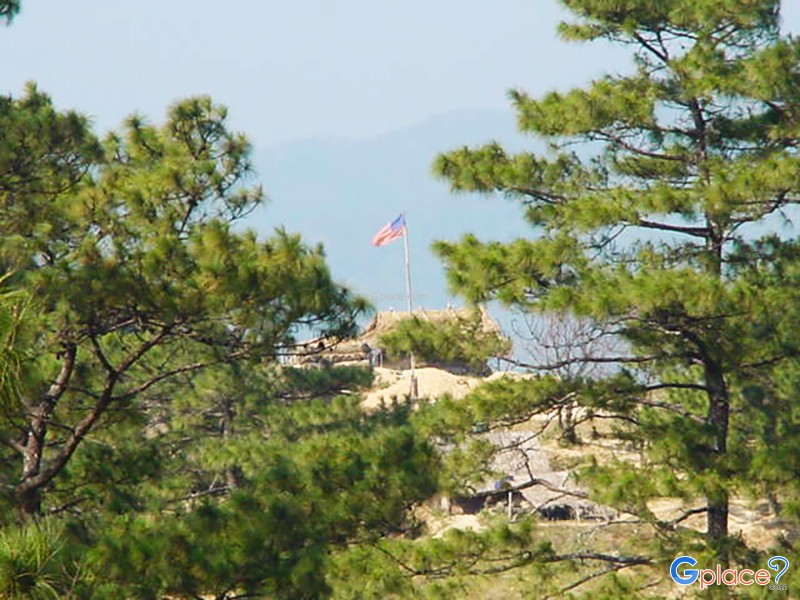
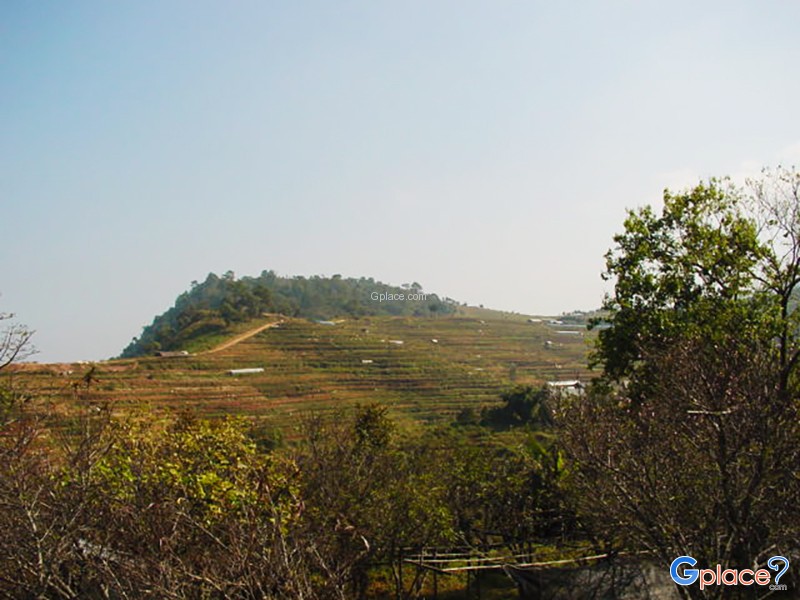
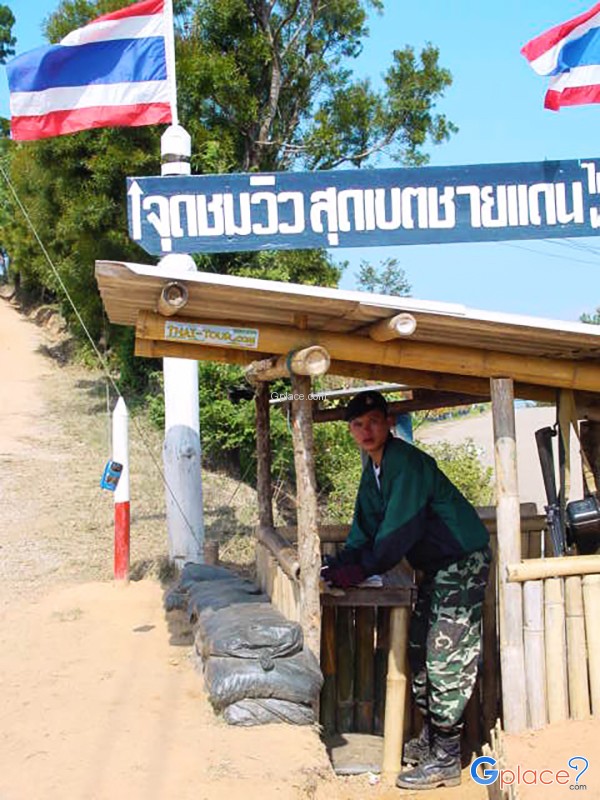
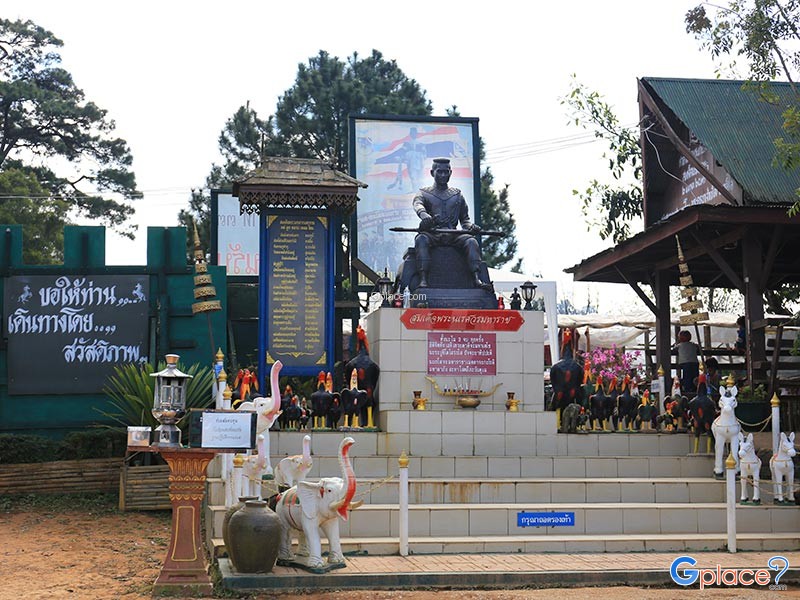
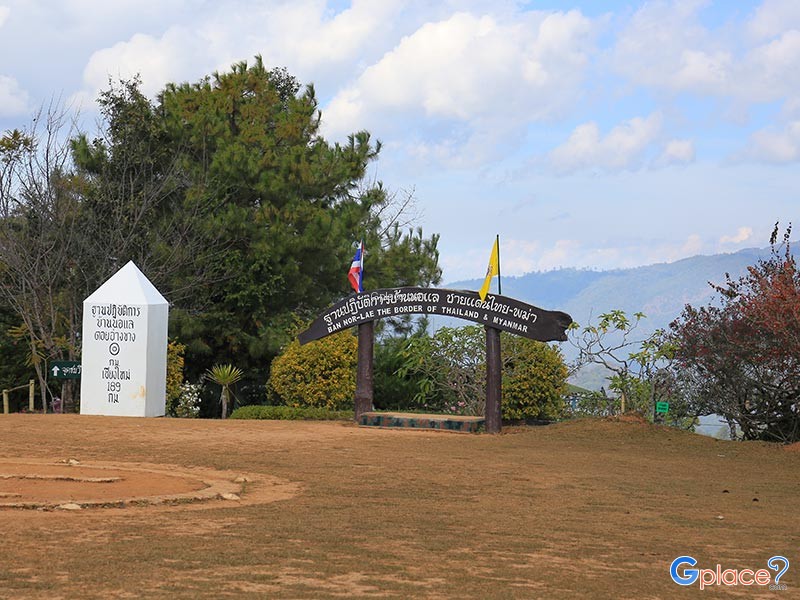

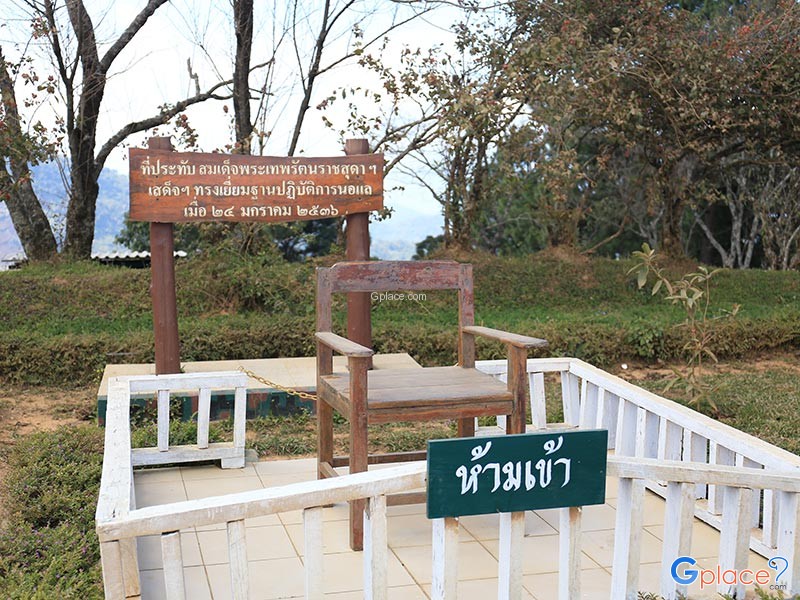
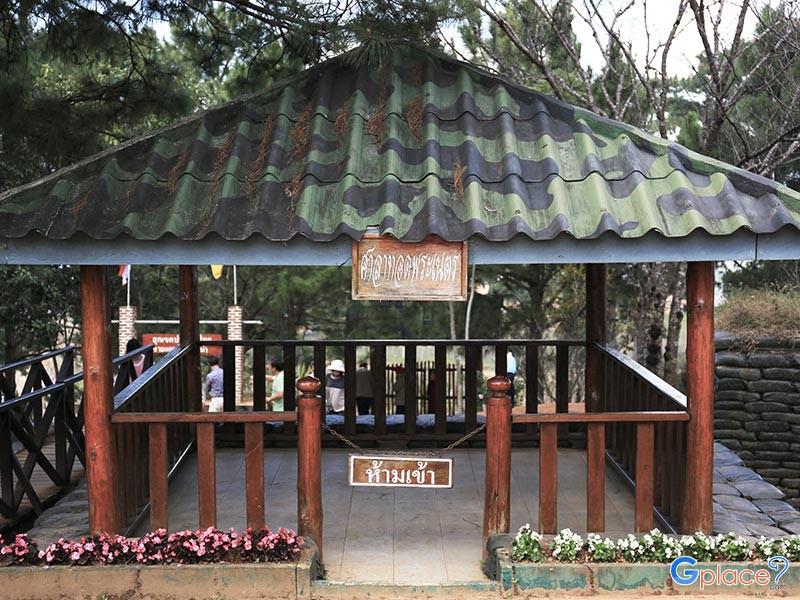
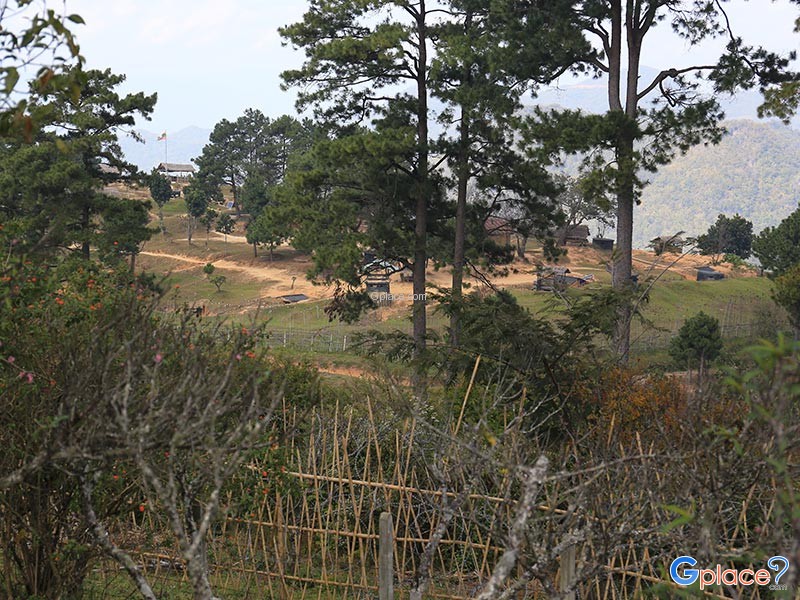
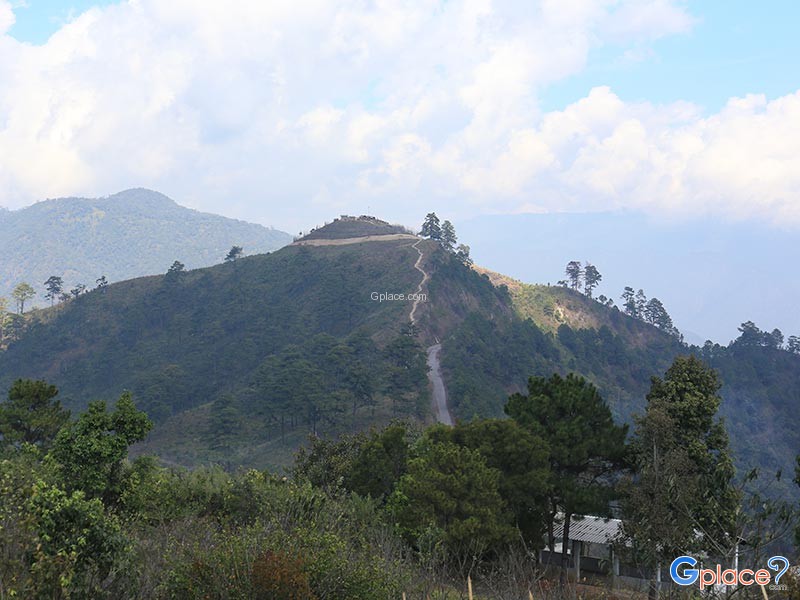
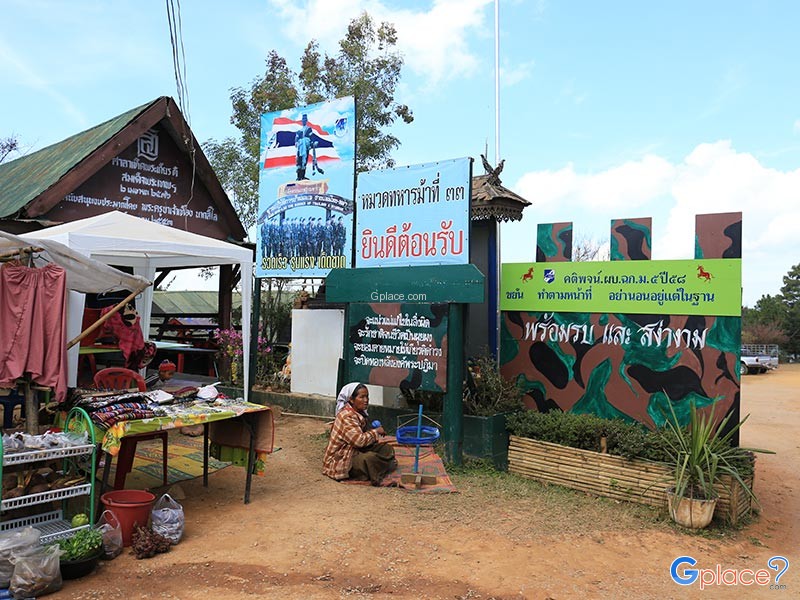
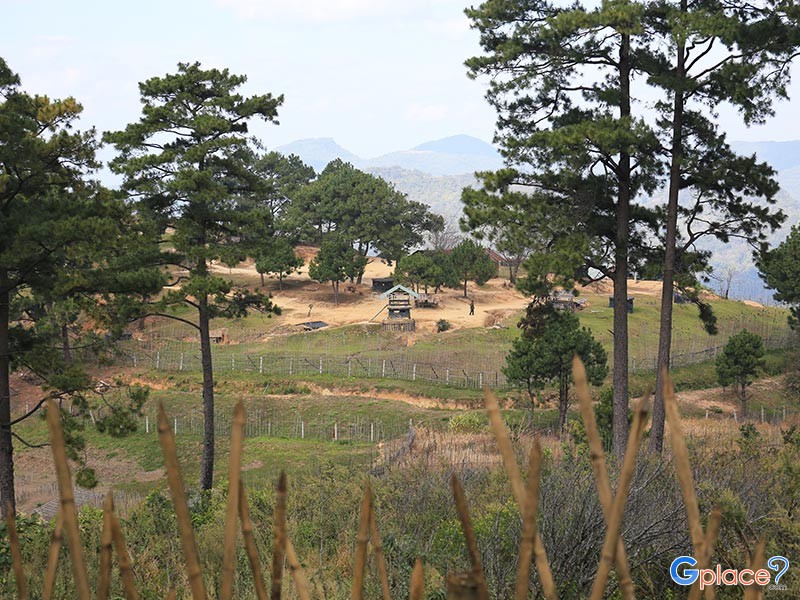
“A traditional Palaung hill tribe village on Doi Ang Khang known for its preserved ethnic culture, spectacular Thailand–Myanmar border viewpoints, and peaceful atmosphere surrounded by layered mountain scenery.”
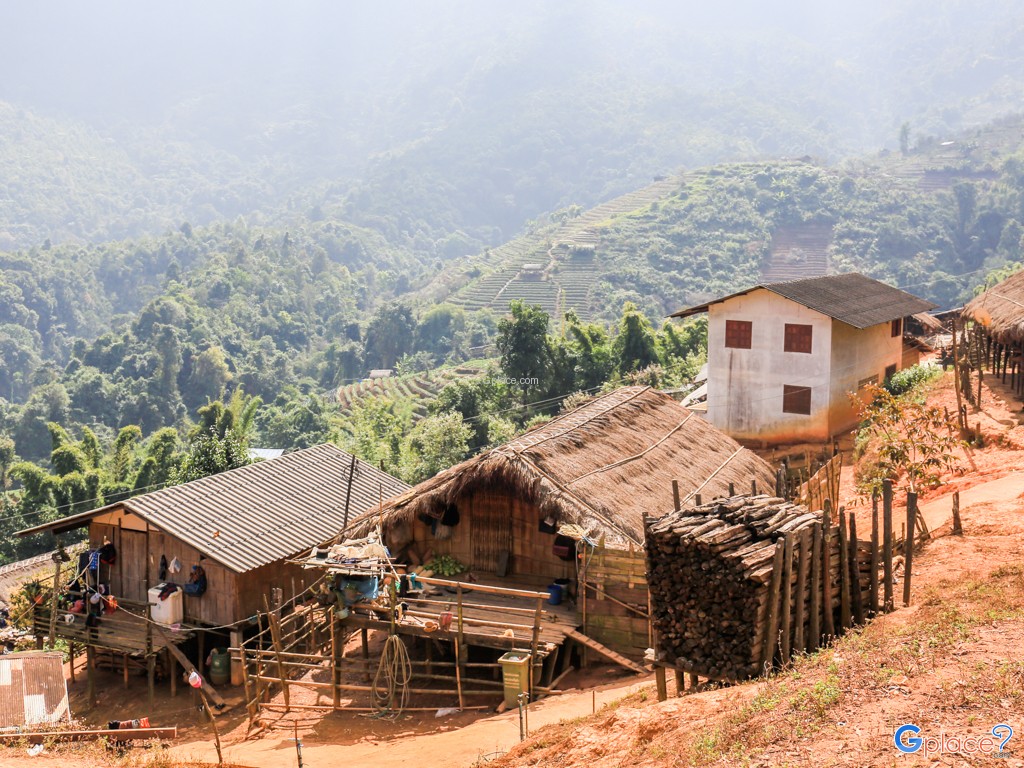
Ban Nor Lae is a hill tribe village inhabited mainly by the Palaung people, also known locally as the Dara-ang ethnic group. The village is located at the far end of the Doi Ang Khang mountain road near the Thailand–Myanmar border in Fang District, Chiang Mai Province. Most villagers migrated from Shan State in Myanmar in 1984 and were granted settlement under the royal patronage of Thailand. Today, the community receives agricultural and vocational support from the Ang Khang Royal Agricultural Station, helping improve local livelihoods while preserving traditional culture and ways of life.
The Palaung people of Ban Nor Lae possess a distinctive cultural identity that differs from other hill tribes in northern Thailand. One of the most recognizable features is the traditional attire worn by Palaung women, who often dress in bright red or colorful garments with patterned skirts and wear multiple layers of woven rattan waist rings, a cultural symbol passed down through generations. The villagers continue to preserve their language, traditions, religious ceremonies, and local beliefs, blending Buddhism with indigenous customs.
One of the greatest charms of Ban Nor Lae is its authentic tribal lifestyle and cultural heritage. Visitors can explore traditional wooden houses, observe women wearing colorful tribal clothing, and shop for handmade textiles, jewelry, and handicrafts created using traditional weaving techniques. Many households still use wooden handlooms to produce locally woven fabrics, with each pattern carrying symbolic meanings connected to tribal identity and history.
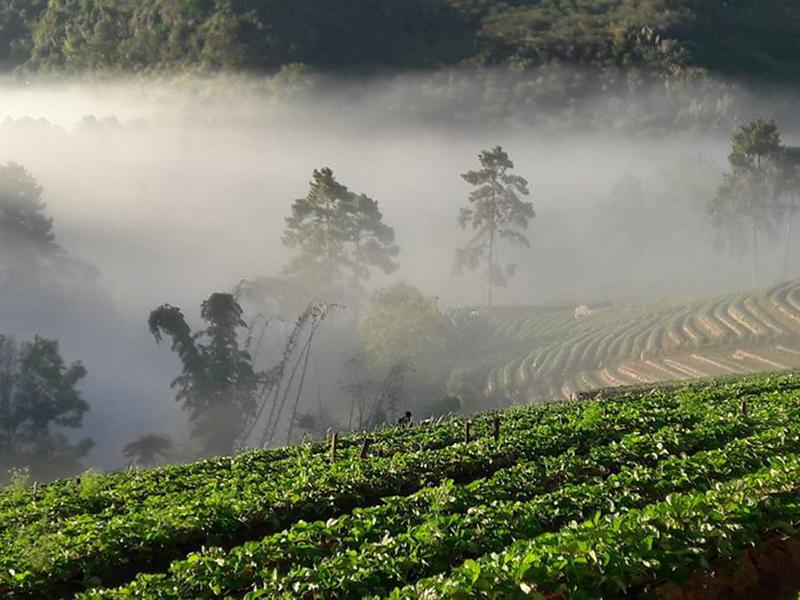
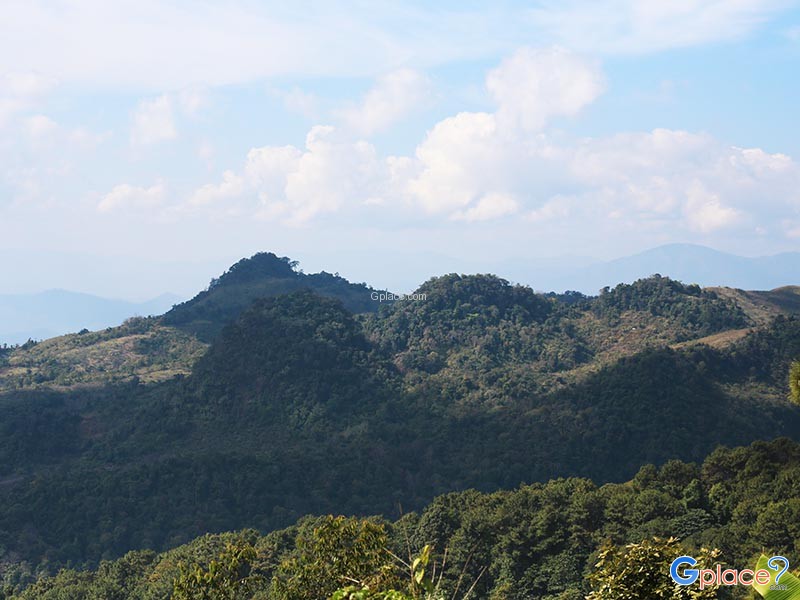
Another major attraction is the Nor Lae Border Operations Base, located directly along the Thailand–Myanmar border. This viewpoint is one of the most famous scenic spots on Doi Ang Khang. Visitors can enjoy panoramic views of the mountains of Shan State in Myanmar, as well as nearby villages and military posts across the border. Only a fence separates the two countries. The area once played an important strategic role during periods of border unrest in northern Thailand, and military personnel continue to maintain security in the area today. In the early morning, thick seas of mist drift across the valleys, creating a peaceful and unforgettable landscape.
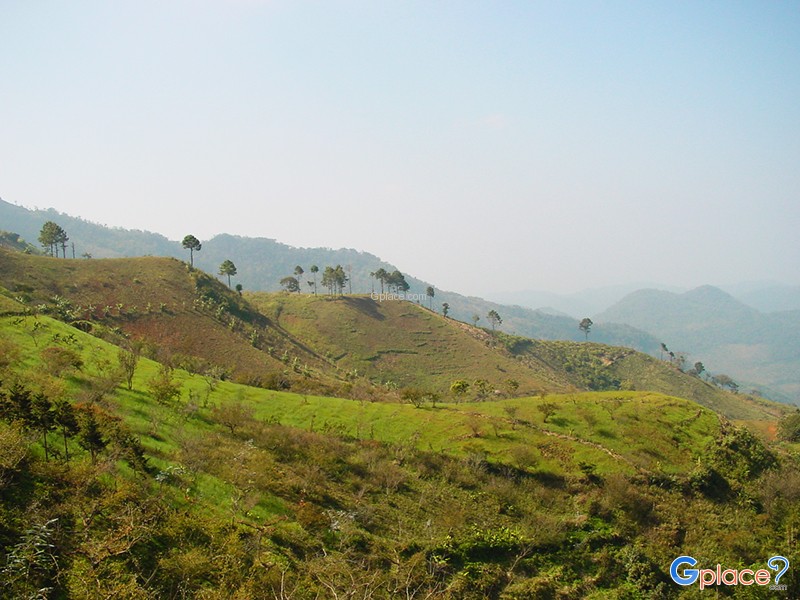
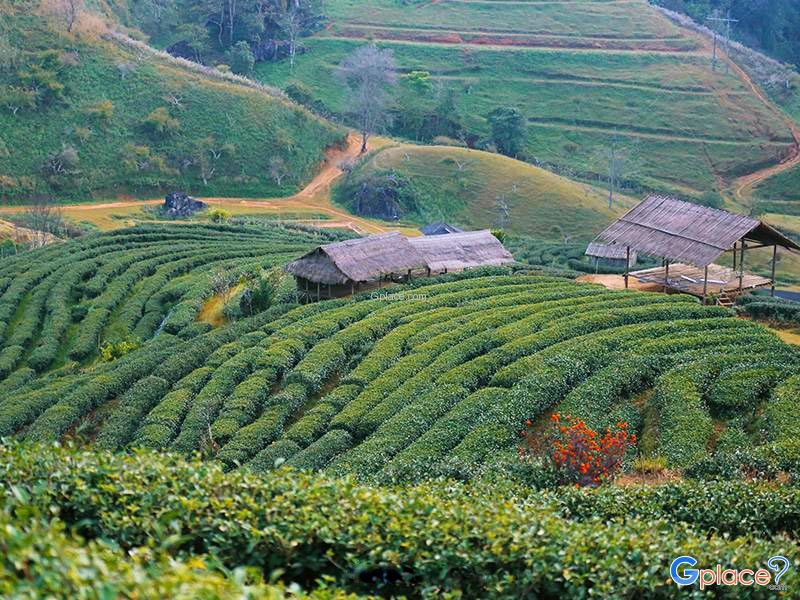
The surrounding area is covered by complex mountain ranges and enjoys cool weather throughout most of the year. During winter, temperatures may drop to single digits, making the region ideal for growing temperate crops such as strawberries, plums, peaches, cabbage, and tea. Between December and January, visitors can admire terraced strawberry farms and colorful winter flowers blooming throughout Doi Ang Khang, adding even more beauty to the mountain scenery.
During the cool season, Ban Nor Lae attracts many travelers who come to experience tribal culture and enjoy the sea of mist. Despite increasing tourism, the village has maintained its peaceful atmosphere and simple way of life. Many visitors choose to stay in local homestays, waking up to cool mountain air, misty landscapes, and the sounds of village life along the border mountains.
Beyond its natural beauty and cultural richness, Ban Nor Lae also reflects the successful development of highland communities in northern Thailand. The Royal Project has played a vital role in promoting sustainable agriculture, replacing opium cultivation from the past with stable and environmentally friendly farming practices. This development has helped local villagers improve their quality of life while preserving forests and natural resources.
For photography enthusiasts, Ban Nor Lae is considered one of the most photogenic locations on Doi Ang Khang. Popular subjects include tribal lifestyles, traditional mountain houses, strawberry plantations, morning mist, and layered mountain landscapes stretching across the Myanmar border. Sunrise and sunset are especially beautiful, as golden light creates dramatic depth across the mountain ridges.
Ban Nor Lae is not simply a tourist destination, but a place where travelers can truly experience the stories of border communities, highland tribal culture, and the peaceful beauty of northern Thailand’s mountain landscapes.
How to Get There
- From Chiang Mai city, take Highway 107 (Chiang Mai–Fang Road) toward Fang District. At Kilometer 137, turn left onto the road leading up to Doi Ang Khang. Continue driving past the Ang Khang Royal Agricultural Station for approximately 5 kilometers until reaching Ban Nor Lae, located at the end of the main mountain road.
Travel Tips
- Arrive early in the morning to enjoy the sea of mist and sunrise views over the Myanmar mountains
- The weather can be very cold, especially during winter, so bring warm clothing
- Always ask for permission before photographing local villagers
- Support the community by purchasing handwoven textiles, jewelry, and local handicrafts
- Visit the Nor Lae Border Operations Base before evening, as the area closes before sunset
Admission Fee:
- Free of charge
Opening Hours:
- Open daily: 06:00 AM – 06:00 PM
(Visitors are advised to enter the Nor Lae Border Operations Base before sunset)
Ban Nor Lae

 Share
Share
 Moo 14, Mae Ngon, Fang, Chiang Mai 50320
Map
Moo 14, Mae Ngon, Fang, Chiang Mai 50320
Map
 Closed today
Mon6.00 - 18.00
Tue6.00 - 18.00
Wed6.00 - 18.00
Thu6.00 - 18.00
Fri6.00 - 18.00
Sat6.00 - 18.00
Sun6.00 - 18.00



 10501
10501
Recommend trips
All reviews
(List 0 review)Nearby Places
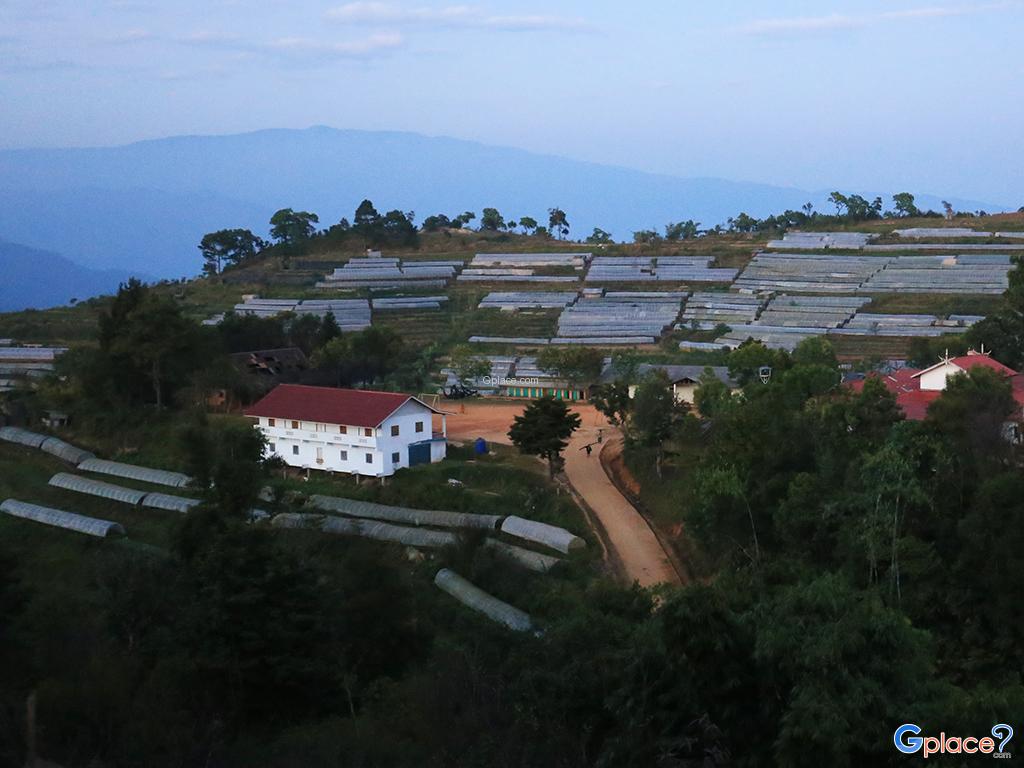


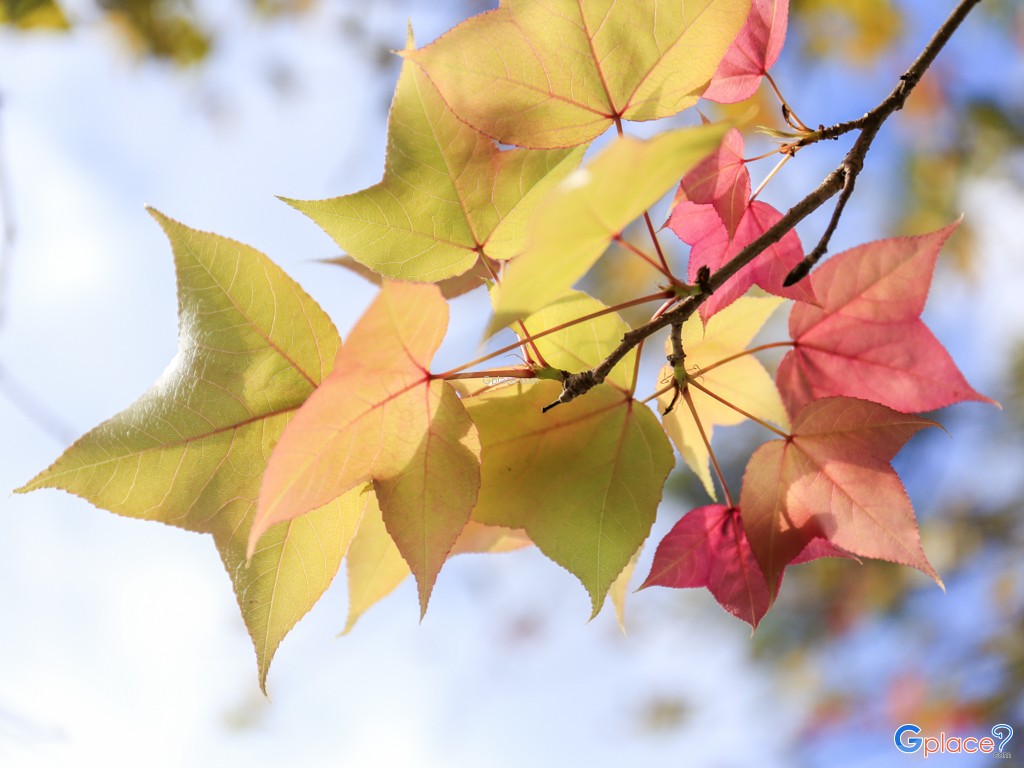 Maple Trees and Deciduous Foliage Garden Ang Khang Royal Agricultural Station
(List 0 review)
Distance 4.20 Kilometer
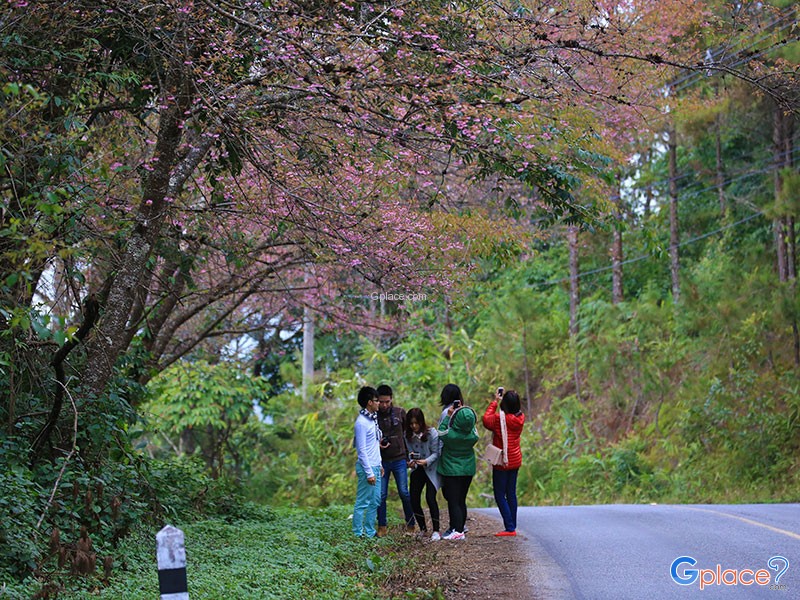
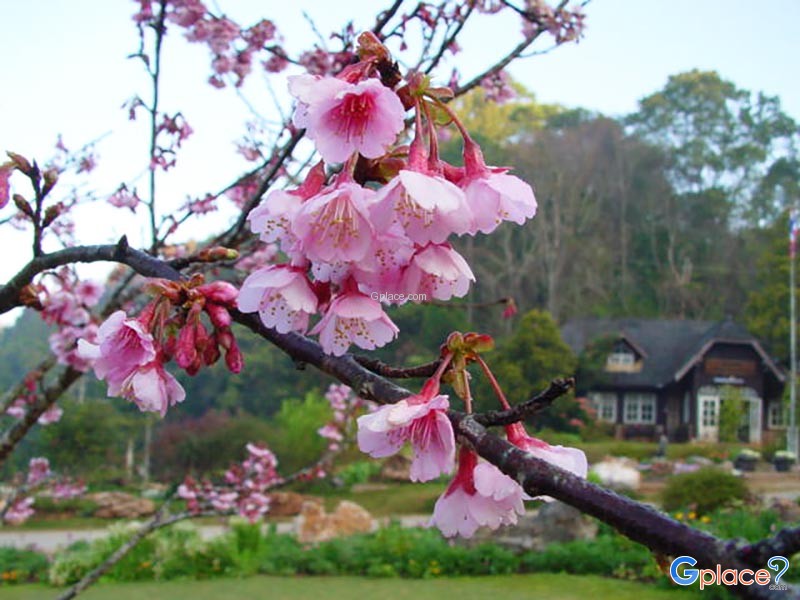
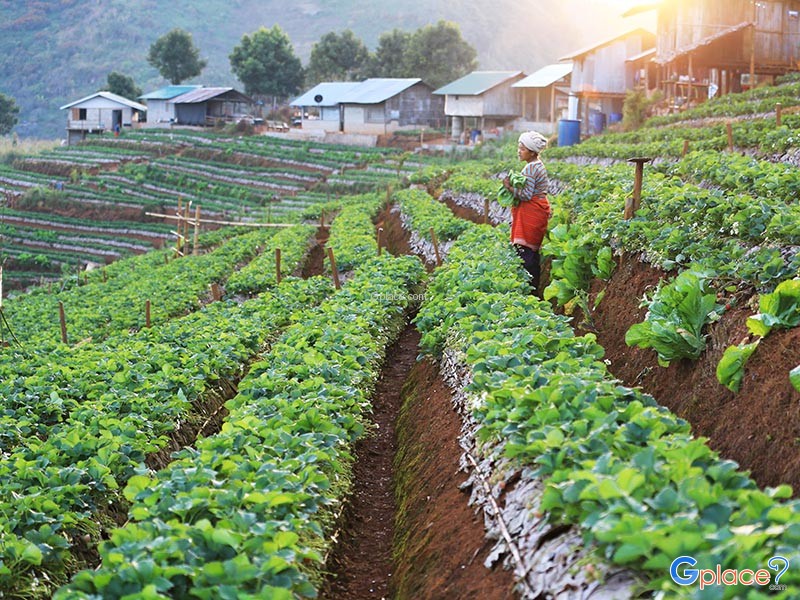
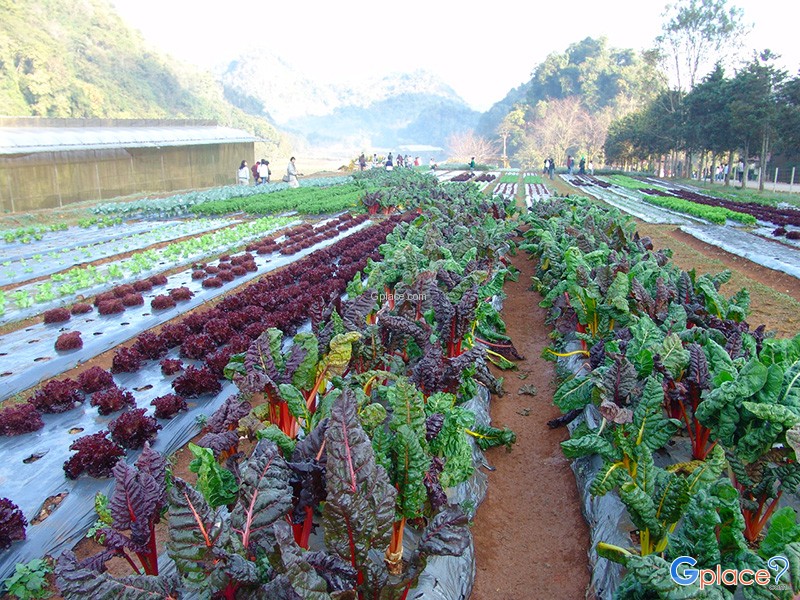
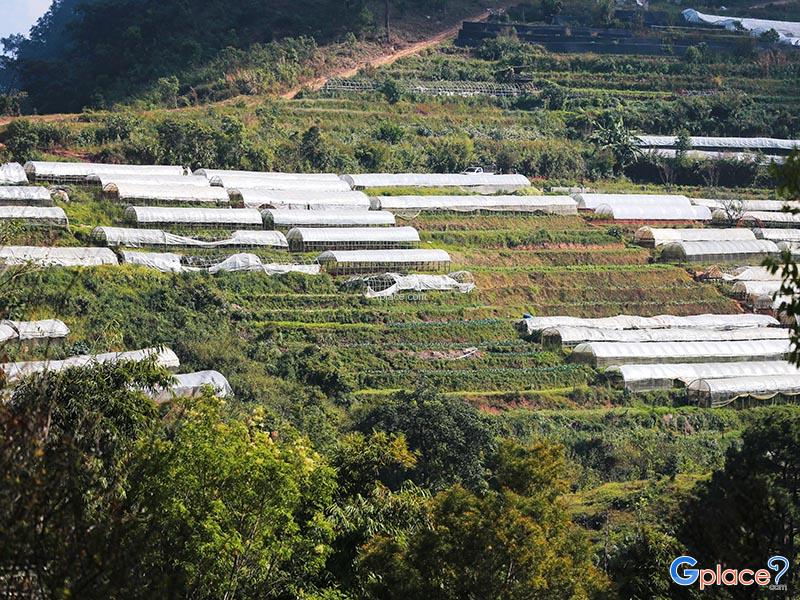 Organic Vegetable Demonstration Plots and Temperate Crop Gardens Ang Khang Royal Agricultural Station
(List 0 review)
Distance 7.63 Kilometer