
 Attractions
  Hotel
Hotel  Restaurant
  Shopping
  Abroad





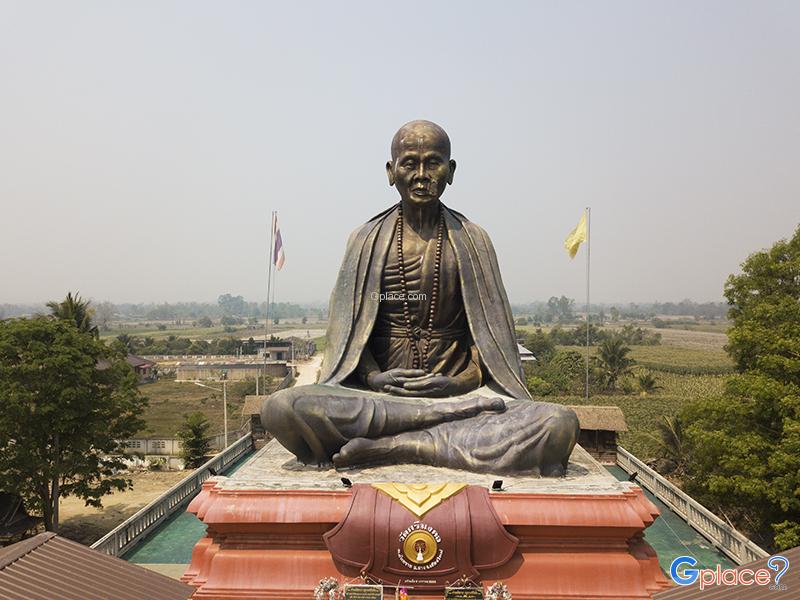

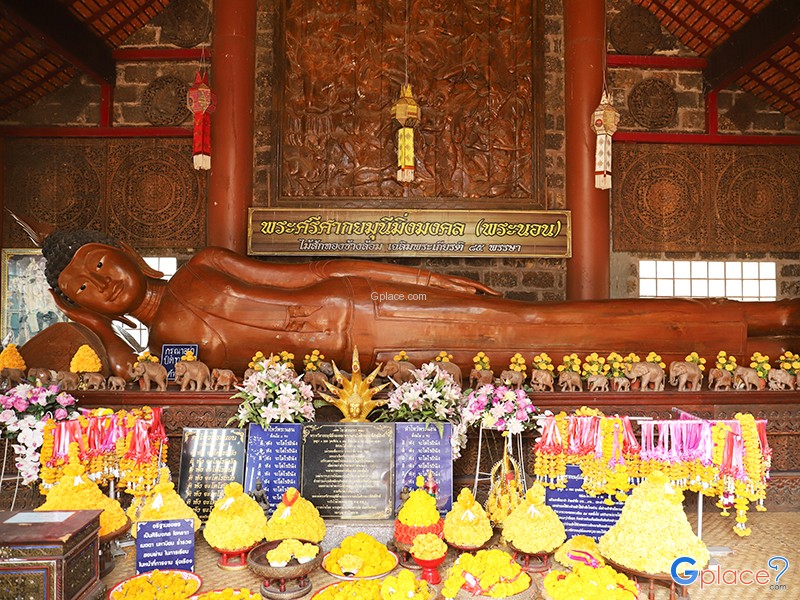
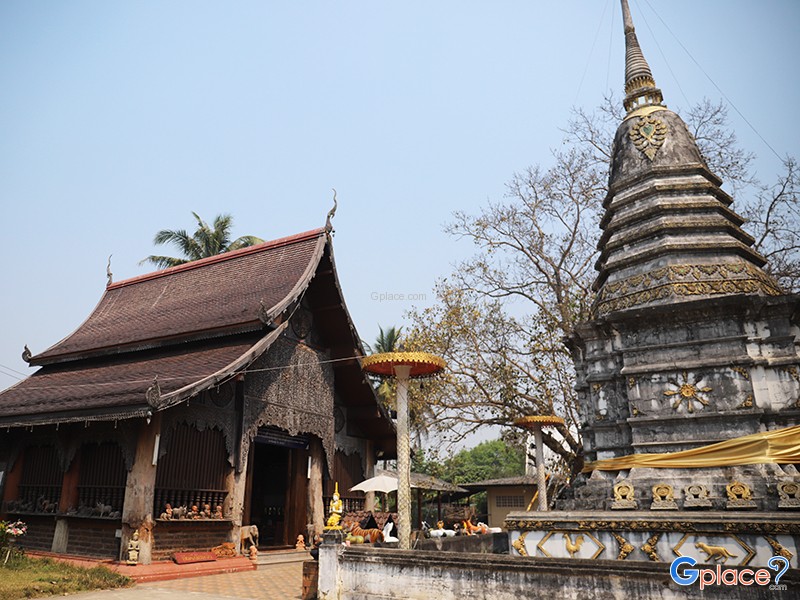
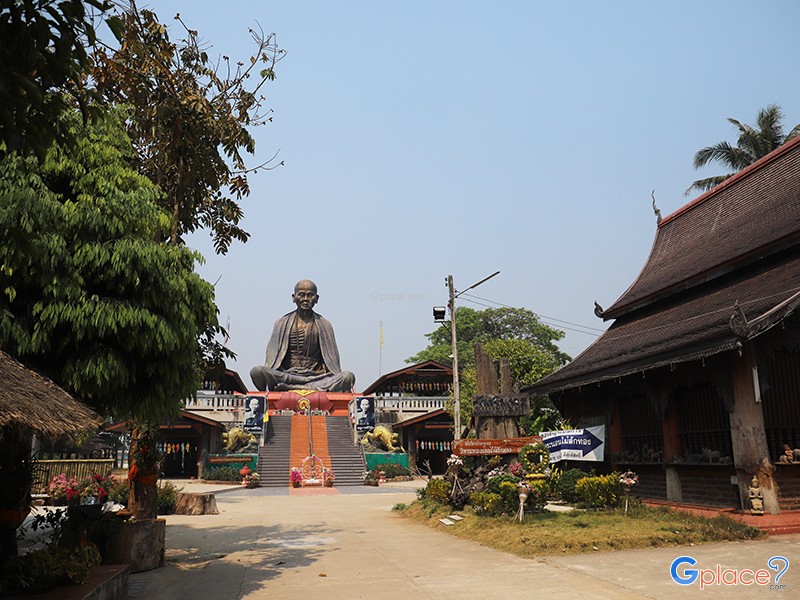
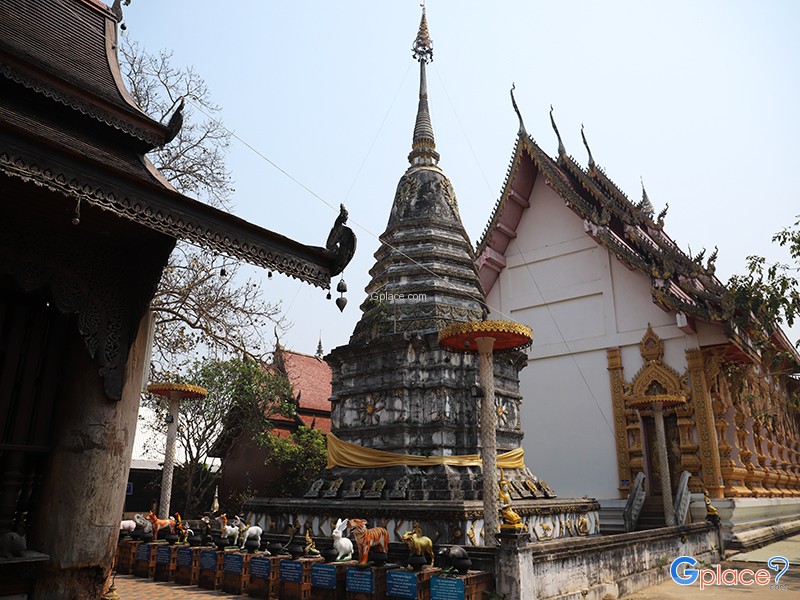
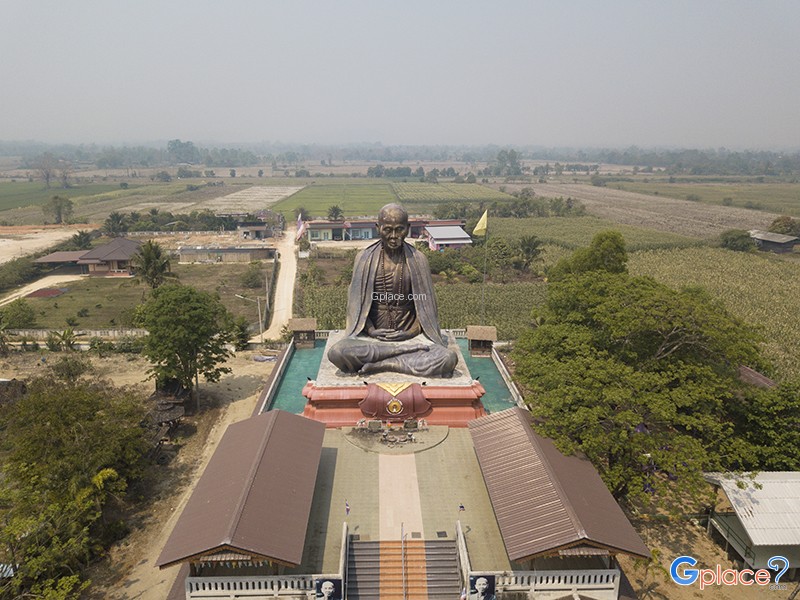
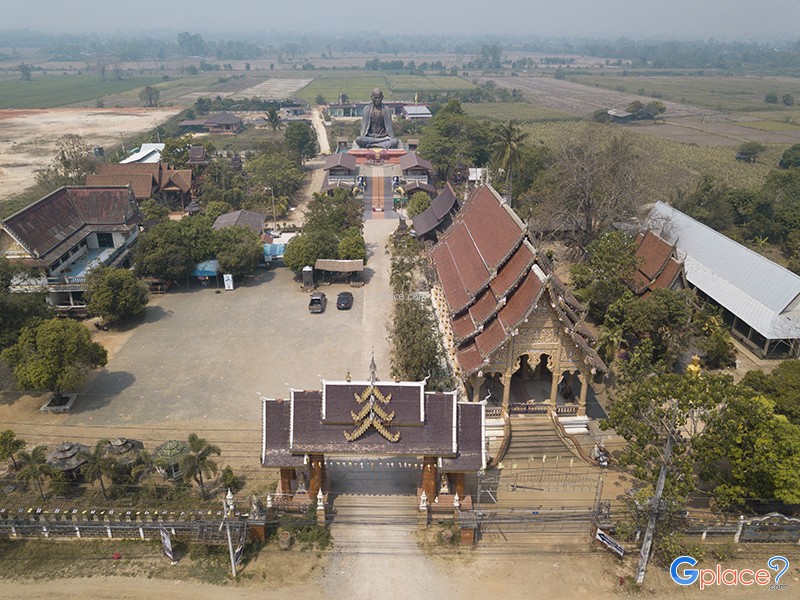
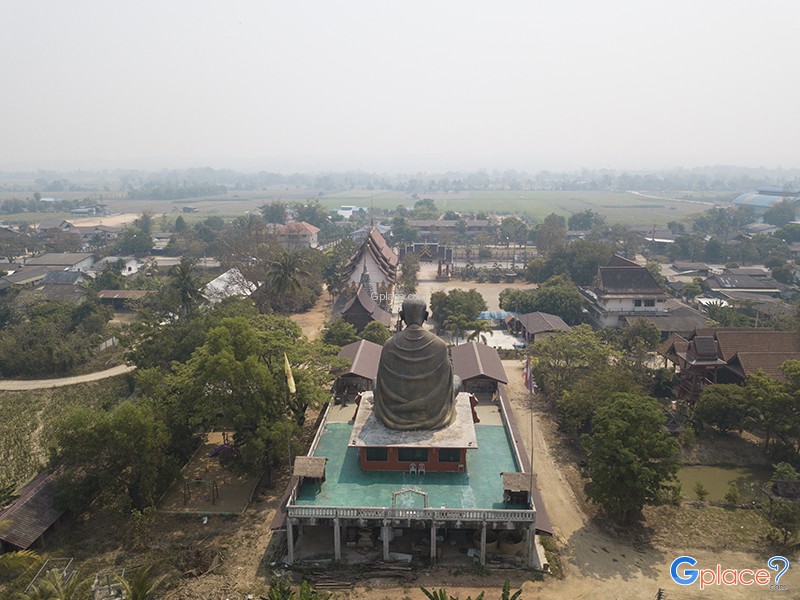
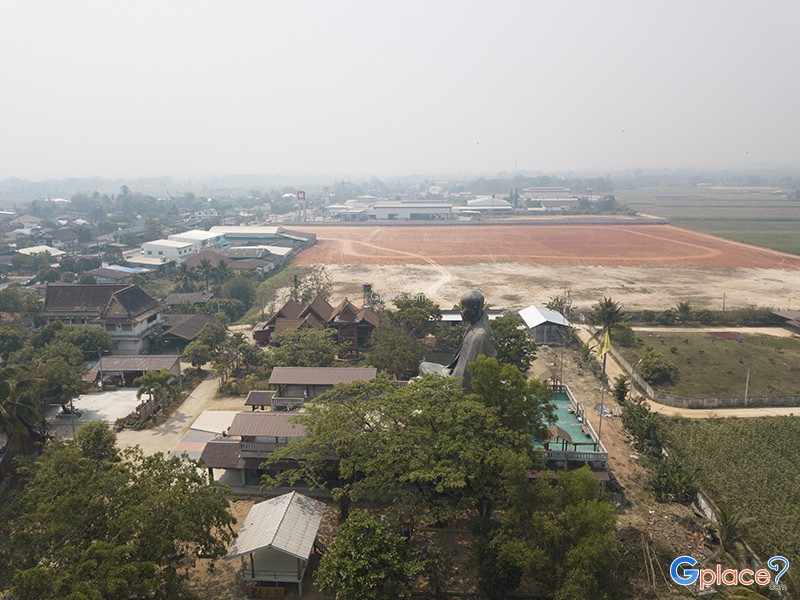
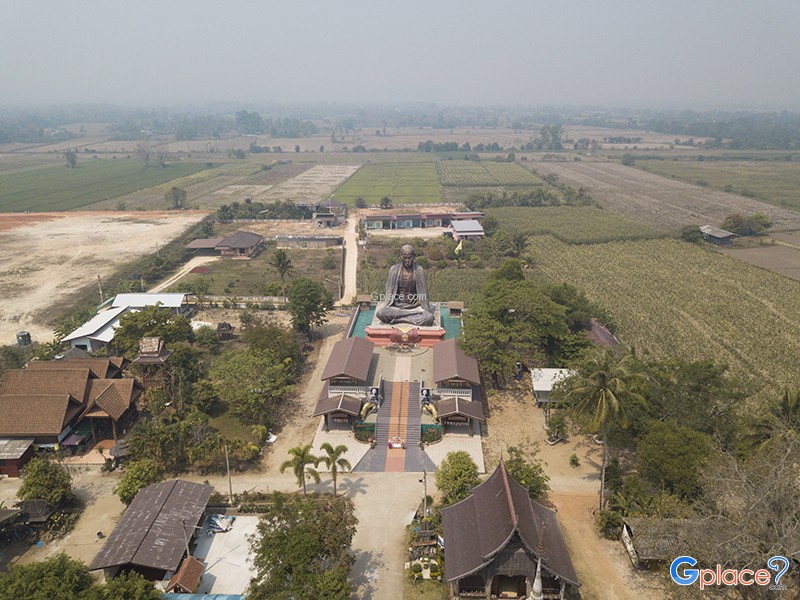
“An ancient temple in downtown Fang, featuring a Lanna-style viharn, a sacred principal Buddha image, and a beautiful chedi.”
Wat Sri Mongkhon (Wat Sri Mongkhon) is an ancient temple that has played an important role in the Fang community for many generations. It is regarded as an important center of Buddhism in Fang District, Chiang Mai Province. The name "Sri Mongkhon" signifies prosperity, auspiciousness, and goodness, reflecting the temple’s role as a spiritual center for local people across generations in terms of religion, education, and the preservation of local culture.
According to local historical evidence, Fang was an ancient settlement that prospered during the Lanna Kingdom era. Located along an important transportation route connecting Chiang Mai with northern towns and border regions, the area became a place of continuous cultural exchange in art, beliefs, and religious traditions. As a result, Wat Sri Mongkhon became a spiritual center for the local community and an important venue for Buddhist ceremonies throughout Fang’s history.
The temple architecture clearly reflects the identity of Northern Lanna art and architecture, particularly the traditional Lanna-style viharn, which has been carefully restored while preserving its original form. The building is elevated above the ground and features multiple-tiered roofs according to traditional Lanna viharn design principles. The gable is decorated with floral motifs, vine patterns, and celestial figures commonly found in Northern Thai craftsmanship. The extended roof eaves help protect the structure from sunlight and rain, demonstrating traditional Lanna architectural wisdom, while the wooden columns and carved decorations showcase the remarkable skills of craftsmen from the past.
Inside the viharn is enshrined the principal Buddha image in the Mara-Vijaya posture, a beautiful example of Lanna Buddhist art. The Buddha image features a serene face, arched eyebrows, elongated eyes, and a gentle smile, characteristics commonly associated with Lanna artistic traditions emphasizing peace and compassion. Local residents believe that paying homage to this principal Buddha image brings blessings for success in life, career advancement, business prosperity, and family well-being. As a result, worshippers visit throughout the year.
Another important feature is the Lanna-style bell-shaped principal chedi, located behind the viharn. The chedi stands on a twelve-cornered recessed base, a form commonly found in Lanna architecture, combined with a rounded bell-shaped body and a slender spire rising toward the umbrella finial. This architectural style reflects influences from Lanna art between the 21st and 24th Buddhist centuries, a period when the construction of relic stupas and chedis flourished throughout Northern Thailand. The chedi serves as an important symbol of the community’s devotion to Buddhism.
Beyond its architectural value, Wat Sri Mongkhon continues to serve as a center for Lanna traditions in Fang District, including the Yi Peng Festival, the lighting of clay oil lamps, the offering of Lanna lanterns, merit-making ceremonies during the Northern New Year, water-pouring rituals during Songkran, Buddhist Lent and End of Buddhist Lent ceremonies, as well as the Poi Luang Festival, a major merit-making celebration in Northern Thai communities. These events reflect the strong relationship between the temple and the local way of life.
Historically, the temple also served as a community educational center, similar to many important temples throughout the Lanna Kingdom. It was a place where people learned Lanna Dharma script, Buddhist teachings, and local wisdom passed from monks to younger generations. This role helped preserve Northern Thai culture, language, and traditional beliefs, many of which continue today.
The temple grounds are shaded by large trees that have grown for decades. Several areas have been arranged as resting spaces and meditation corners, creating a peaceful atmosphere that contrasts with the busy surroundings of Fang Town. Visitors can spend time admiring the temple’s artistic details, learning about local history, or enjoying quiet reflection in a setting filled with faith and tranquility.
Due to its location in the center of Fang District, Wat Sri Mongkhon serves as an excellent starting point for cultural tourism in the region. Visitors can conveniently continue their journey to nearby attractions such as Wat Phra Chao Fang, Fang Hot Springs, Doi Pha Hom Pok National Park, Doi Ang Khang, and various ethnic communities in Fang District. As a result, the temple is not only a place of worship but also a gateway to understanding the history, culture, and identity of Fang.
Today, Wat Sri Mongkhon (Wat Sri Mongkhon) remains a spiritual center for Buddhists in Fang District, an important venue for religious ceremonies, and a center for learning about Lanna arts and culture. It is a destination for visitors interested in exploring local history, architecture, and traditional community life that continues to be preserved and passed down to the present day.
How to Get There
- By Private Car: From Chiang Mai city, take Highway No. 107 (Chiang Mai–Fang Road) for approximately 150 kilometers to Fang District. Continue into the municipal area of Fang. The temple is located on Chotana Road near Fang Market and the former district administrative center. Temple signs and the entrance gate are clearly visible, and parking is available within the temple grounds.
- By Public Transportation: Take a bus or van on the Chiang Mai–Fang route from Chang Phueak Bus Terminal in Chiang Mai to Fang Bus Terminal. From there, continue by motorcycle taxi, local tricycle, or a short walk to the temple.
Travel Tips
- Take time to admire the intricate wood carvings and decorative details of the Lanna-style viharn.
- The period between 6:30 AM and 9:00 AM offers a peaceful atmosphere and cool weather, ideal for merit-making and photography.
- Visiting during the Yi Peng Festival or Songkran allows travelers to experience traditional Lanna cultural celebrations.
- The temple can easily be included in a travel itinerary alongside Wat Phra Chao Fang, Doi Ang Khang, and Fang Hot Springs.
- Dress respectfully, avoid sleeveless tops and short pants, and remove footwear before entering religious buildings.
Admission Fee:
- Free of charge (No admission fee for both Thai and international visitors)
Opening Hours:
- Open daily for visits and worship from 6:00 AM to 6:00 PM.
Wat Sri Mongkhon
 1
1
 Share
Share
 Chotana Road, Wiang, Fang, Chiang Mai 50320
Map
Chotana Road, Wiang, Fang, Chiang Mai 50320
Map
 Open now : 6.00 - 18.00
Mon6.00 - 18.00
Tue6.00 - 18.00
Wed6.00 - 18.00
Thu6.00 - 18.00
Fri6.00 - 18.00
Sat6.00 - 18.00
Sun6.00 - 18.00



 1600
1600