
 Attractions
  Hotel
Hotel  Restaurant
  Shopping
  Abroad
  Nearby Places





แกรนด์แคนยอนเมืองไทย

 2563
2563
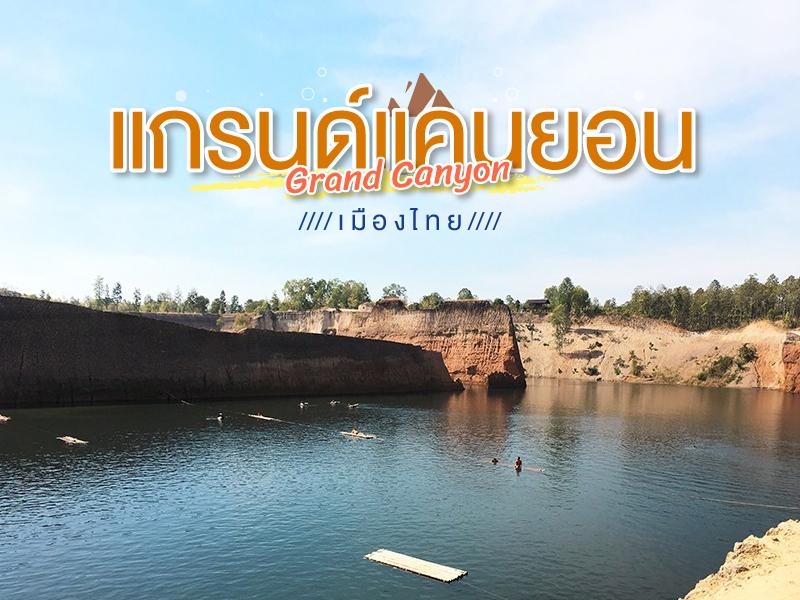 รวมจุด เนินหิน เนินดิน หรือที่เรียกกันว่า "แกรนด์แคนย่อน" เมืองไทย
1
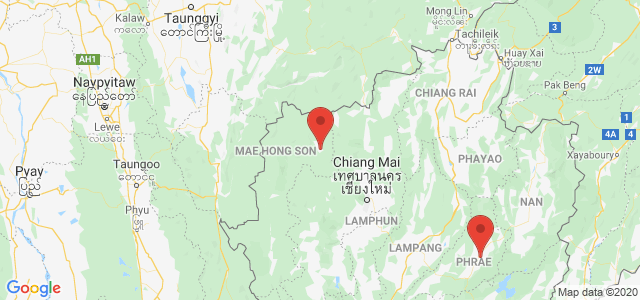
Pha Chor
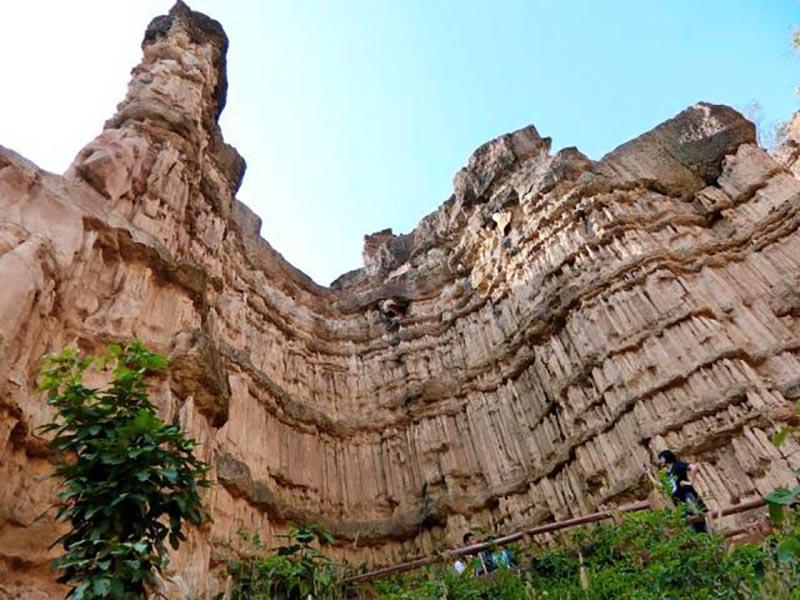
Pha Chor (Pha Chor) is one of the most remarkable natural attractions within Mae Wang National Park, Chiang Mai Province. Often referred to as “Thailand’s Grand Canyon,” this extraordinary landscape was formed through natural geological processes over millions of years, creating dramatic earth cliffs and towering sediment pillars unlike anywhere else in Thailand.
The cl...
read more
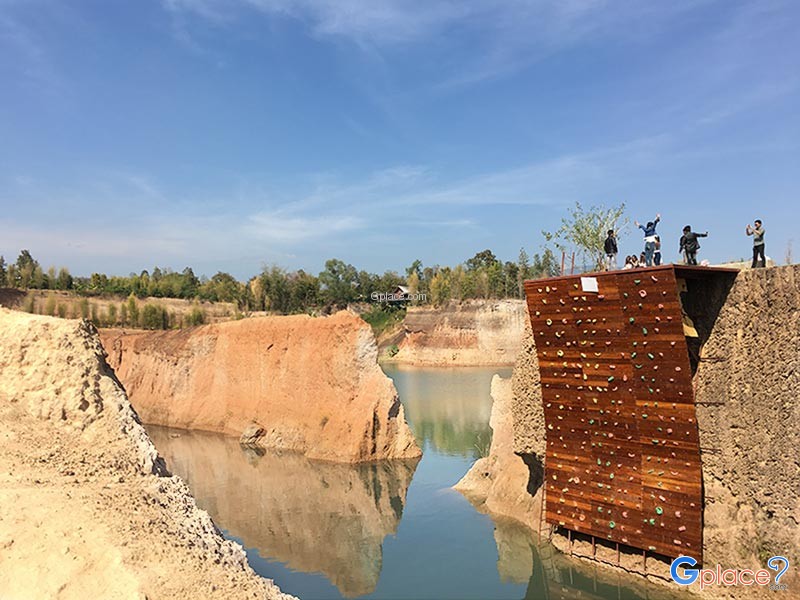
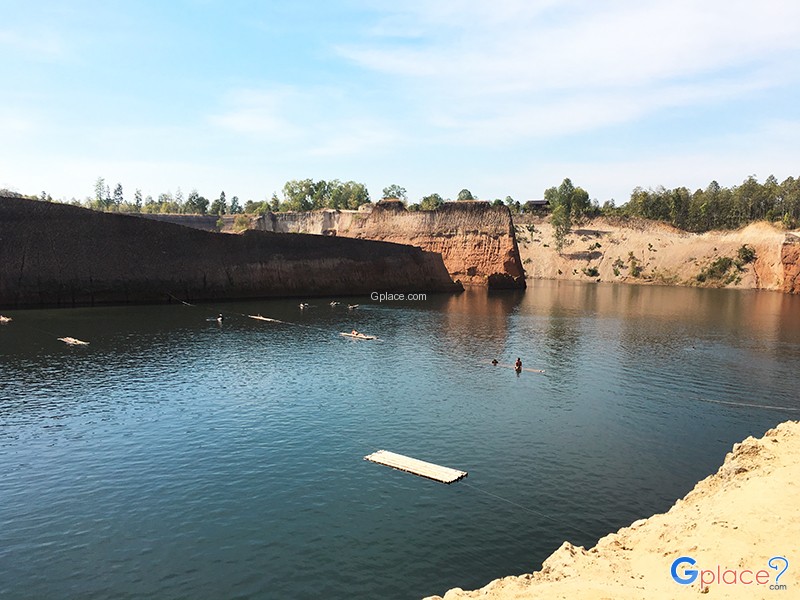
Soil of the Inson family that dredge up to sell for about 10 years ago. It is about 30 acres , nearly 15 meters high , high cliff. It’s look like Grand Canyon. That popularity of Thai people and foreigners. Charge 50 baht and get a card to exchange 1 herbal juice at Coffee shop. There are also rental lobsters, rubber boats and boats....
read more
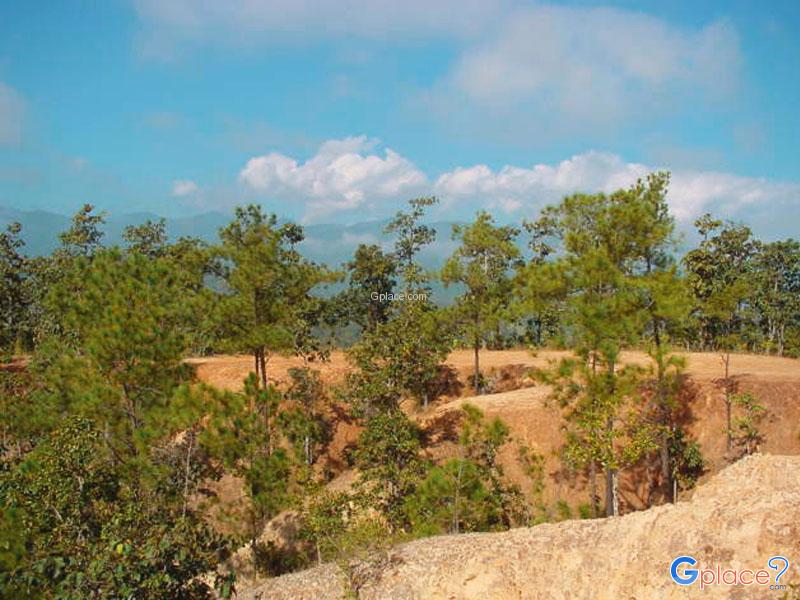
Kong Lan (Pai Canyon) is a natural attraction of great importance and is famous for its unique geological beauty.
The name "Kong Lan" comes from the local Tai Yai language, meaning "path of the army," due to the landscape being eroded into deep channels and narrow walkways that resemble ancient military routes. This site does not have a man-made history; rather, it was formed purely by natural pro...
read more
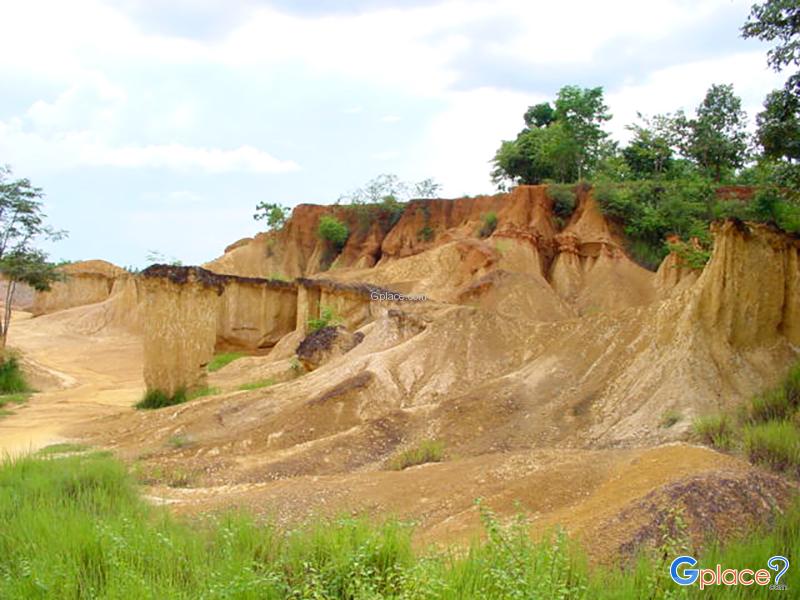
Phae Mueang Phi Forest Park is renowned for its extraordinary geological phenomenon, which resulted from natural processes spanning millions of years. This area consists of layers of soil, gravel, and sandstone deposited over eons. Each layer has varying degrees of durability and erosion rates. Through the relentless force of wind and water erosion, the softer soil layers were washed away, while t...
read more
5
Pong Yub
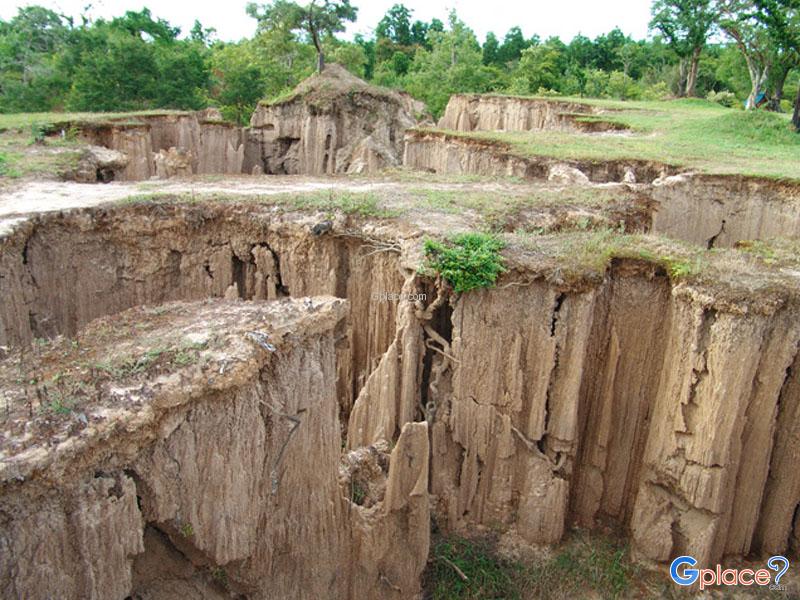
Pong Yup is a natural tourist attraction located in Tha Khai Subdistrict, Suan Phueng District, Ratchaburi Province. It was formed by long-term natural erosion and water runoff, causing some of the topsoil to collapse and create deep ravines, earthen cliffs, and uniquely shaped earthen pillars. The resulting landscape is complex and beautiful, resembling a small canyon or a labyrinth of earthen wa...
read more

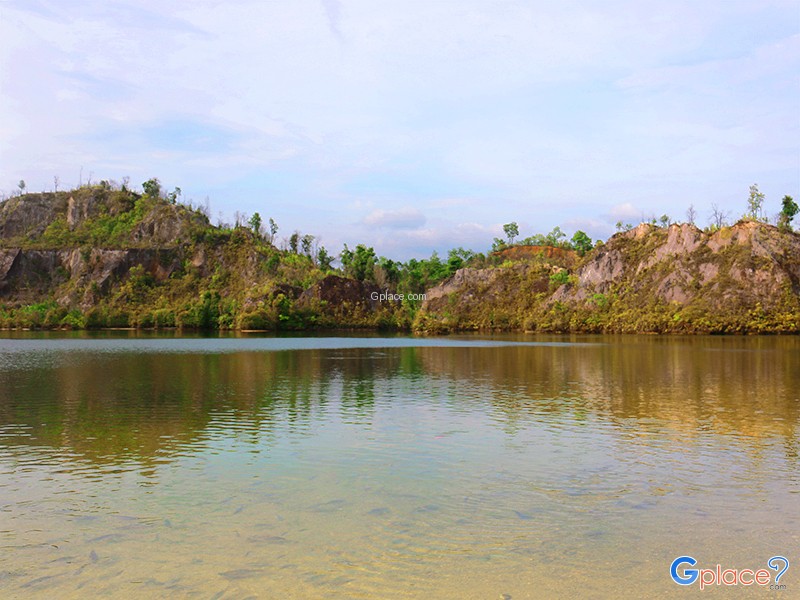
Ranong Canyon originated from tin mining activities in the past, specifically hydraulic mining, which used high-pressure water to erode soil and extract minerals. This process created a large and deep basin. After mining operations ceased, the area was abandoned and gradually restored by nature.
The former mining pit eventually became a large reservoir, filled with rainwater and groundwater, formi...
read more
กำลังเป็นที่นิยม

10 Must-Visit Spots Along the Chao Phraya River, B
Exploring the Chao Phraya River offers one of the most complete experiences of B..
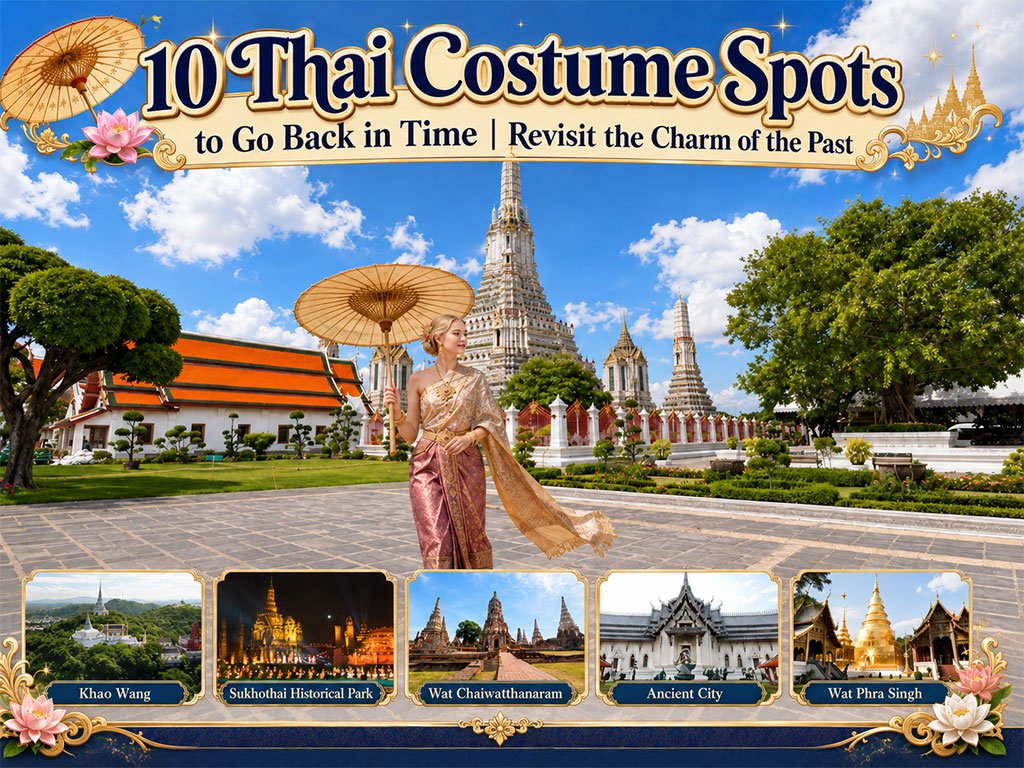
10 Thai Costume Spots to Go Back in Time
Wearing traditional Thai costume and taking photos at beautiful places is more t..
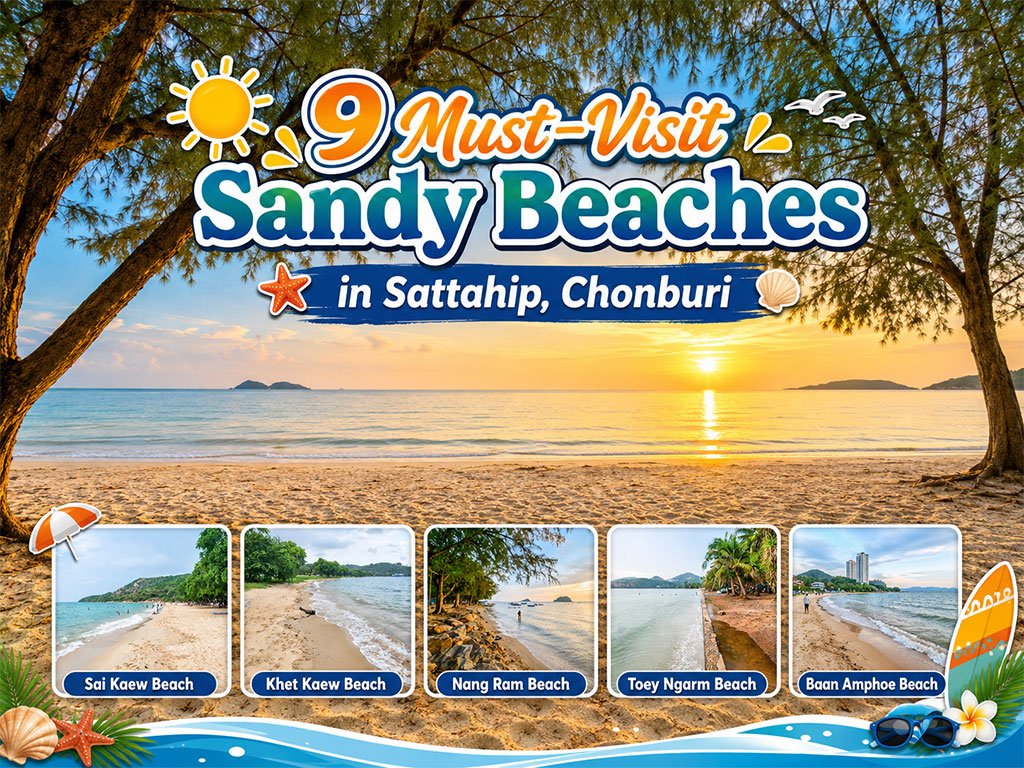
Attractive Beaches in Sattahip, Chonburi
For those looking to escape the hustle and bustle of Pattaya and experience calm..

8 World Heritage Sites of Thailand
Tracing Ancient Civilizations and Invaluable Forests Recognized by UNESCO Thaila..
Recommend trips
- The Four Holy Pilgrimage Sites
- Dream Destinations in Switzerland
- Pilgrimage to the Sacred Sites
- 10 Thai Costume Spots to Go Back in Time
- Trip to Bhutan
- 10 Sacred Buddhist Sites Thai Temples in India–Nep
- Attractive Beaches in Sattahip, Chonburi
- Top Paris Check-in Spots
- Must-Visit Check-in Spots in London
- 10 Must-Visit Spots Along the Chao Phraya River, B
- 8 World Heritage Sites of Thailand
- The Ultimate Ancient Villages in Japan
- Watsons Bay Half-Day Trip
- 10 Best Shopping Destinations in Bangkok
- 10 Must-Visit Places in Waterford
- Giant Buddha Landmarks in Thailand
- Thailand Nature Trails
- 1-Day Kirribilli & Sydney Harbour Walking Tour
- 10 Must-Check-In Spots in Ireland
- Top 10 Must-Visit Spots in Pattaya