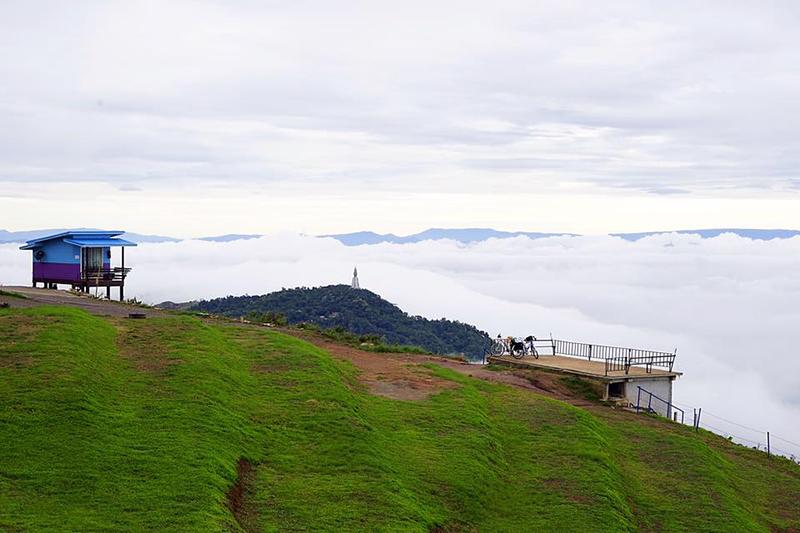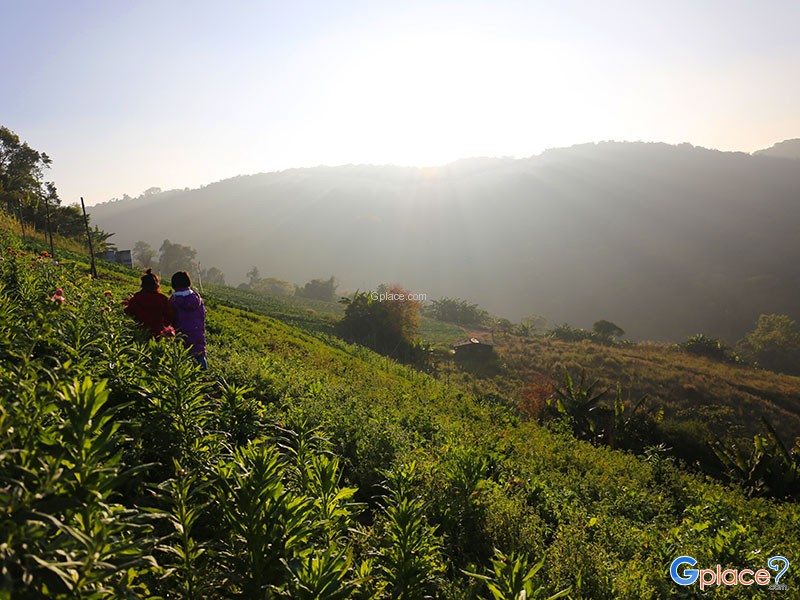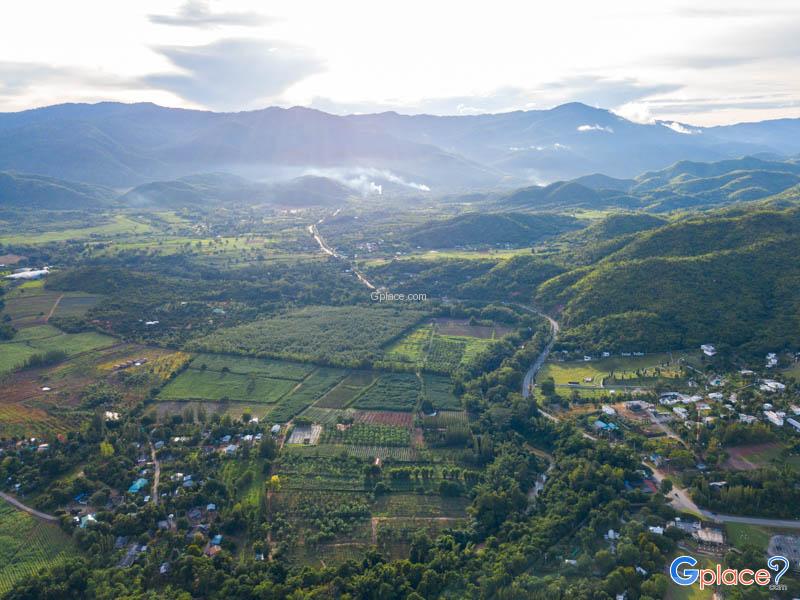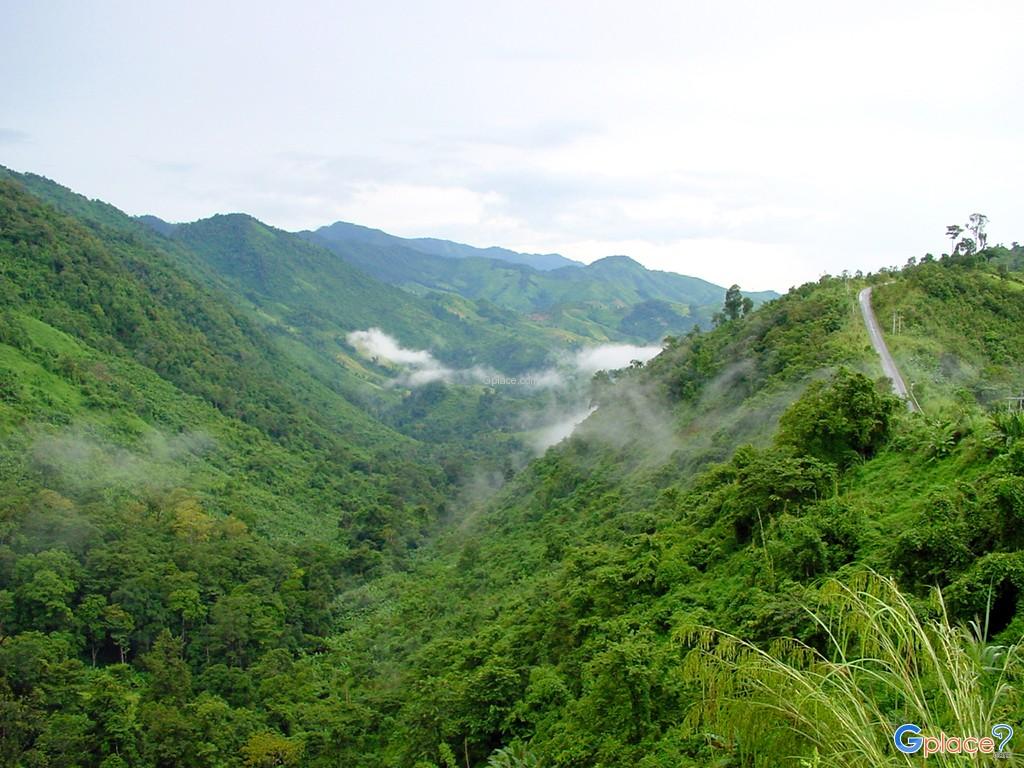
When the rain begins to fall, Thailand’s nature returns to its freshest and most vibrant form. Mountains, forests, streams, and waterfalls become beautifully green, while cool air and soft mist create a peaceful atmosphere for slow travel. The rainy season is not an obstacle, but one of the best times to experience Thailand’s natural beauty in a softer and more romantic way.
Rainy season destinations in Thailand are wonderfully diverse, from flower fields and misty mountains to waterfalls, forests, national parks, and quiet villages hidden in valleys. Many places look their best during this season because the trees are fresh, waterfalls are lively, and the surroundings feel calm and relaxing. It is ideal for nature lovers, photographers, couples, and travelers who enjoy peaceful journeys.
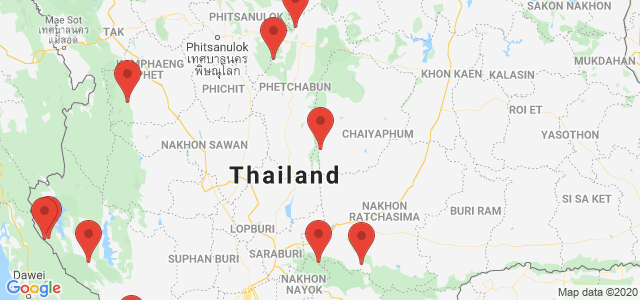
A beautiful place to begin is Siam Tulip Field in Chaiyaphum, where pink-purple flowers bloom from June to August, often surrounded by morning mist. Wang Nam Khiao in Nakhon Ratchasima is known for cool air, green farms, and gentle fog after the rain, while Khao Yai National Park becomes especially lush, with Haew Narok and Haew Suwat waterfalls looking more impressive during the rainy months.
For mountain lovers, Phu Thap Boek in Phetchabun offers misty viewpoints, cool weather, and green cabbage fields across the hillsides. Suan Phueng in Ratchaburi is perfect for a quiet mountain retreat, while Doi Phu Kha National Park in Nan charms visitors with scenic roads, sea of mist, and rich hill evergreen forests.
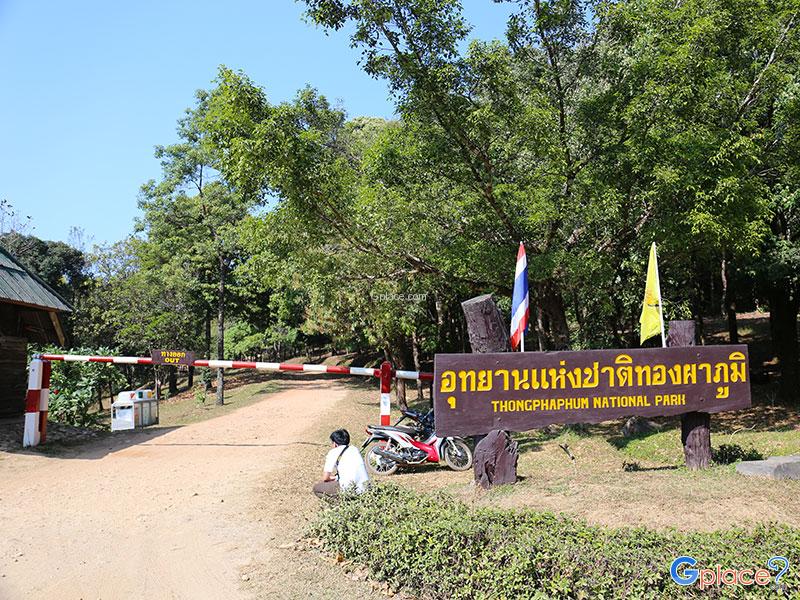
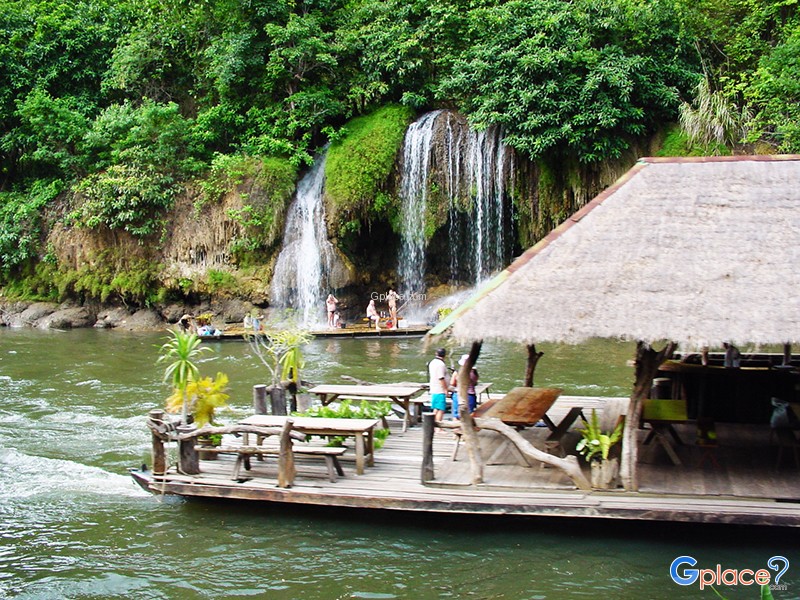
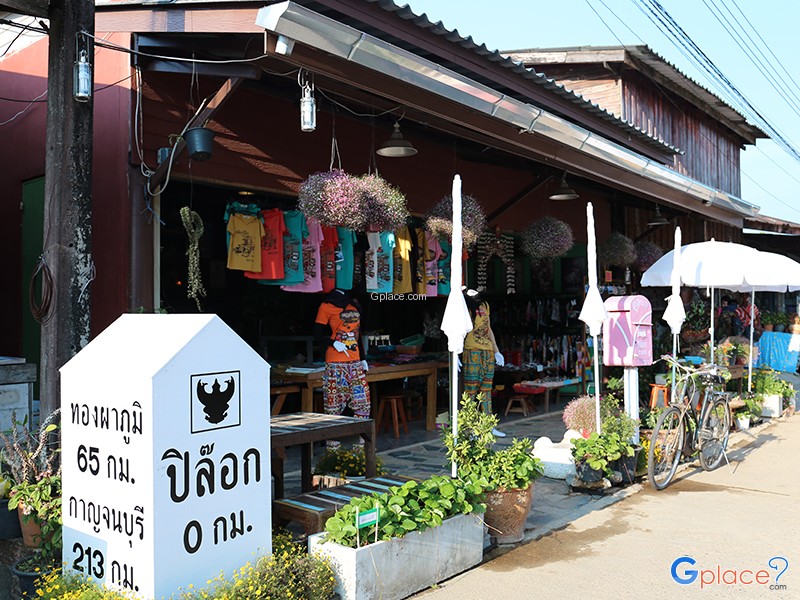
Western Thailand also has many beautiful rainy season escapes. Thong Pha Phum National Park in Kanchanaburi offers panoramic viewpoints where mist covers wide forest landscapes near the Myanmar border. Sai Yok Yai Waterfall feels especially refreshing in the rainy season, while E-Tong Village offers a quiet, nostalgic, and romantic atmosphere in a misty mountain valley.
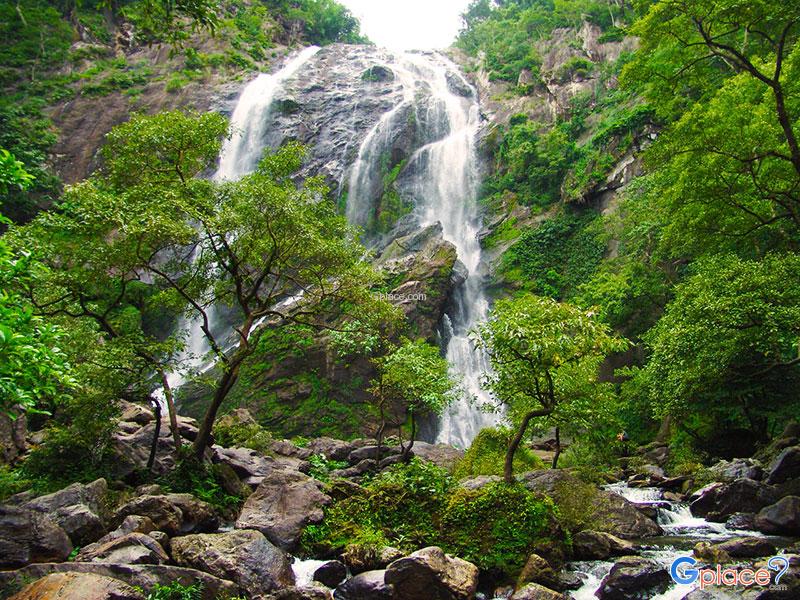
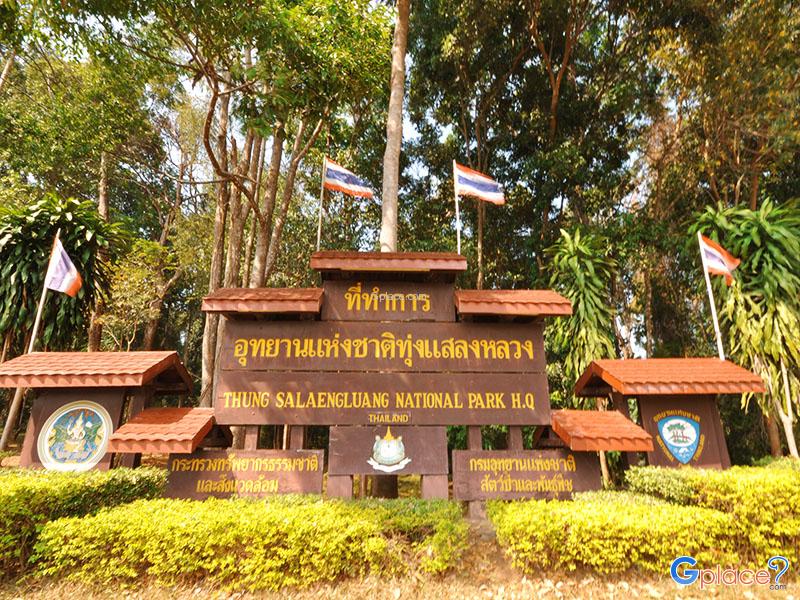
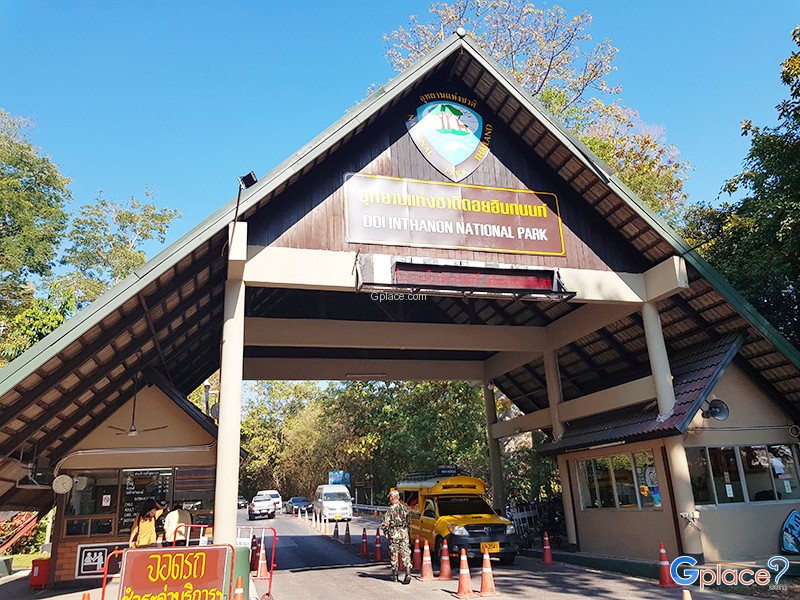
For waterfall and forest scenery, Khlong Lan National Park in Kamphaeng Phet is famous for its wide and powerful waterfall during the high-water season. Thung Salaeng Luang National Park turns into a green savanna-like landscape, while Doi Inthanon National Park in Chiang Mai, especially the Ang Ka Nature Trail, becomes a fresh cloud forest filled with moss, ferns, and cool mountain air.
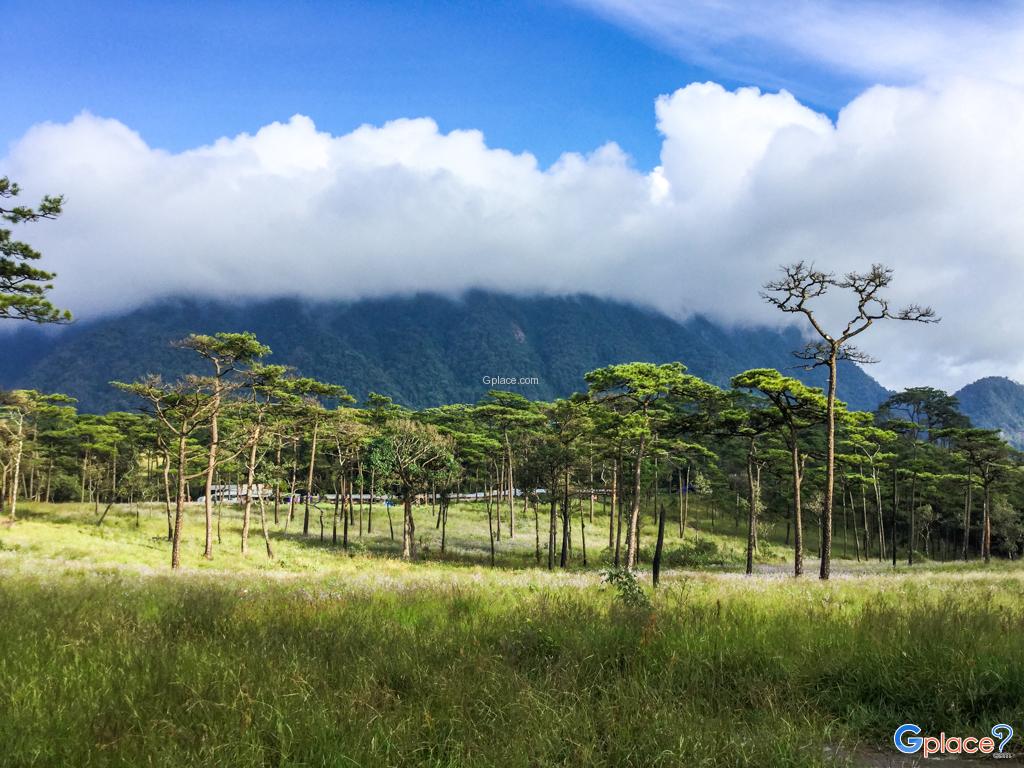
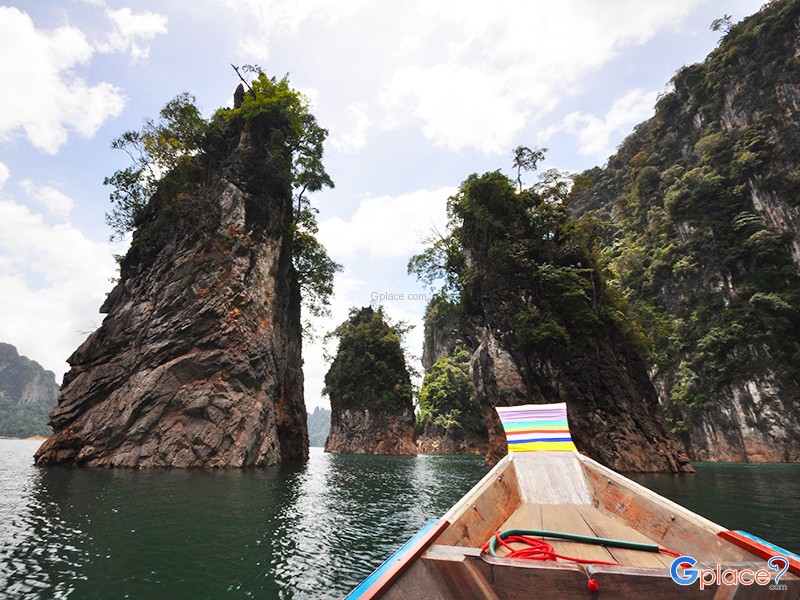
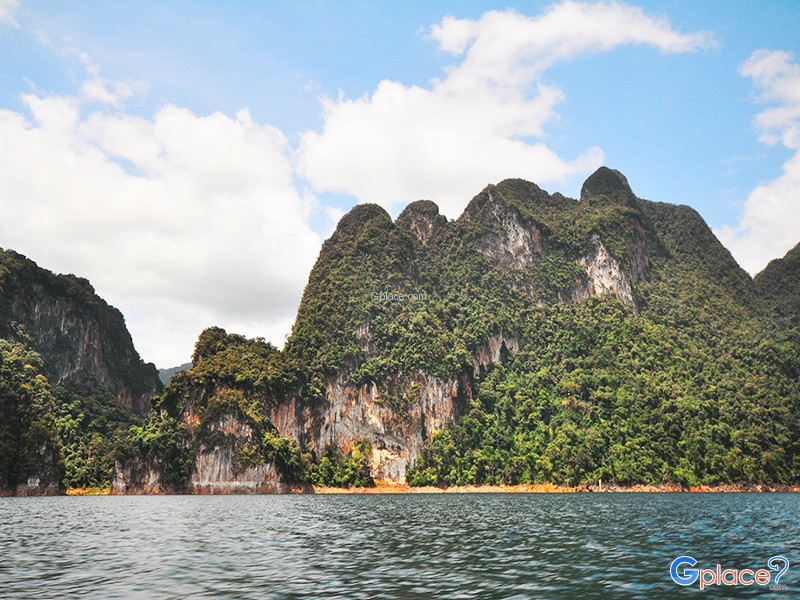
Another highlight is Phu Soi Dao National Park in Uttaradit, where travelers hike up to see pine fields and soft purple Murdannia flowers from August to September. In southern Thailand, Khao Sok National Park in Surat Thani offers unforgettable rainy season scenery, with mist over Cheow Lan Lake, limestone peaks, and rich rainforest.
The charm of traveling in Thailand during the rainy season lies in its freshness, calmness, and natural beauty. Travelers can see mountains at their greenest, waterfalls at their most lively, and misty landscapes at their most romantic. For anyone looking for a refreshing journey close to nature, the rainy season is one of the most beautiful times to explore Thailand.
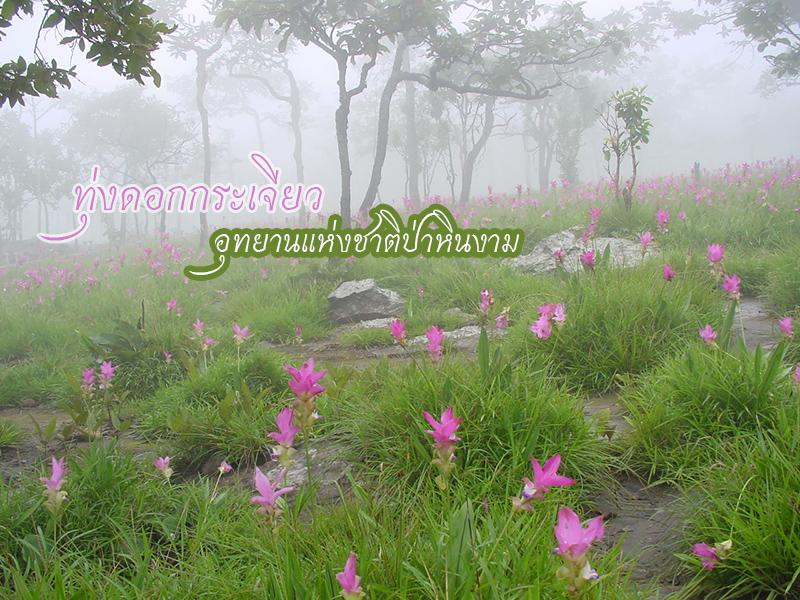
Dok Kra Jiao Blooming Field, Pa Hin Ngam National Park is located on the Phang Hoei Mountains in Chaiyaphum Province, a popular rainy season tourist destination in Thailand. Especially from June to August every year, when the Dipterocarp forest is adorned with the pinkish-purple hues of “Dok Kra Jiao”, also called Siam Tulip, in full bloom.
The wonder of Dok Kra Jiao lies in its g...
read more
Wang Nam Khiao is situated in an area that connects directly to the Thap Lan National Park and is part of the country's crucial natural conservation area, which has been registered as a UNESCO World Heritage Site under the name Dong Phayayen-Khao Yai Forest Complex. This is the primary reason why the area boasts an extremely high level of ecological abundance.
Geography and Climate
Wang Nam Khia...
read more
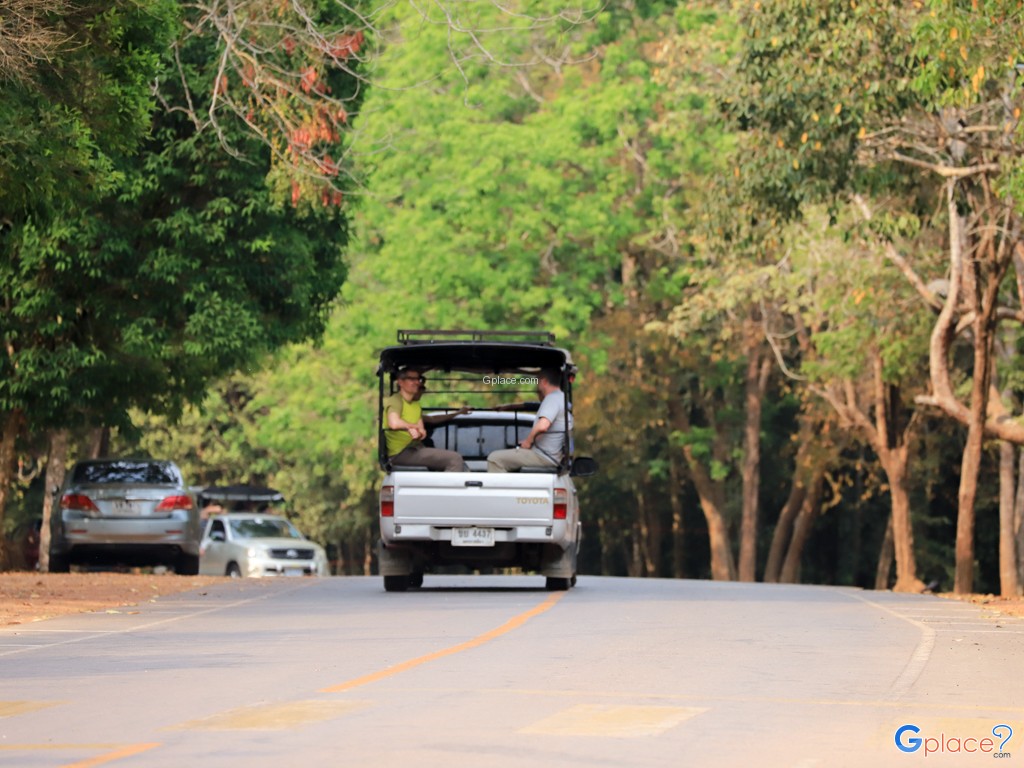
Khao Yai National Park is Thailand’s first national park, established on September 18, 1962, covering an area of over 2,168 square kilometers across four provinces: Nakhon Ratchasima, Prachinburi, Nakhon Nayok, and Saraburi. In 2005, it was declared a UNESCO World Heritage Site as part of the Dong Phayayen–Khao Yai Forest Complex.
The park features a mix of evergreen forests, grassland...
read more
Phu Thap Boek is the highest mountain peak in Phetchabun Province and one of Thailand’s most popular destinations for nature lovers, photographers, and camping enthusiasts. Standing at approximately 1,768 meters above sea level, the mountain offers refreshing cool weather throughout the year. During winter, temperatures can drop to single digits, and frost can occasionally appear on the moun...
read more
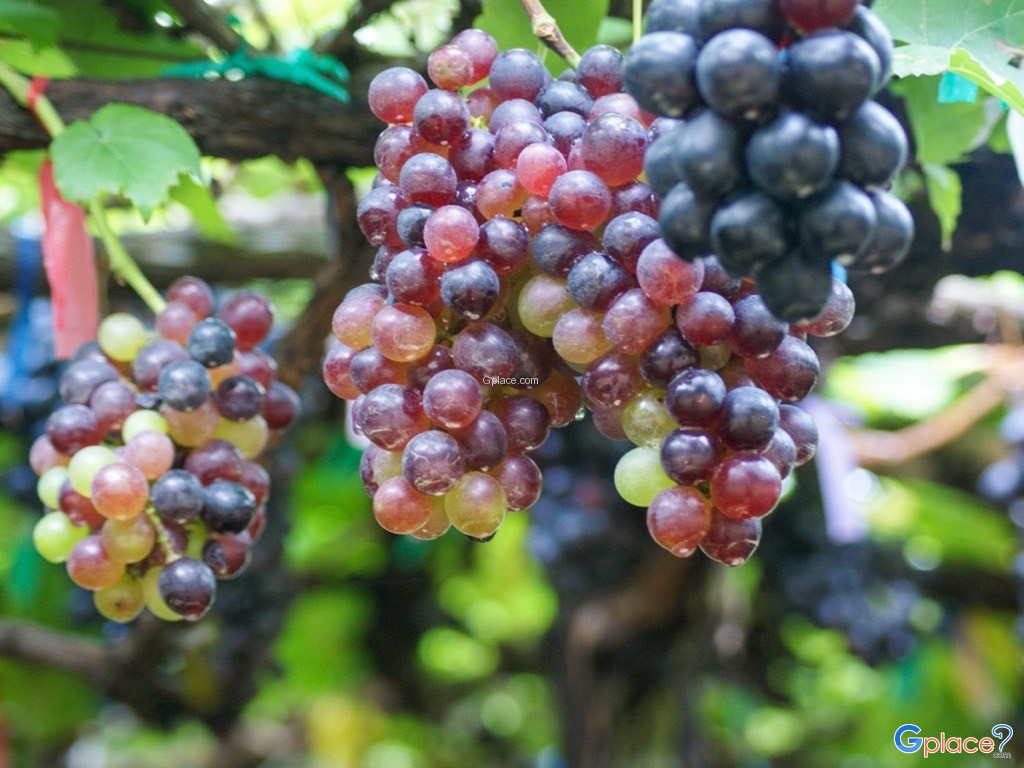
Suan Phueng District is a district of Ratchaburi Province, a land of Mae Klong River culture and mist of the Tenasserim Hills. It is located on the western side of Ratchaburi Province, adjacent to the Tenasserim Hills, which form the natural border between Thailand and Myanmar. The landscape of Suan Phueng varies from the fertile lowlands of the Mae Klong River, where crops and fruits are gro...
read more
Doi Phu Kha National Park is the source of numerous streams and holds an ancient history tied to the legends of Nan’s people. Situated at an altitude of 1,980 meters above sea level, it covers an area of approximately 1,050,000 rai, spanning Pua, Chiang Klang, Thung Chang, Mae Charim, Tha Wang Pha, Santi Suk, and Bo Kluea Districts.
The terrain consists of steep, rugged mountains with stunni...
read more
Thong Pha Phum National Park covers vast fertile forest areas in Thong Pha Phum and Sangkhla Buri Districts of Kanchanaburi Province. The park is dominated by steep and complex mountain ranges, serving as the origin of several important waterways in western Thailand.
Located along the Tenasserim Mountain Range, the park forms part of a continuous forest ecosystem connected to Myanmar. It plays a v...
read more
Khlong Lan National Park covers approximately 187,500 rai in Tambon Khlong Lan Phatthana, Tambon Khlong Nam Lai, and Tambon Pong Nam Ron, Khlong Lan District, Kamphaeng Phet, about 58 km from the provincial town. Established as Thailand’s 44th national park on December 25, 1982, it is an important natural area in western Thailand with mountainous terrain and serves as the source of several r...
read more
Thung Salaeng Luang National Park is the third-largest national park in Thailand, covering more than 789,000 rai across Phitsanulok and Phetchabun provinces. The park spans areas in Wang Thong and Nakhon Thai districts of Phitsanulok, as well as Lom Sak, Mueang, and Chon Daen districts of Phetchabun. It was officially declared a national park on 27 May 1975 to preserve watershed forests, wildlife ...
read more
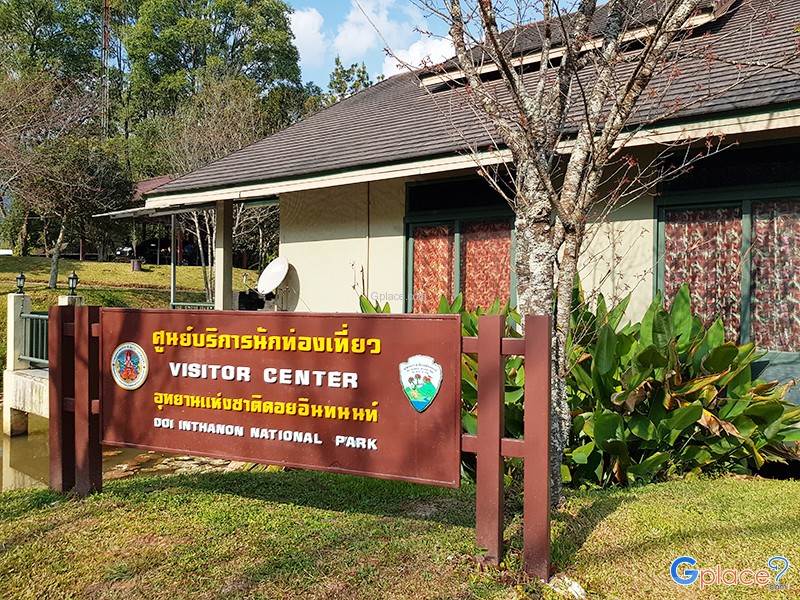
Doi Inthanon National Park, located in Chiang Mai Province, is home to the highest peak in Thailand — Doi Inthanon, standing at 2,565 meters above sea level. The park spans over 482.4 square kilometers and covers parts of Chom Thong, Mae Chaem, Mae Wang, and Doi Lo districts.
Shaped by the Himalayan mountain range, the park features a landscape of rugged high mountains running north to south...
read more
Phu Soi Dao National Park is the ultimate pride of the Thai trekking scene, especially during the rainy season when lush greenery covers every inch of the landscape. The journey begins with a heart-pounding trek through five brutal hills, starting from Sending Relatives Hill all the way to Death Hill (Neun Morana)a slope so steep that your face almost touches your knees. However, this is the perfe...
read more
Khao Sok National Park was declared a national park on December 22, 1980, covering 645.52 sq km (403,450 rai). It connects to Khlong Saeng Wildlife Sanctuary and Khlong Phanom National Park, forming vital wildlife corridors.
Geography: The park features rugged limestone peaks, cliffs, mysterious caves, and waterfalls. The northern area hosts a large water reservoir formed by Ratchaprapa Dam, surro...
read more
Sai Yok Yai Waterfall is one of the most famous waterfalls in Kanchanaburi Province and a major symbol of Sai Yok National Park. What sets it apart from other waterfalls is that the water cascades directly from a limestone cliff into the Khwae Noi River, creating a beautiful and rare natural spectacle in Thailand. The surrounding area is rich in mixed deciduous forests, bamboo groves, and limeston...
read more
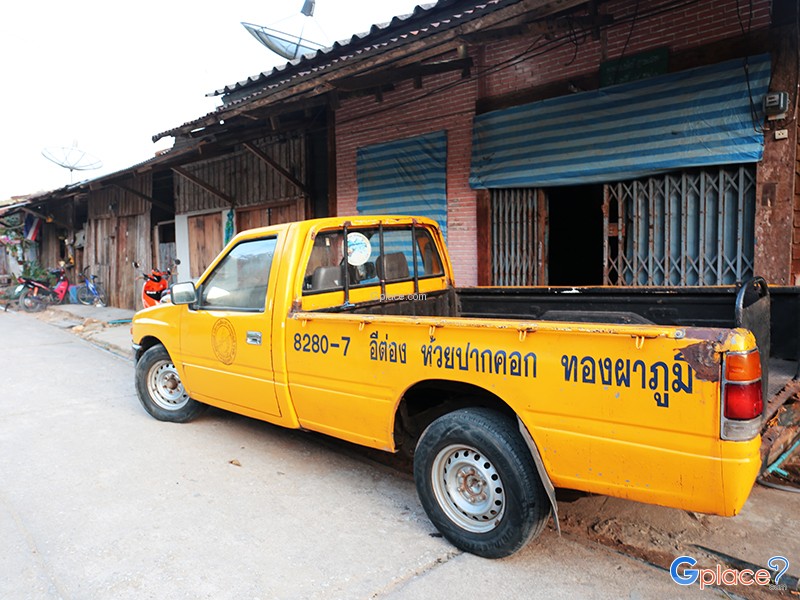
Ban I-Tong (Baan Etong / Ban I-Tong) is a small border village located in Pilok Subdistrict, Thong Pha Phum District, Kanchanaburi Province, along the Tenasserim Mountain Range near the Myanmar border. Surrounded by lush mountains and dense forests, the village enjoys cool weather throughout the year. During the rainy and winter seasons, thick mist often blankets the entire village, giving rise to...
read more