
 Attractions
  Hotel
Hotel  Restaurant
  Shopping
  Abroad
  Nearby Places





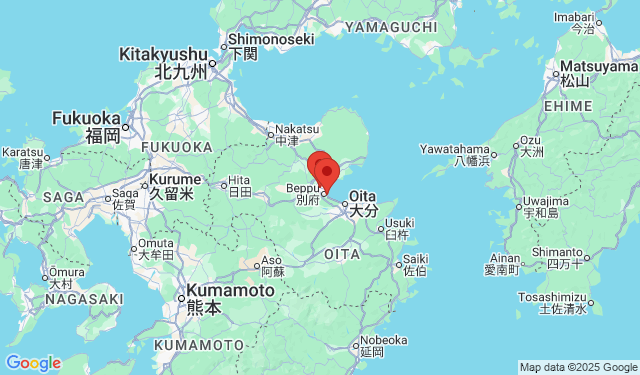
Day 2: Beppu

 137
137
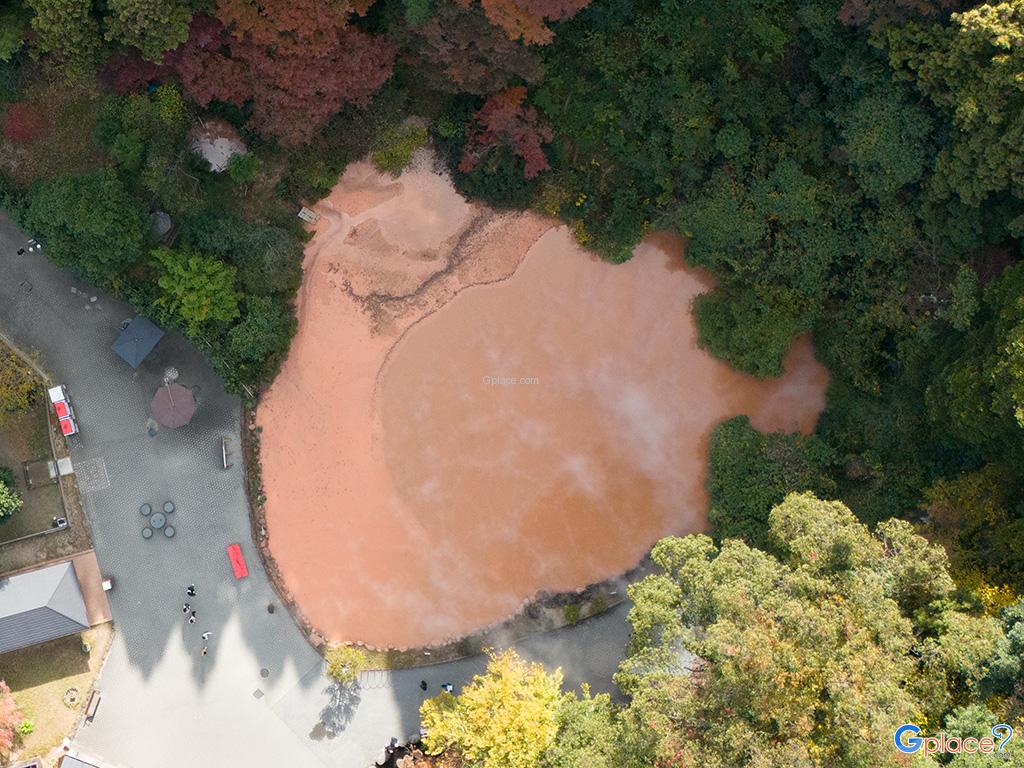
Chinoike Jigoku is one of Beppu’s most extraordinary geothermal attractions, renowned for its vivid red waters that resemble a pool of molten lava. The striking color comes from high concentrations of iron oxide and magnesium oxide found in the underground clay, giving the pond its unforgettable "blood-like" appearance. As one of Japan’s oldest documented natural hells—dating bac...
read more
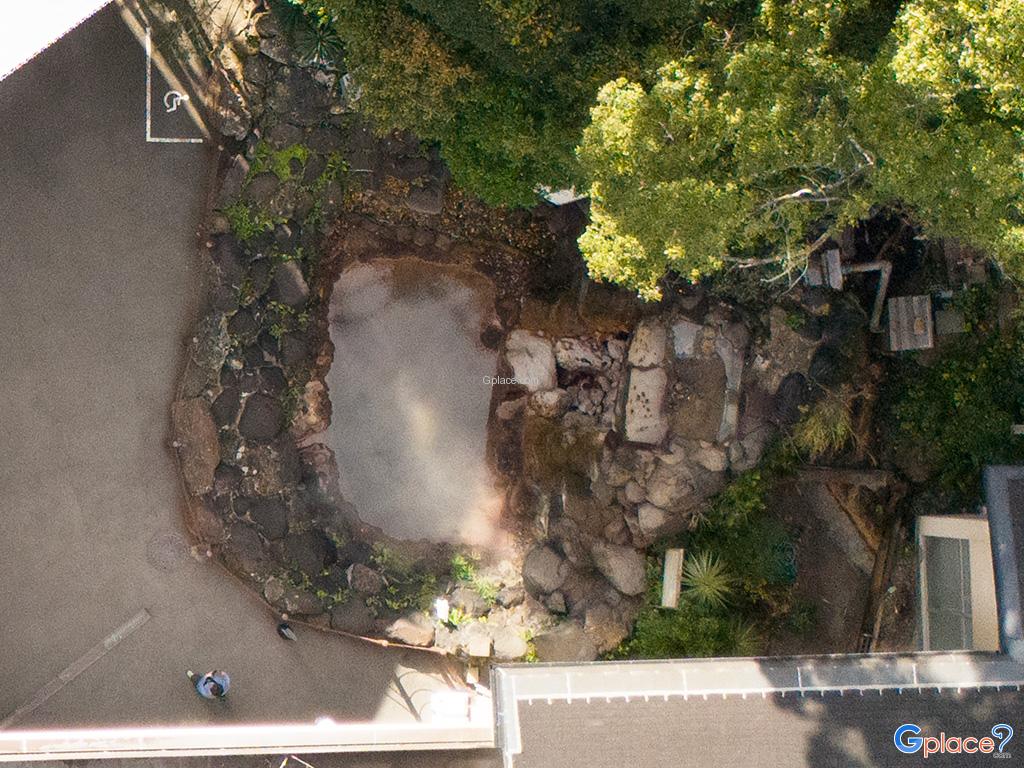
Tatsumaki Jigoku is a designated National Scenic Area and a key attraction in Beppu, Oita Prefecture. Unlike most other "Hells," which feature colorful boiling ponds, Tatsumaki Jigoku showcases a dynamic geyser that erupts at regular, predictable intervals. The geyser typically erupts every 30 to 40 minutes, with the spout of water lasting about 4 to 6 minutes. Staff usually announce the estimated...
read more
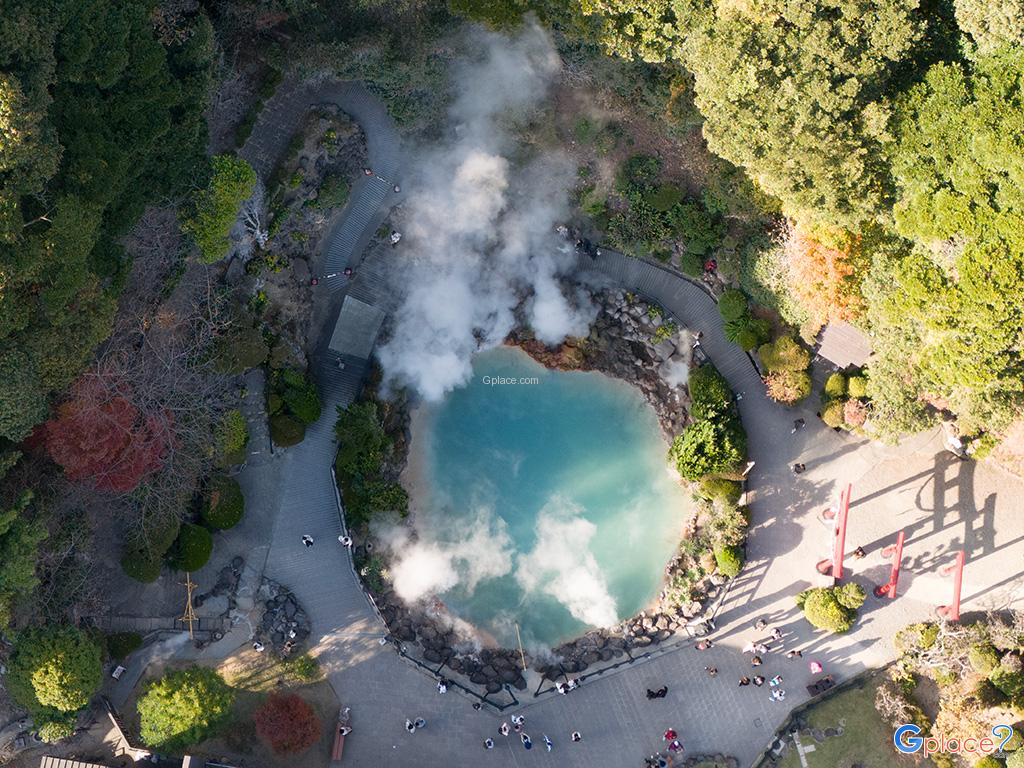
Umi Jigoku—literally “Sea Hell”—is the most visually captivating of Beppu’s famed Seven Hells (Jigoku Meguri), a collection of extraordinary hot springs created by intense geothermal activity. Although its water resembles a calm tropical lagoon, the pool boils at around 98°C (208°F). The cobalt-blue color comes from iron sulfate, and early morning steam create...
read more
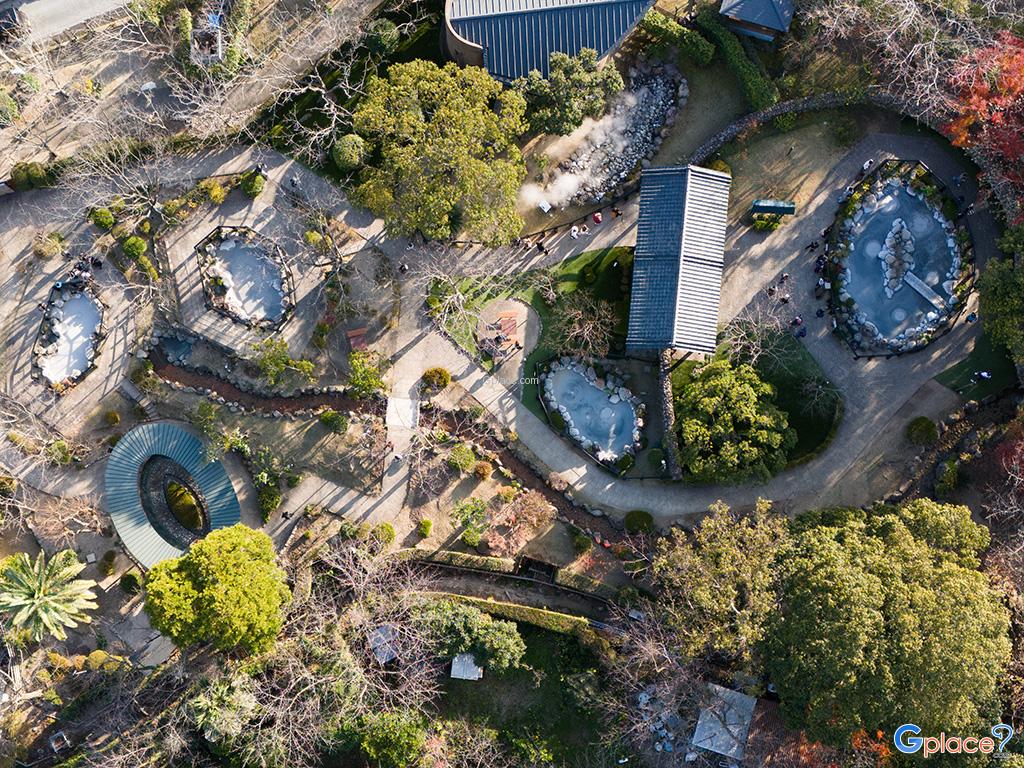
Oniishi Bozu Jigoku stands apart within Beppu’s famous Jigoku Meguri for its striking sensory contrasts. Rather than bright colors, this “Hell” presents calm, monochrome pools of thick grey mud that boil at nearly 99°C (210°F). Because the mud is highly viscous, steam becomes trapped beneath the surface, pushing the clay upward into perfectly rounded domes. When they burs...
read more
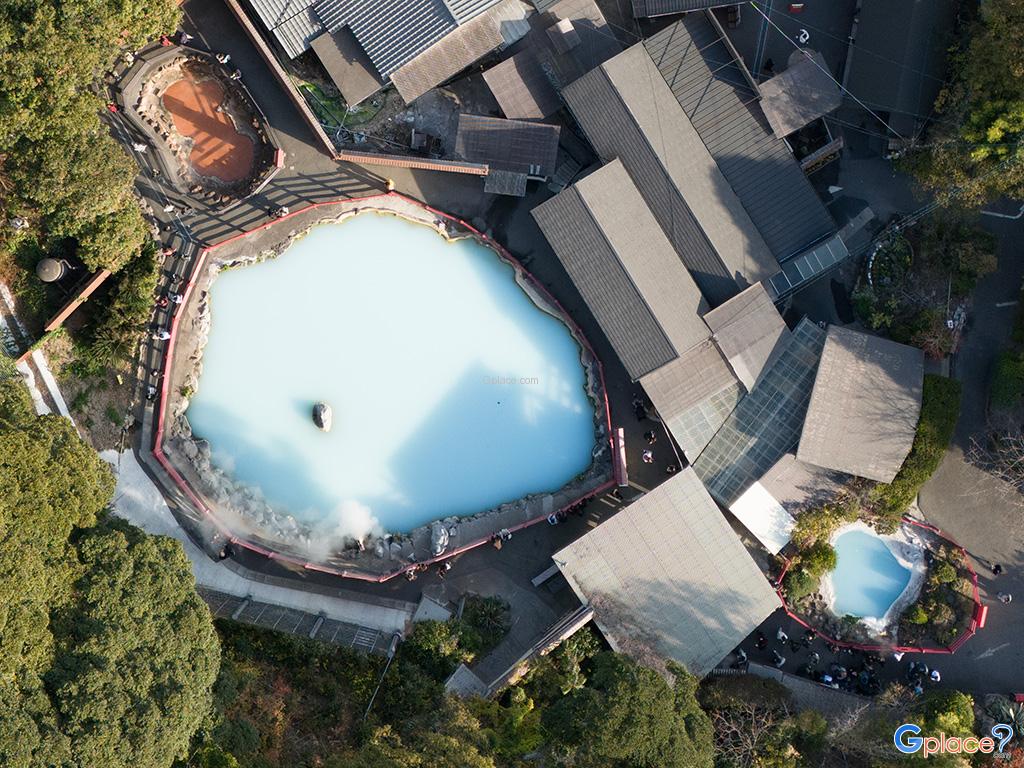
Kamado Jigoku is celebrated as the most diverse of Beppu’s hot springs. Its nickname, the "Department Store of Hells," reflects the variety of geothermal phenomena it houses—from boiling mud to cobalt-blue water. The name "Kamado" comes from a Kamakura-period legend, in which steam from the spring was used to cook rice offerings for the guardian deity, Kamado Hachiman. A vibrant red On...
read more
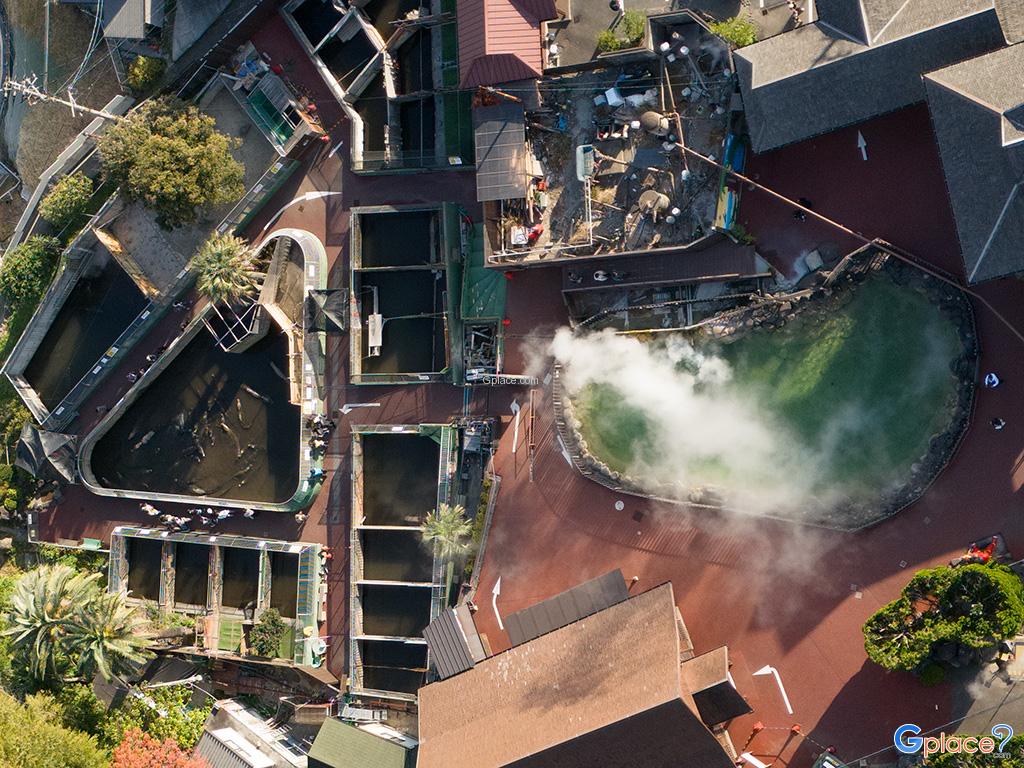
Oniyama Jigoku, known locally as “Crocodile Hell,” offers one of the most dramatic atmospheres among all the Beppu Hells. Instead of serene blue pools or bubbling mud, this site is defined by intense geothermal power and the presence of dozens of crocodiles that live in the constantly heated environment. The natural spring erupts from underground at 99.1°C, producing thick white st...
read more
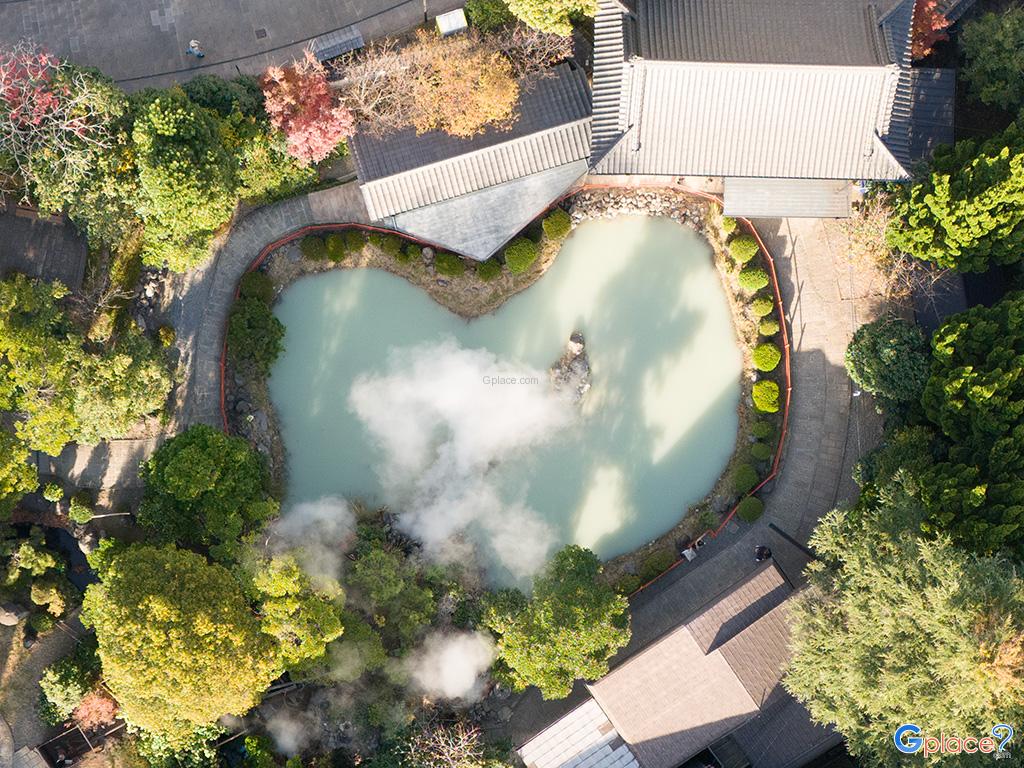
Shiraike Jigoku, also known as the “White Pond Hell,” presents a striking contrast to the more vivid hot springs of Beppu. Its waters are pale, milky-white, created through a natural chemical reaction. As the hot spring water, rich in silicic acid and calcium bicarbonate, gushes from the ground, it is clear. Once it reaches the pond and cools upon exposure to air, the minerals solidify...
read more
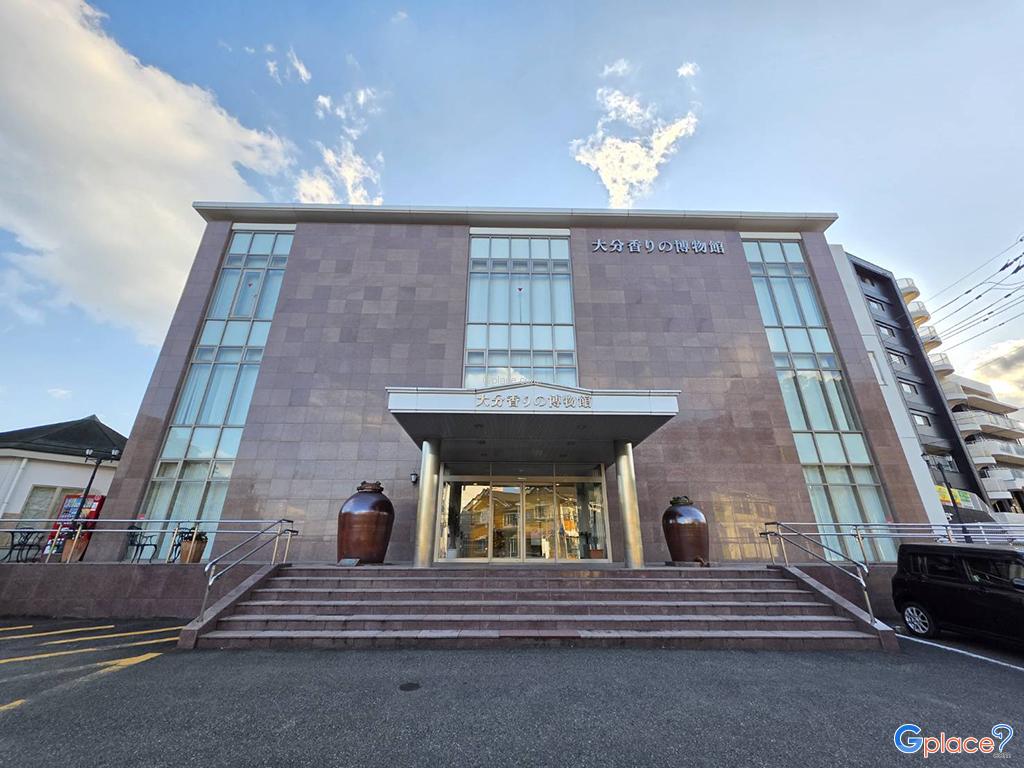
Oita Fragrance Museum, located in Japan’s hot-spring capital of Beppu, is internationally recognized for its specialized focus on the culture, science, and artistry of scent. Affiliated with Beppu University, the museum carries strong academic credibility, particularly in its technical and historical exhibitions.
The 1st floor introduces the modern fragrance world through the World Perfume ...
read more
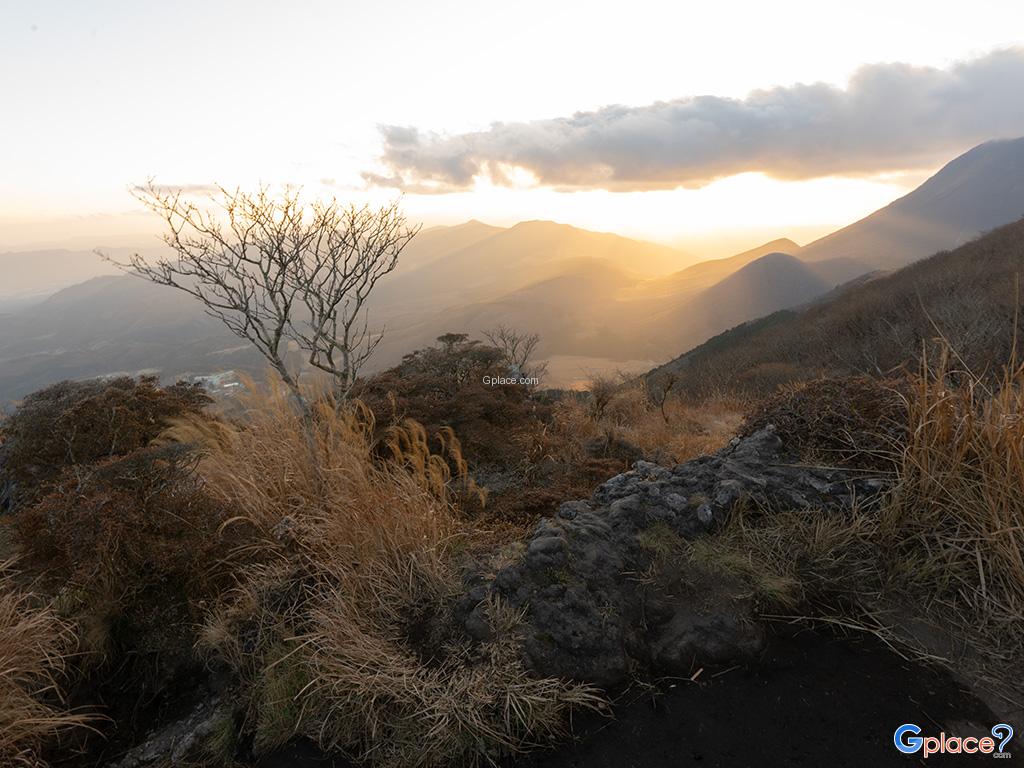
Beppu Ropeway (別府ロープウェイ) is one of Beppu’s most iconic attractions, transporting visitors from Beppu-Kogen Station (500 m) to the dramatic highlands atop Mount Tsurumi (1,300 m). Its gondolas—among the largest in Kyushu—carry up to 101 passengers and complete the scenic ascent in just 10 minutes, making it accessible for travelers of all ages.
At the summit, visitors are greeted ...
read more
กำลังเป็นที่นิยม
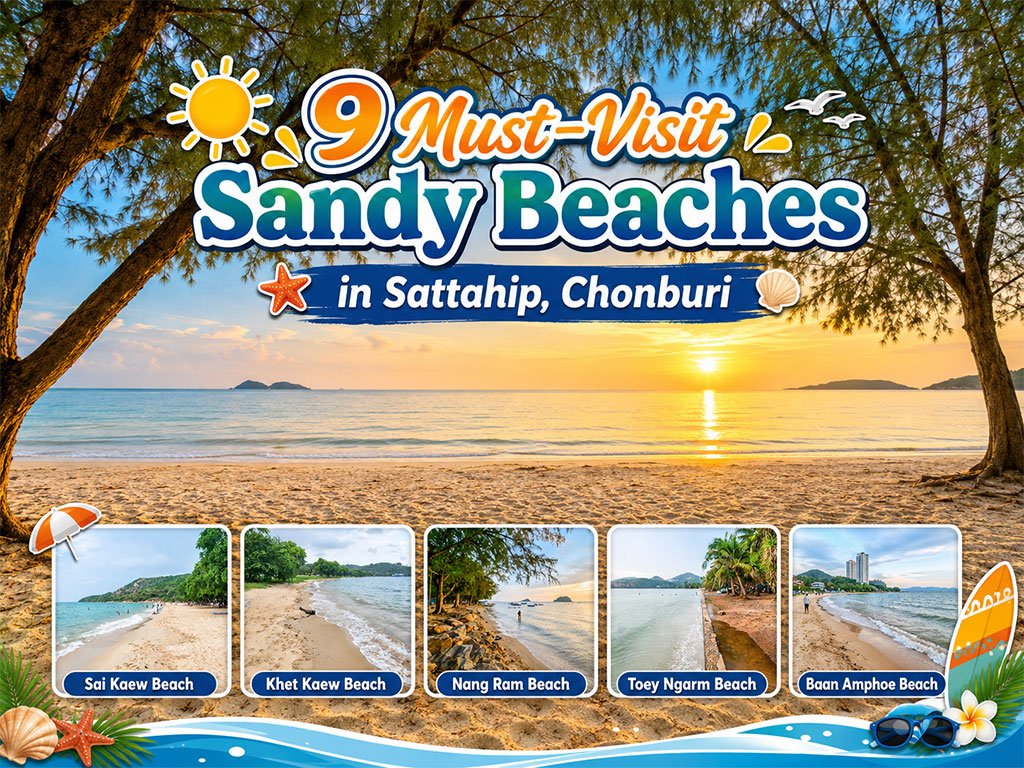
Attractive Beaches in Sattahip, Chonburi
For those looking to escape the hustle and bustle of Pattaya and experience calm..
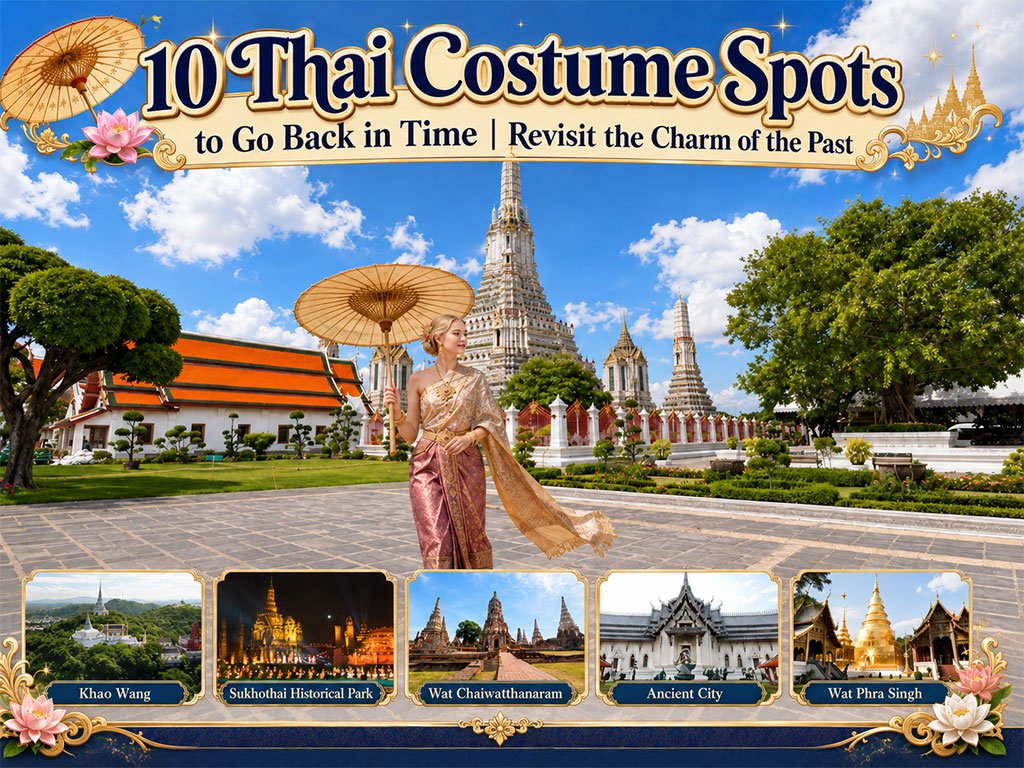
10 Thai Costume Spots to Go Back in Time
Wearing traditional Thai costume and taking photos at beautiful places is more t..

8 World Heritage Sites of Thailand
Tracing Ancient Civilizations and Invaluable Forests Recognized by UNESCO Thaila..
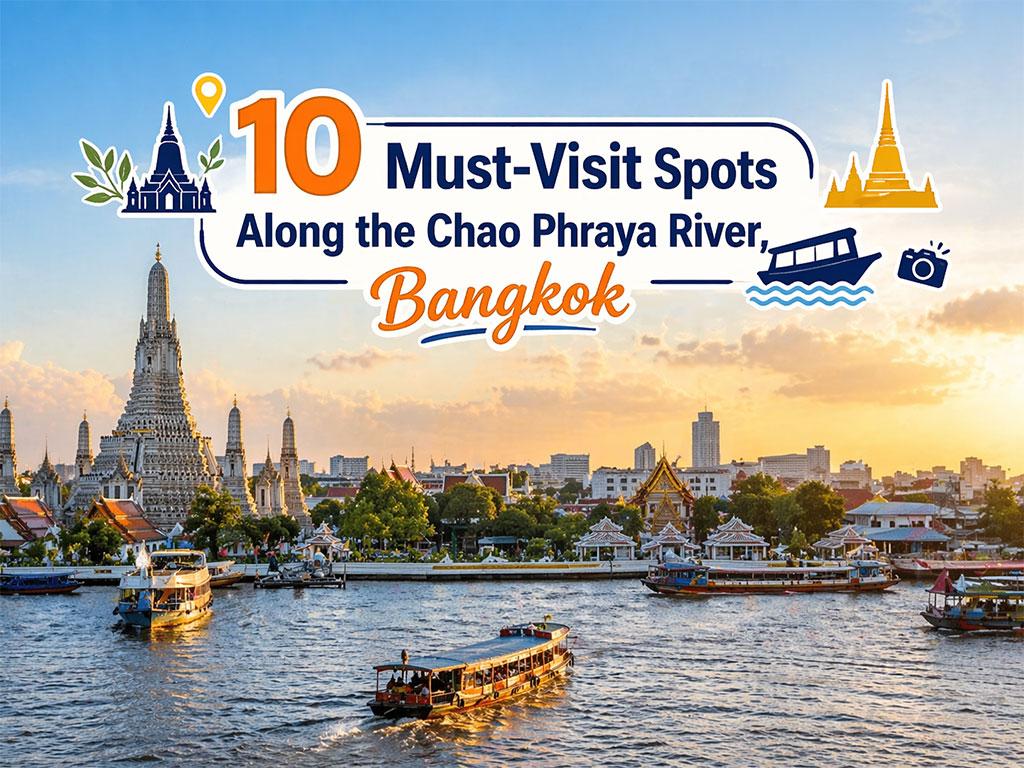
10 Must-Visit Spots Along the Chao Phraya River, B
Exploring the Chao Phraya River offers one of the most complete experiences of B..
Recommend trips
- 10 Thai Costume Spots to Go Back in Time
- The Four Holy Pilgrimage Sites
- Dream Destinations in Switzerland
- Pilgrimage to the Sacred Sites
- Trip to Bhutan
- 10 Sacred Buddhist Sites Thai Temples in India–Nep
- Must-Visit Check-in Spots in London
- Attractive Beaches in Sattahip, Chonburi
- Top Paris Check-in Spots
- 10 Must-Visit Spots Along the Chao Phraya River, B
- 8 World Heritage Sites of Thailand
- The Ultimate Ancient Villages in Japan
- Watsons Bay Half-Day Trip
- 10 Must-Visit Places in Waterford
- 10 Best Shopping Destinations in Bangkok
- Japan Bucket List: 20 Places You Must Visit Once i
- Thailand Nature Trails
- 1-Day Kirribilli & Sydney Harbour Walking Tour
- 10 Must-Visit Spots in Koh Yao
- EBC - World-Class Trekking Route