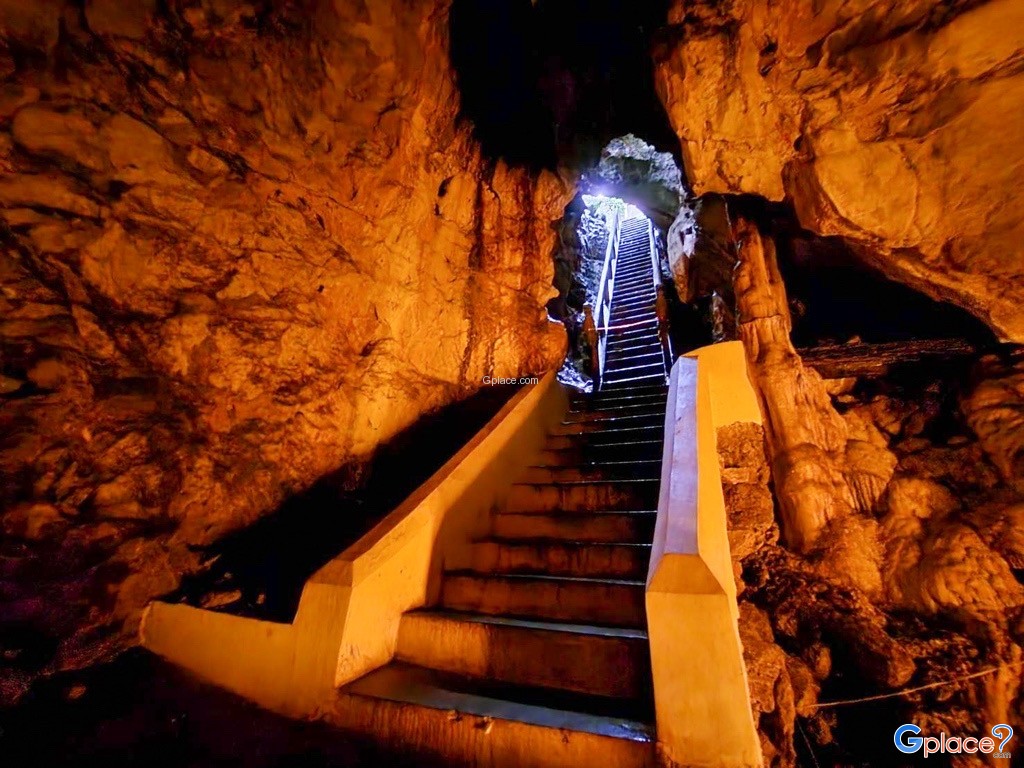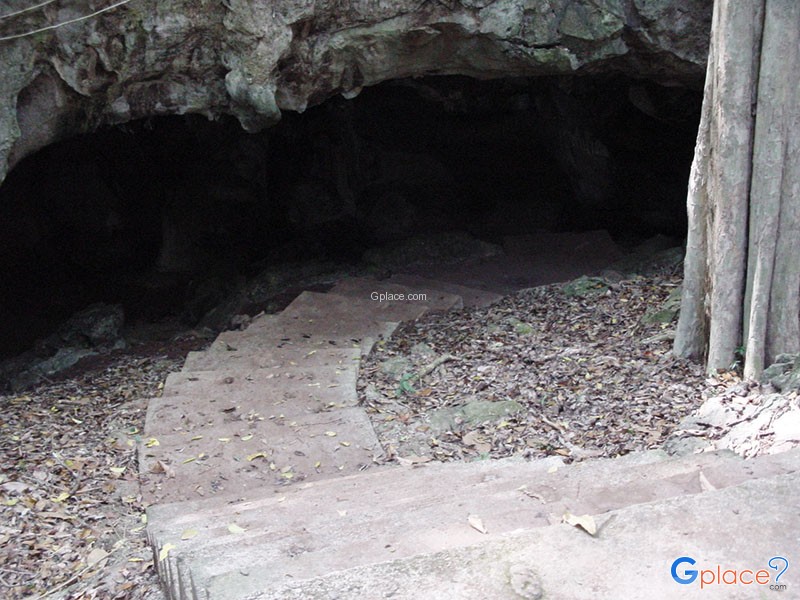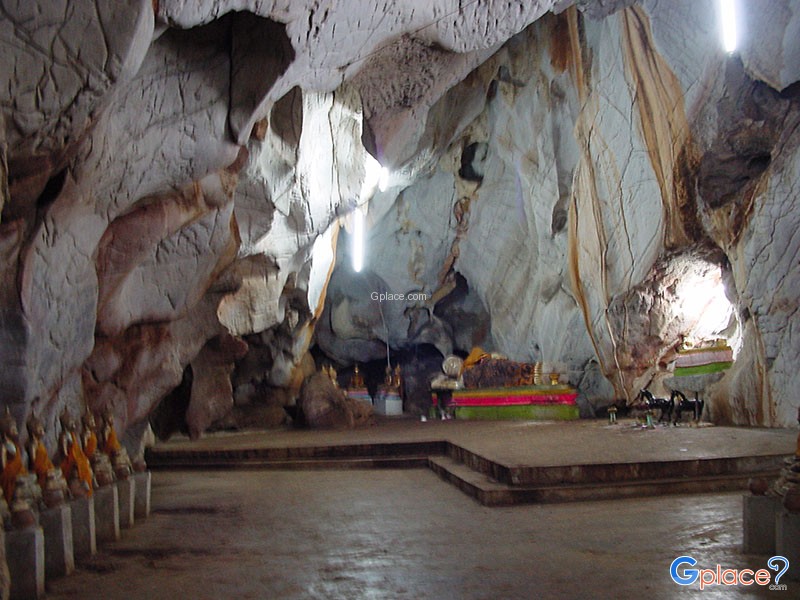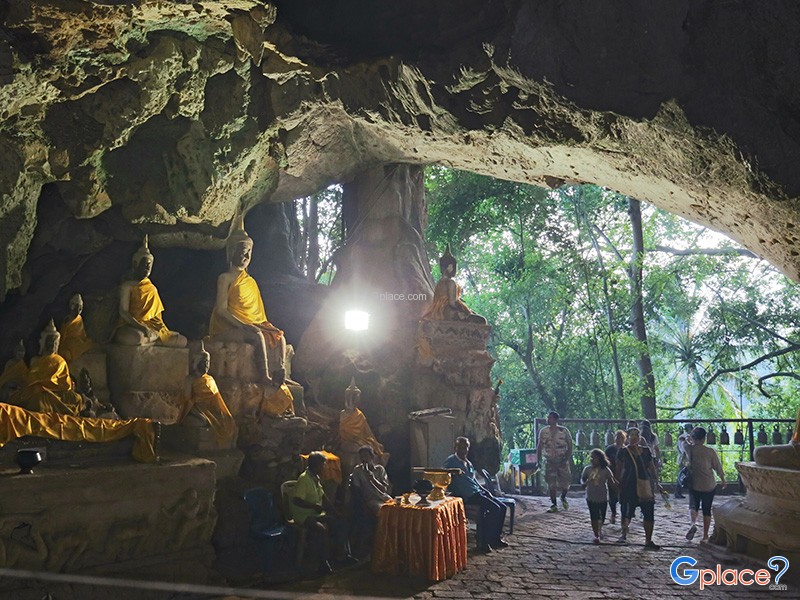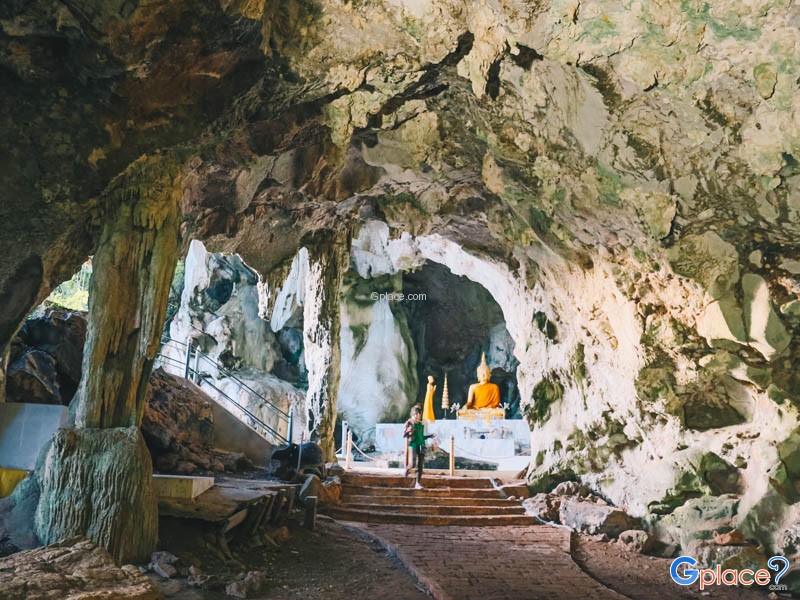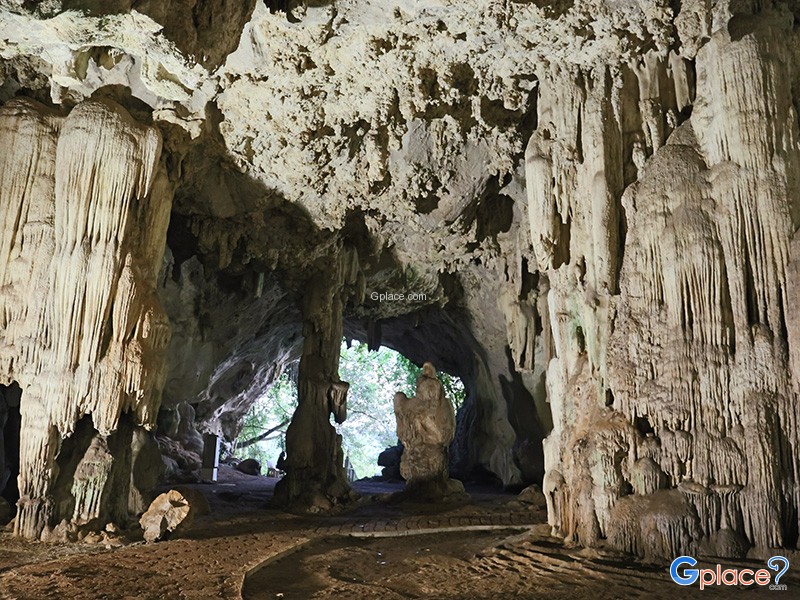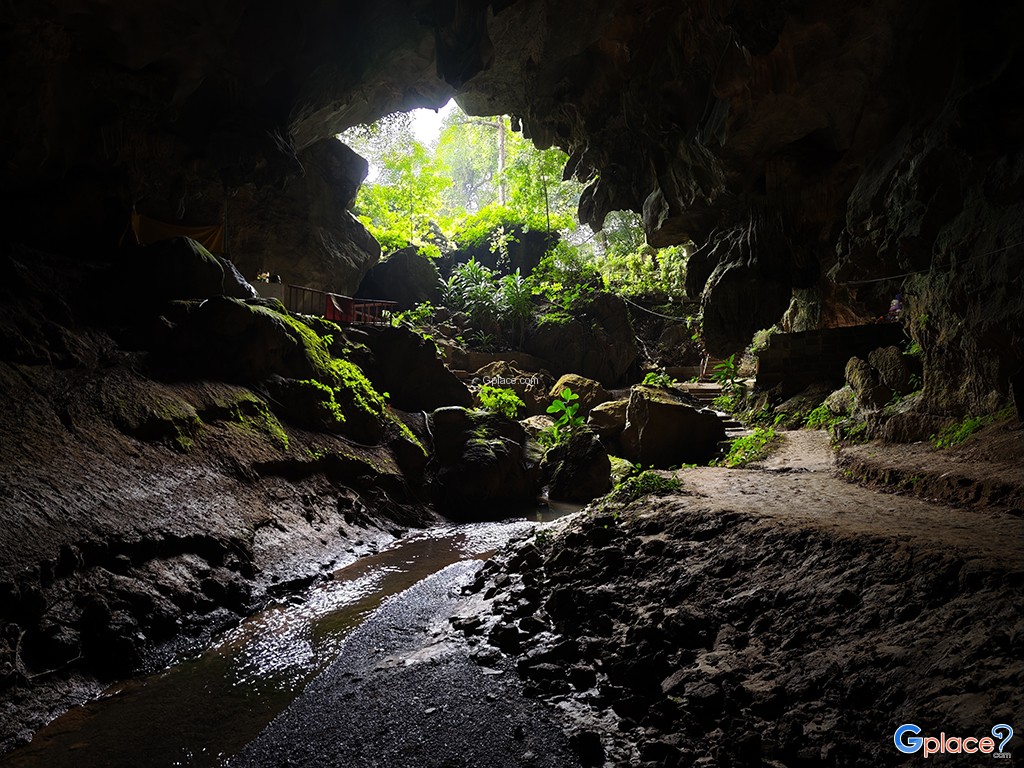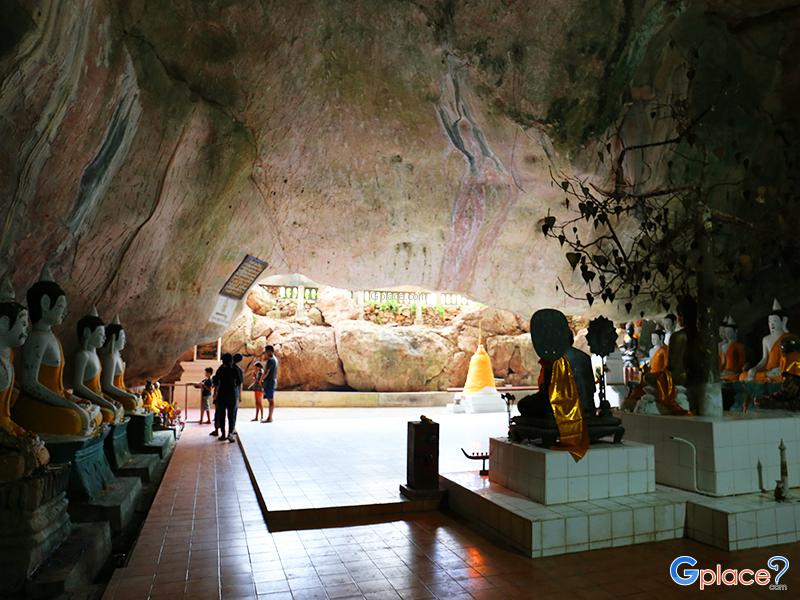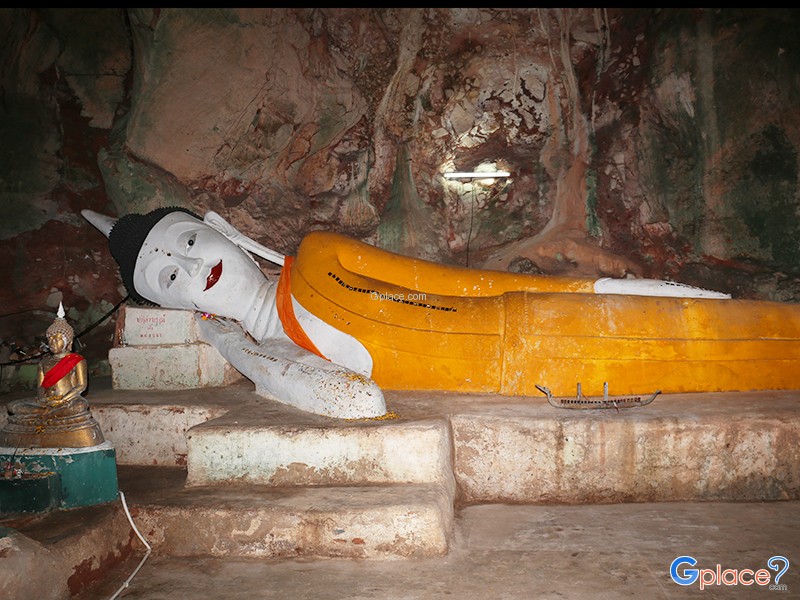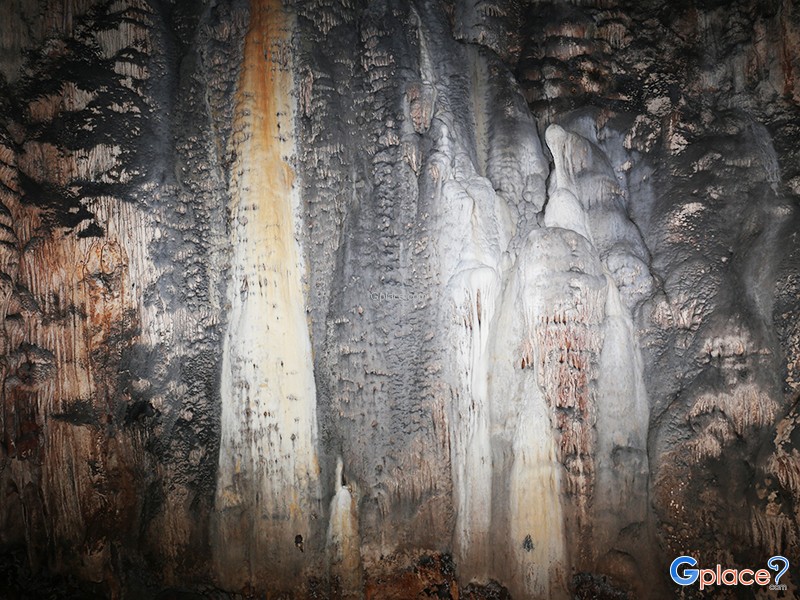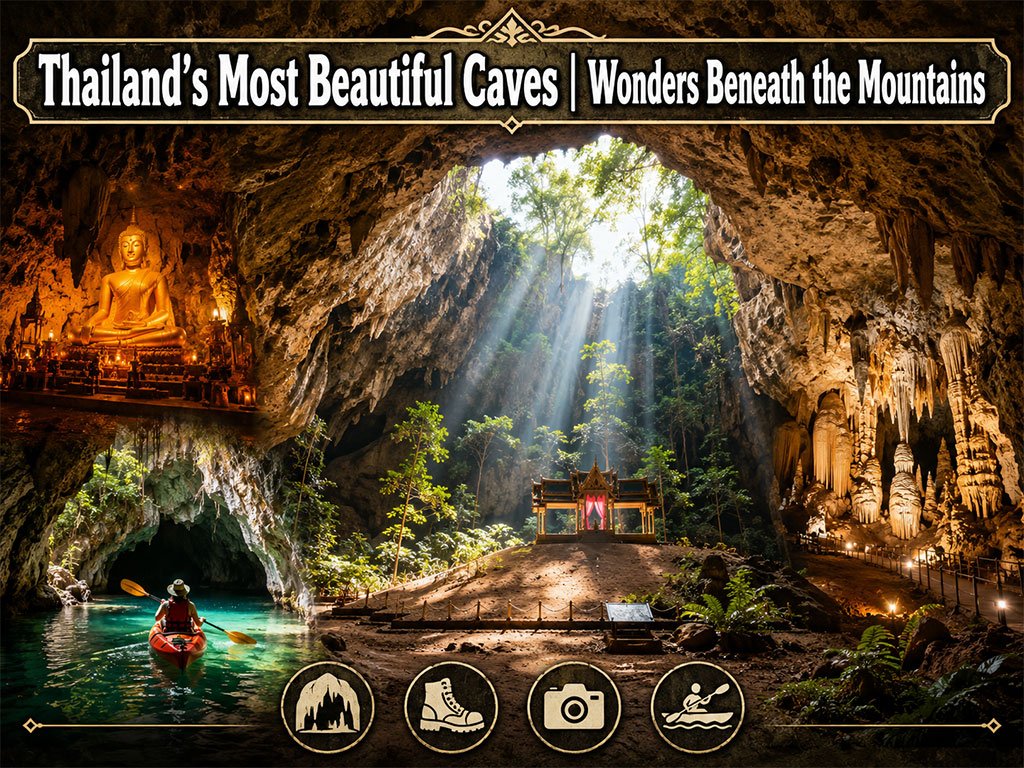
Thailand is home to many natural caves hidden beneath mountains, each with its own unique charm. Some are vast limestone chambers, some reveal magical beams of sunlight through openings in the cave ceiling, while others enshrine Buddha images and sacred objects. There are also water caves that require a boat ride or kayak journey, as well as caves connected to local history, legends, and spiritual beliefs. Visiting caves in Thailand is therefore more than simply admiring nature; it is a journey into another world that feels peaceful, mysterious, and truly worth exploring.
This collection brings together remarkable cave routes across Thailand, from northern caves surrounded by mountains, streams, and lush forests, to sacred caves filled with religious stories and spiritual atmosphere. It also includes caves known for unusual stalactites and stalagmites, as well as southern caves where limestone mountains, mangrove forests, and waterways combine beautifully. These destinations are ideal for travelers who enjoy nature, culture, photography, and soft adventure.
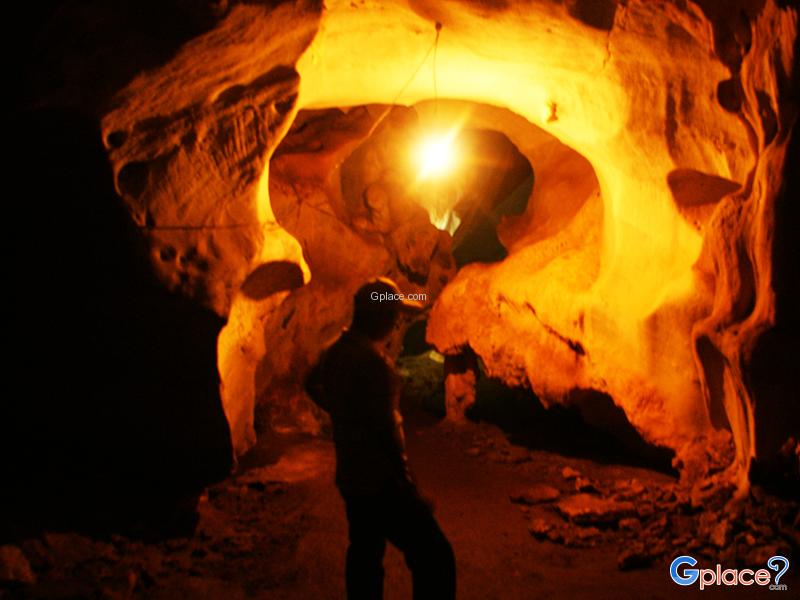
The highlight of the journey is the feeling of discovering “wonders beneath the mountains” as soon as you step inside. Some caves offer a calm and sacred atmosphere, while others are famous for natural light shining down into the cave, creating unforgettable scenes. Some feature large chambers, underground waterways, and impressive rock formations shaped by nature over thousands of years.
Famous caves such as Tham Nam Lod in Pang Mapha, Tham Phraya Nakhon, Tham Khao Luang, Tham Khao Bin, Tham Phung Chang, and Tham Phi Hua To each offer a distinctive experience. Some are perfect for viewing natural light beams, some are ideal for learning about history and archaeology, while others provide a peaceful sacred atmosphere or an adventurous journey through waterways, mangrove forests, and mysterious cave chambers that still preserve their natural beauty.
To enjoy cave travel safely, visitors should prepare according to local conditions. Always check opening hours, weather, water levels, and site regulations before traveling. Some caves are easy to explore on foot, while others require local guides, officers, or site staff for safe access. Responsible travel also helps protect the fragile cave environment for the future.
Thailand’s Most Beautiful Caves | Wonders Beneath the Mountains is a collection for travelers who wish to discover another side of Thailand — a hidden world beneath the mountains, filled with natural light, stalactites, stalagmites, legends, sacred stories, and unforgettable travel experiences. For nature lovers and adventure seekers, choose the cave that matches your travel style and experience these wonders beneath the mountains for yourself.
Travel Tips
Wear comfortable shoes with good grip, as some caves may have wet floors, slippery paths, or several stairways. Bring drinking water and a small flashlight, and avoid touching stalactites and stalagmites directly to help preserve the natural cave environment.
For caves with natural ceiling openings, the best time for photography is often from late morning to around midday. However, this depends on the season, sunlight direction, and weather conditions. For the best chance of seeing clear light beams, allow extra time and check with local officers or residents before visiting.
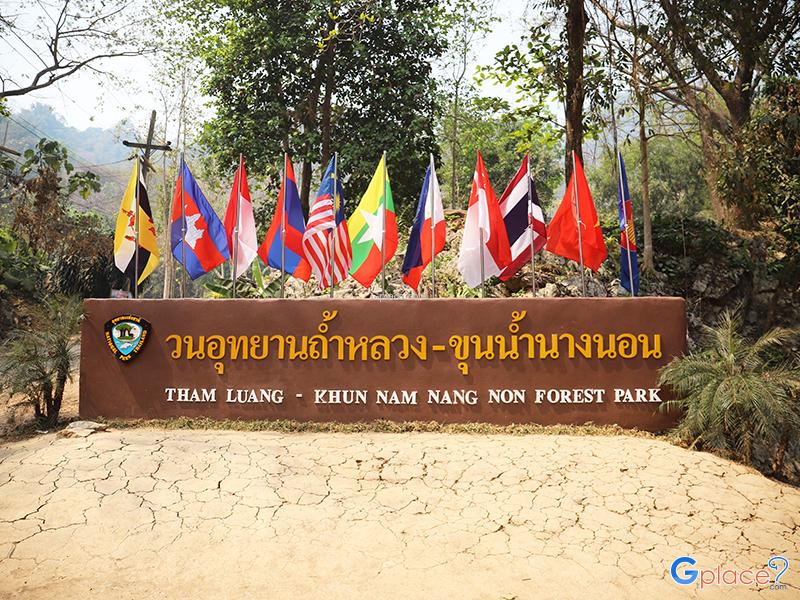
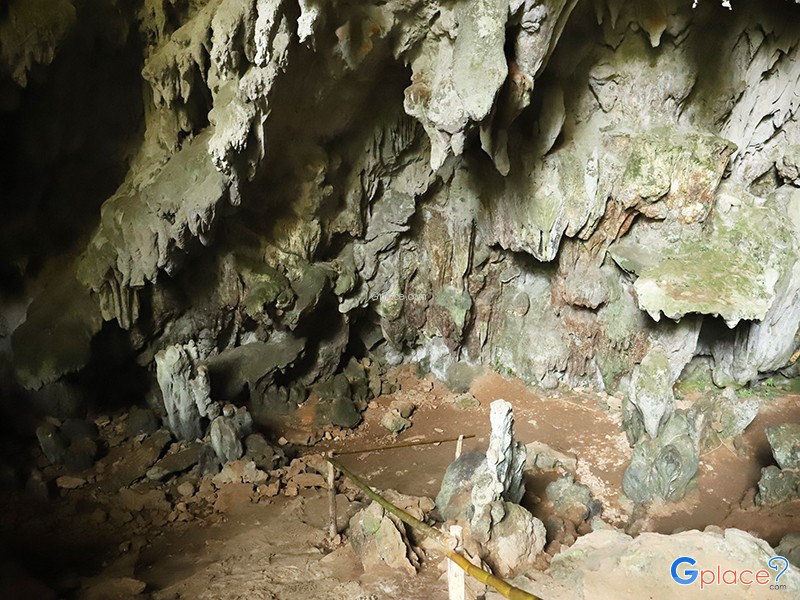
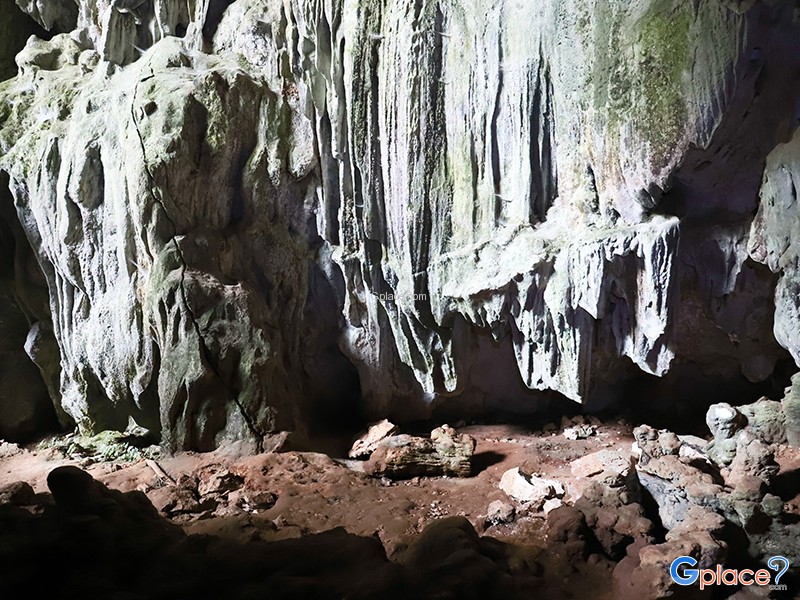
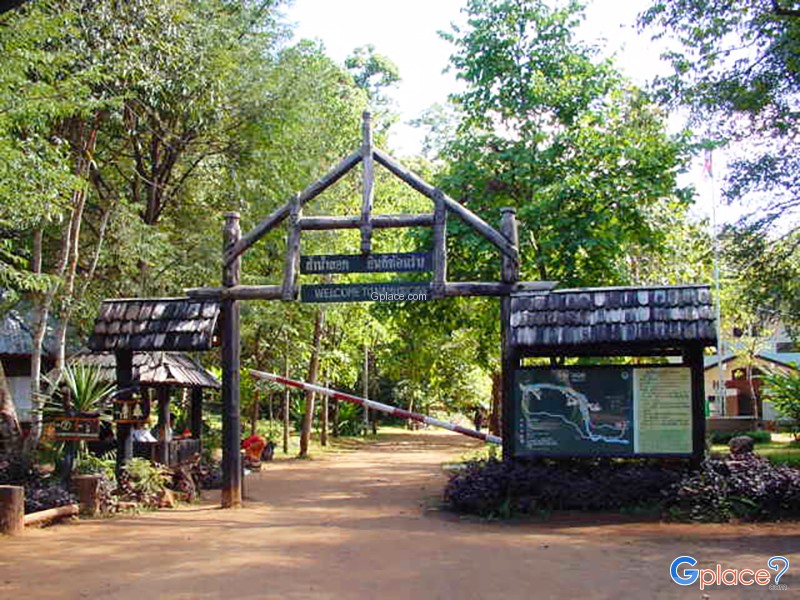
Tham Luang - Khun Nam Nang Non National Park is not just an ordinary limestone cave it is a complex natural sculpture and one of the longest cave systems in Thailand, stretching beneath the Nang Non mountain range, which resembles a woman with flowing hair. Inside the cave lies a path filled with mystery, featuring massive chambers and pitch-black narrow passages. Upon entering the monsoon se...
read more
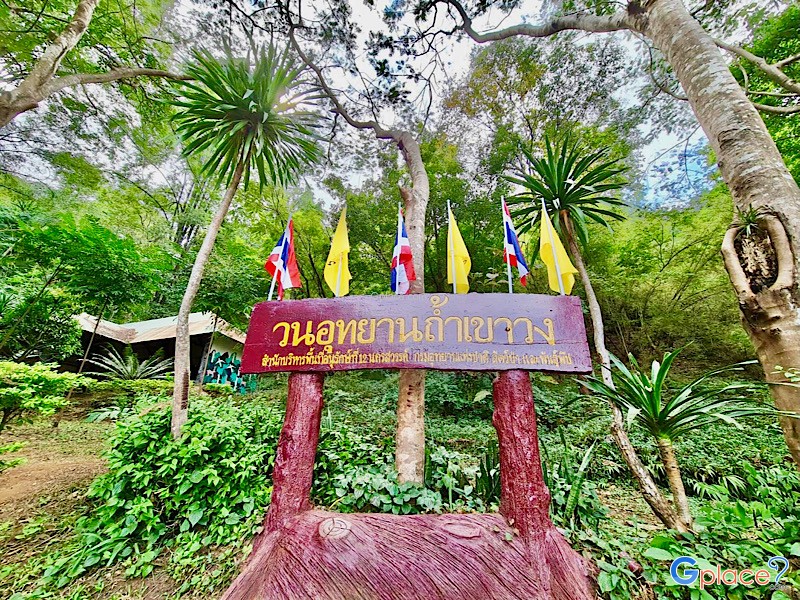
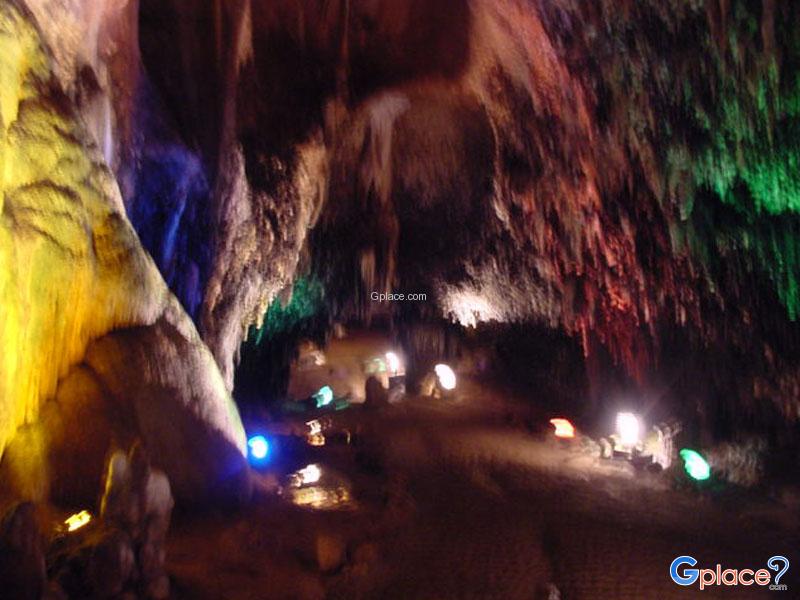
Tham Nam Lod (Nam Lod Cave) is under the supervision of the Pai River Wildlife Sanctuary. The main attraction is the cave itself, where the Nam Lang stream flows through the mountain, creating a cave with stunning stalactites and stalagmites. Archaeological tools and artifacts found inside suggest the cave is around 2,000 years old.
The cave is about 1 kilometer long and has three large halls:
T...
read more
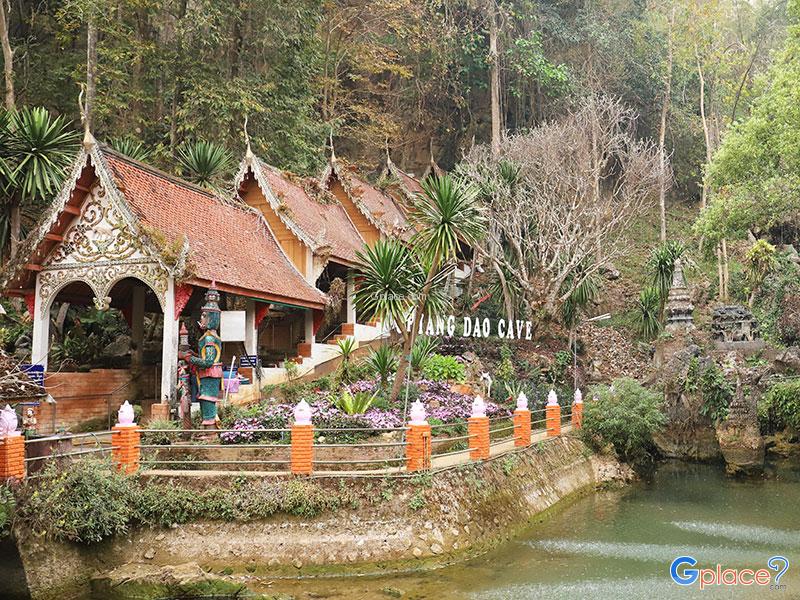
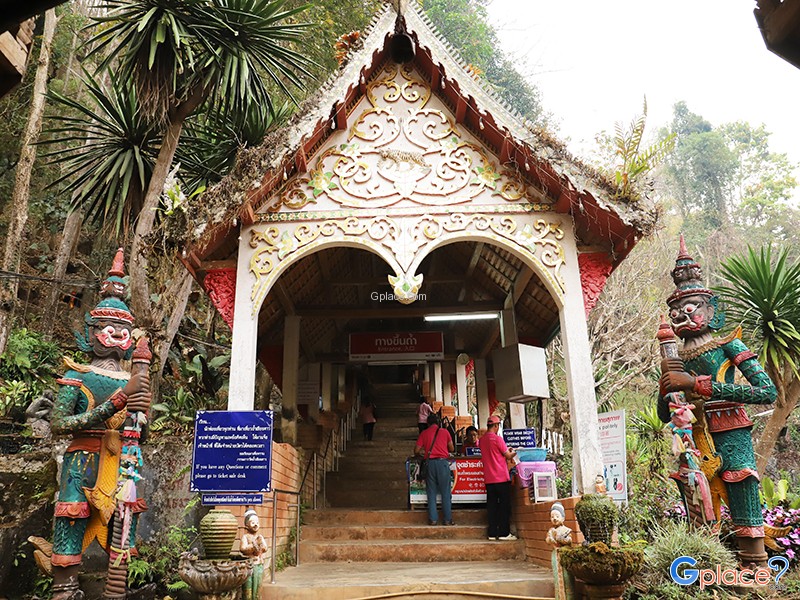
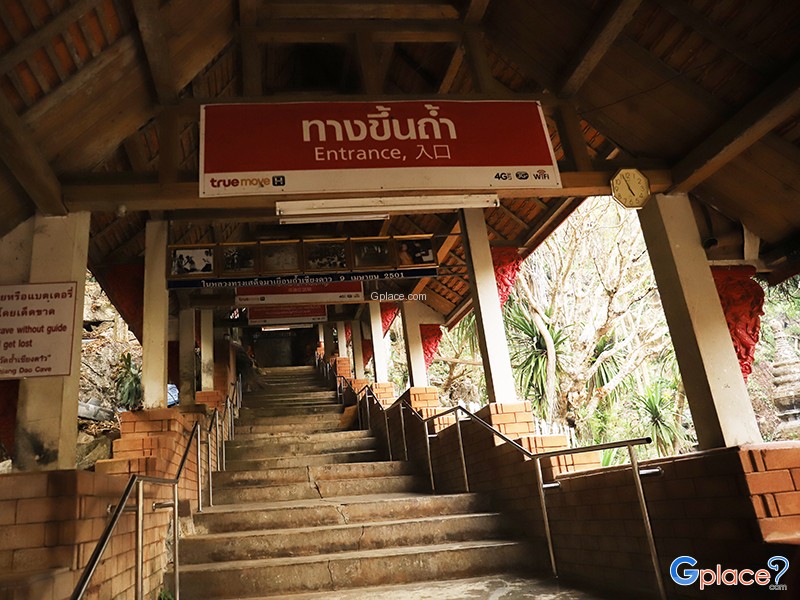
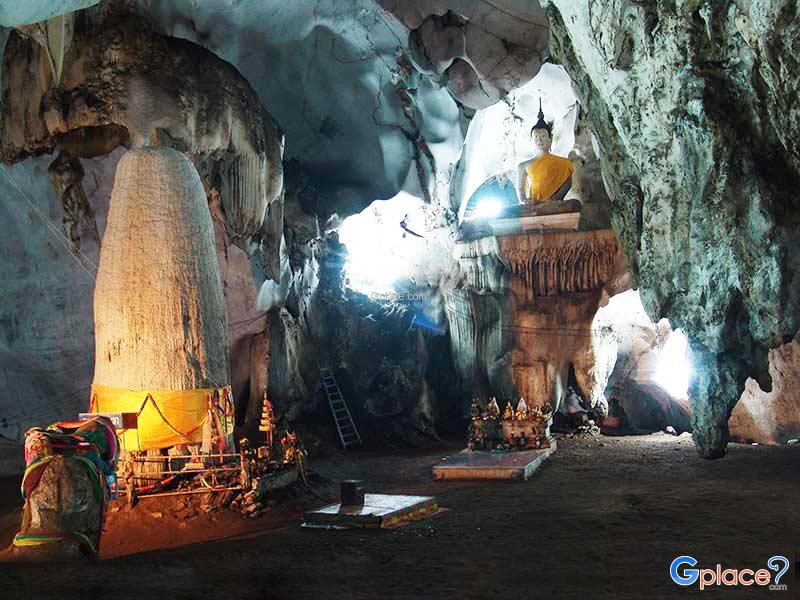
Tham Chiang Dao Temple is a revered sanctuary that has stood alongside Doi Luang Chiang Dao for generations. Its primary highlight is the massive cave at the foot of the mountain, which is a world-renowned natural attraction. The name "Chiang Dao" resonates with the grandeur of the towering Doi Luang Chiang Dao mountain behind it. At the cave's entrance, a crystal-clear stream flows year-roun...
read more
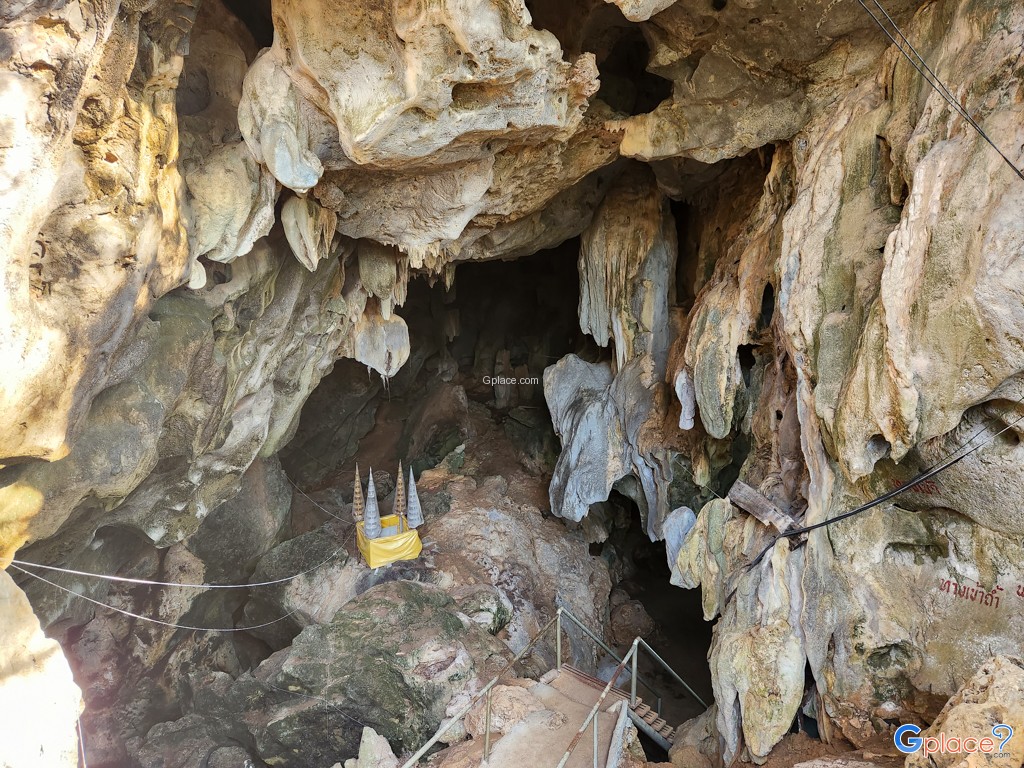
All the way down you will pass by grottos dotted with shrines most of which are lit with fluorescent lights. When you reach the main cavern floor you will see a huge 30 foot long reclining Buddha. Look above the statue and see if you can see what some say is a fossilised dinosaur skeleton....
read more
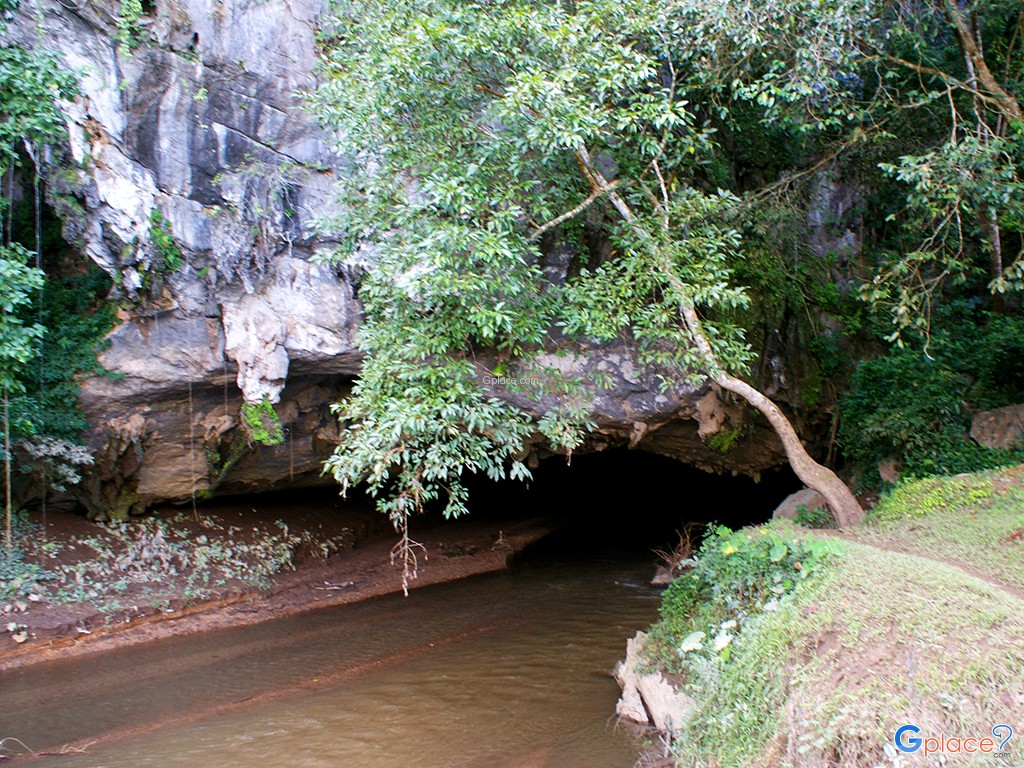
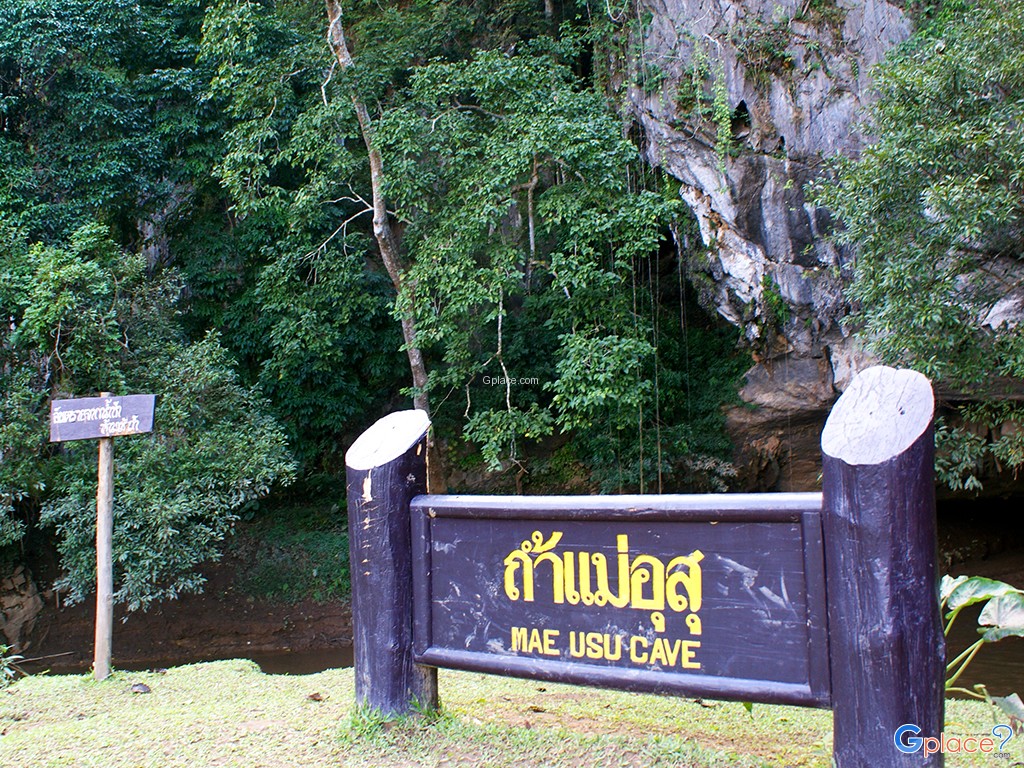
Mae Usu Cave managed by the Mae Usu Cave National Park in Tak Province, is a rare and magnificent River Cave. Its most unique feature is the Mae Usu stream, which flows through the entire length of the cave from west to east. The journey begins at a massive, majestic entrance that leads into 3–4 interconnected chambers, each linked by natural pathways and the gentle flow of the str...
read more
Pha Ngam Cave is a hidden natural jewel of Ngao District, remaining pristine and peaceful. The cave consists of several branching chambers, each adorned with stalactites and stalagmites that took tens of thousands of years to form. Some spots look like soft white water curtains, while others sparkle like diamonds when hit by light. The chilling air and enveloping darkness within the cave make visi...
read more
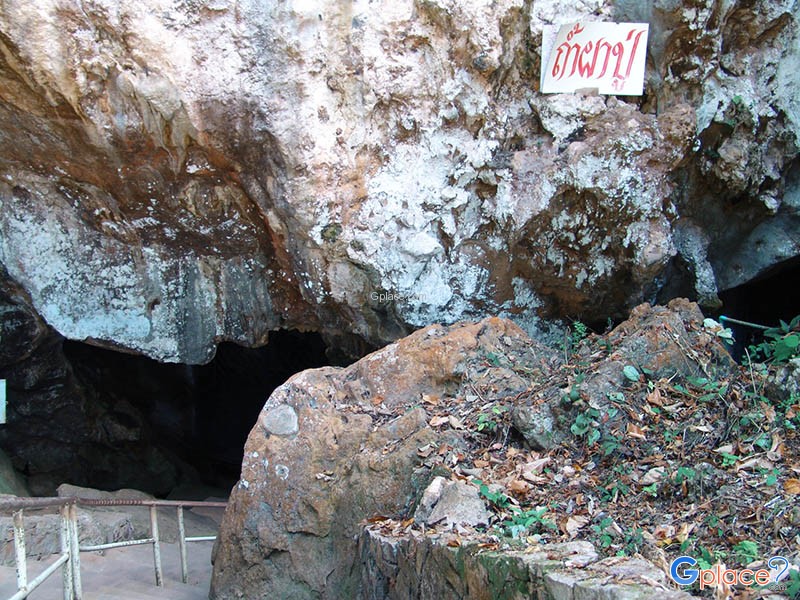
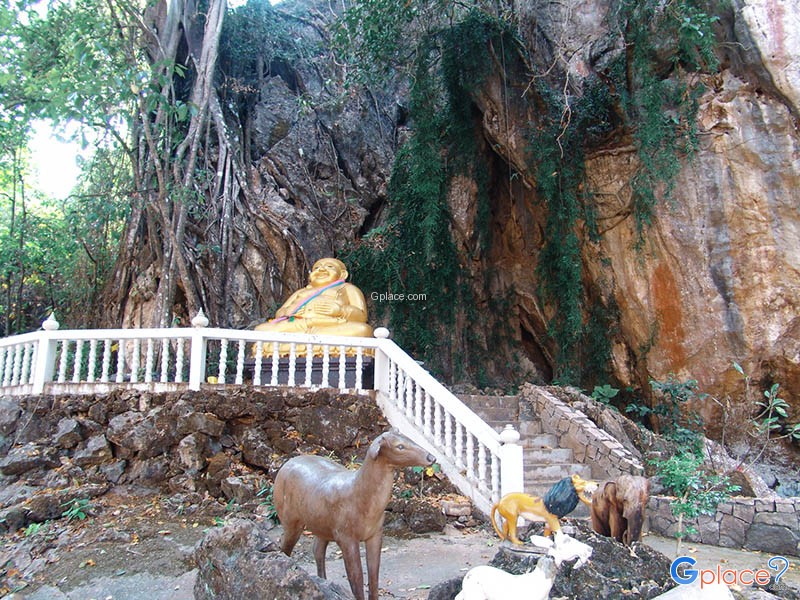
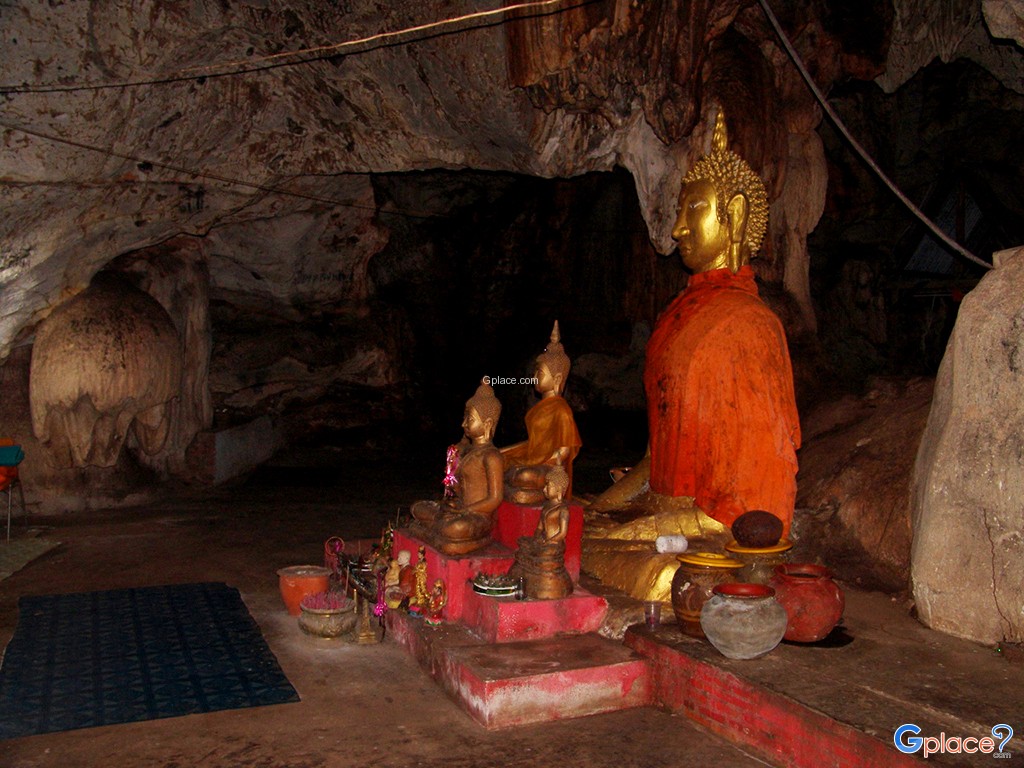
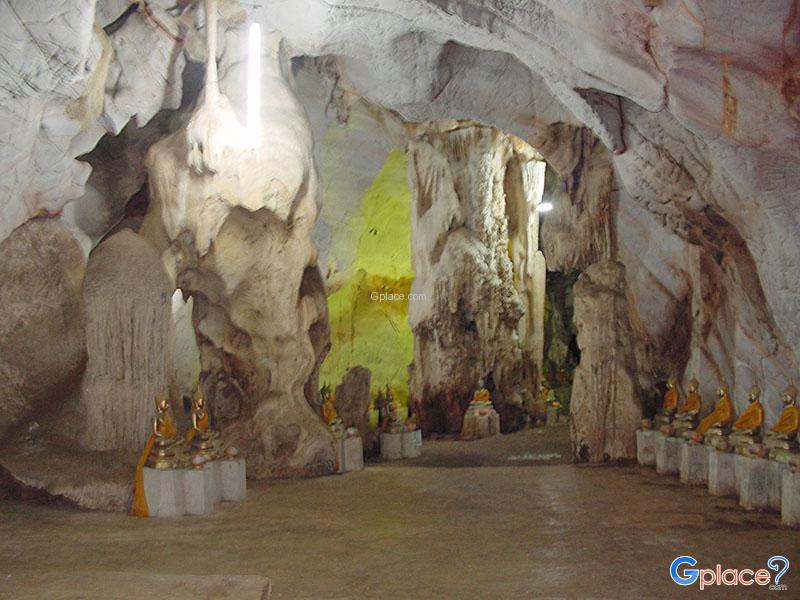
Wat Tham Pha Pu perfectly combines spiritual devotion with natural beauty. The main feature is a large cave on the hill, housing multiple Buddha statues and sacred objects. Visitors can worship, make merit, and practice meditation in a peaceful environment.
Inside the cave, there are significant Buddha images, including the Mara Victory posture and smaller golden Buddha statues. Murals and other s...
read more
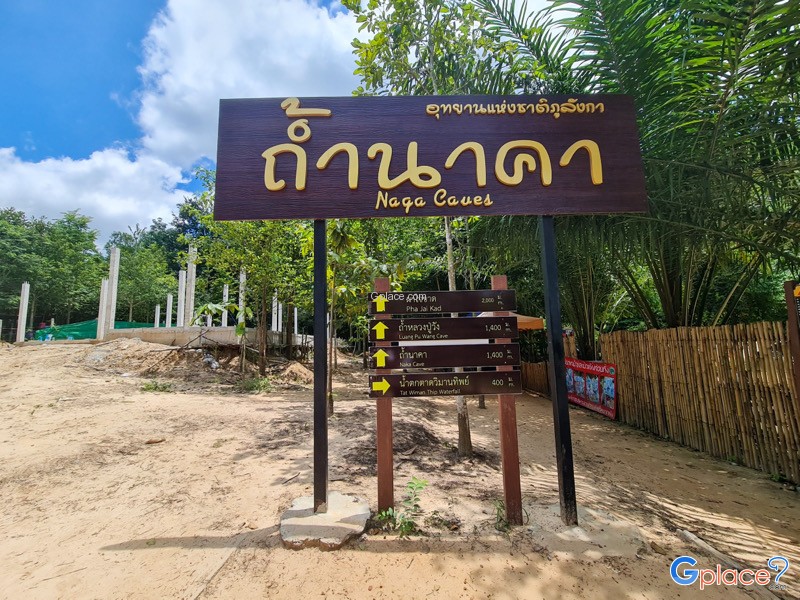
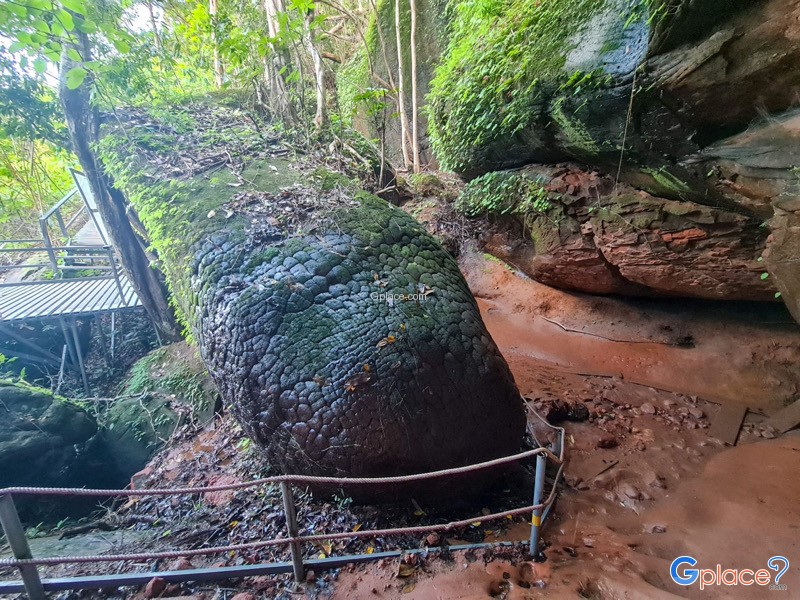
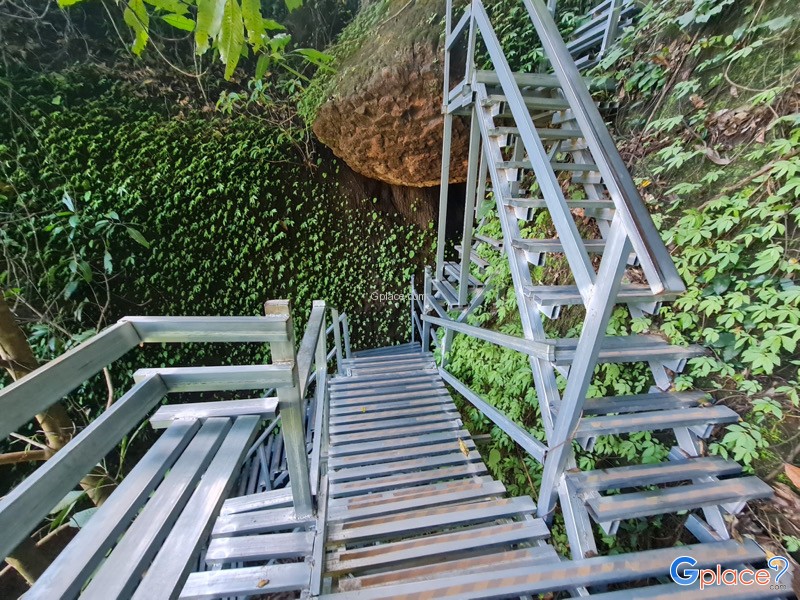
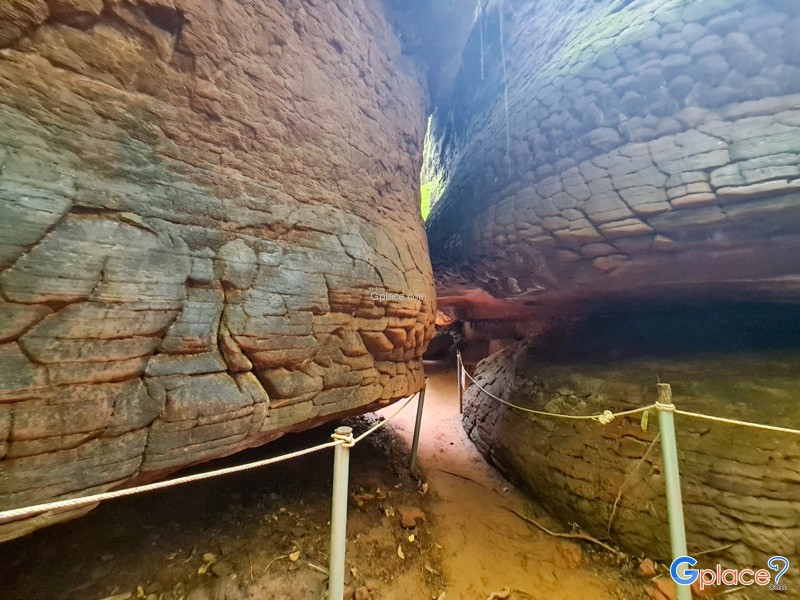
Naka Cave is located within Phu Langka National Park in Bueng Kan Province, along a challenging uphill trail of 1.4–2 km. The route involves steep stairways and rope-assisted climbs, taking around 4–6 hours round trip.
Inside the cave, key spots include the naga head formation, realistic scale-like textures across the rock, and the dazzling Sun Crack, where natural light pierces throug...
read more
Ruesi Sombat Cave, located in Bung Nam Tao Subdistrict, Lom Sak District, Phetchabun Province, is a relatively small cave situated on a low rocky hill amidst the mountainous and deciduous forest landscape of northern-central Thailand. The cave has a clear entrance and the surrounding area has been improved for easier access, making it a readily accessible historical and natural tourist destination...
read more
Kaew Sawan Bandan Cave is located within the grounds of Wat Tham Kaew Sawan Bandan in Nong Lu Subdistrict, Sangkhlaburi District, Kanchanaburi Province, near the route to the Three Pagodas Pass. It is a natural limestone cave formed by long-term erosion by groundwater, resulting in a large, interconnected cave system. The cave system is quite complex, with many chambers interconnected by natural r...
read more
Khao Phu Wai Cave is located within Khao Wong Cave Forest Park and is considered one of the most fascinating geological attractions in Uthai Thani Province. The cave is situated on a high mountain surrounded by a lush and well-preserved forest, creating a peaceful and natural atmosphere throughout the area.
What sets Khao Phu Wai Cave apart from other caves is that it is a “living cave,&rdqu...
read more
This cave is 30 kilometres west of the town in the vicinity of Amphoe Chom Bueng. It was originally called Tham Mutchalin. In 1895, King Rama IV and Queen Si Phatcharin made a royal visit and were fond of its beauty, thus giving it a new name according to the shape of the stalactites which look like the epaulette of a field marshal. The cave also houses a medium-sized reclining Buddha. A nearby ab...
read more
Khao Bin Cave is one of the most famous and beautiful limestone caves in Ratchaburi Province. Located on Khao Bin Mountain at an elevation of approximately 200 meters above sea level, the cave lies within the Khao Krajom and Khao Bin National Reserved Forest Area. The name “Khao Bin” comes from a stalagmite formation inside the cave that resembles an eagle spreading its wings in flight...
read more
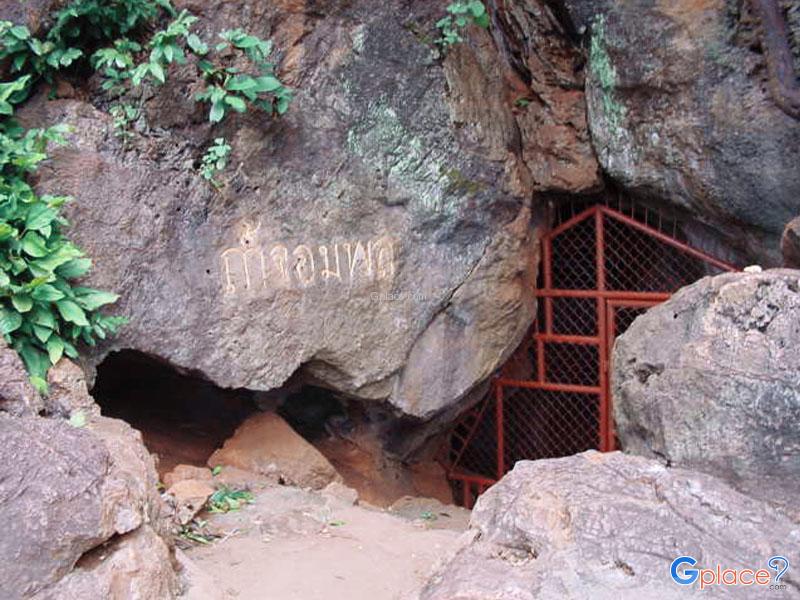
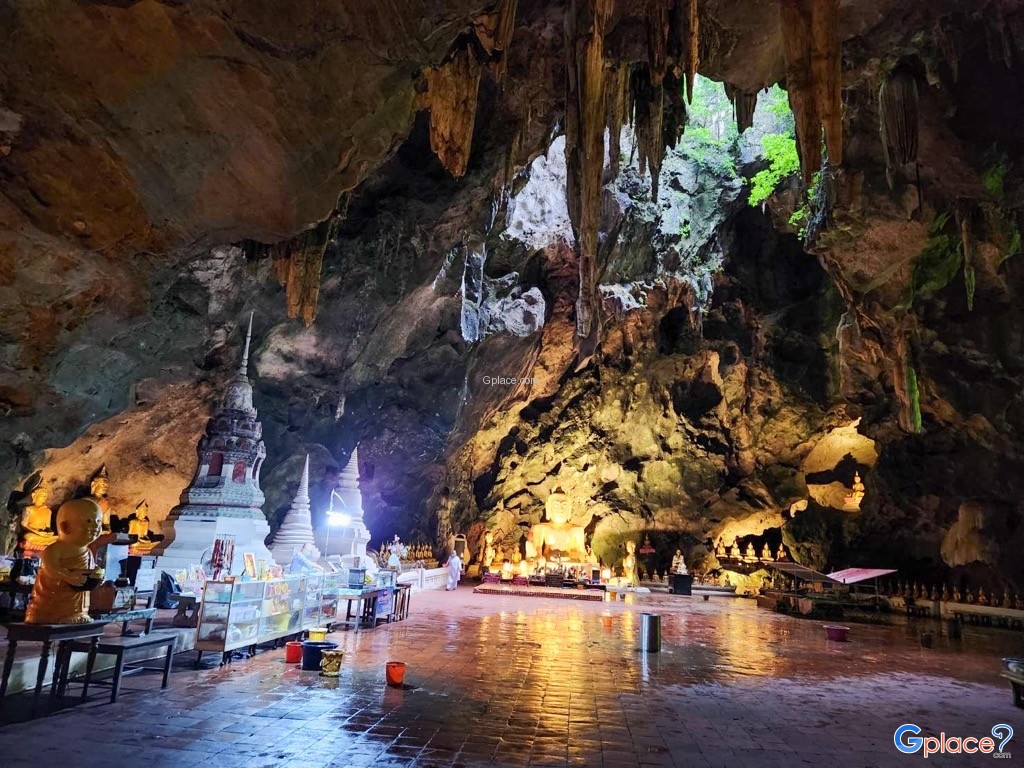
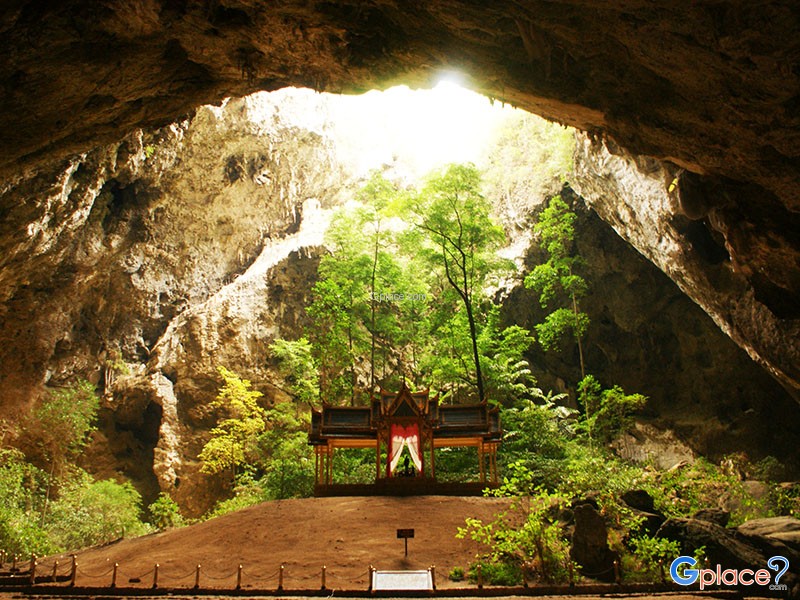
Khao Luang Cave is one of the most famous and historically significant caves in Phetchaburi Province. It is located on Khao Luang, a small limestone hill rising approximately 92 meters above sea level. The cave itself is a large limestone cavern with a high, naturally open ceiling, creating a spacious, majestic, and sacred atmosphere. Inside the cave are numerous ancient Buddha images, with a larg...
read more
Phraya Nakhon Cave is located within Khao Sam Roi Yot National Park and is one of the most famous and unmissable destinations in Prachuap Khiri Khan Province. Accessing the cave is not easy, but the effort is richly rewarded: the journey starts at Laem Sala Beach and requires a hike up and down a hill over a relatively steep and rough path, totaling about 430 meters. This path serves as a mental a...
read more
Khao Tham Ma Rong Temple is a temple with a long history connected to Bang Saphan district. The temple is situated at the foot of Tham Ma Rong Hill, a significant limestone mountain of geological importance and the source of the temple's unique name. The most important feature within the temple grounds is Tham Ma Rong (Horse Cry Cave), a large cave with a natural light shaft opening to the fl...
read more
Rap Ro Cave or Wat Thep Charoen is located on Rap Ro Hill, also known locally as Khao Phra, within the grounds of Wat Thep Charoen in Tha Sae District, Chumphon Province. This limestone mountain stretches along a north–south axis and once served as an important cultural and strategic center. Historically, the area formed part of the ancient city Utumporn, an old port town and frontier c...
read more
Tham Phra Khayang is located within the Khao Nong Chik National Reserved Forest in Kra Buri District. It is a destination that seamlessly blends history, legend, and natural ecosystems.
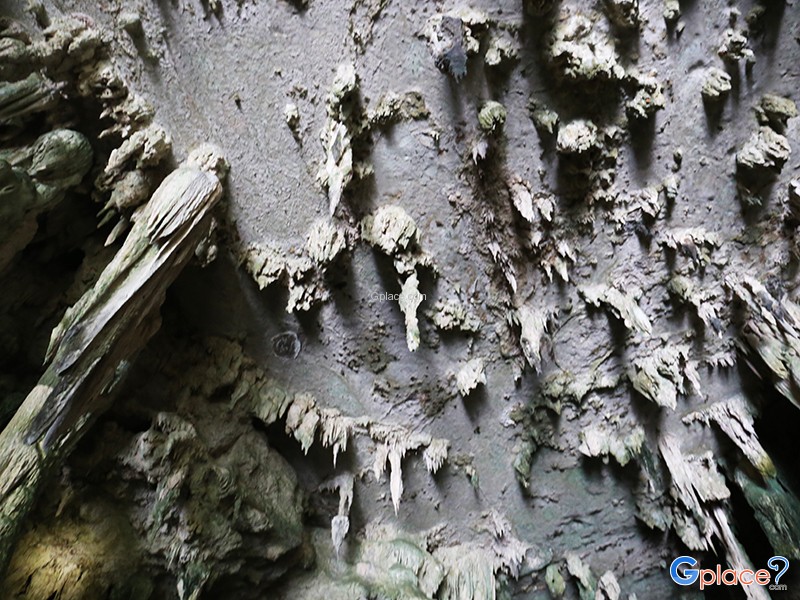
The cave itself is a moderately sized limestone cavern with a fascinating internal structure. Its walls and ceilings are adorned with stalactites and stalagmites formed from calcium carbonate deposits over thousand...
read more
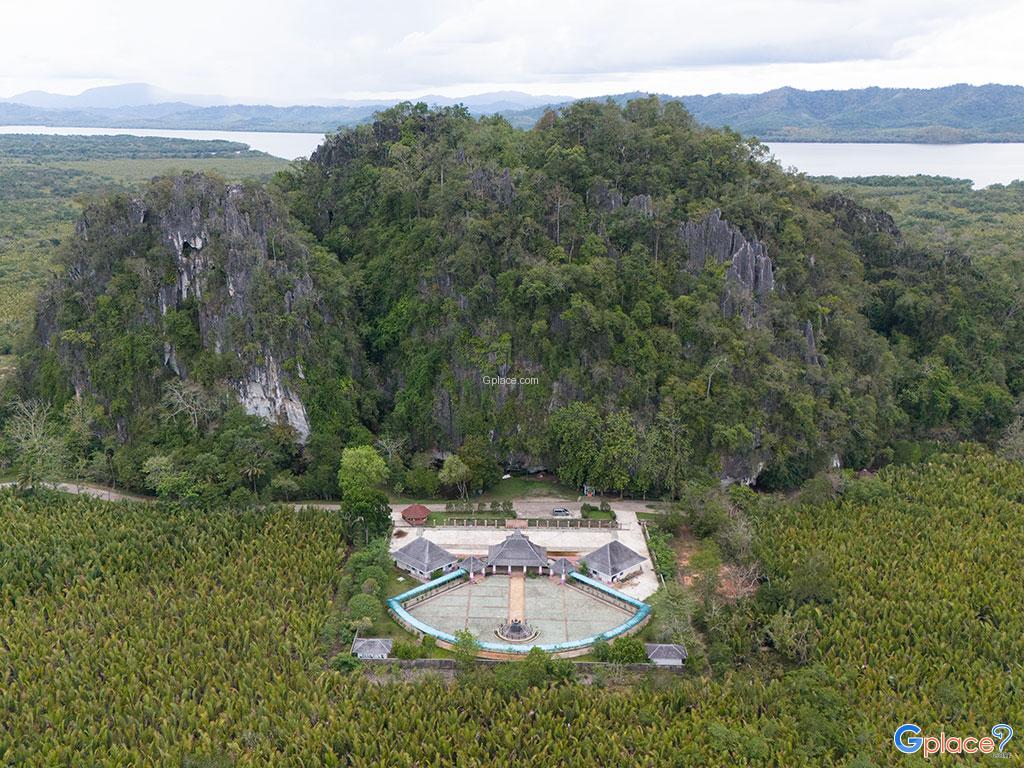
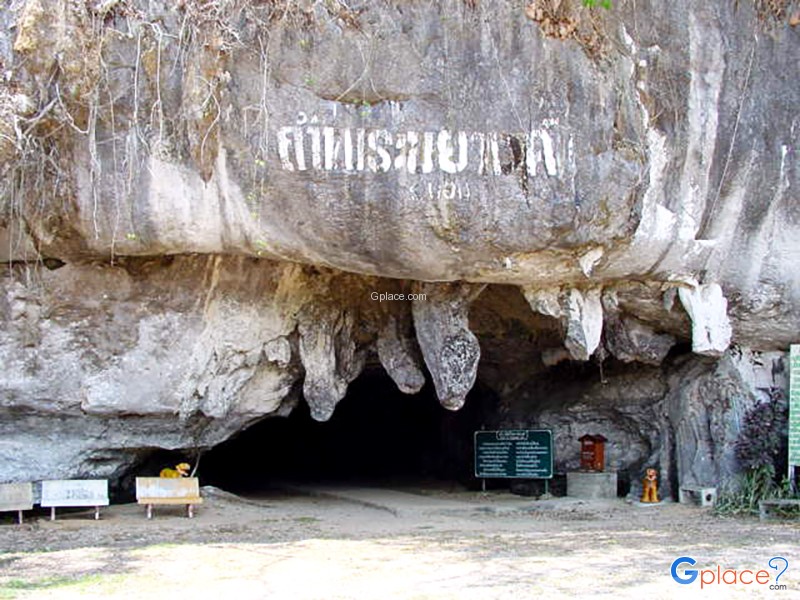
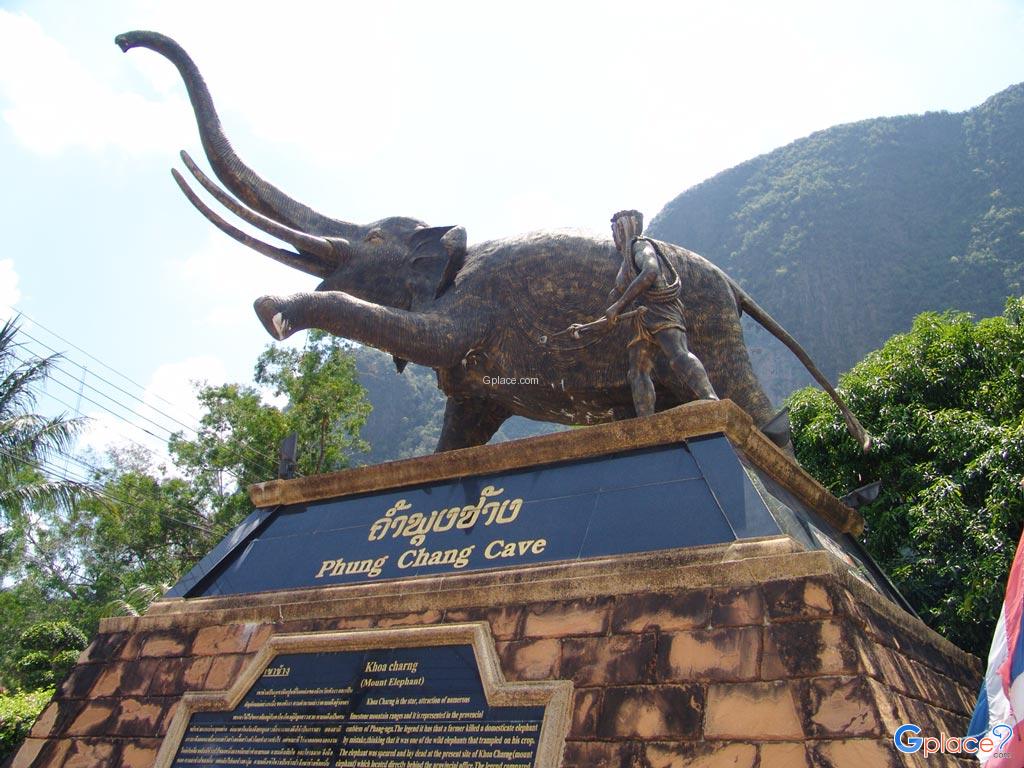
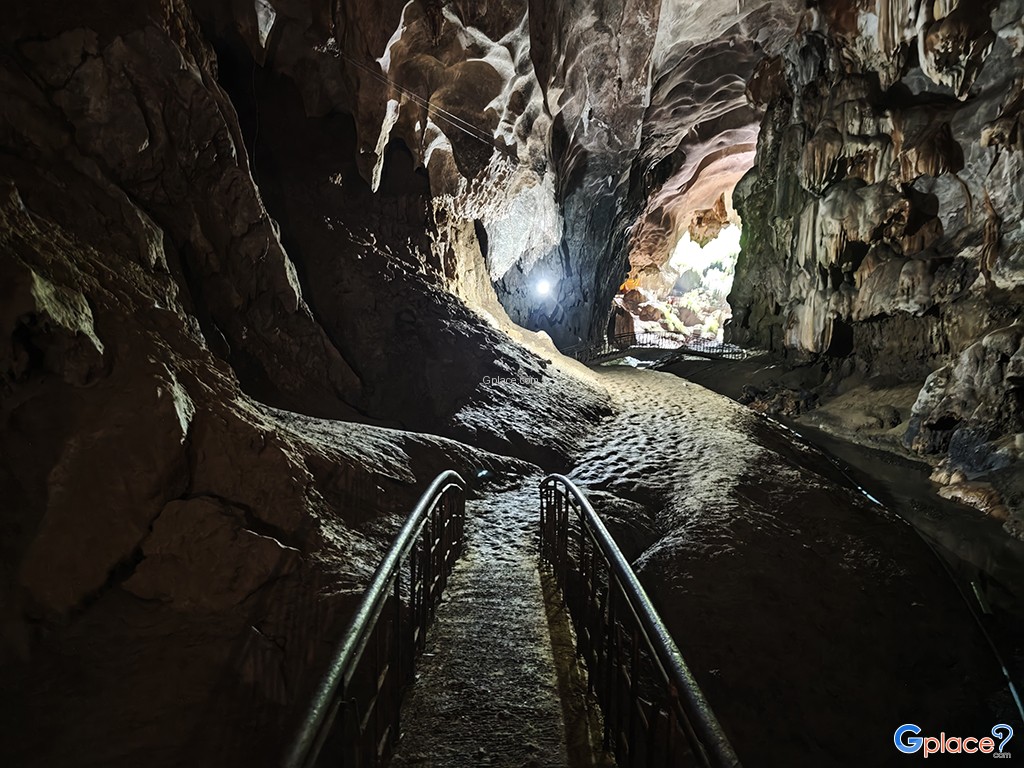
Phung Chang Cave (Phung Chang Cave) is located inside “Elephant Mountain”, a large limestone mountain shaped like a reclining elephant in the center of Phang Nga, which is considered a major geographical landmark of Phang Nga Province. The cave is situated in the area representing the “belly of the elephant”, which is the origin of its name and clearly reflects the lo...
read more
Wat Tham Ta Pan is one of the most distinctive cultural attractions in Phang Nga, combining Buddhist teachings with Chinese and Hindu influences. The temple complex is filled with large-scale sculptures that reflect the concepts of karma, rebirth, and moral consequences, offering both an educational and visually striking experience.
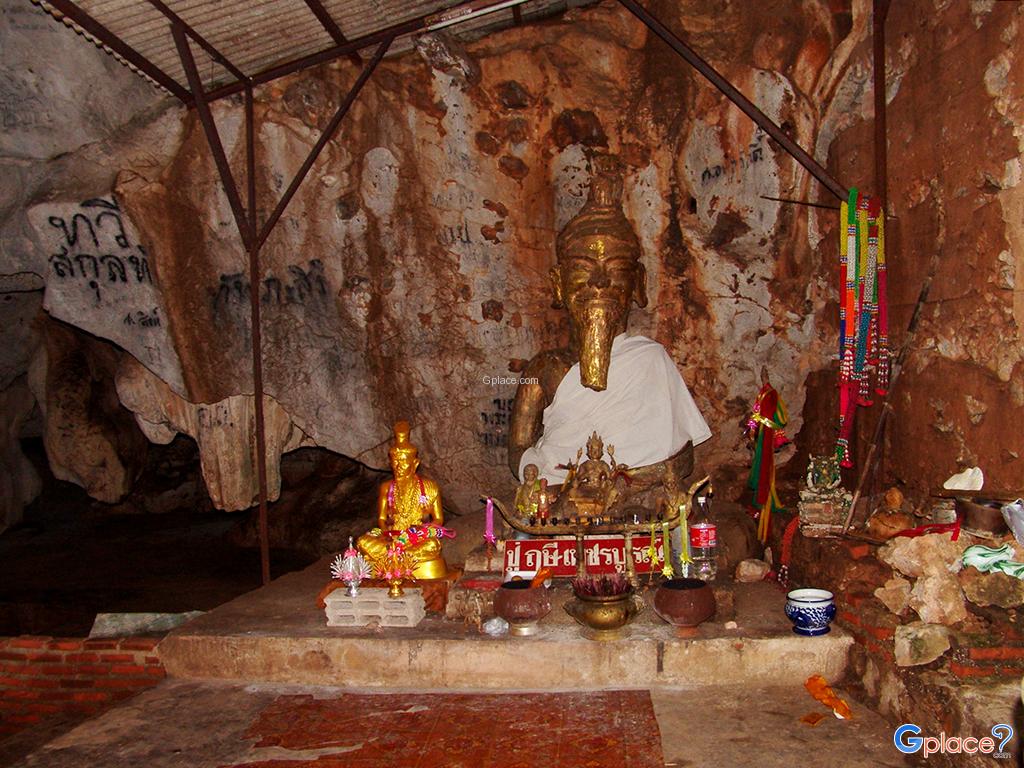
At the entrance, visitors are greeted by statues of various deiti...
read more
Khuha Sawan Cave is located within Wat Khuha Sawan, an ancient temple that has long played a significant role in the historical and religious landscape of Phatthalung. Based on architectural style and local historical records, the temple is believed to have developed during the Ayutthaya period and has continuously served as a spiritual center for the surrounding community. The temple is situated ...
read more
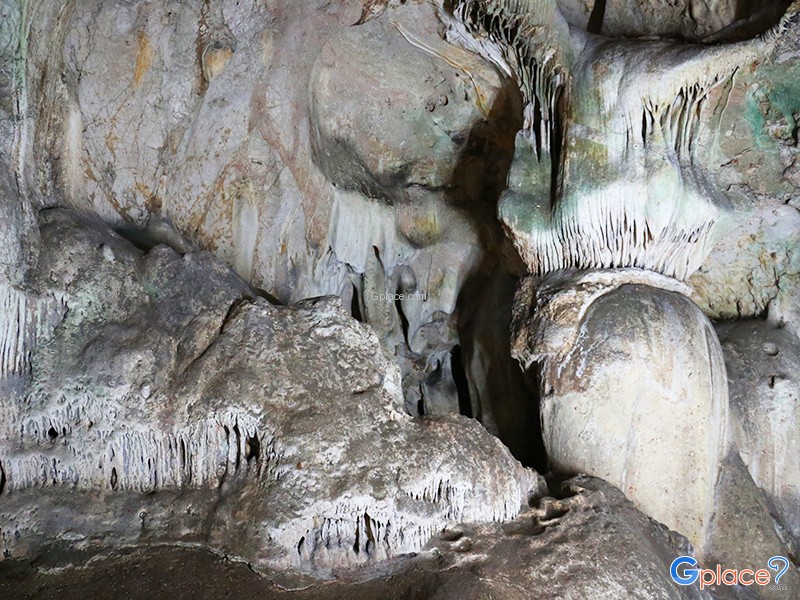
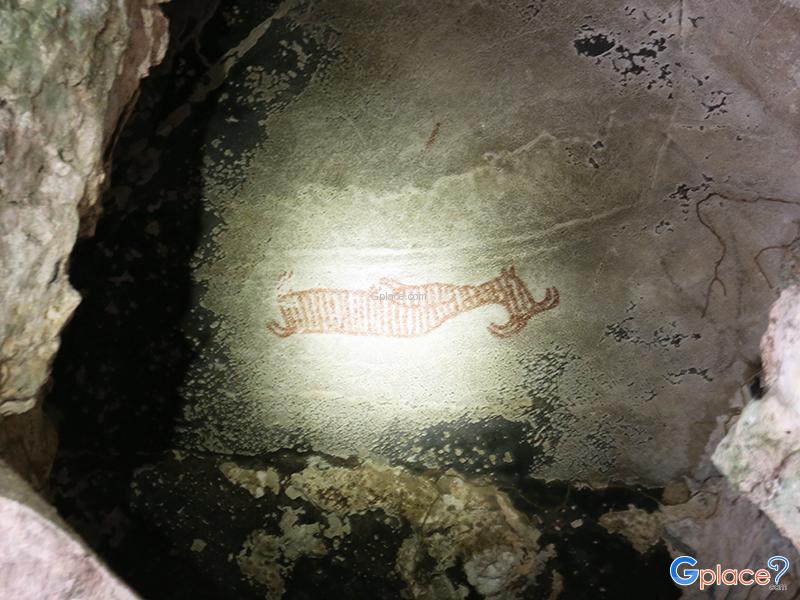
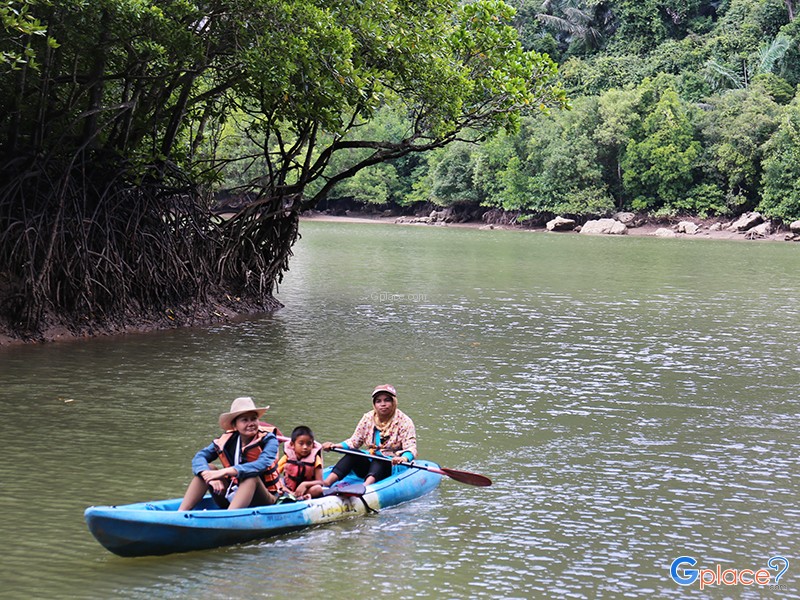
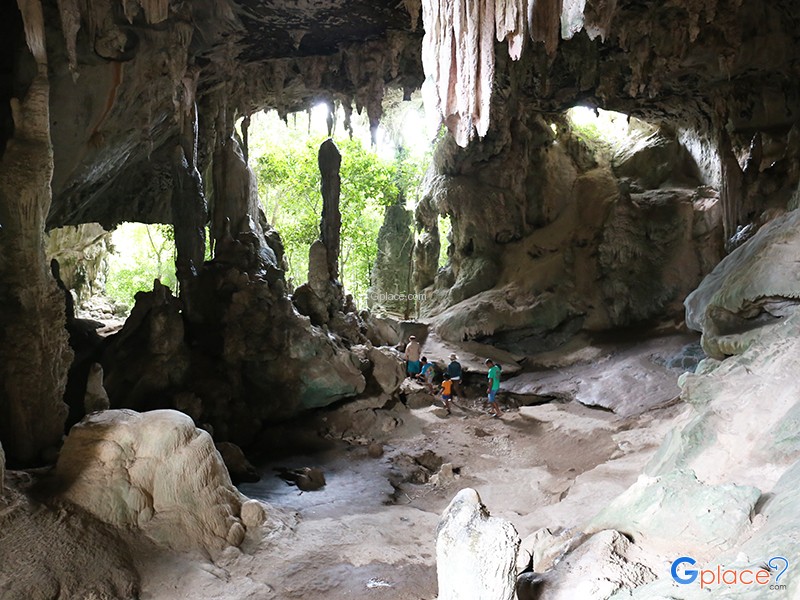
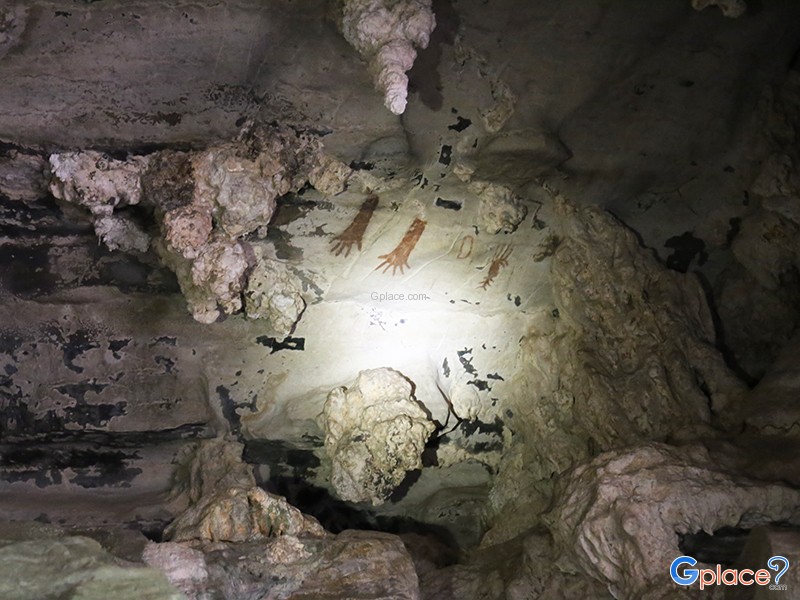
Phi Hua To Cave (Phi Hua To Cave) or locally known as “Skull Cave” is one of the most important archaeological sites in Krabi Province. The cave is located within Than Bok Khorani National Park, surrounded by the rich mangrove ecosystem of Ao Luek District.
The cave sits on a massive limestone mountain formed millions of years ago and is surrounded by natural canals and mangrove forest...
read more
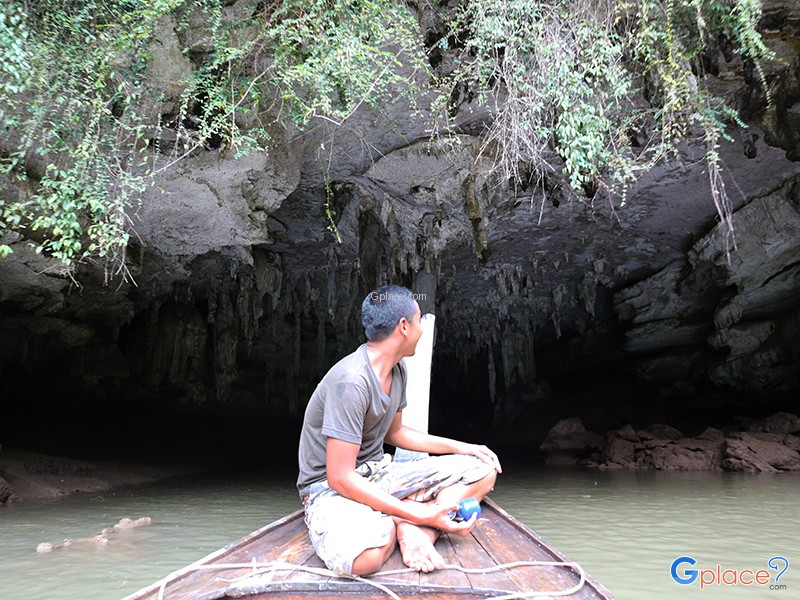
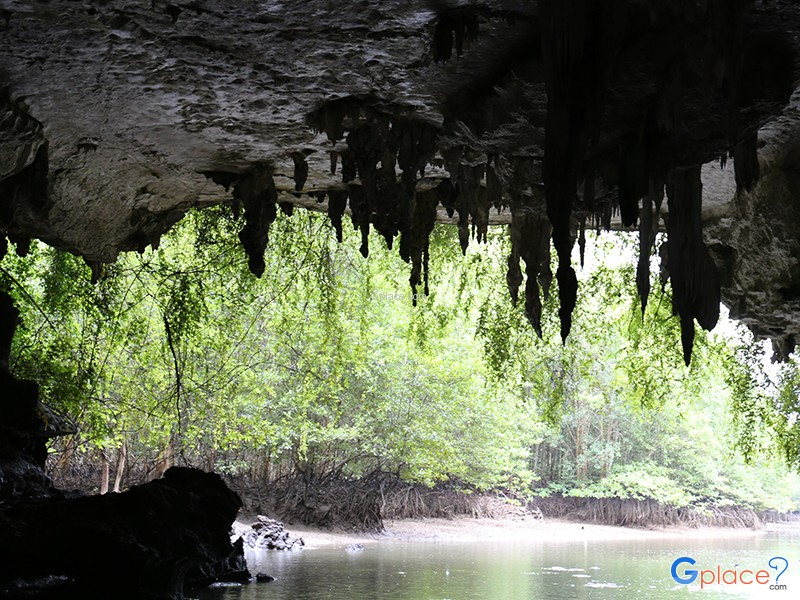
Tham Lod Nua and Tham Lod Tai (Northern and Southern Water-Tunnel Caves) in Bor Thor Village, Ao Luek, Krabi, is a renowned eco-tourism destination set within a dramatic karst landscape of towering limestone cliffs and dense mangrove forests. Located near Than Bok Khorani National Park and connected to Tham Phi Hua To, it forms part of one of Krabi’s most famous kayaking routes.
The sit...
read more
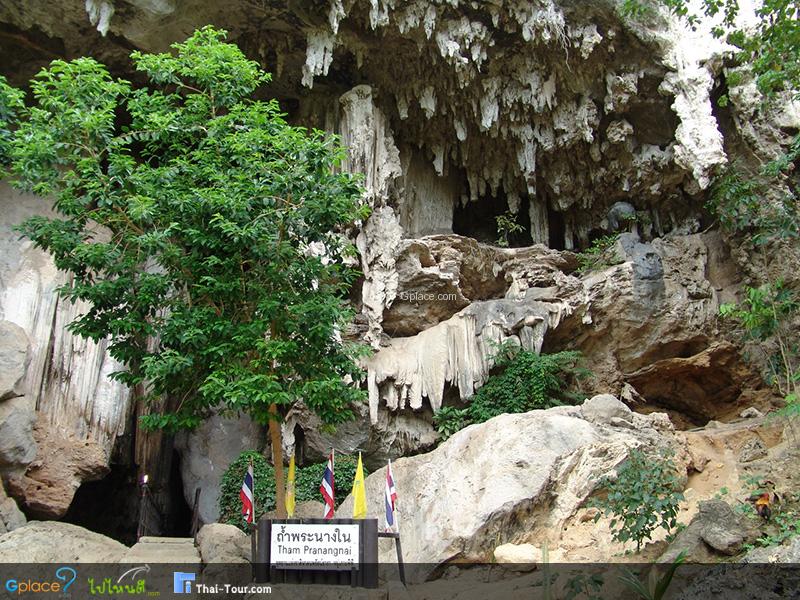
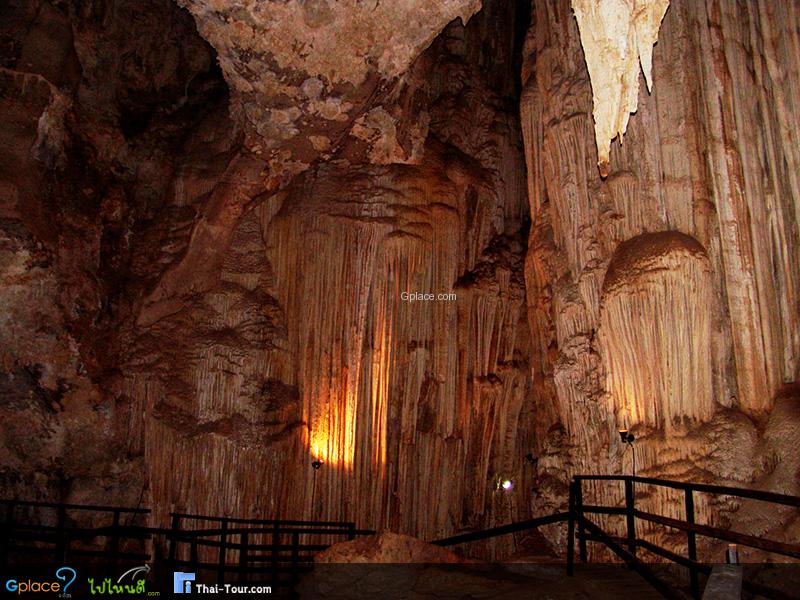
Phra Nang Nai Cave, widely recognized as "Diamond Cave," stands as one of the most magnificent natural masterpieces on the Railay Peninsula. Located at the northern end of East Railay and managed under the jurisdiction of Hat Noppharat Thara-Mu Ko Phi Phi National Park, this cave is a large limestone structure spanning approximately 130 meters in depth. Its geological formation showcases a complex...
read more

 Attractions
  Hotel
Hotel  Restaurant
  Shopping
  Abroad
  Nearby Places







 2436
2436