 Attractions
  Hotel
Hotel  Restaurant
  Shopping
  Abroad
  Nearby Places





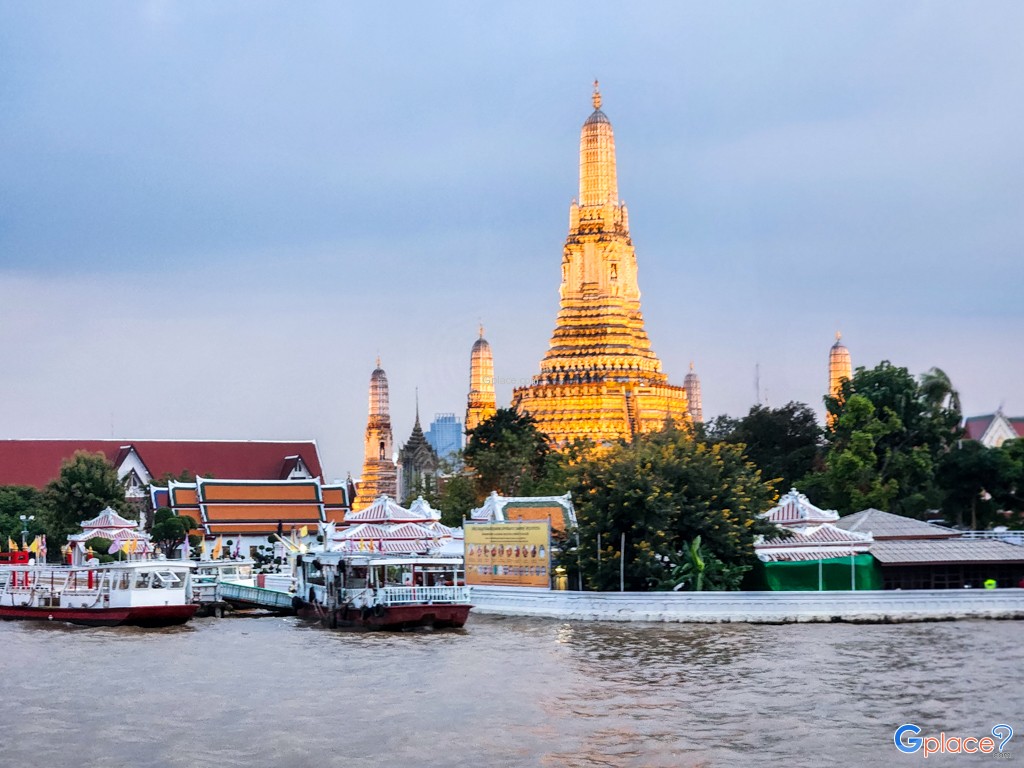

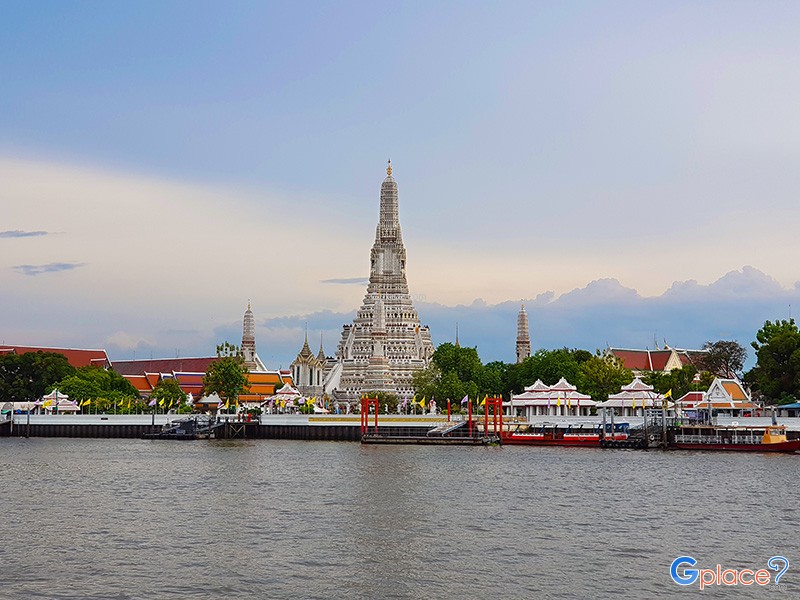
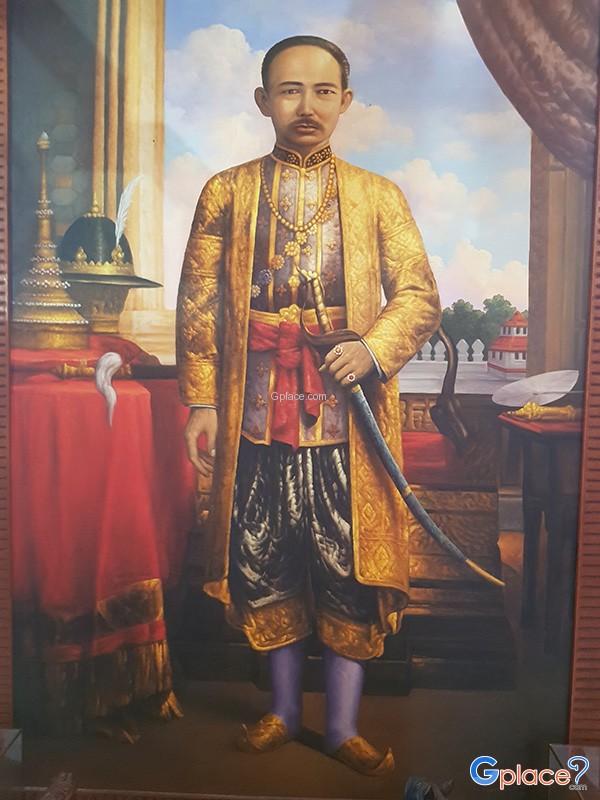
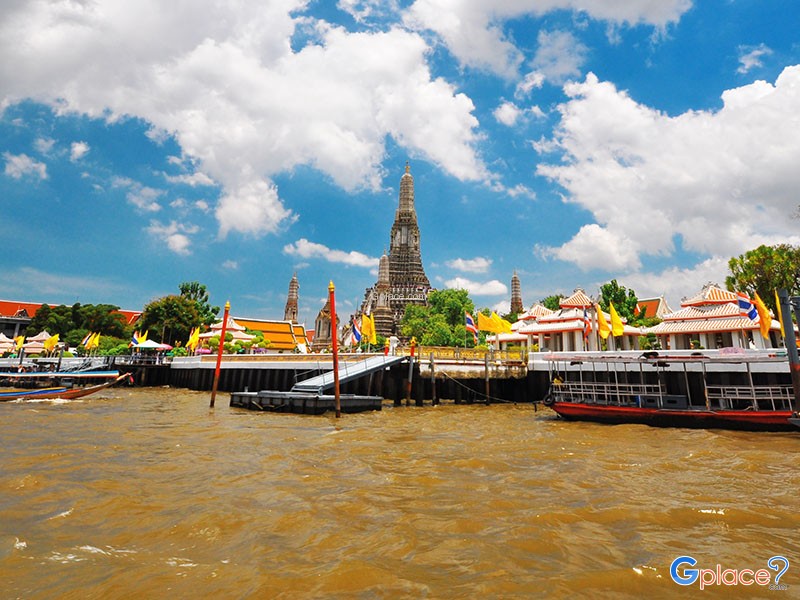
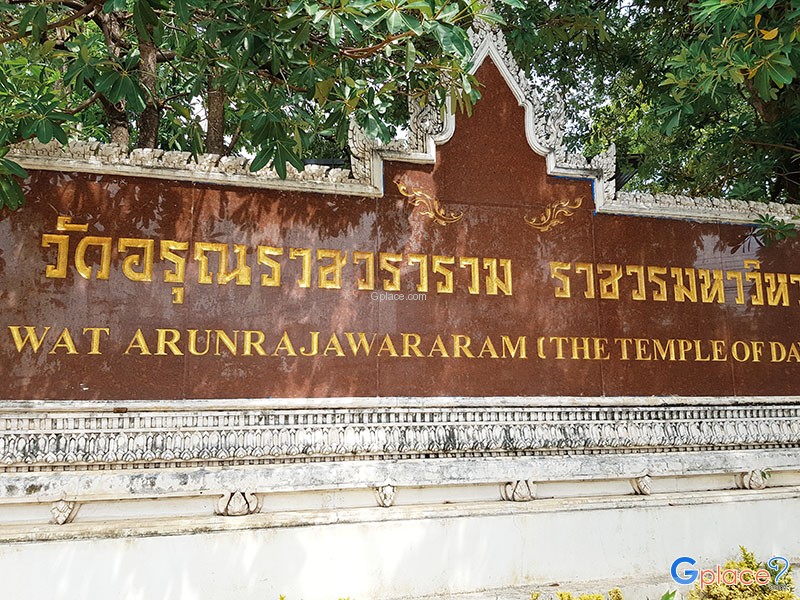
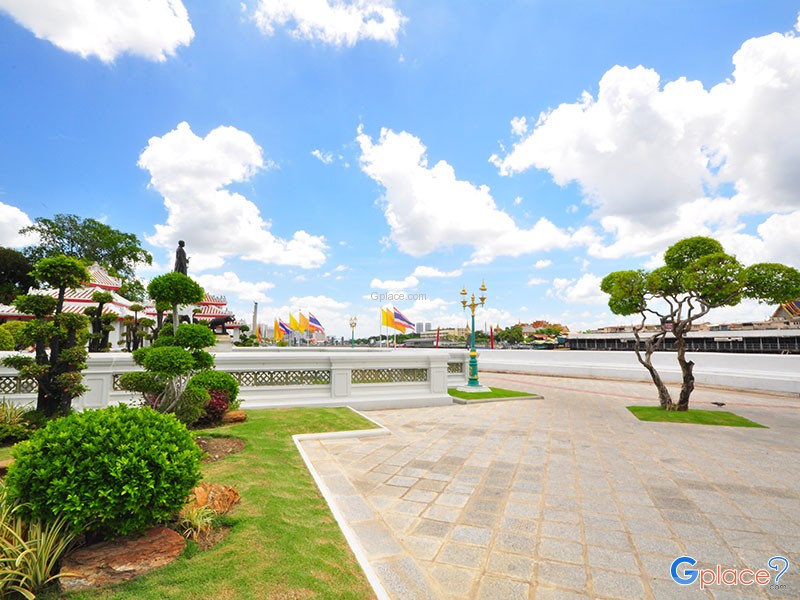
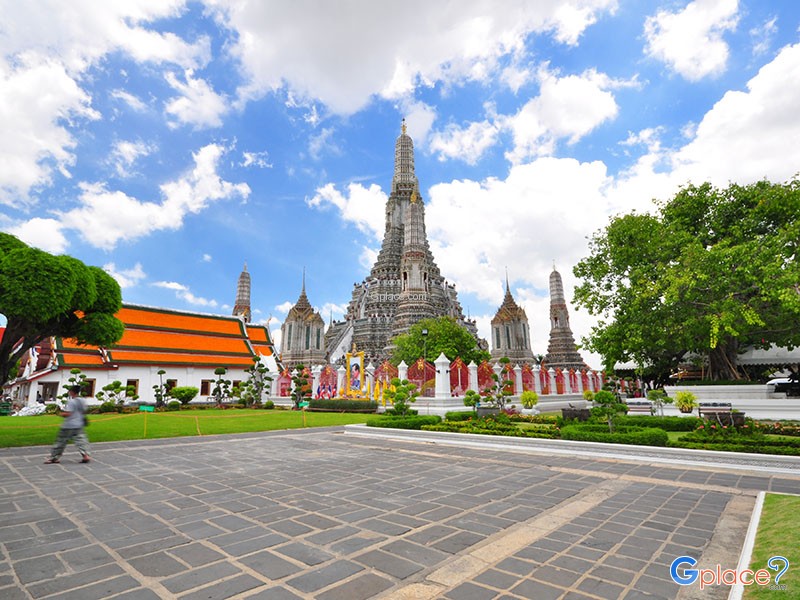
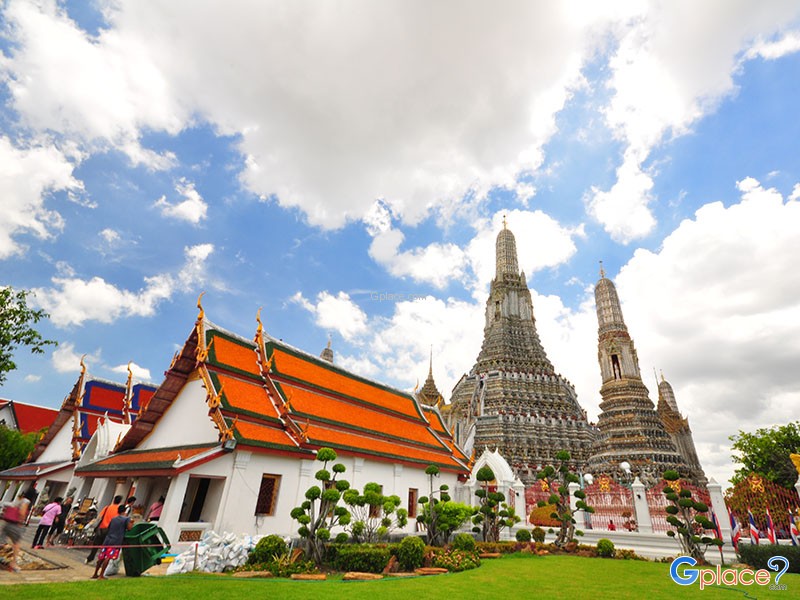
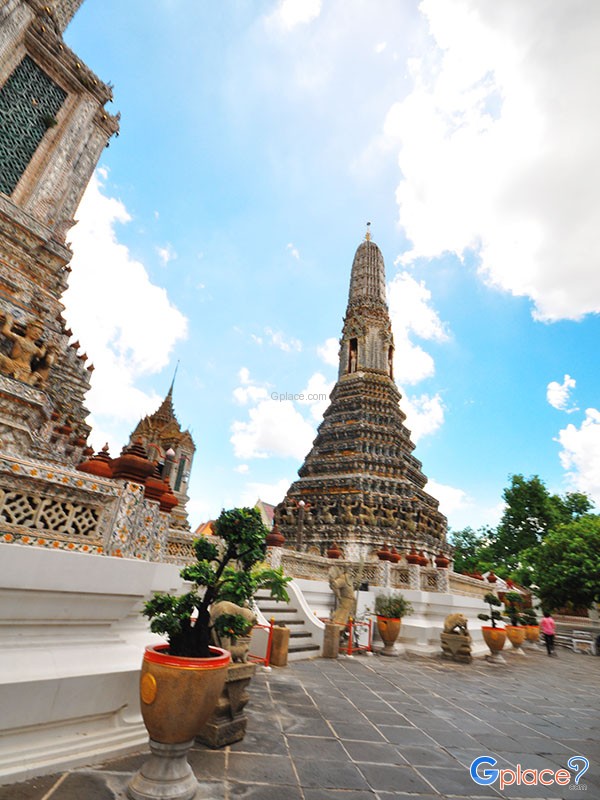
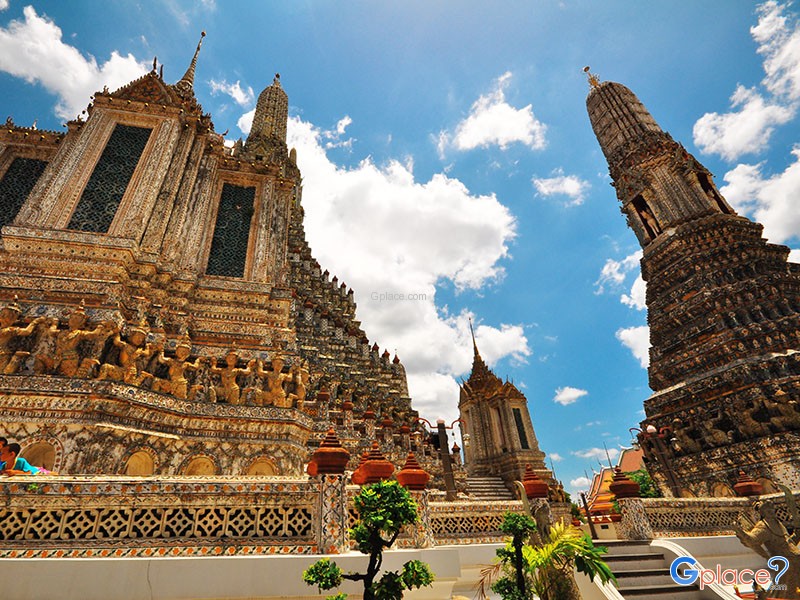
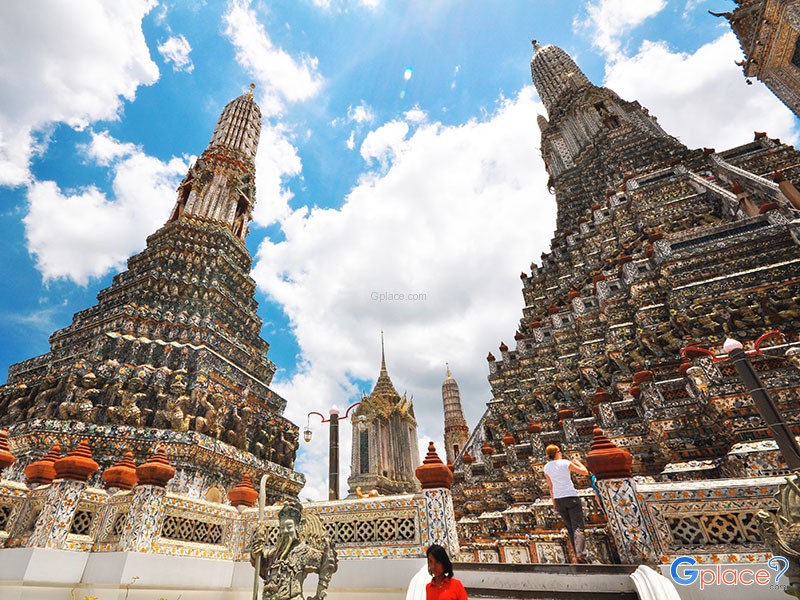
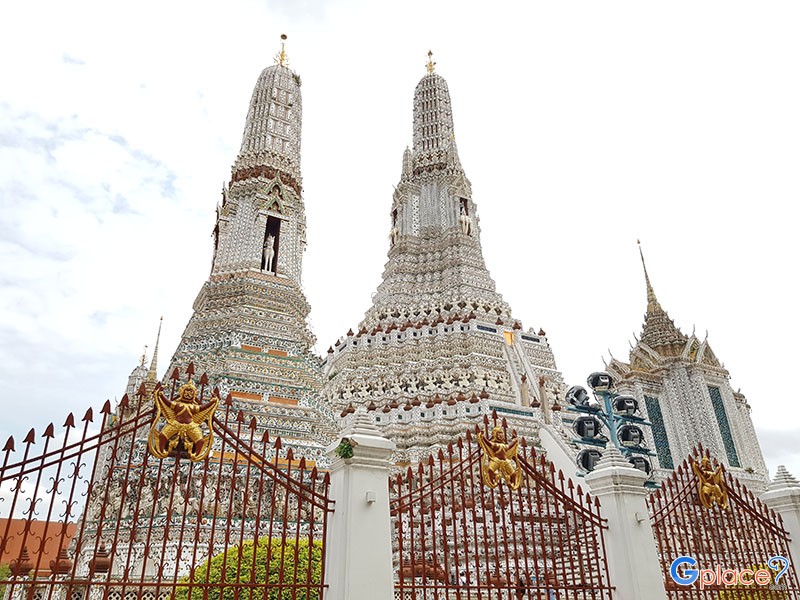


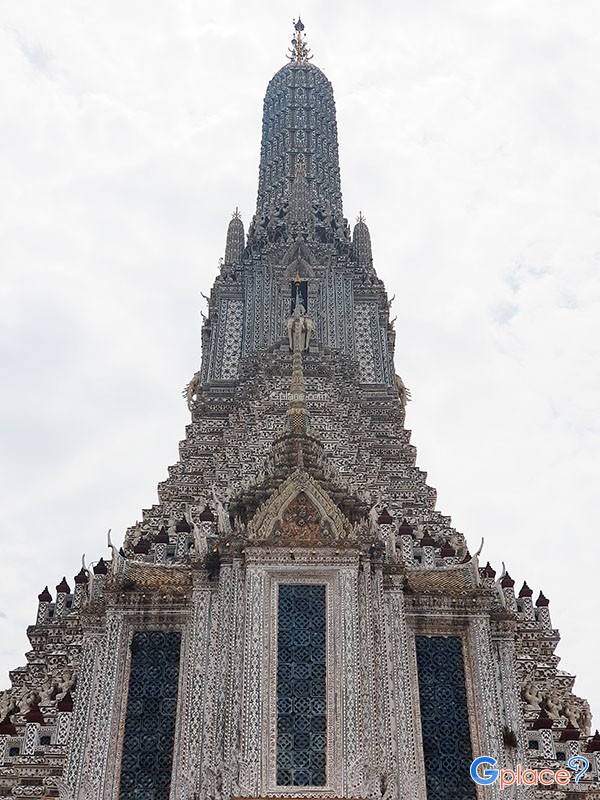
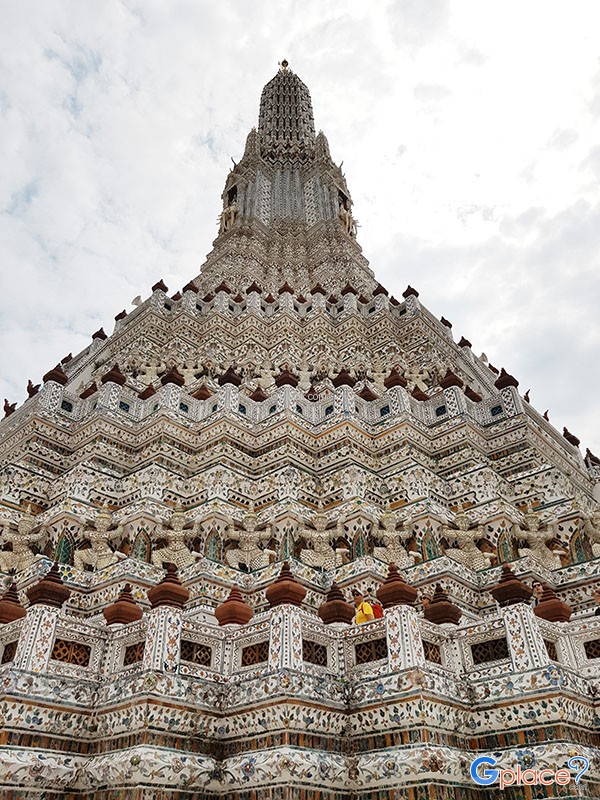
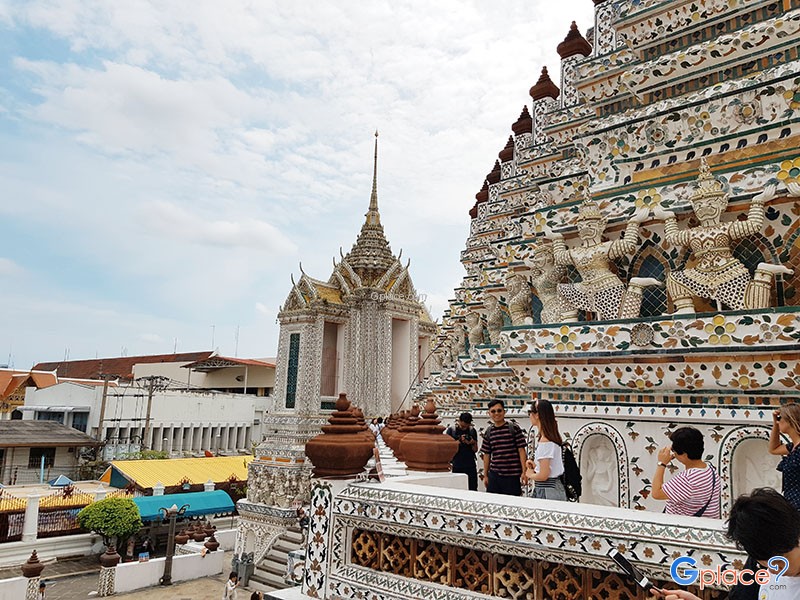
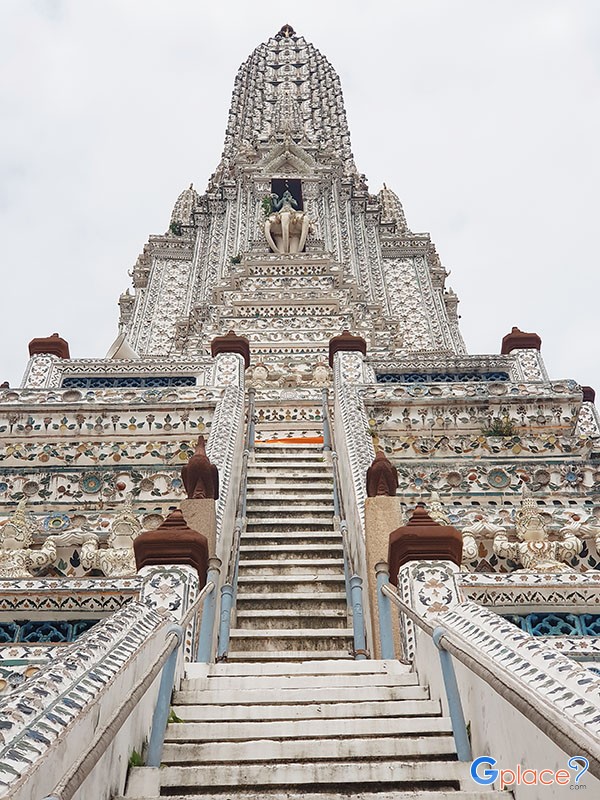
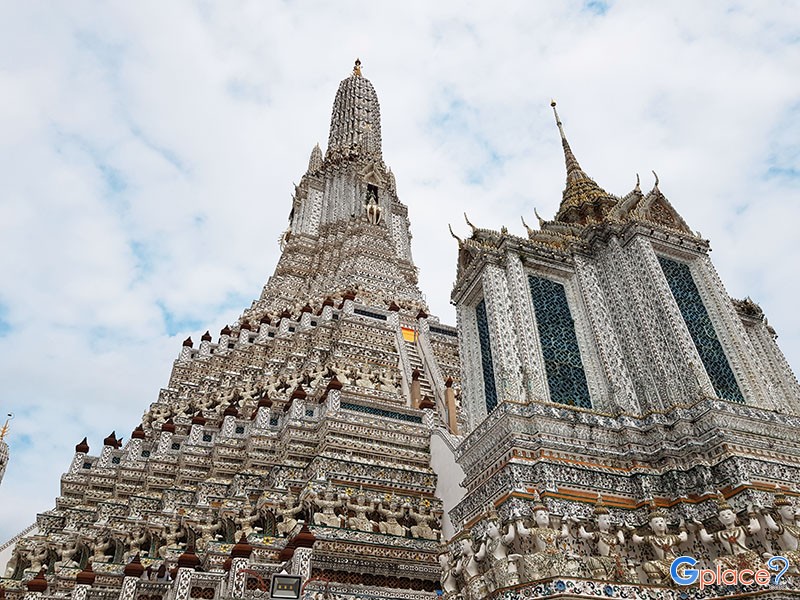
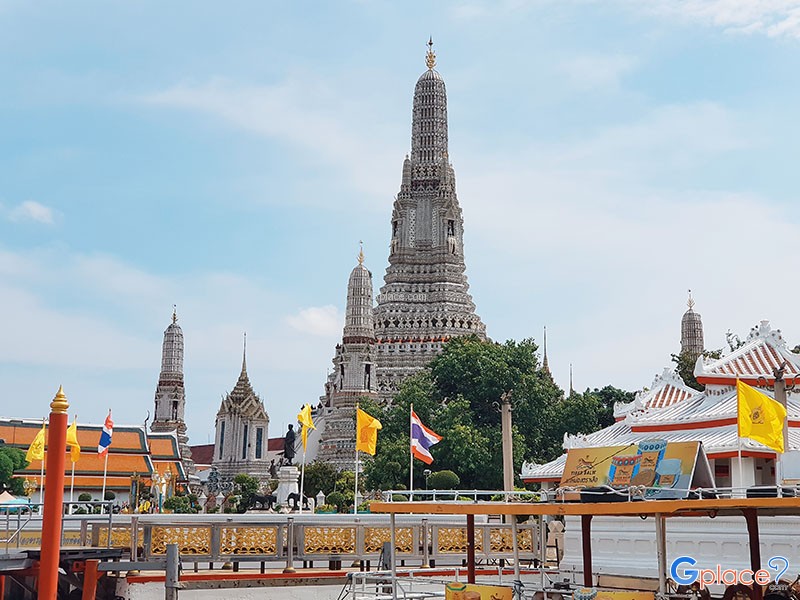
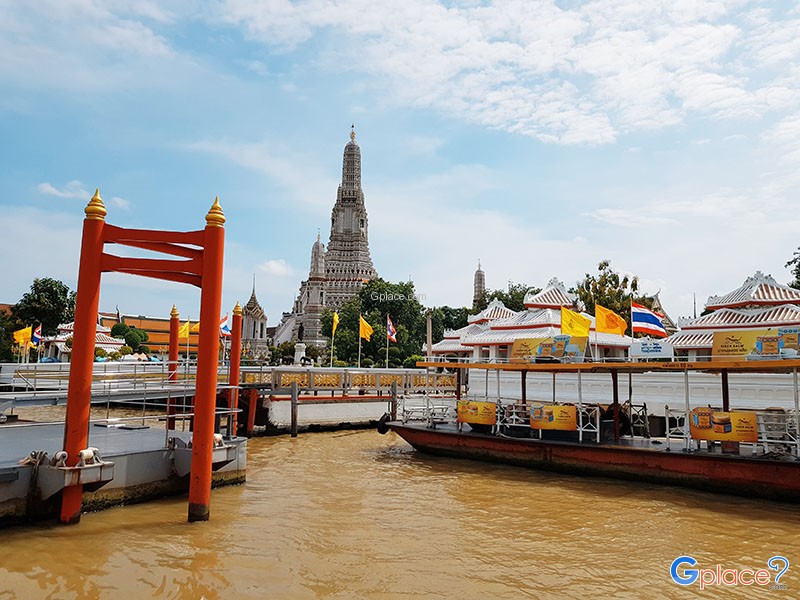
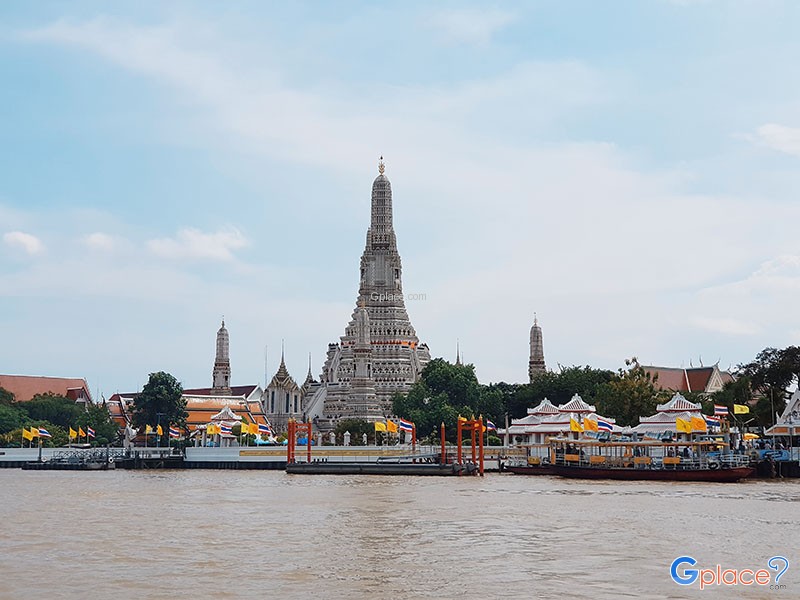
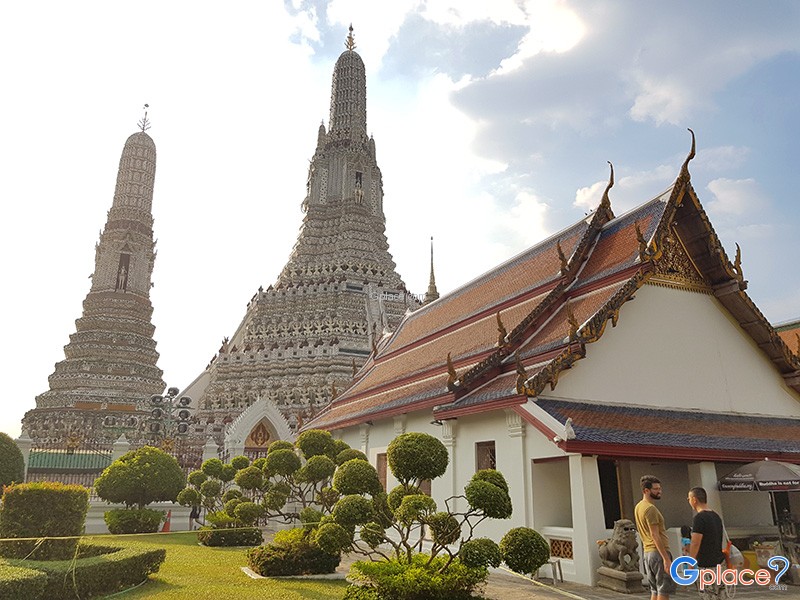
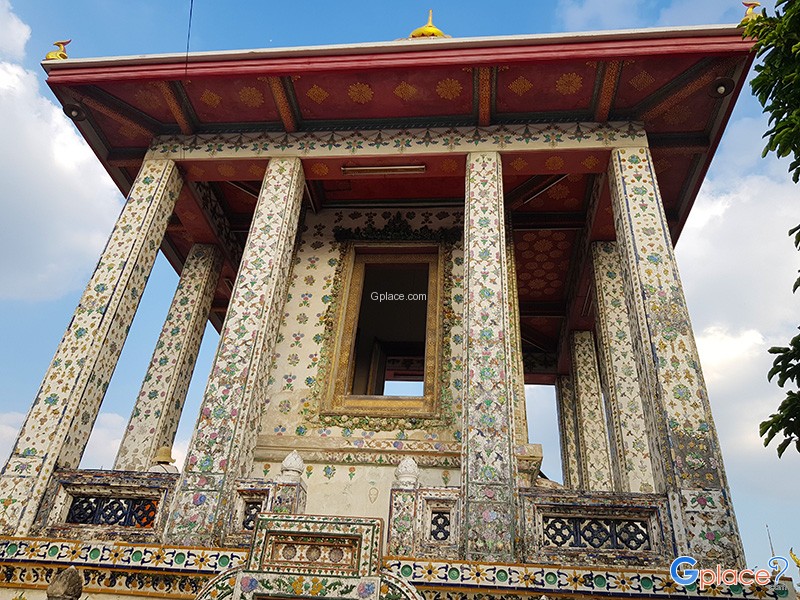
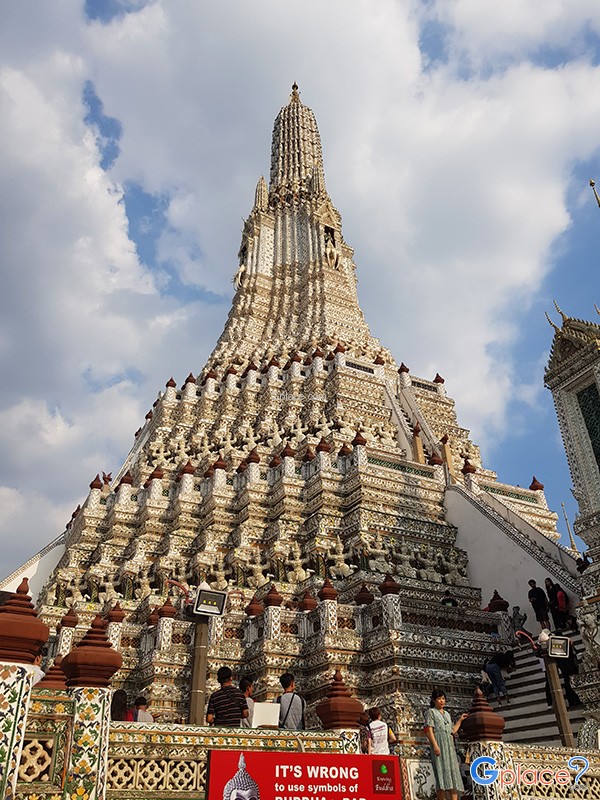
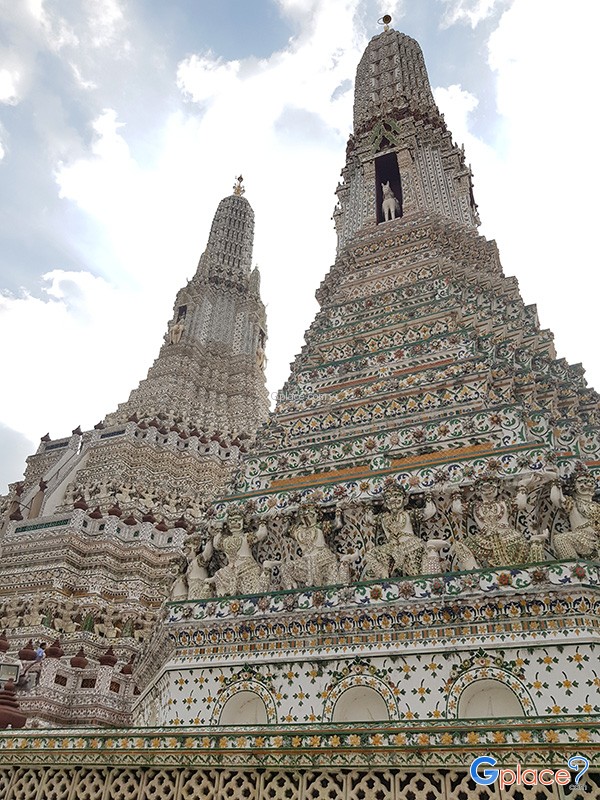
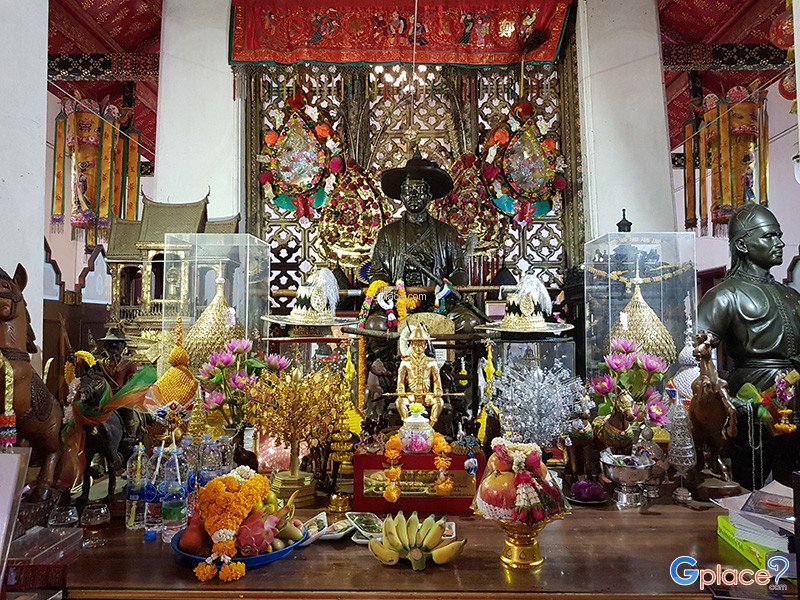
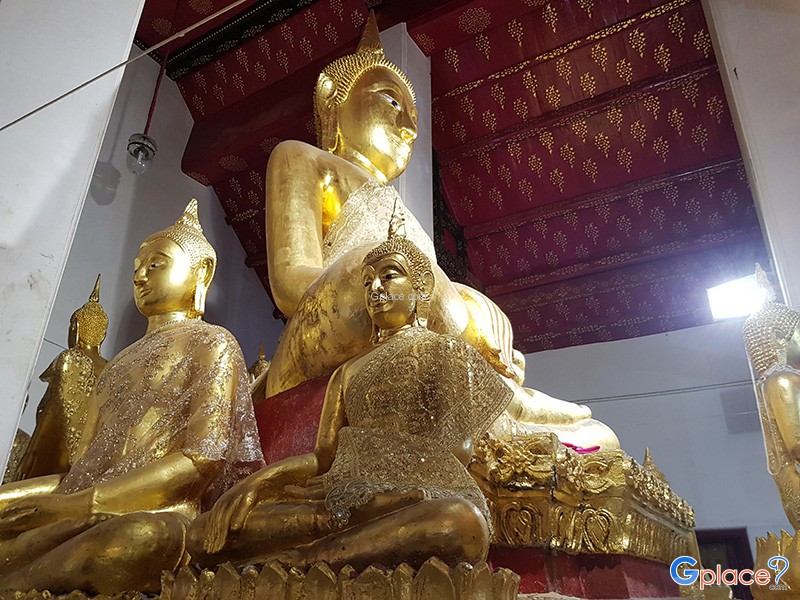
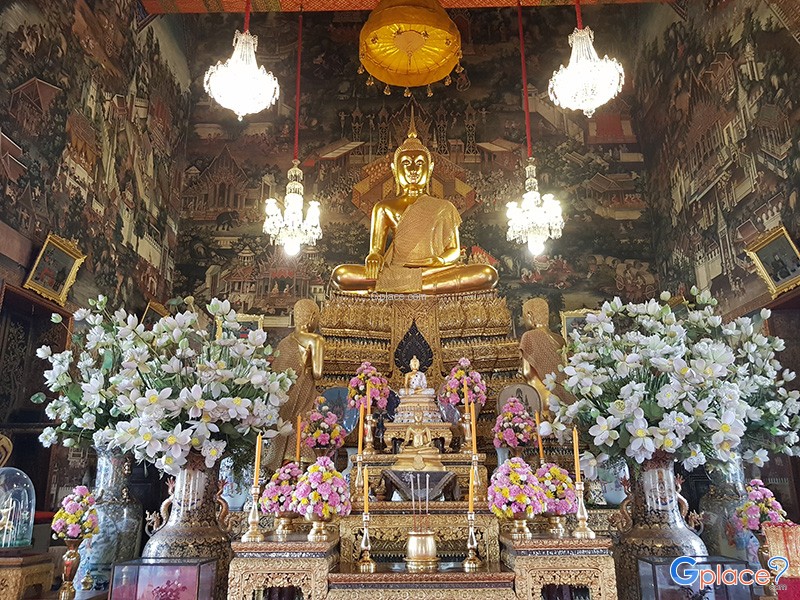
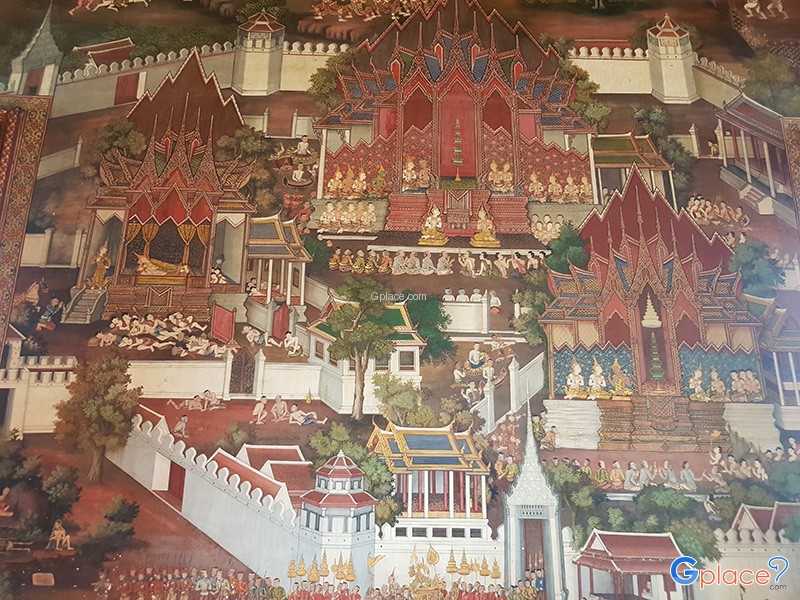
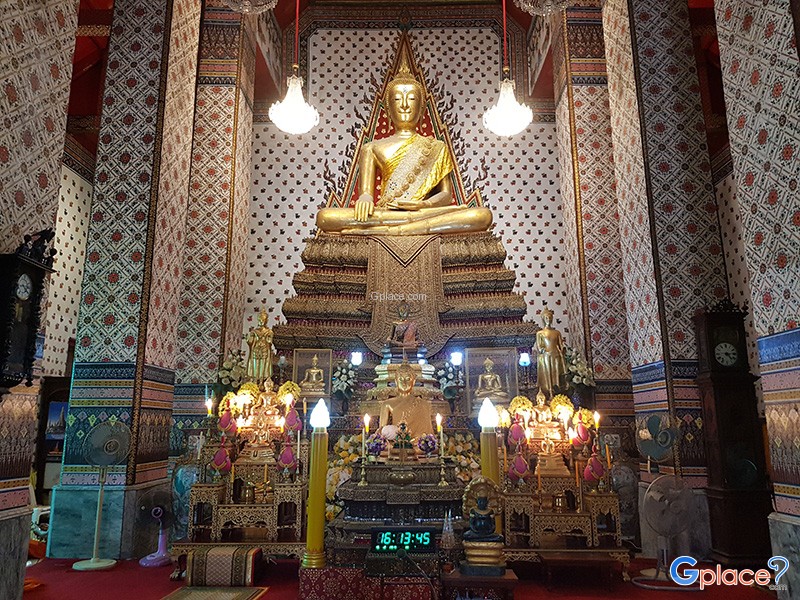
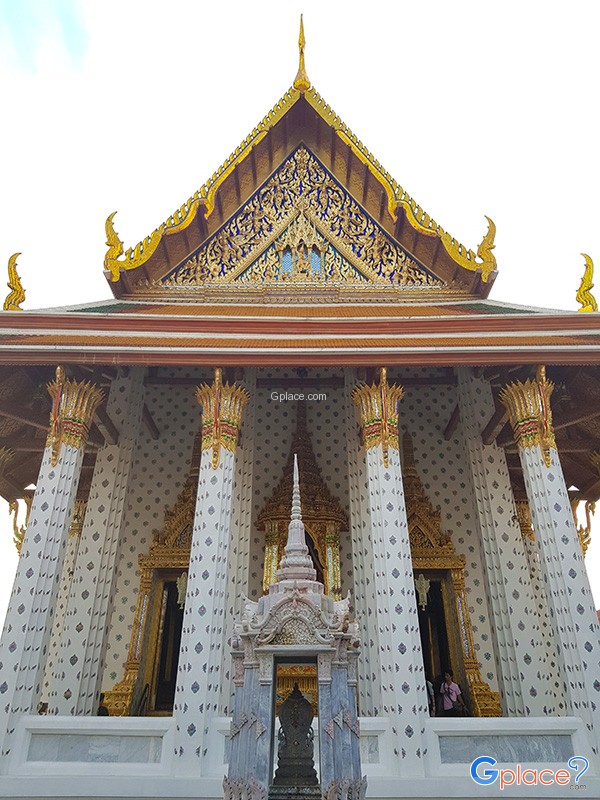
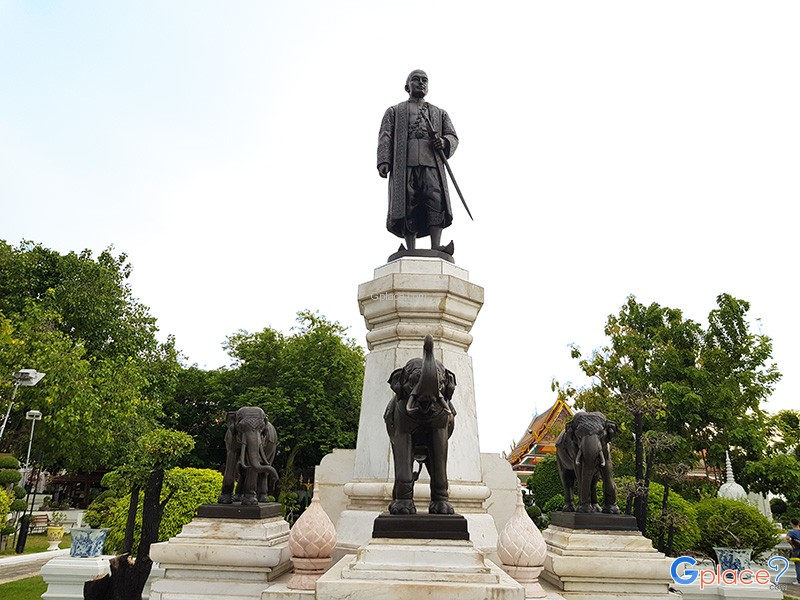
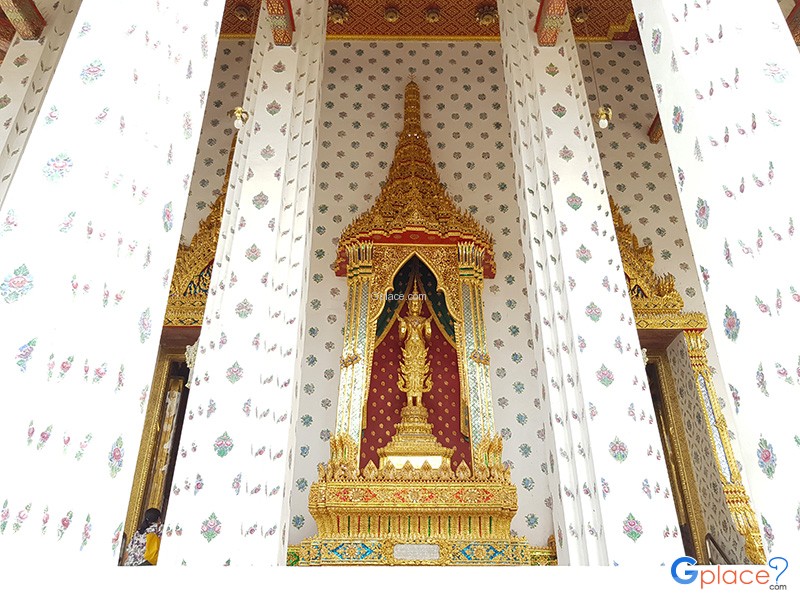
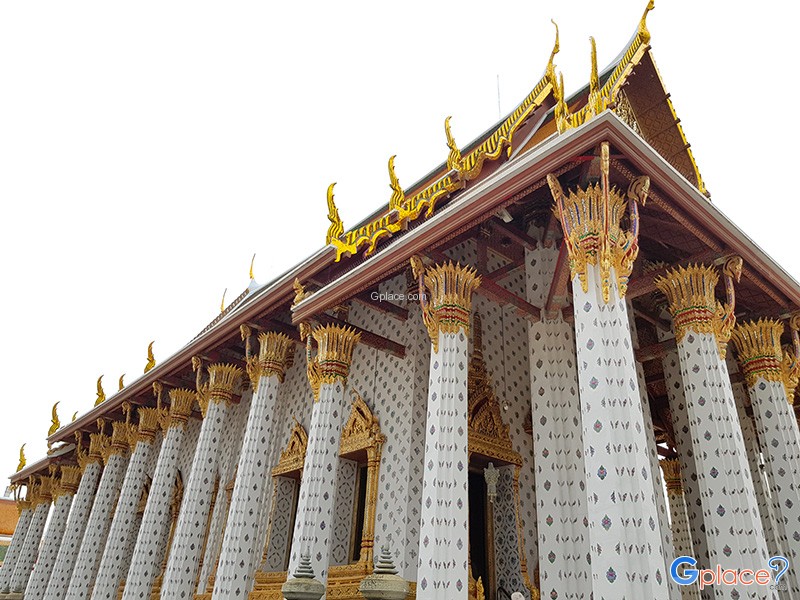
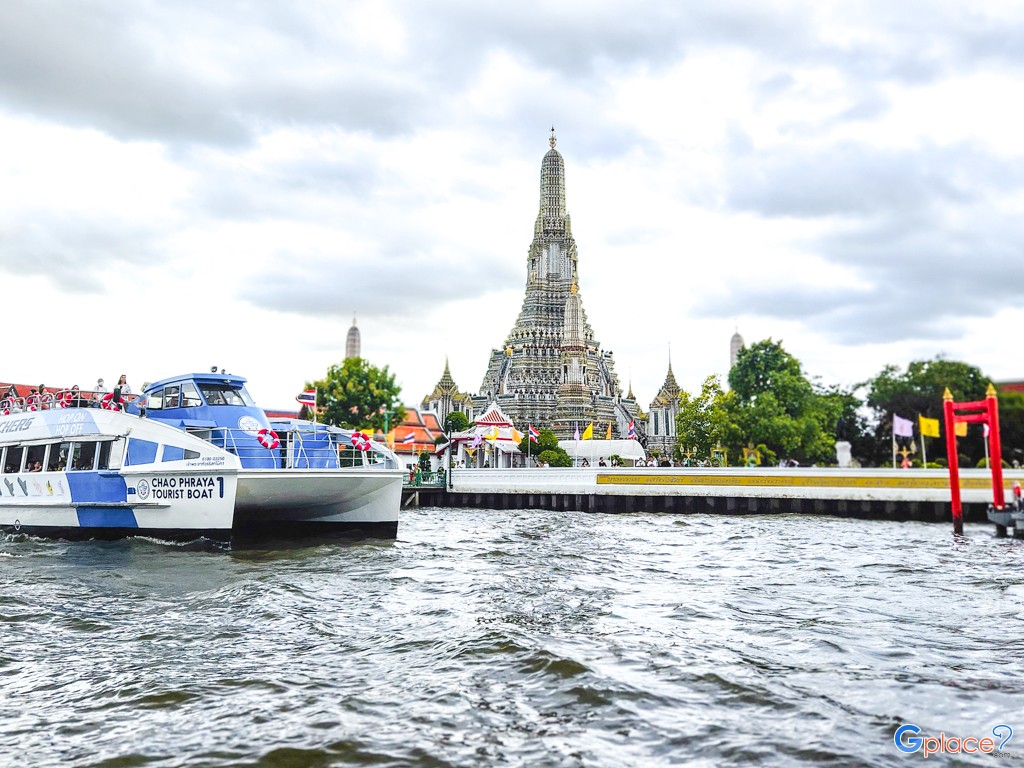
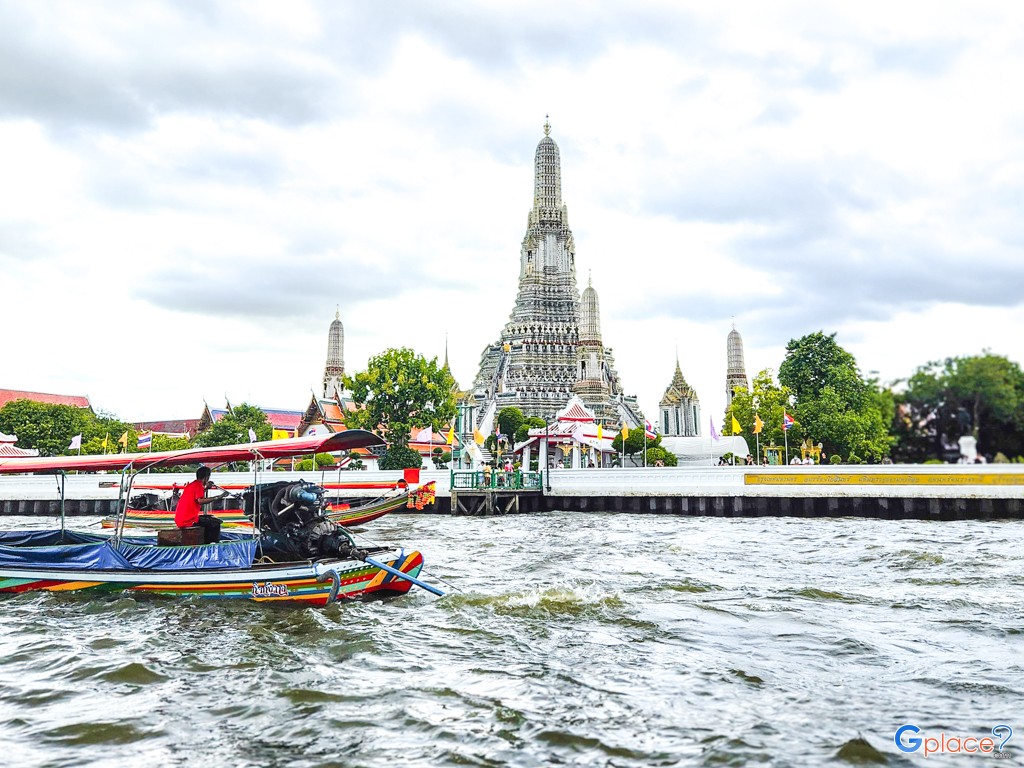
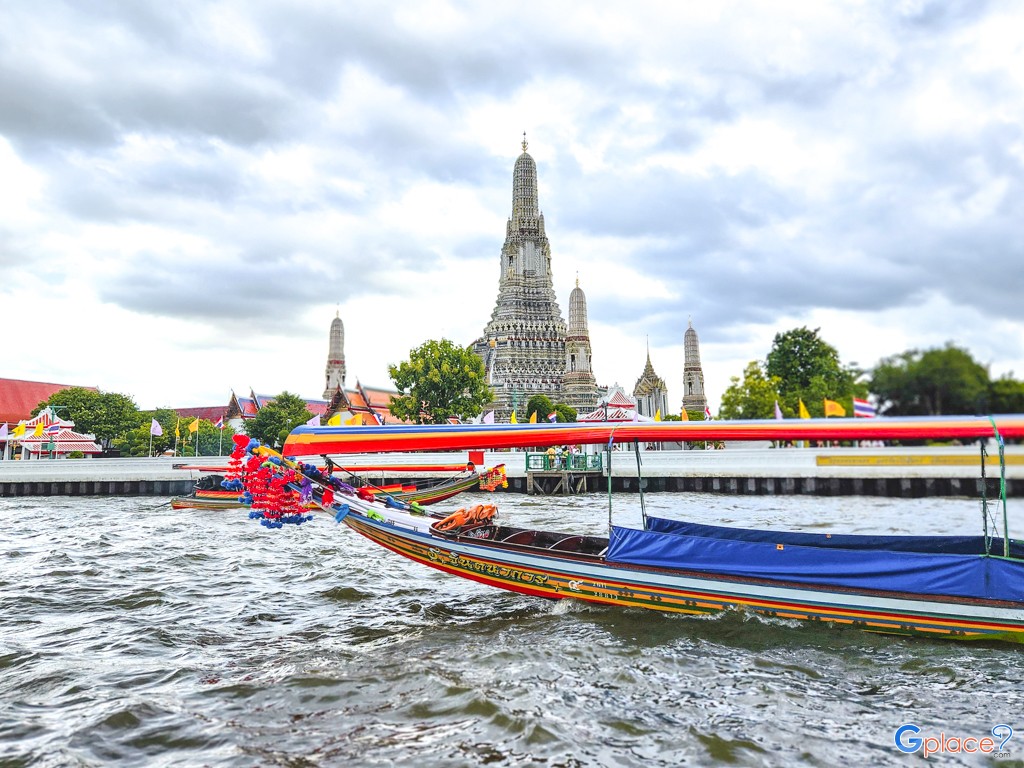
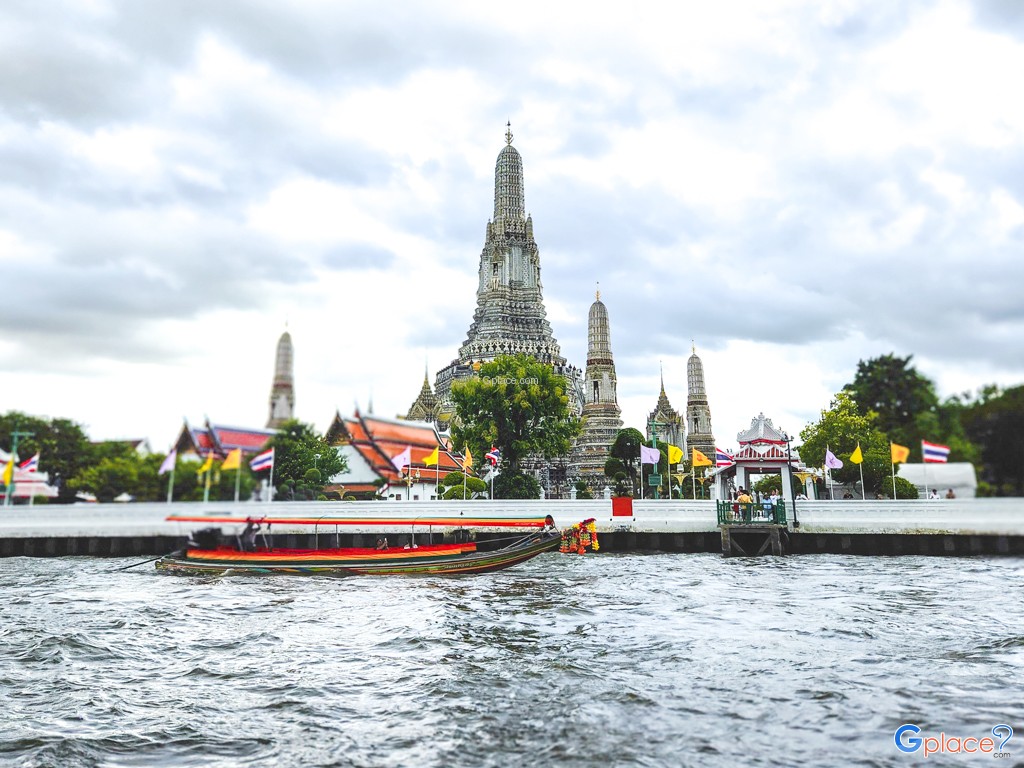
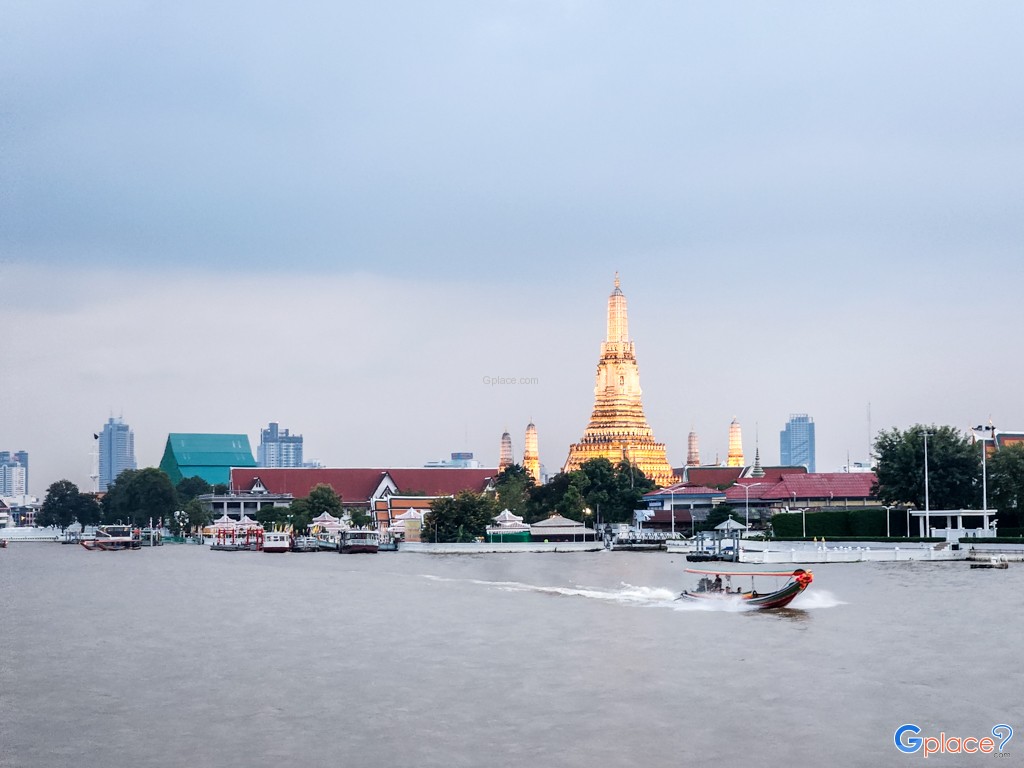
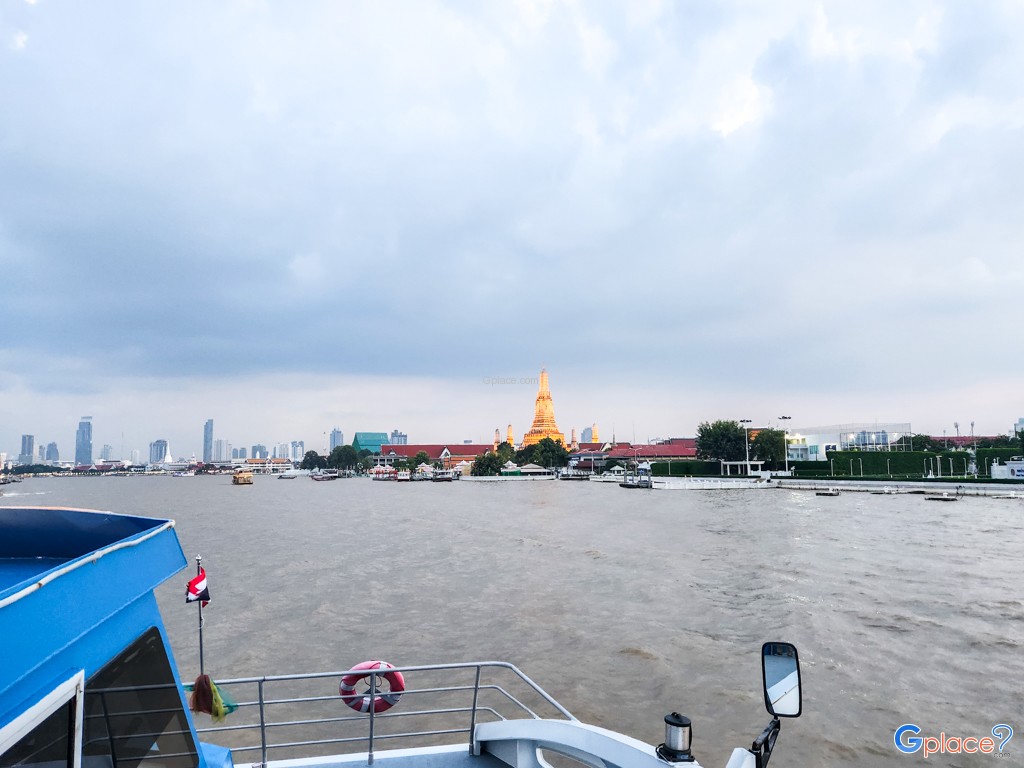
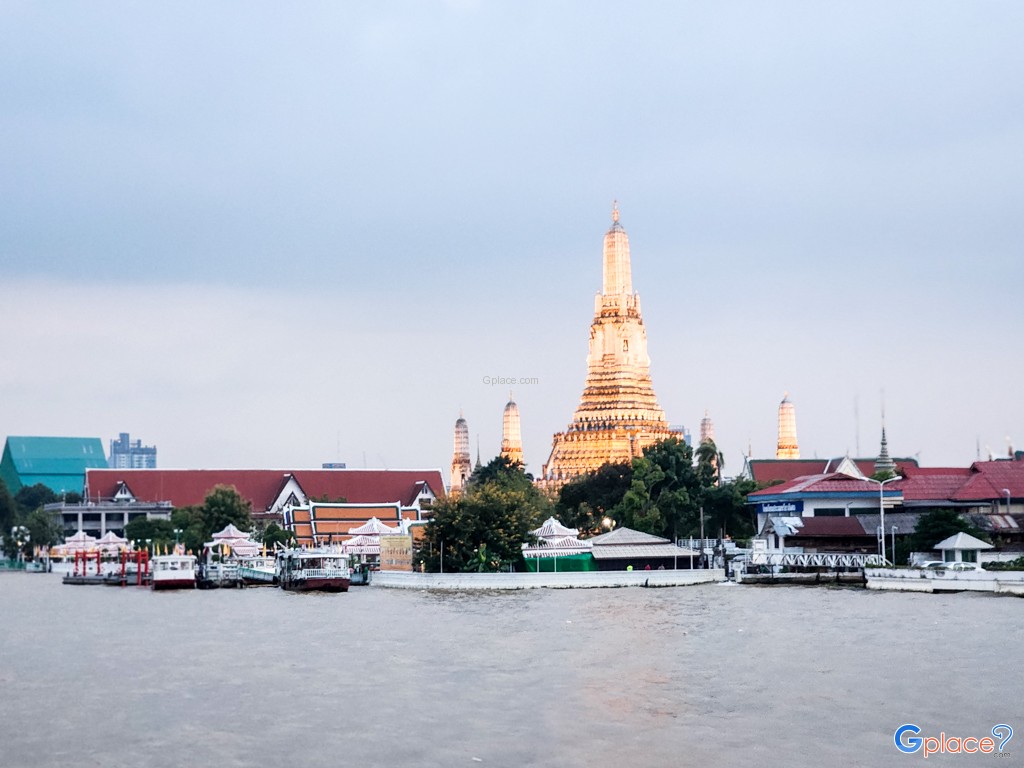
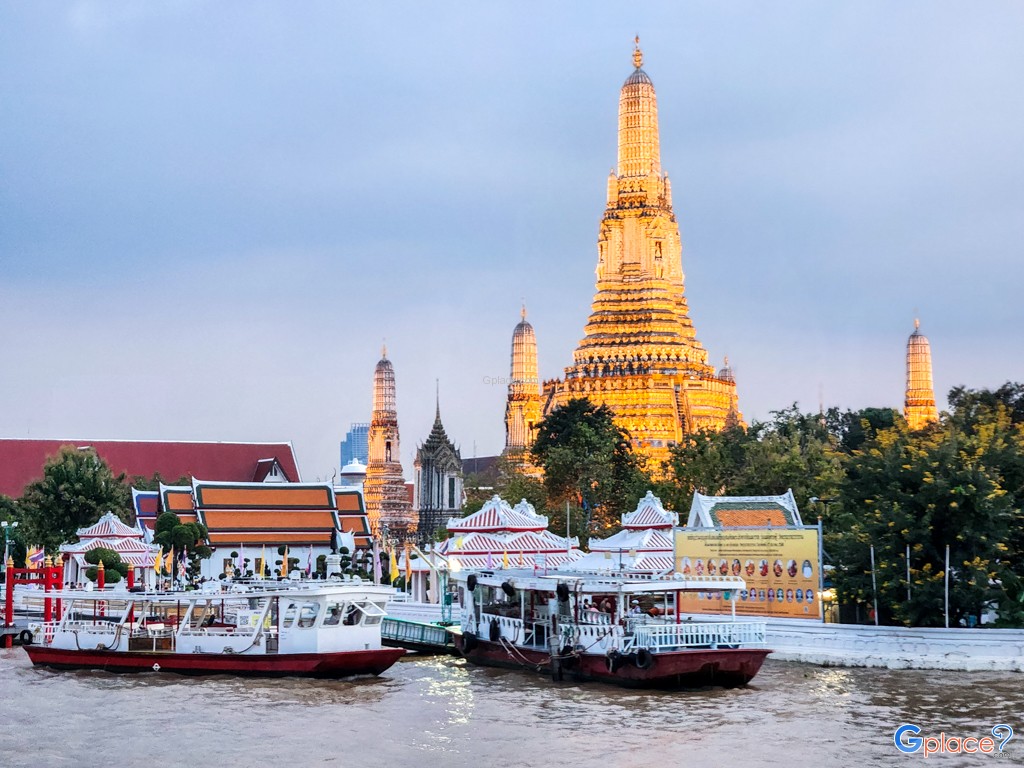
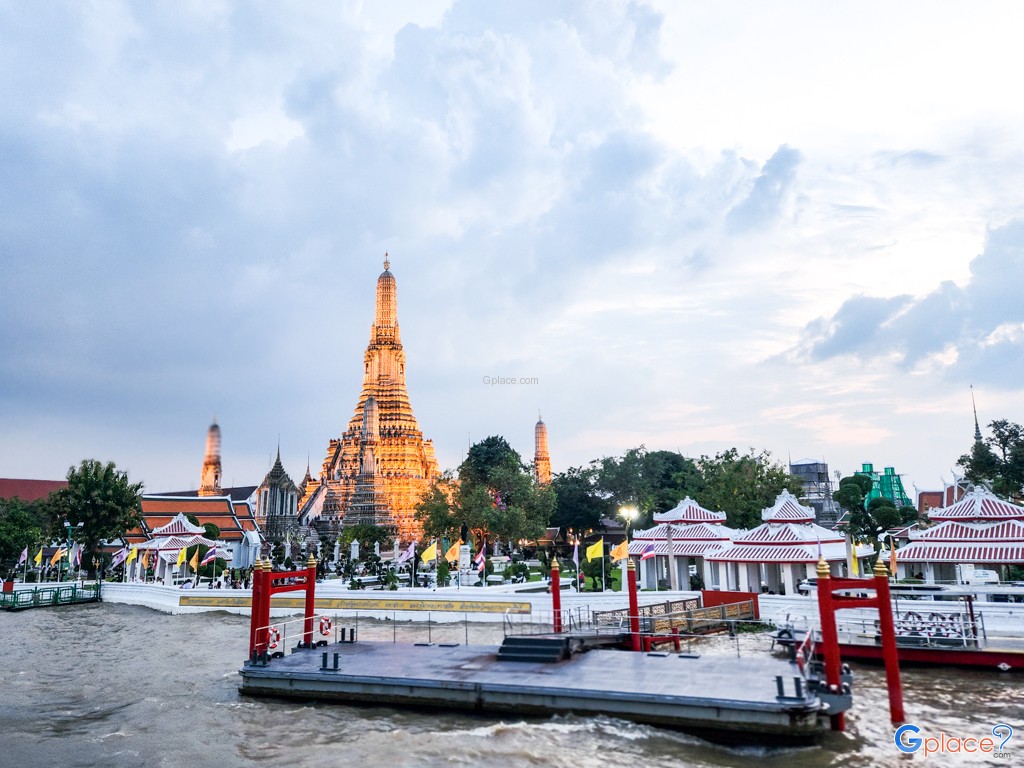
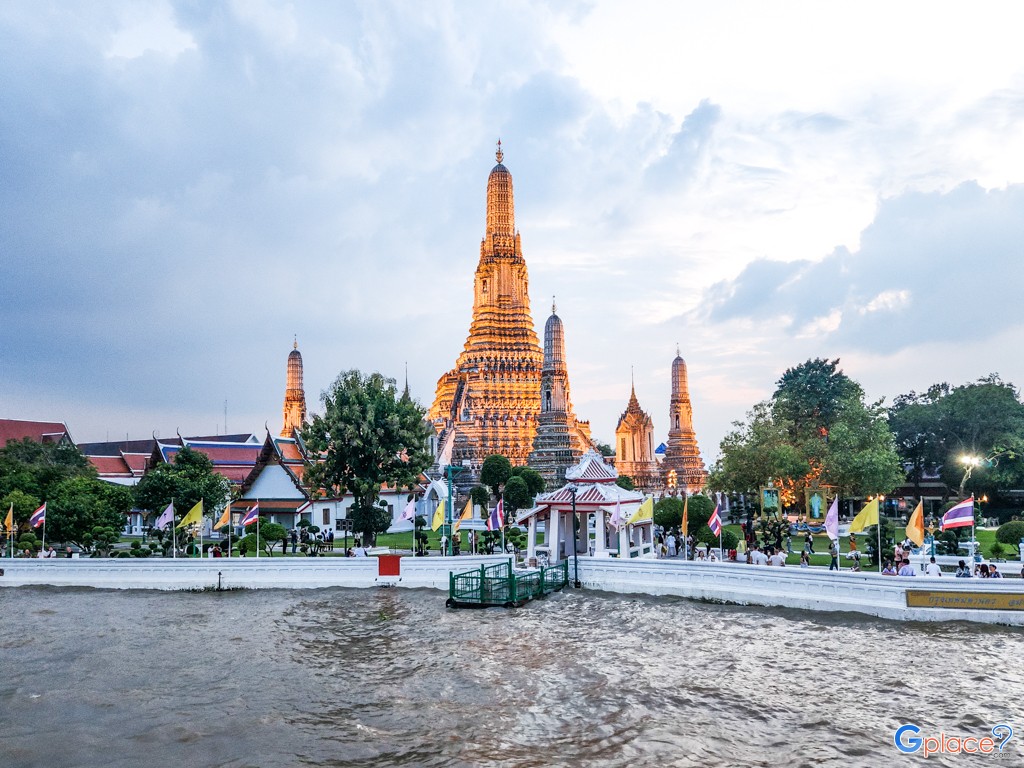
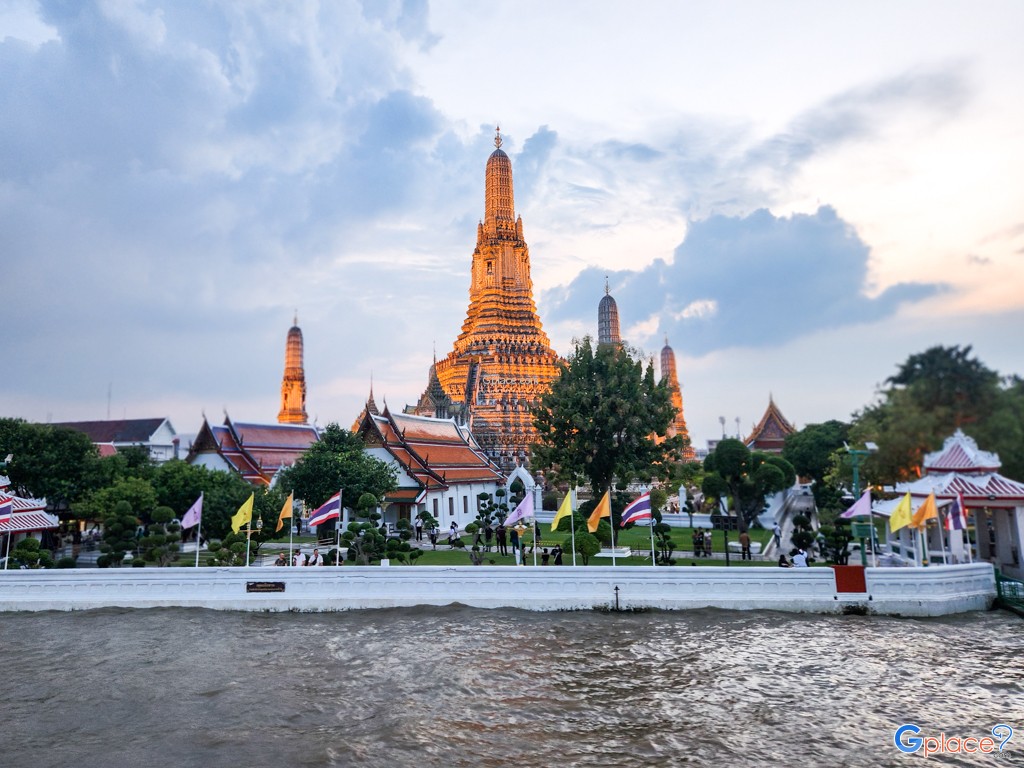
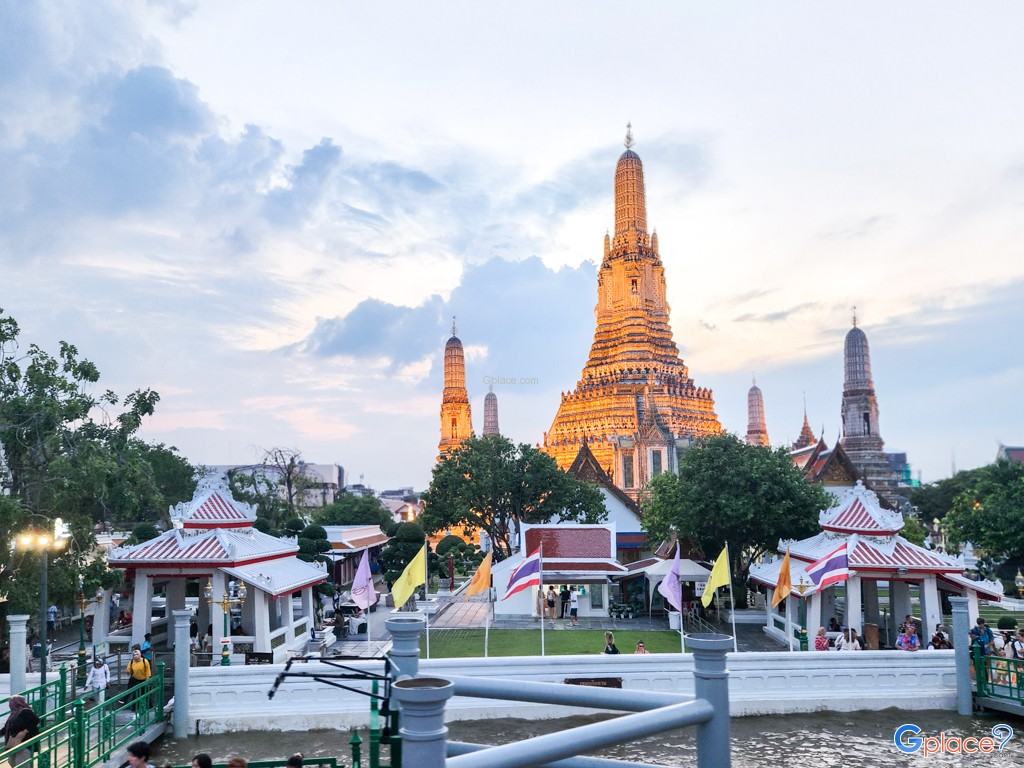
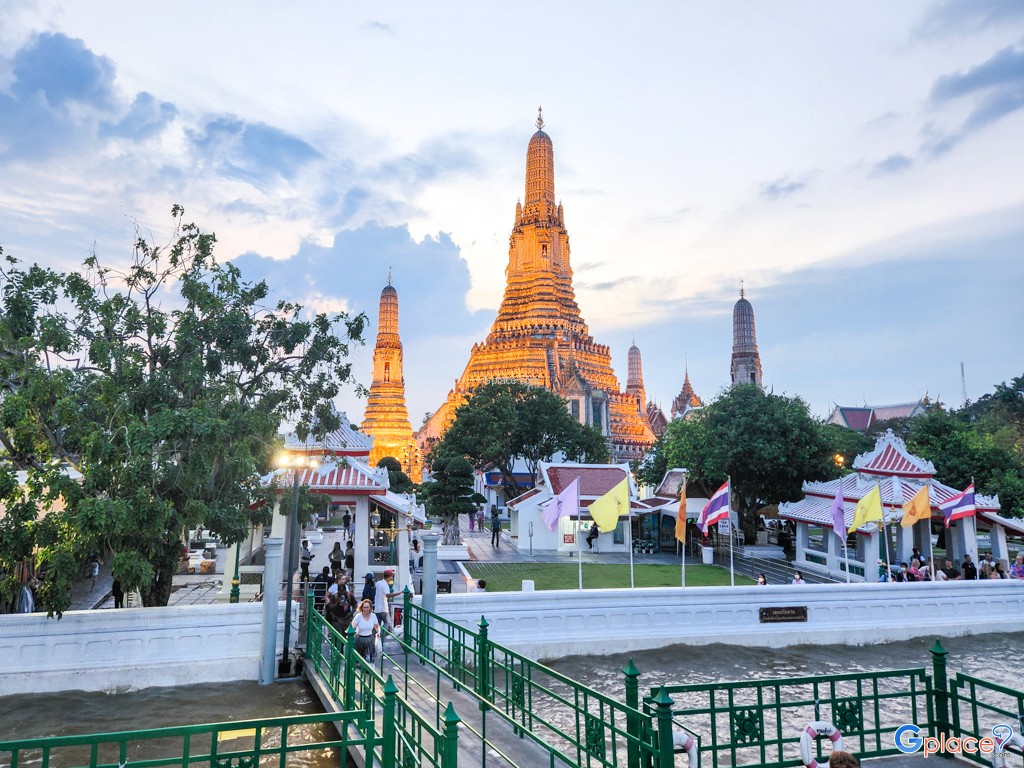
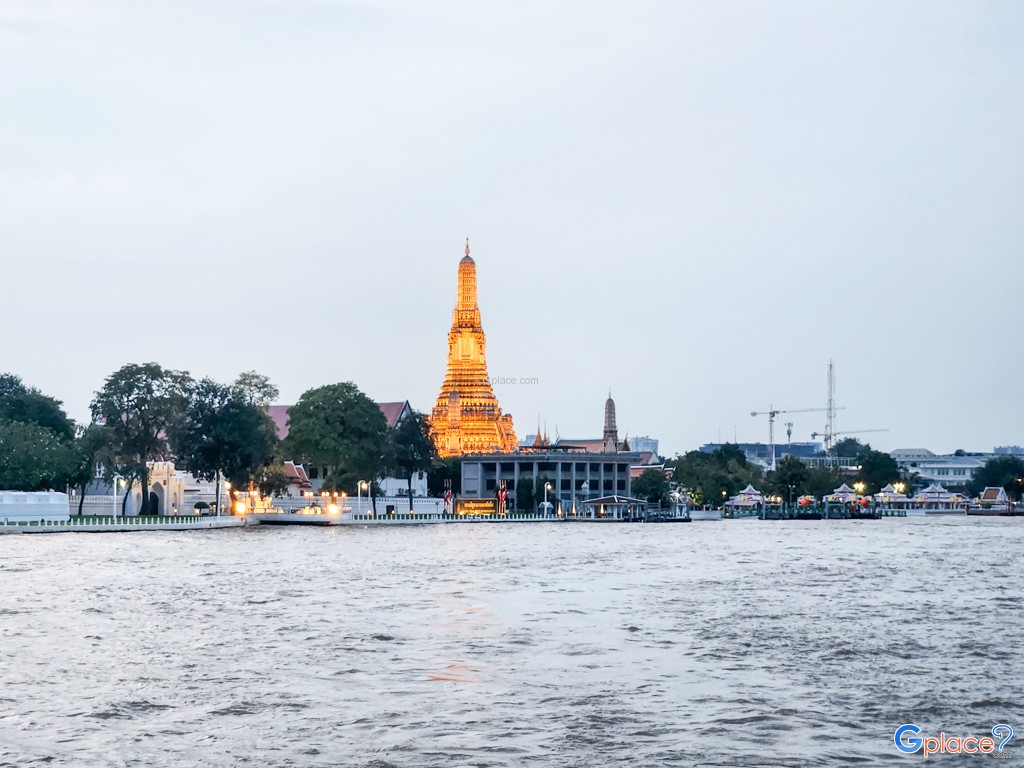
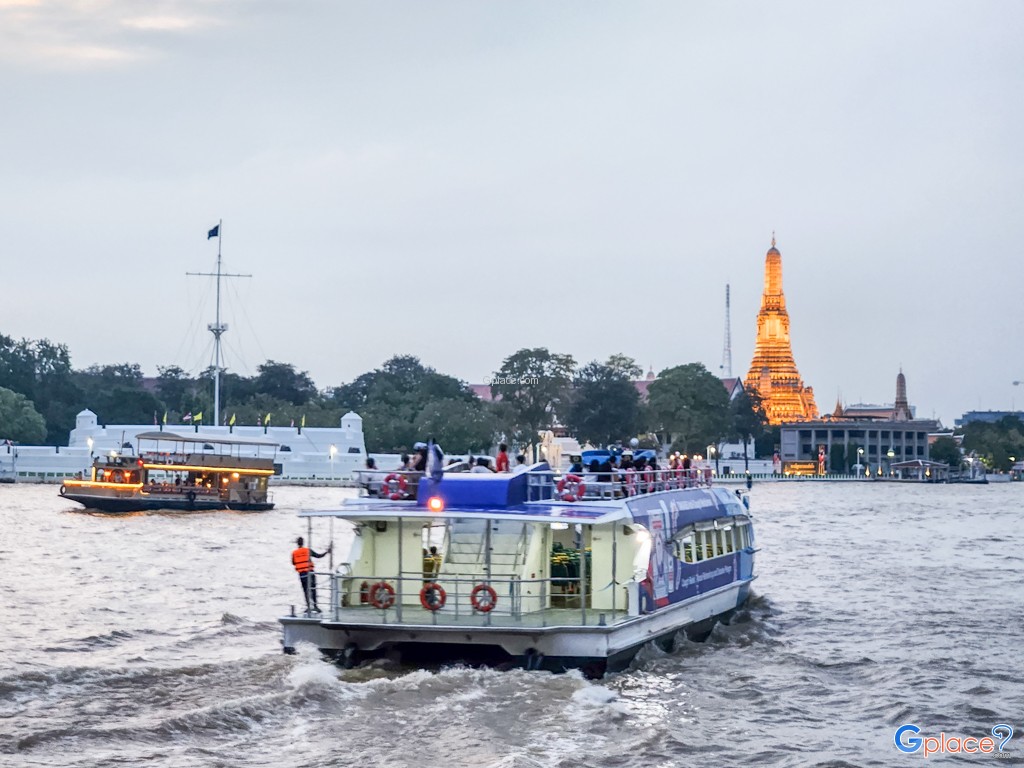
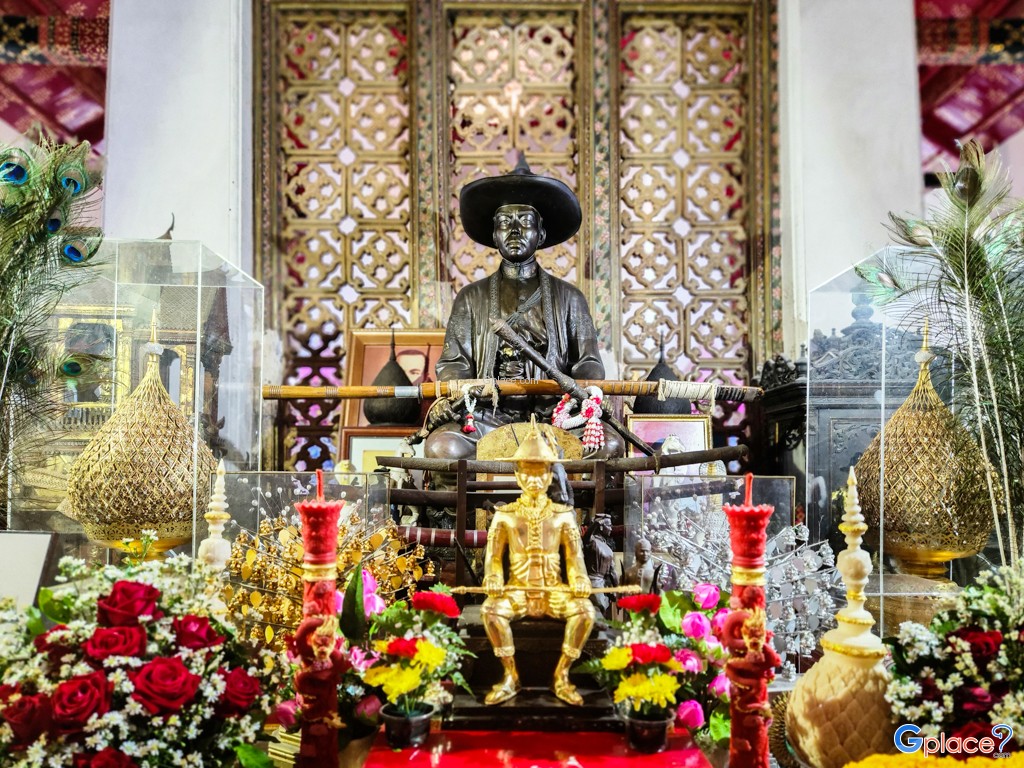



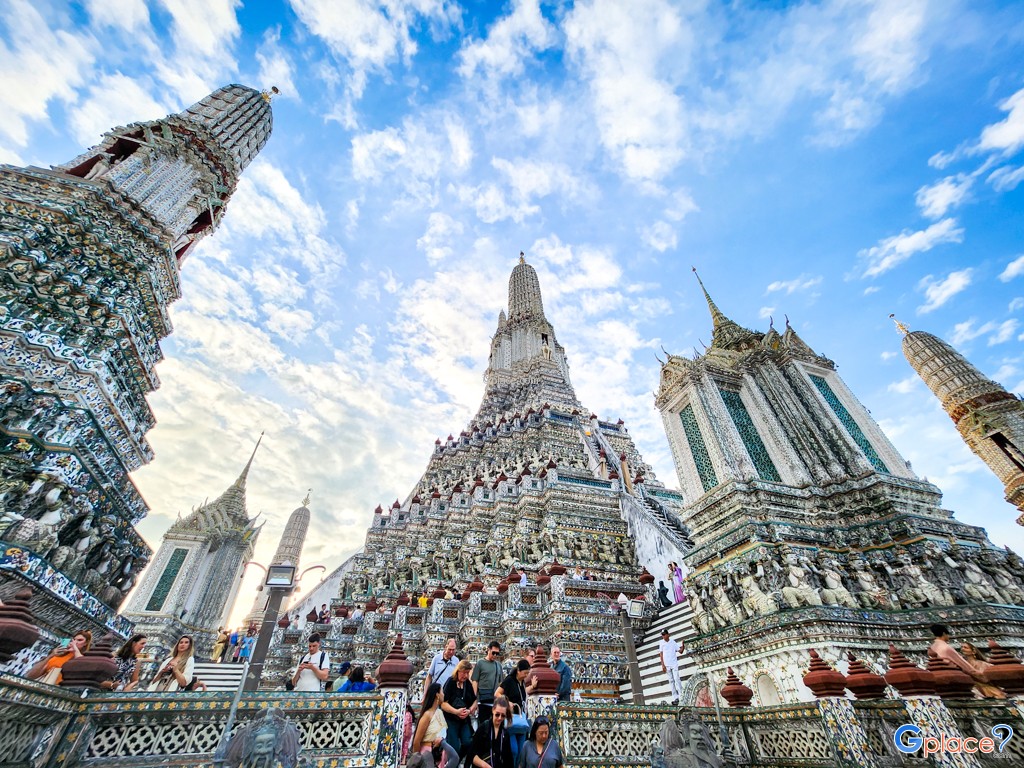
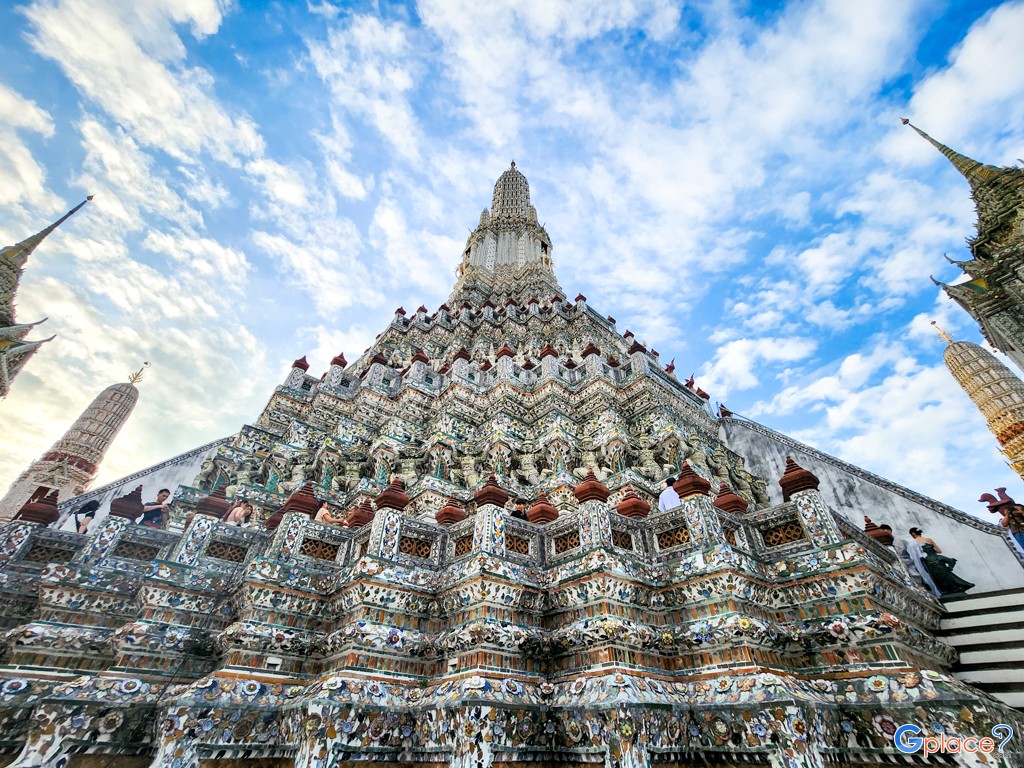
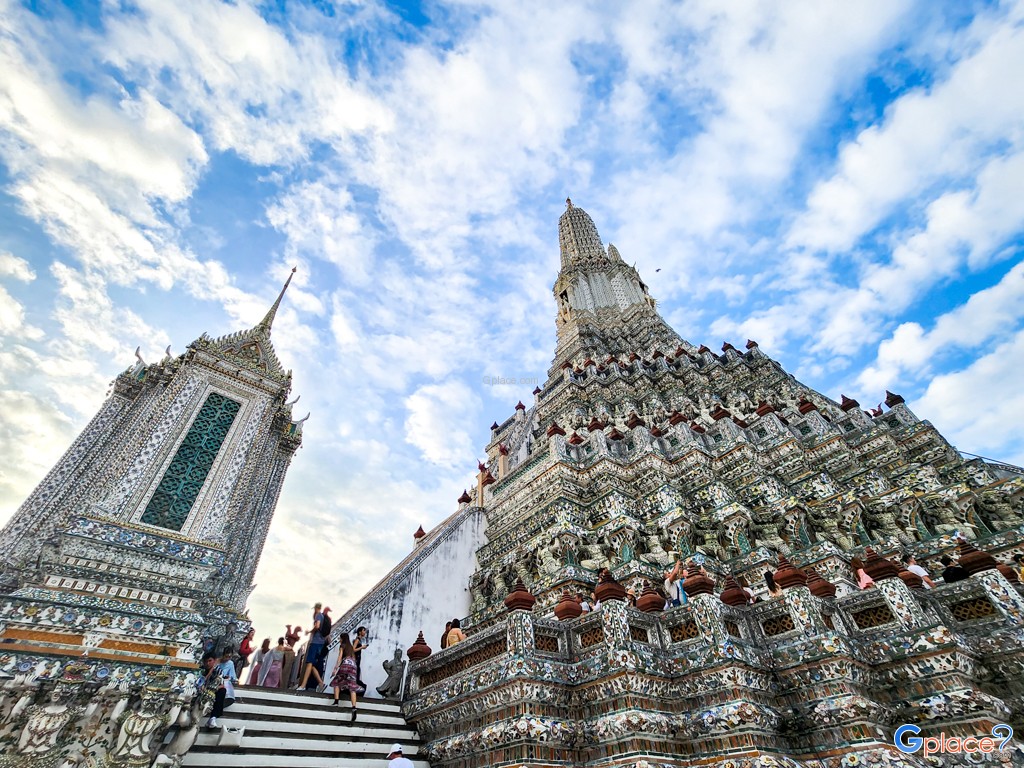
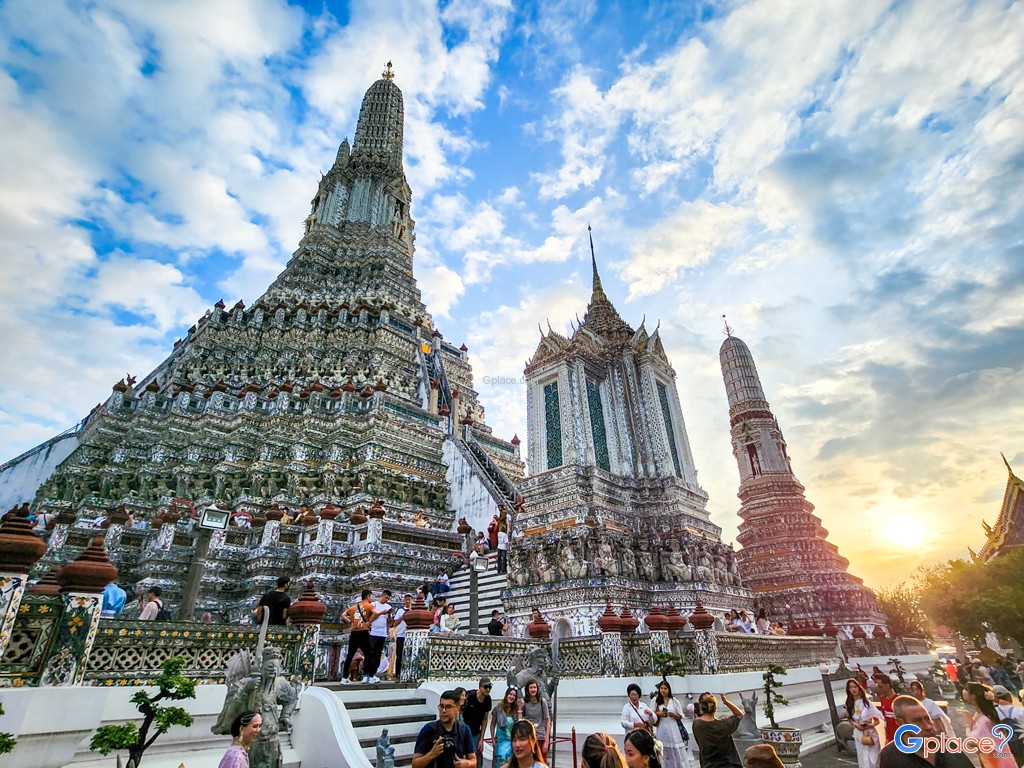
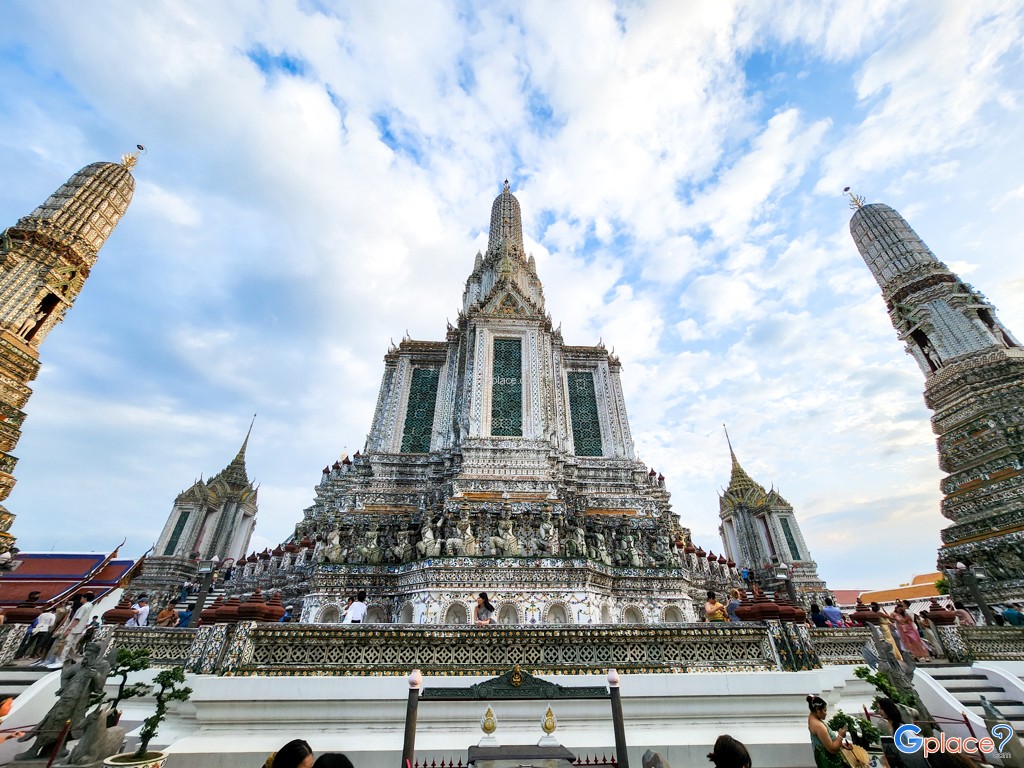
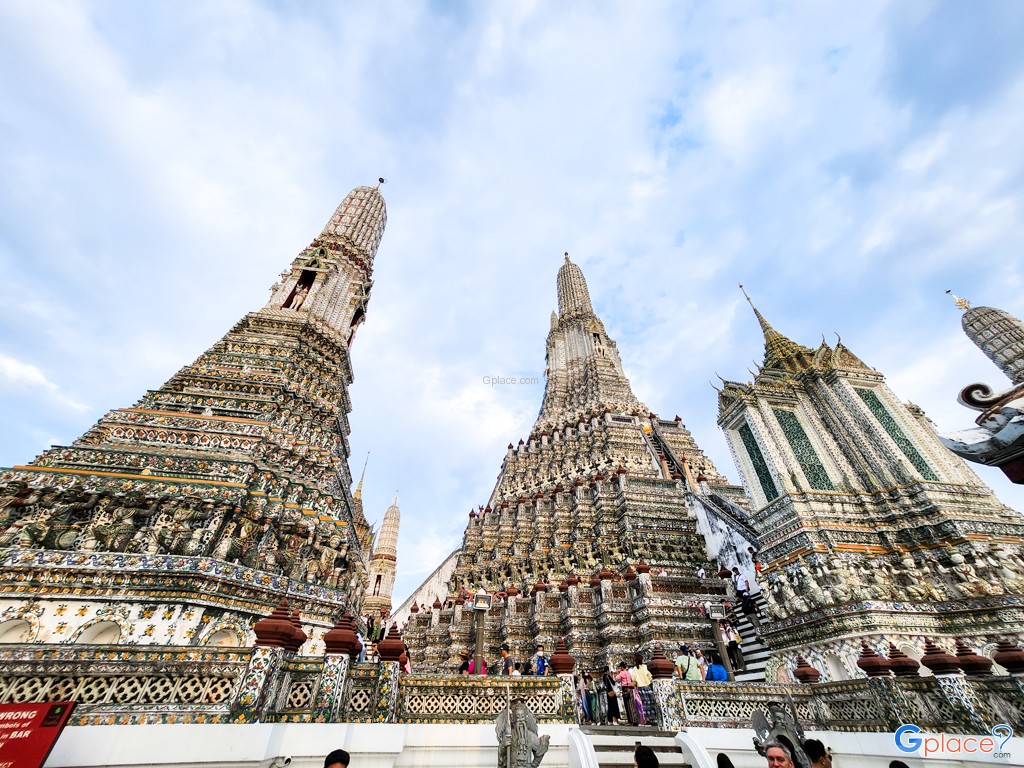

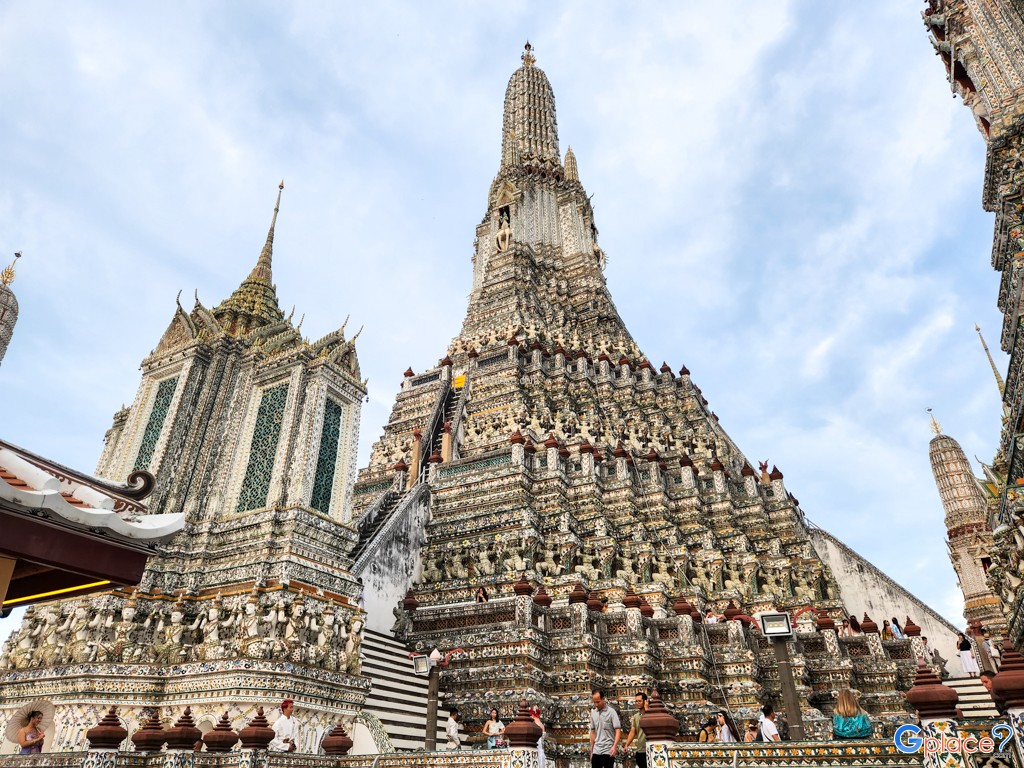


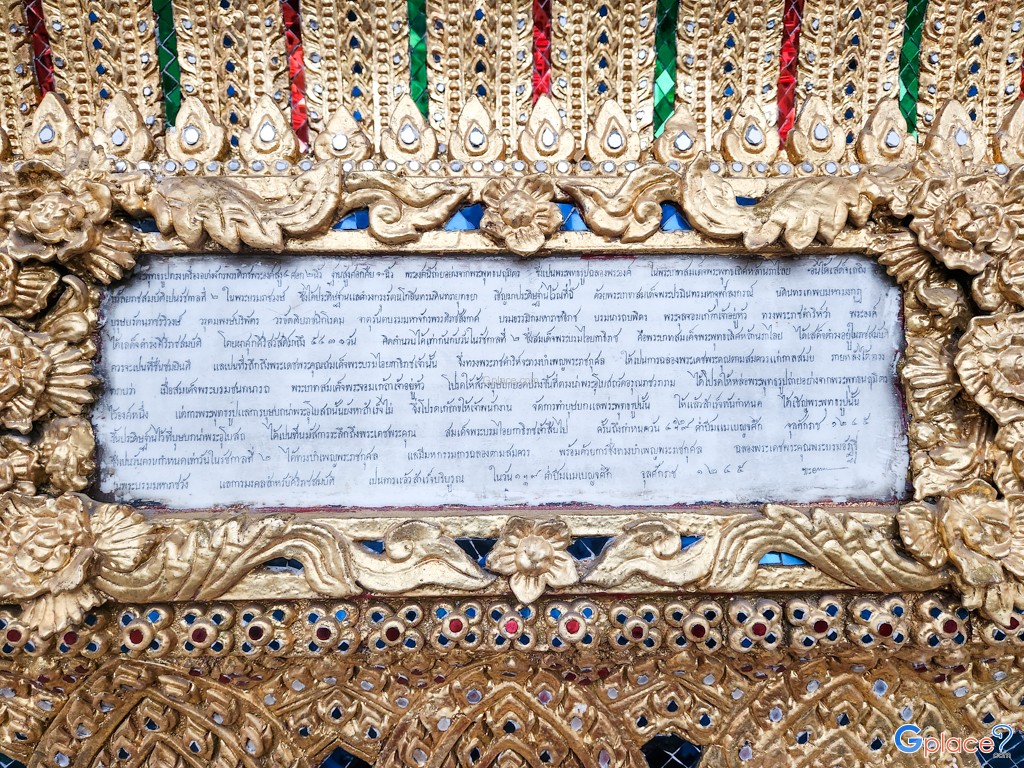
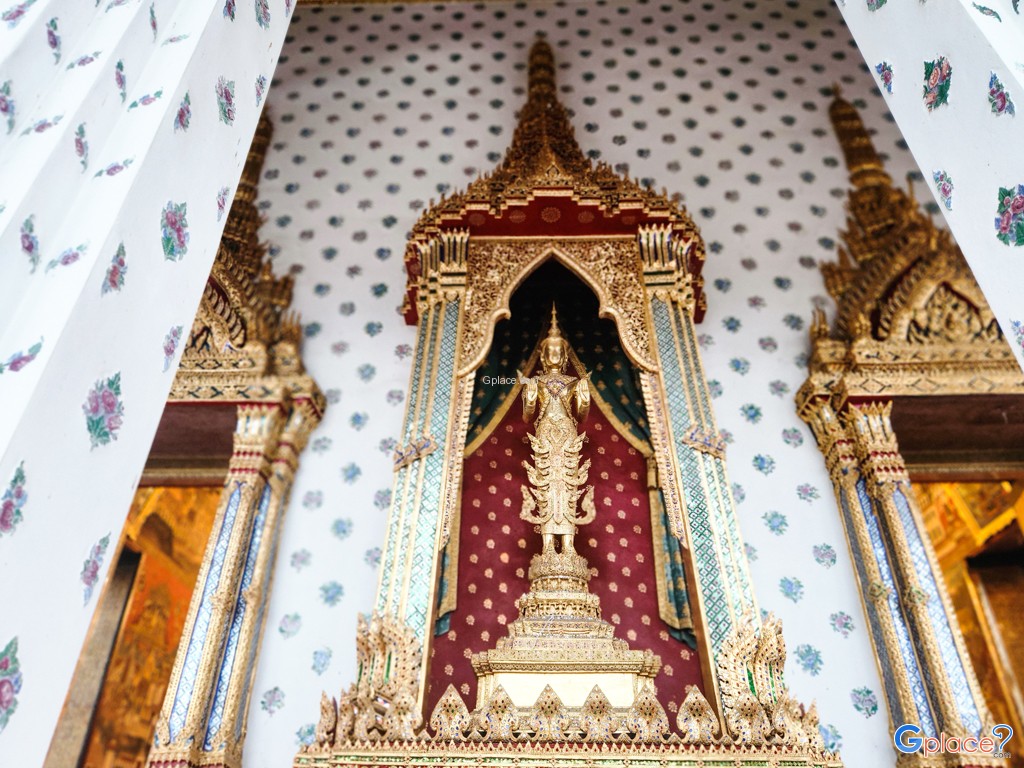
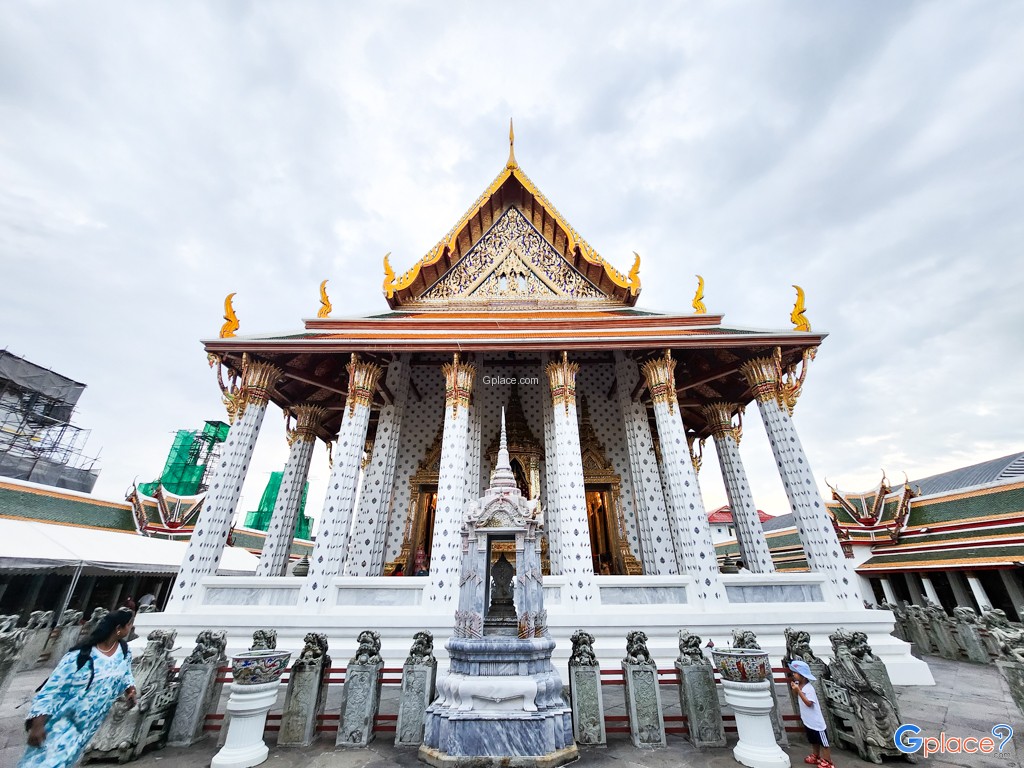
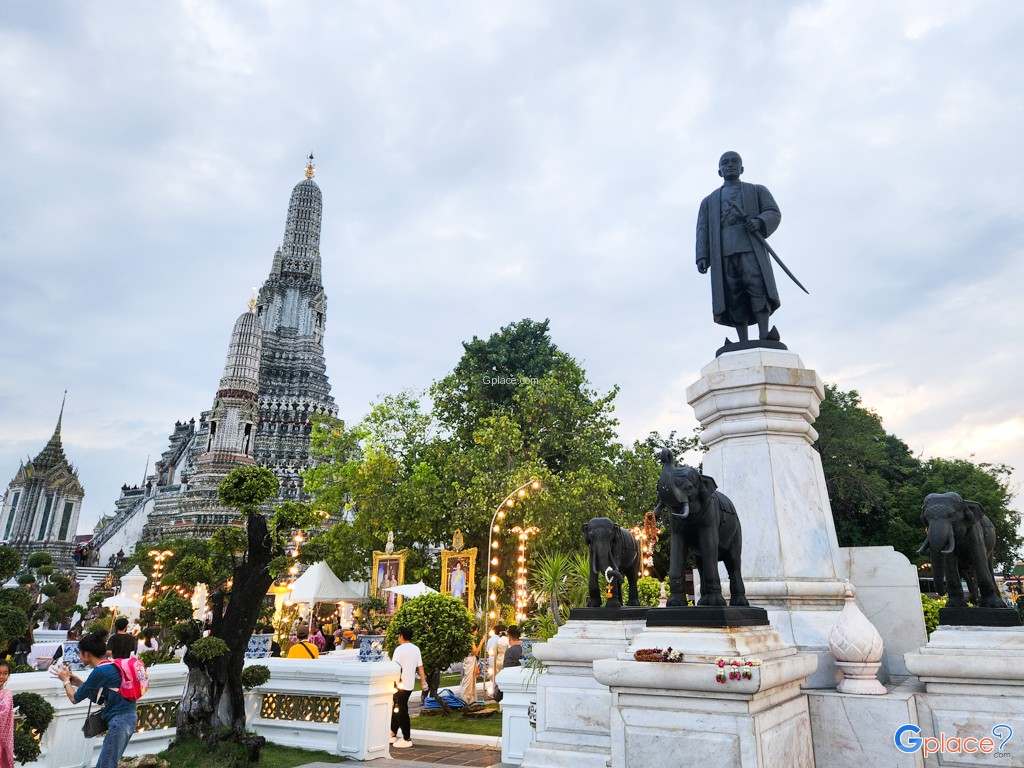
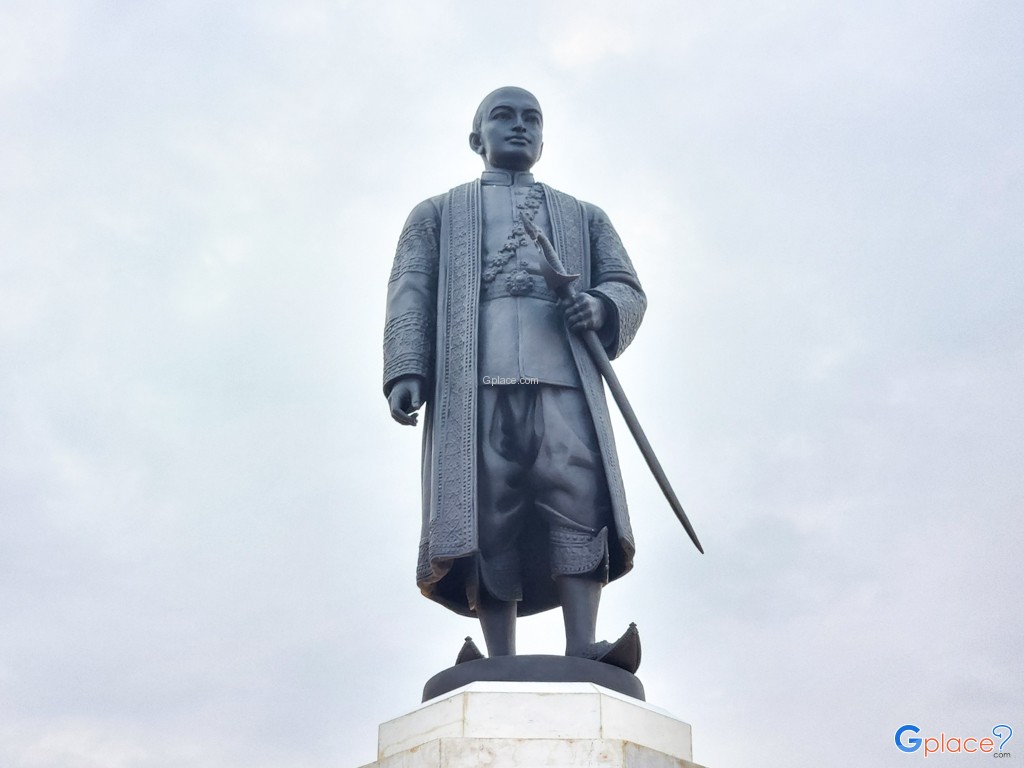

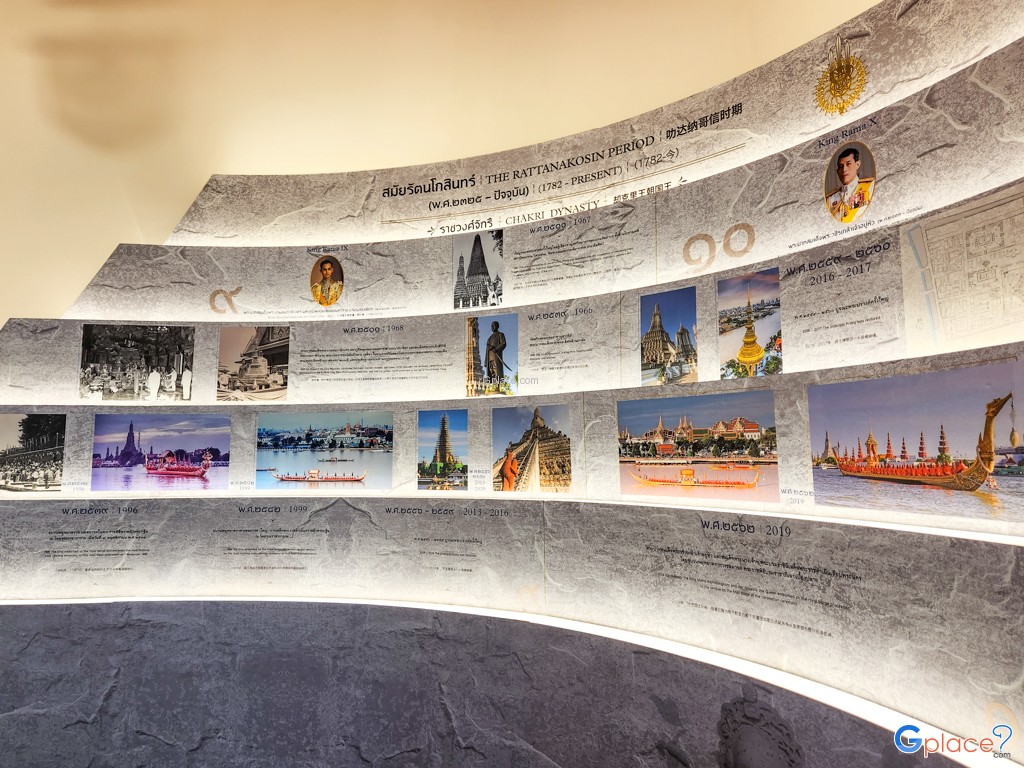
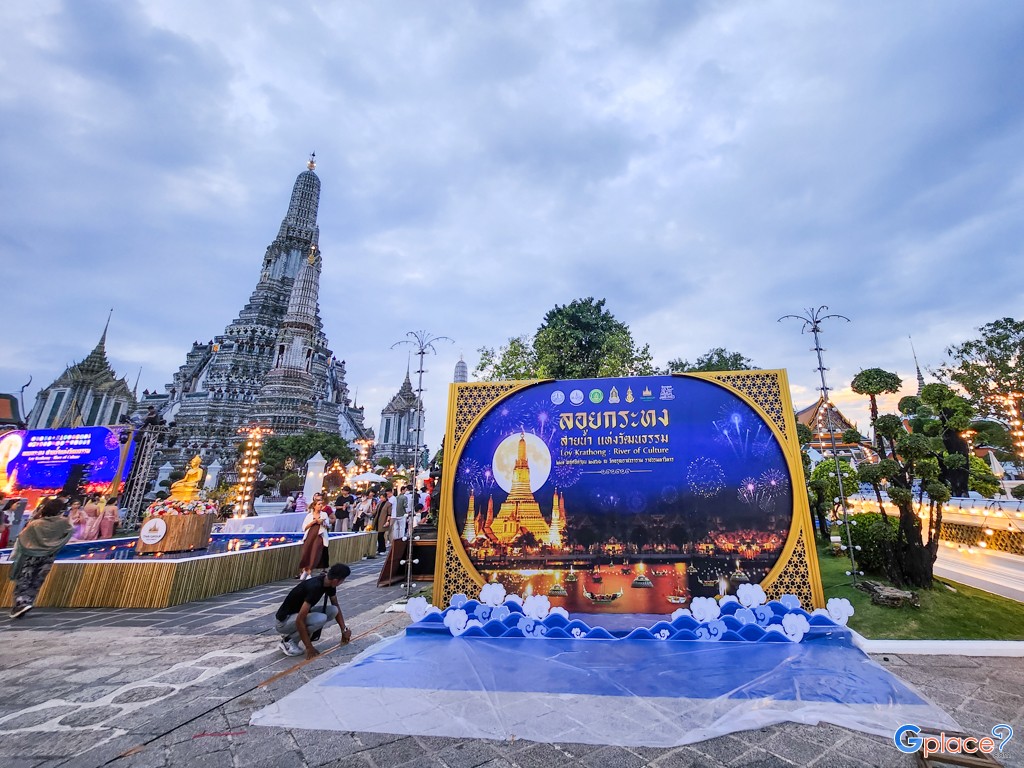
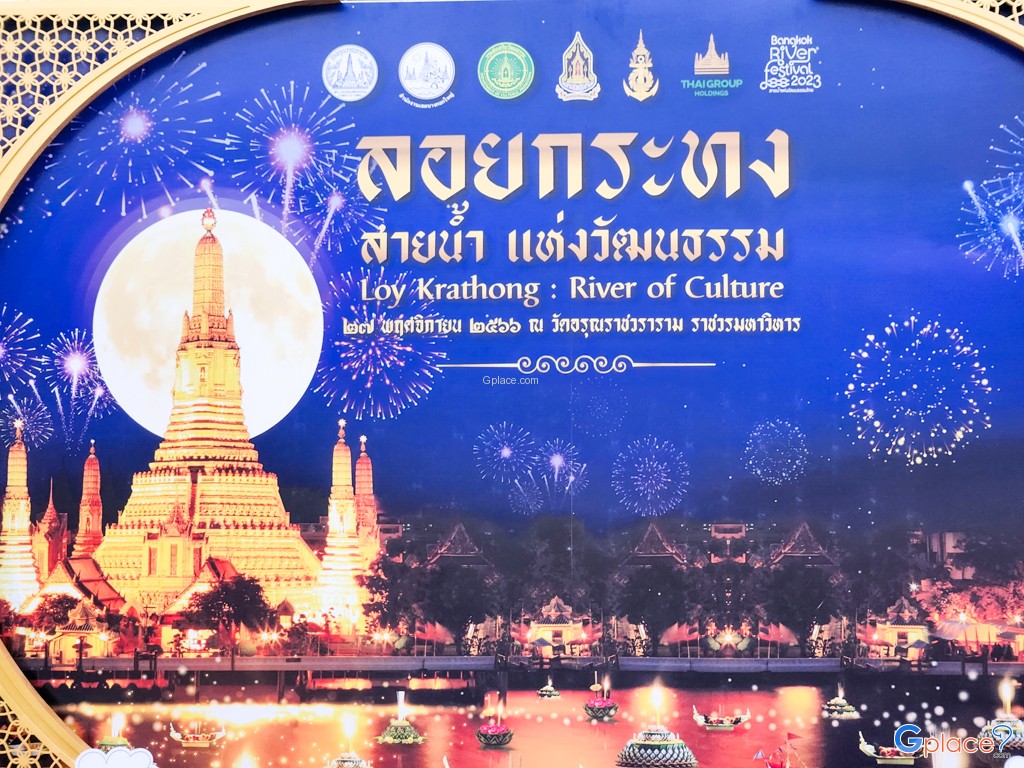
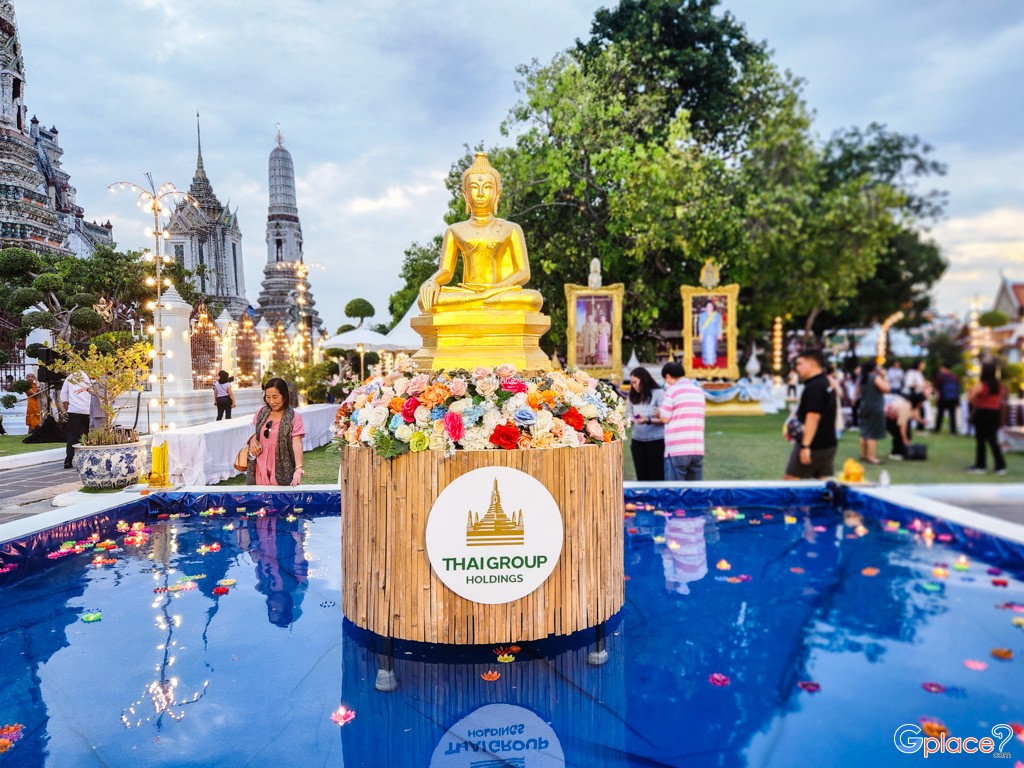

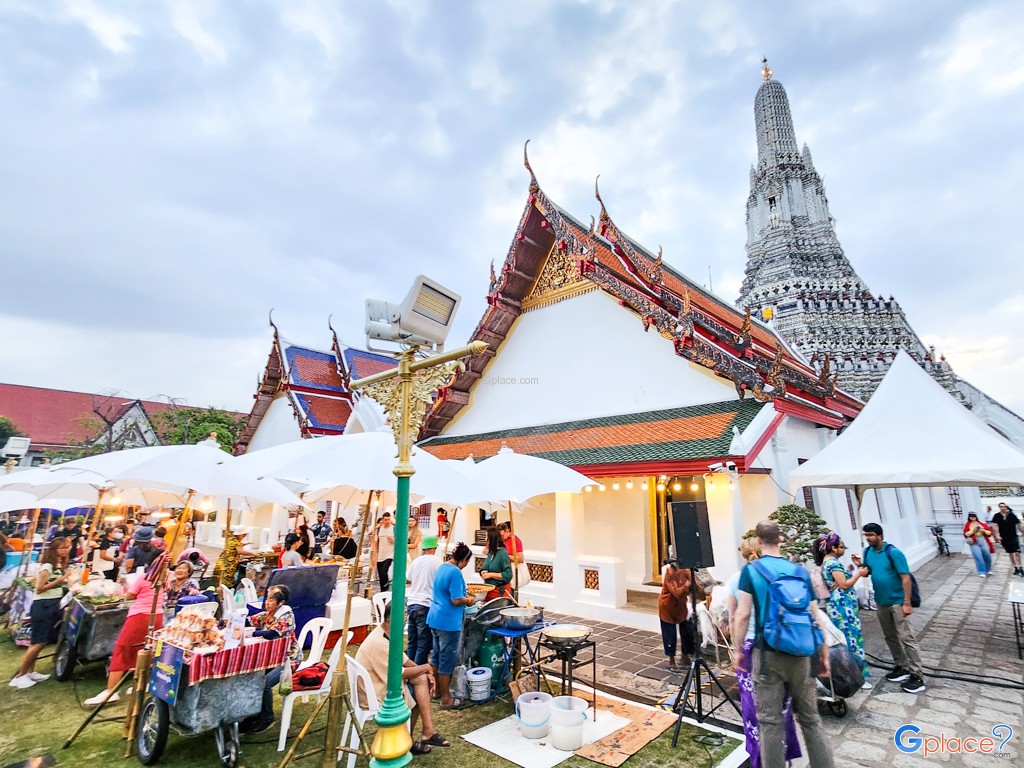
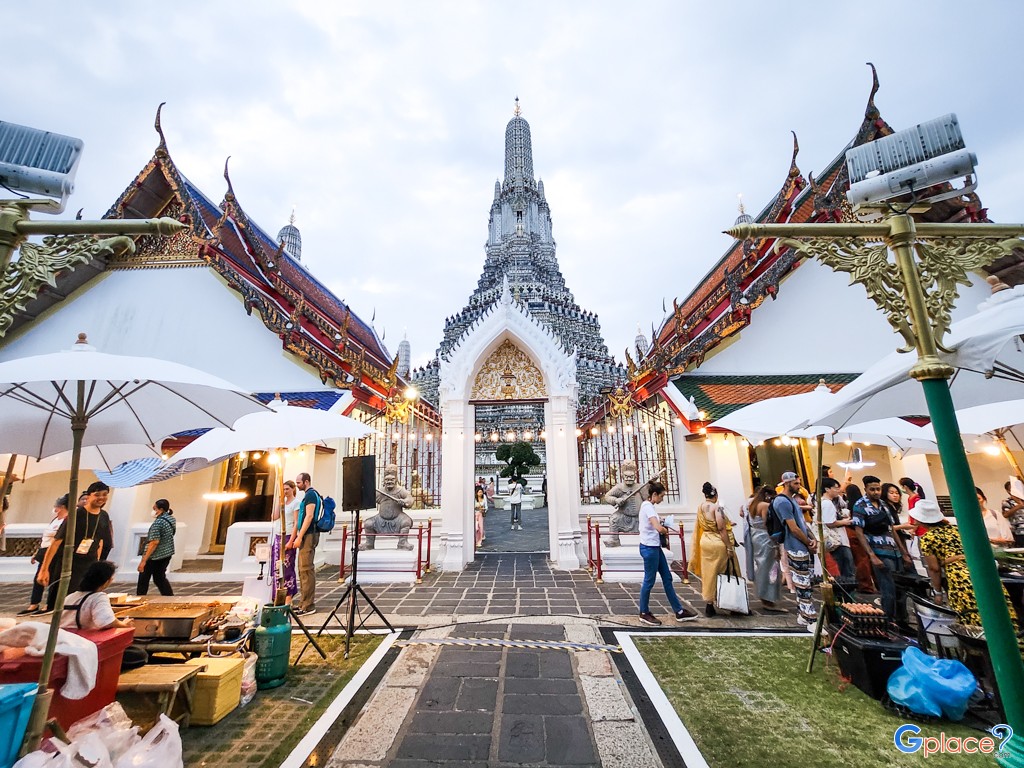
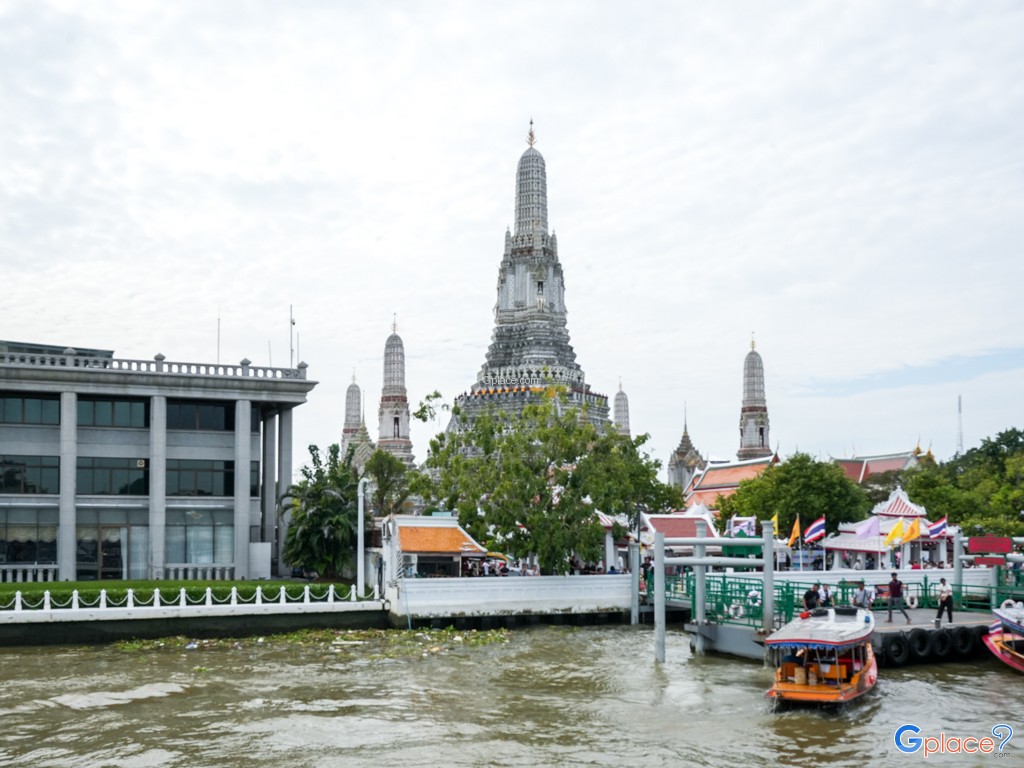
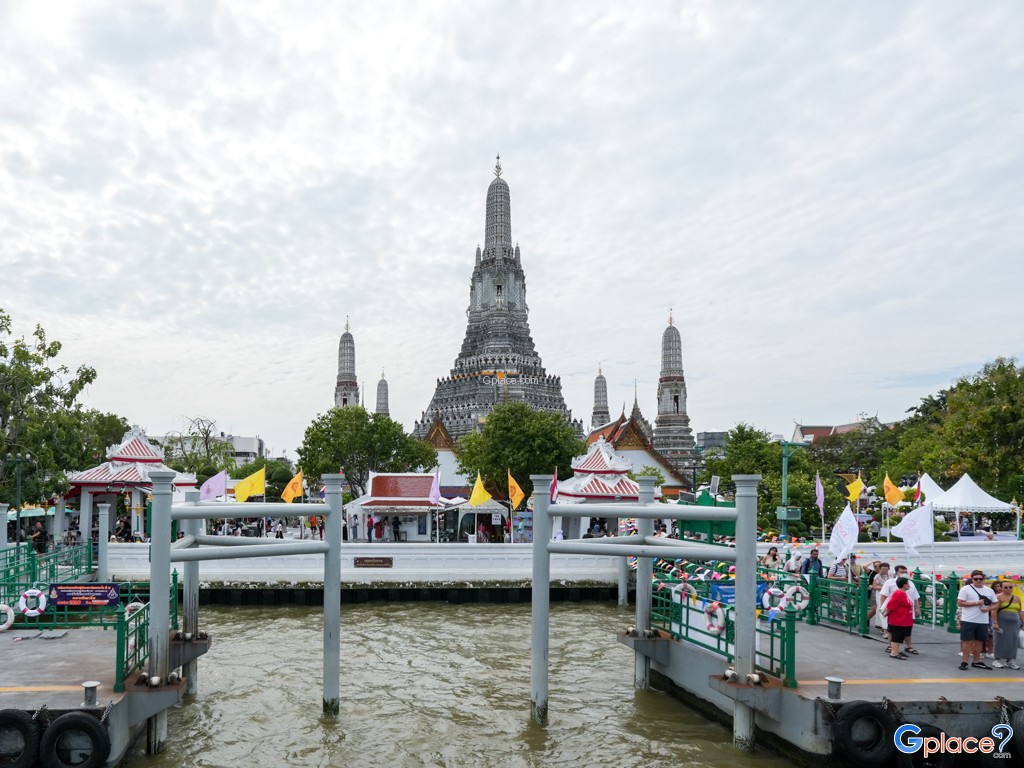

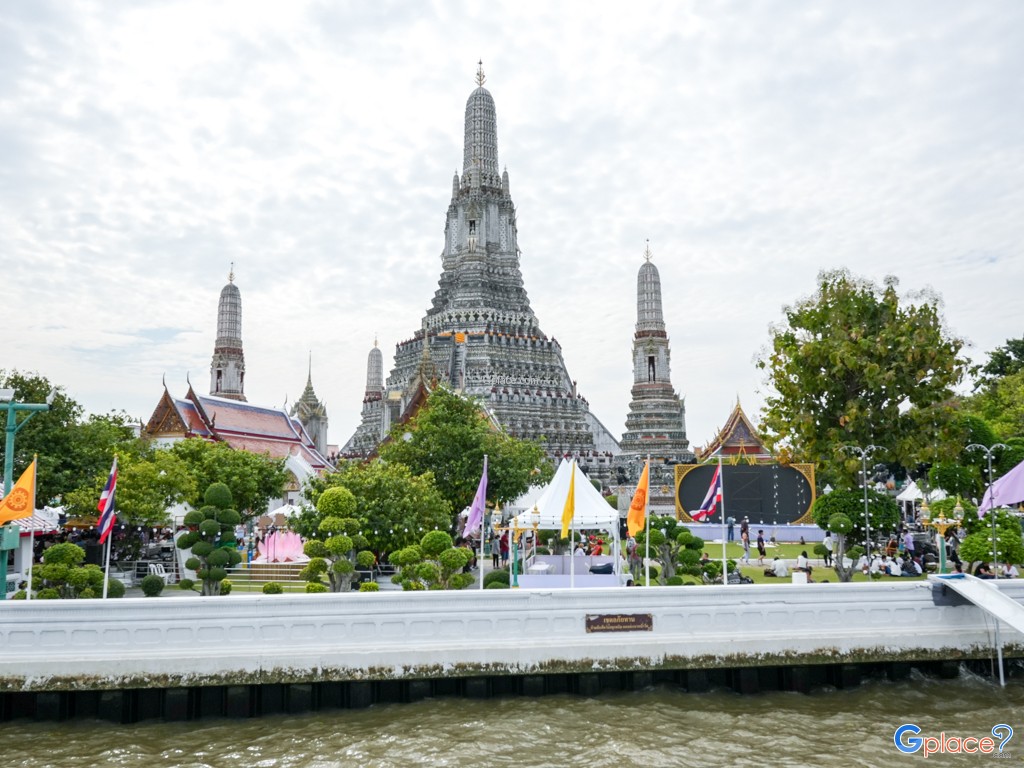
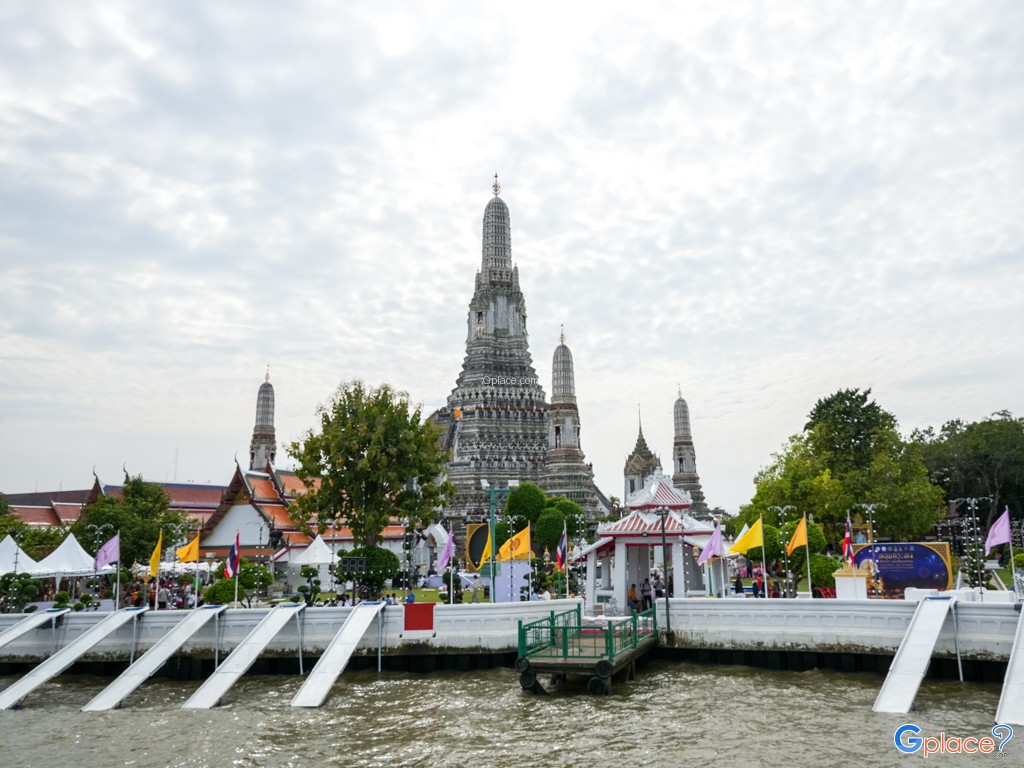
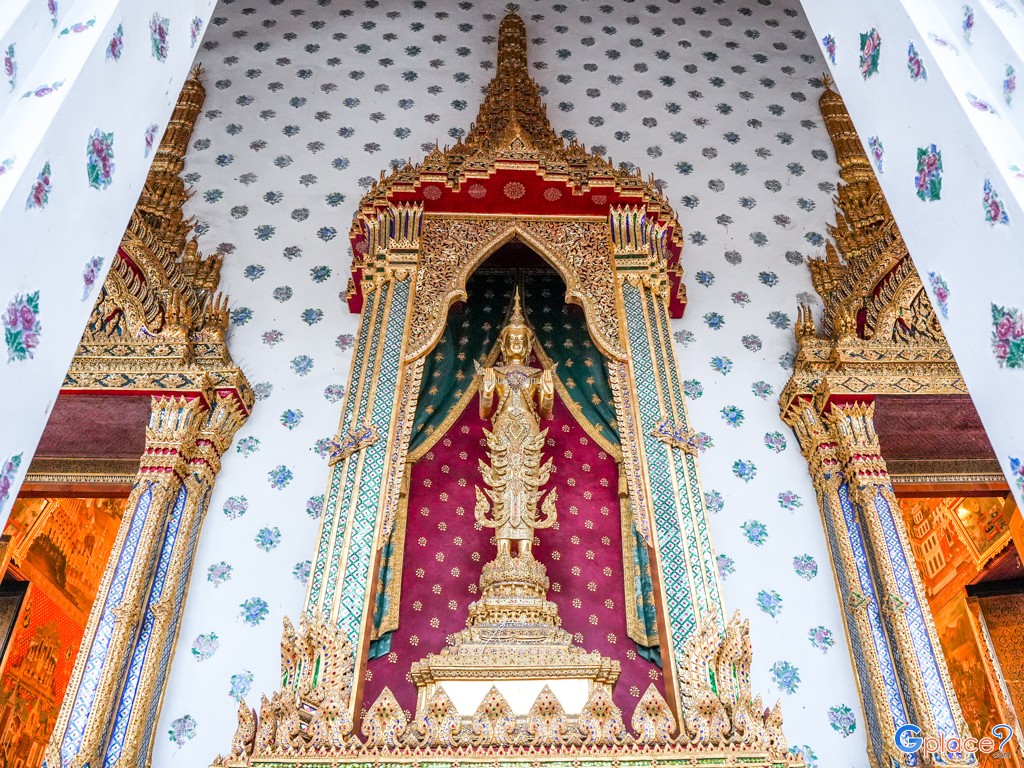

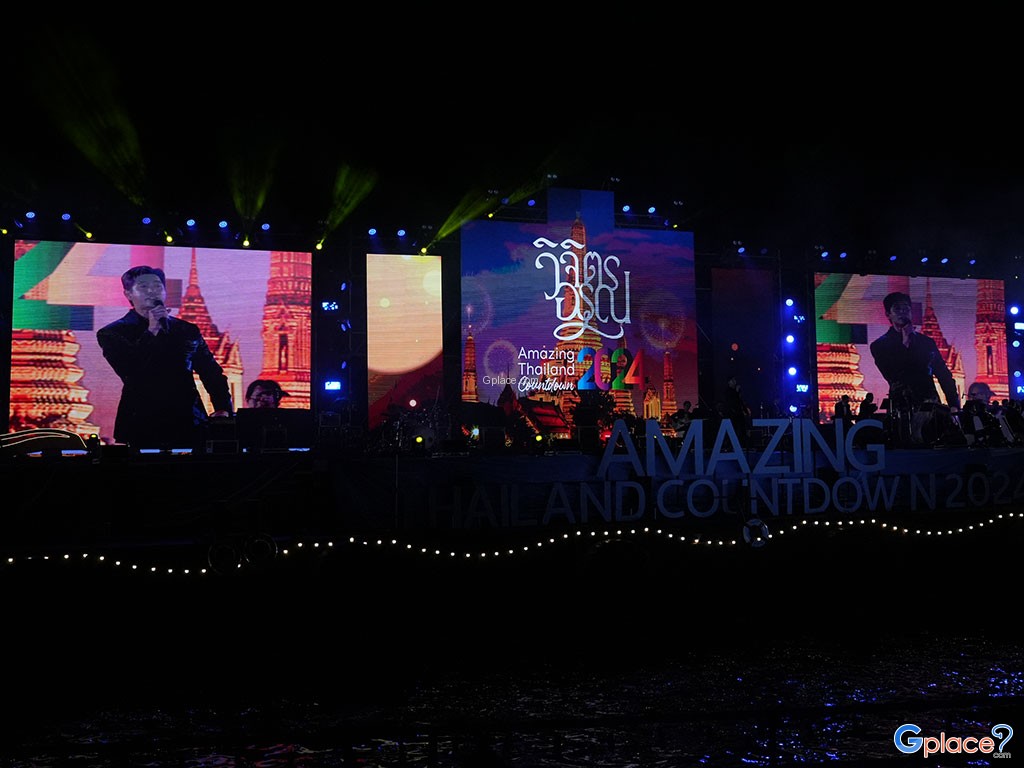
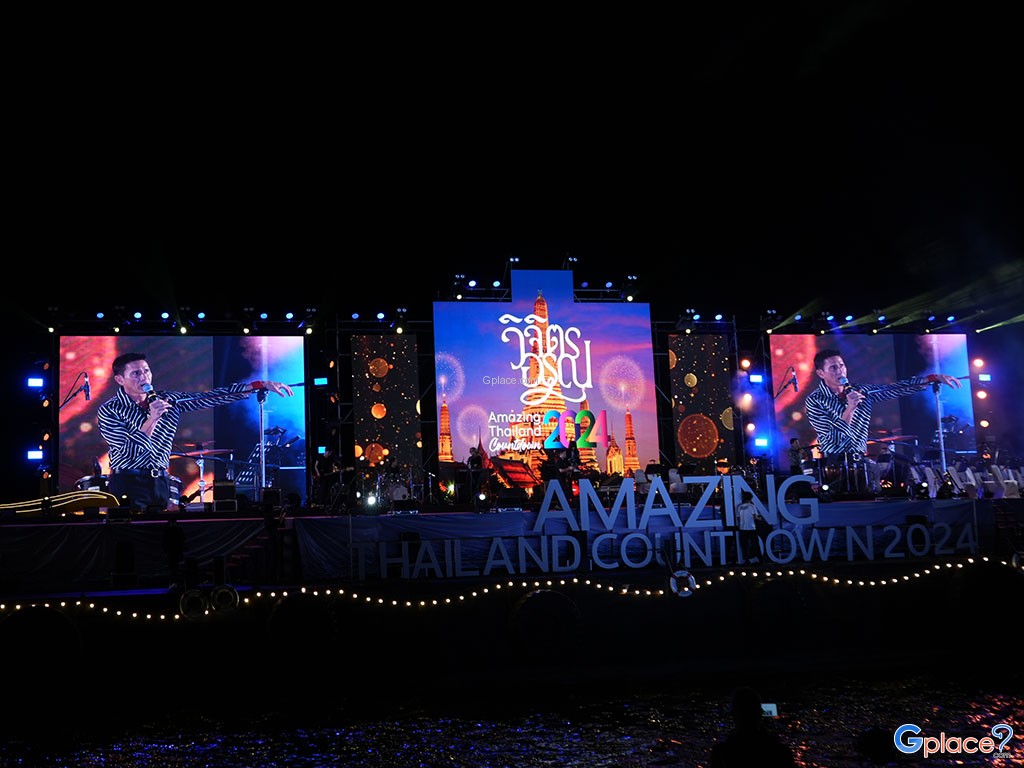
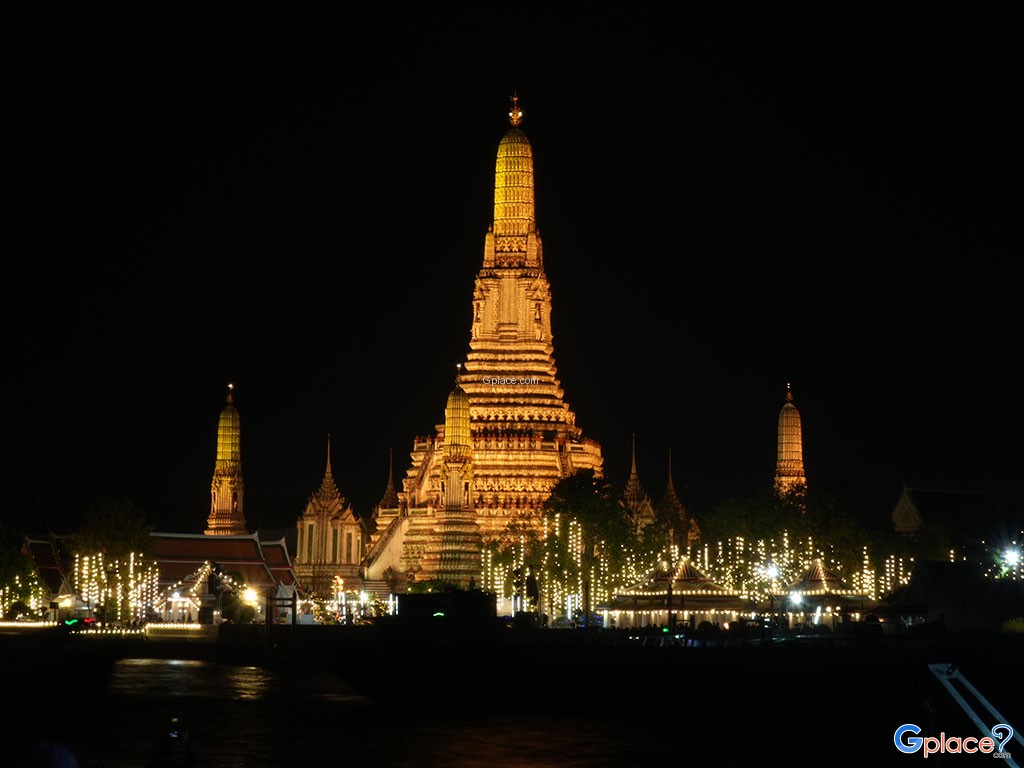
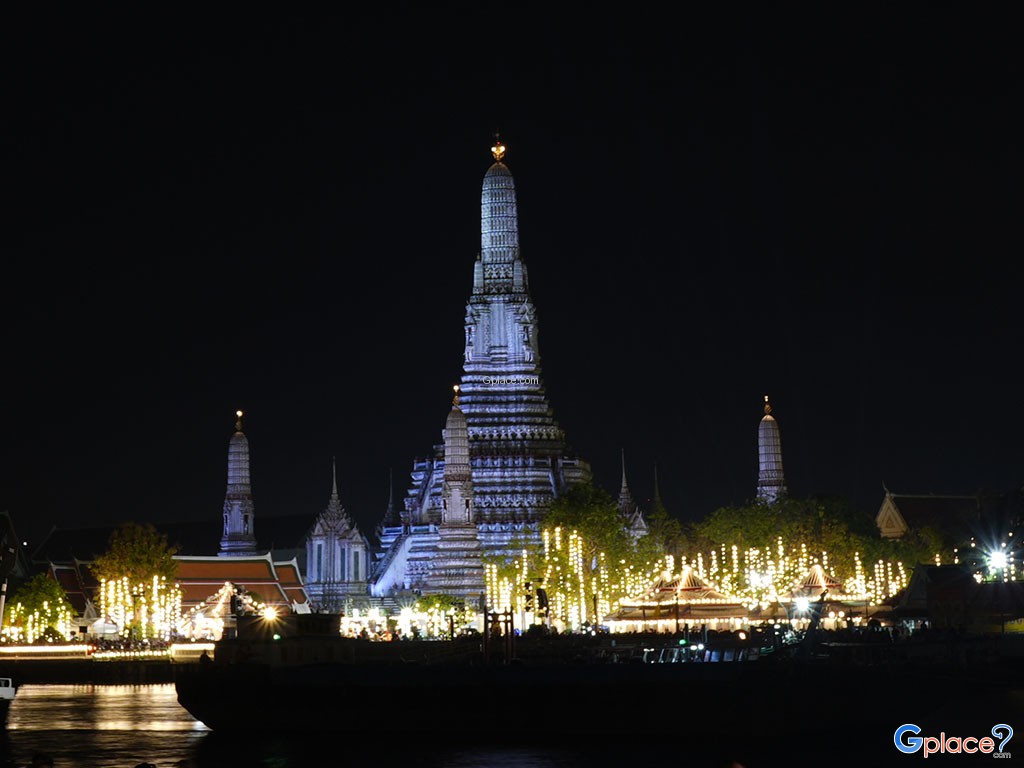
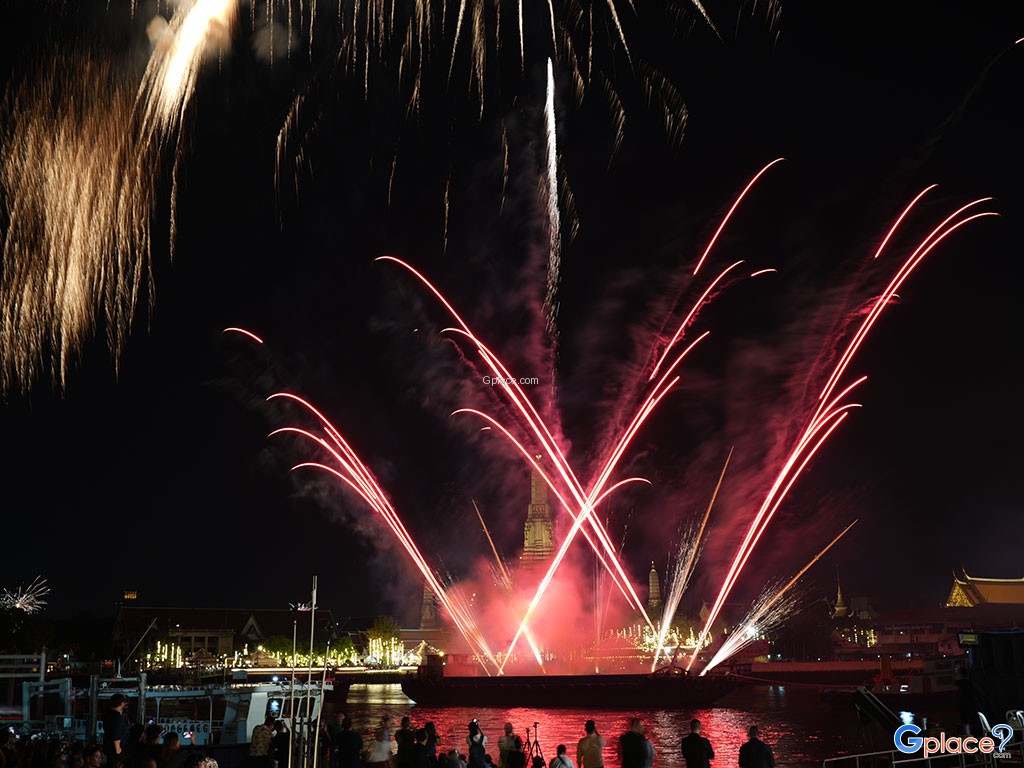
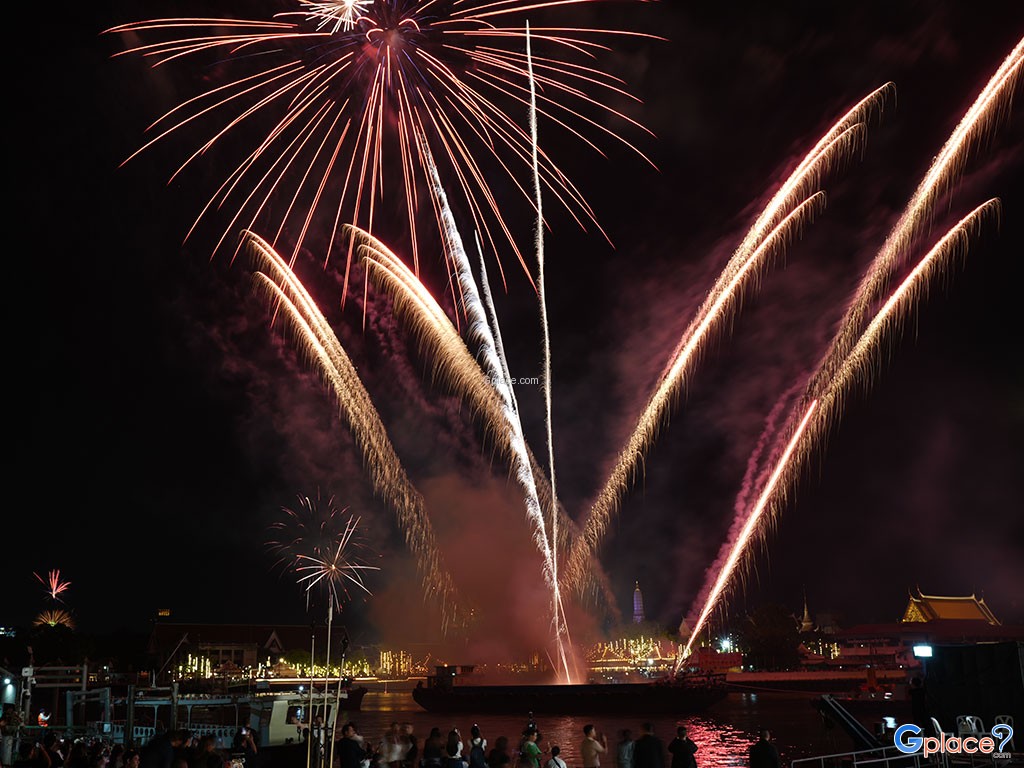
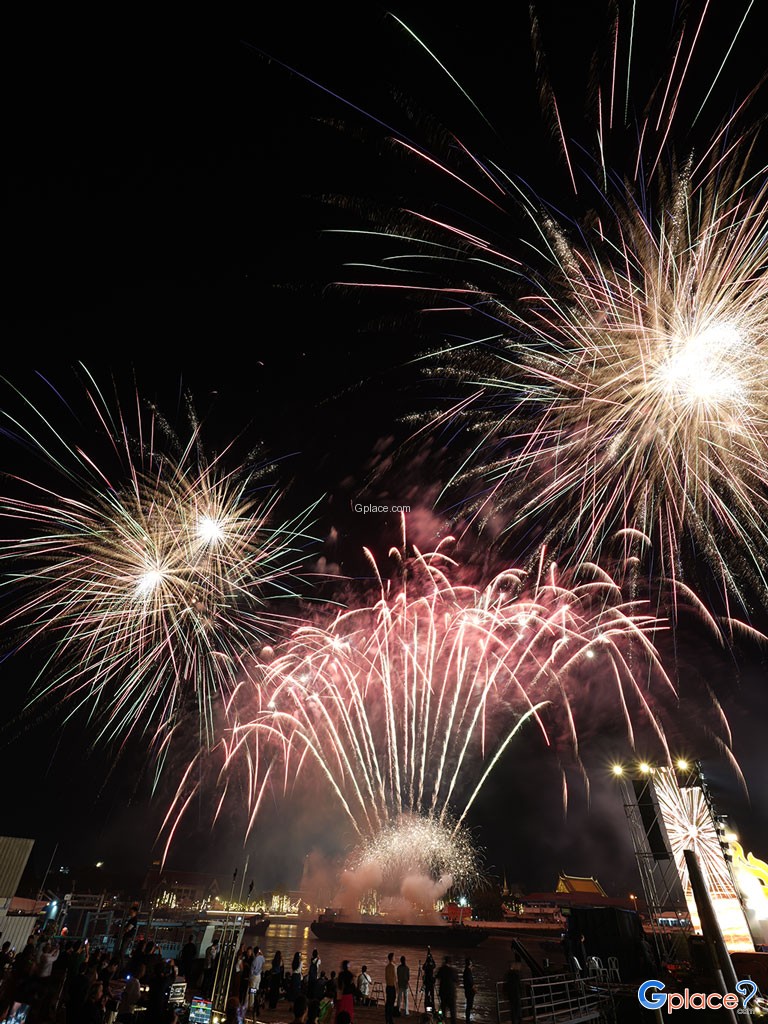
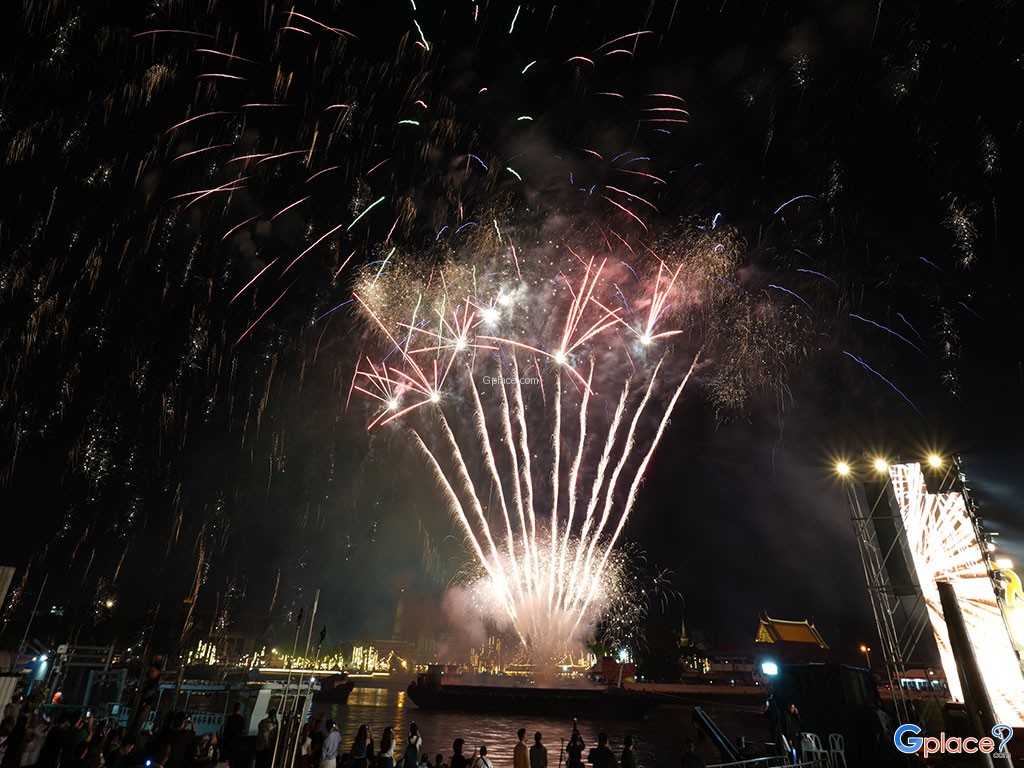
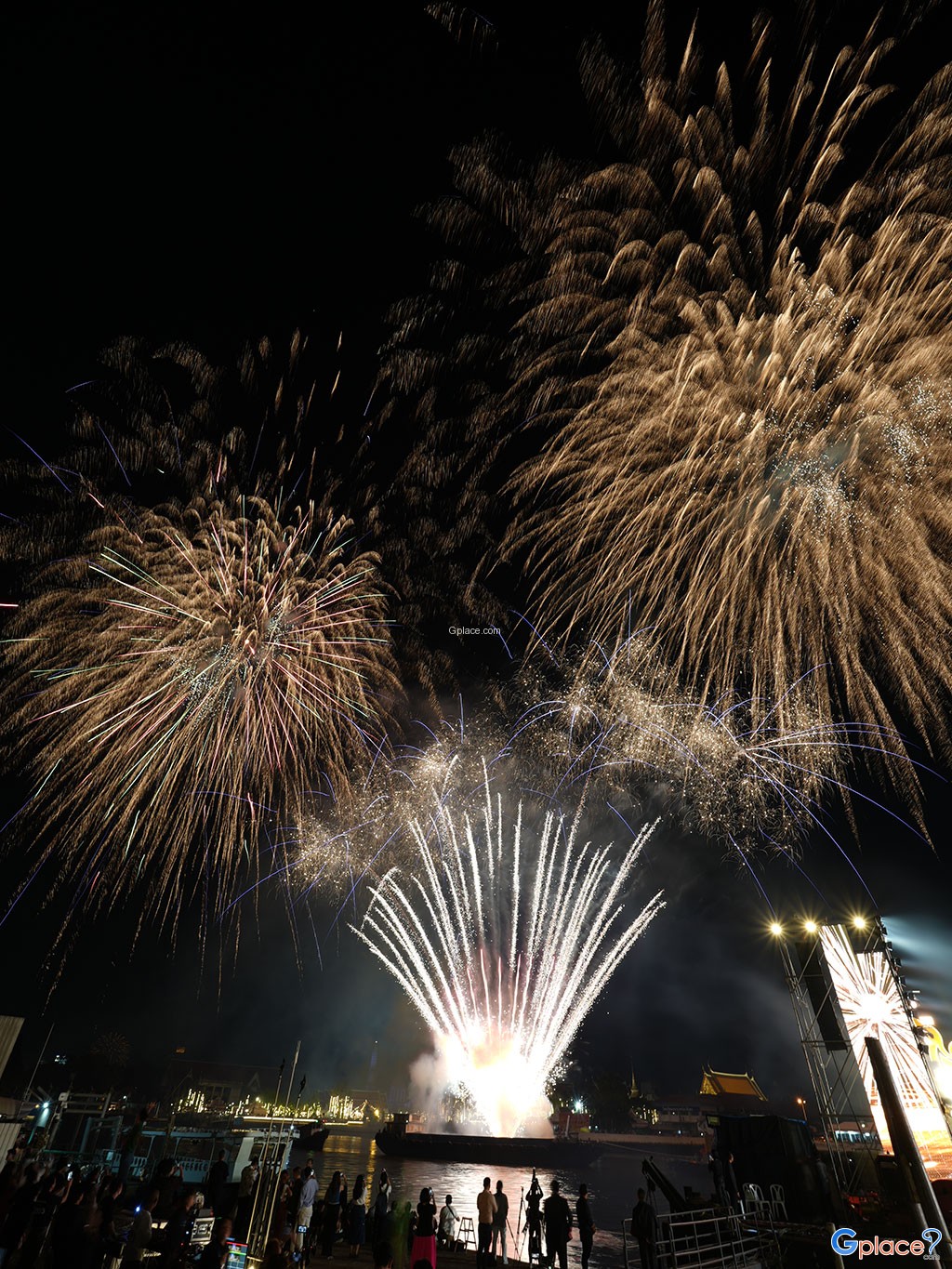
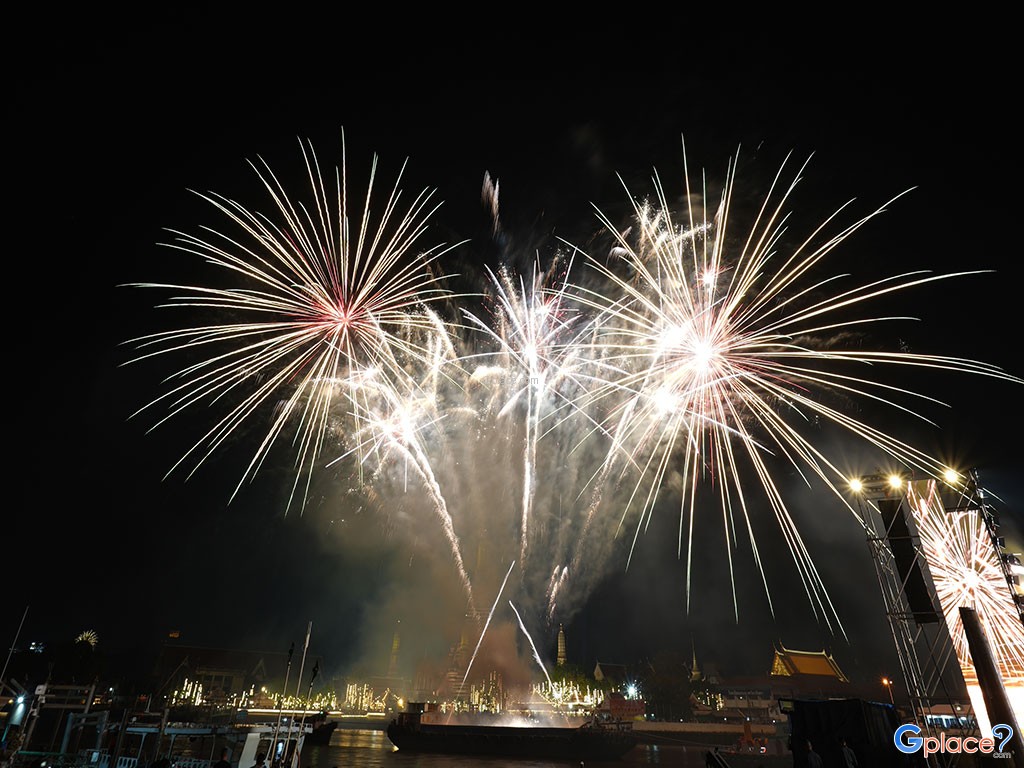
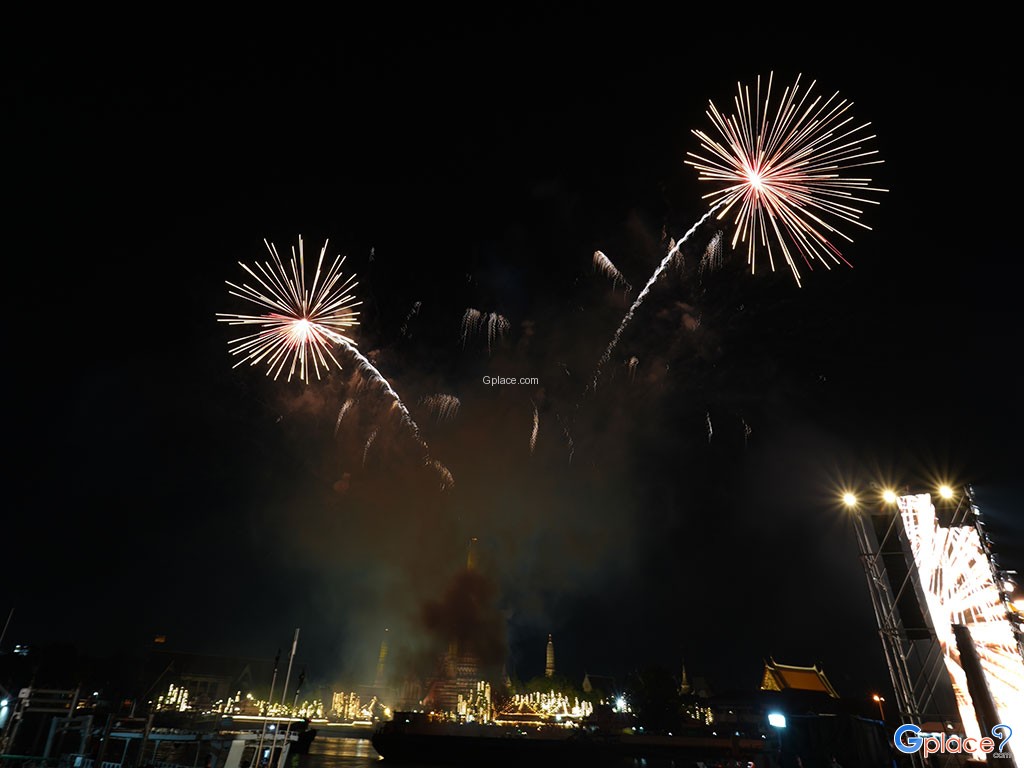
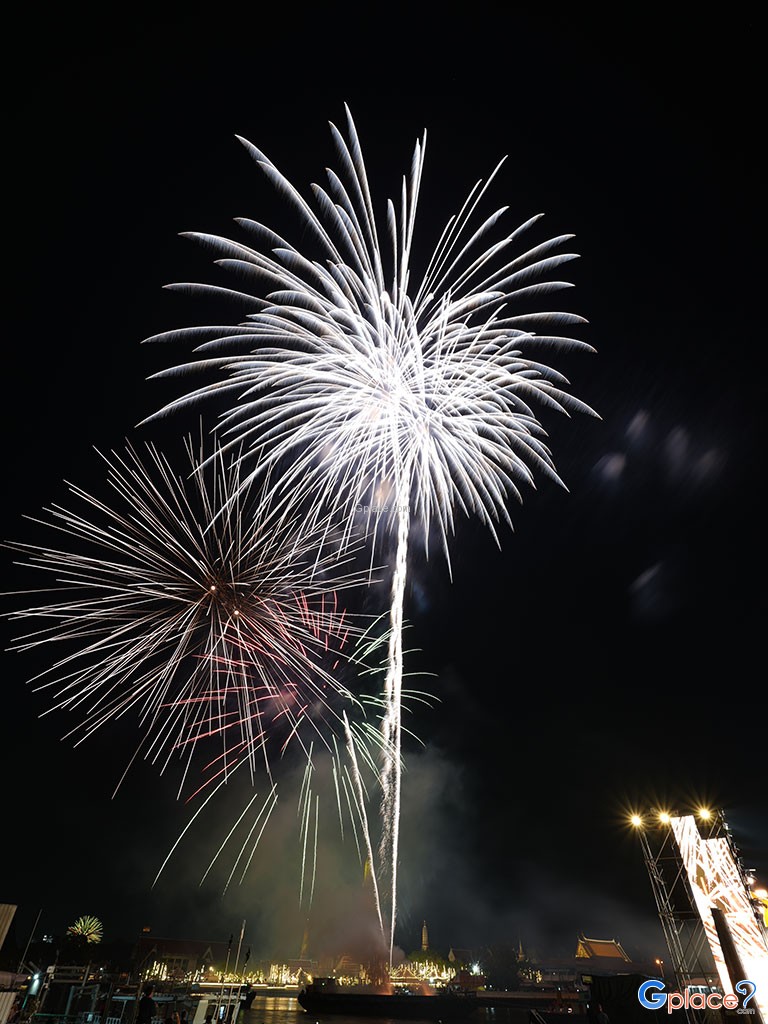
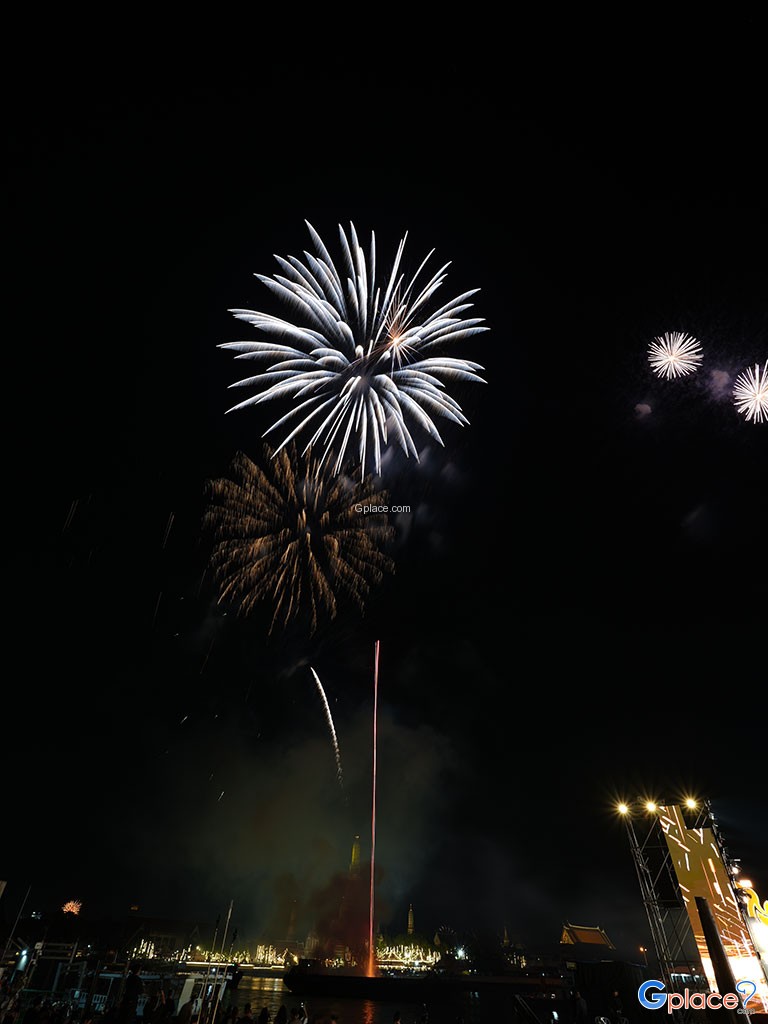
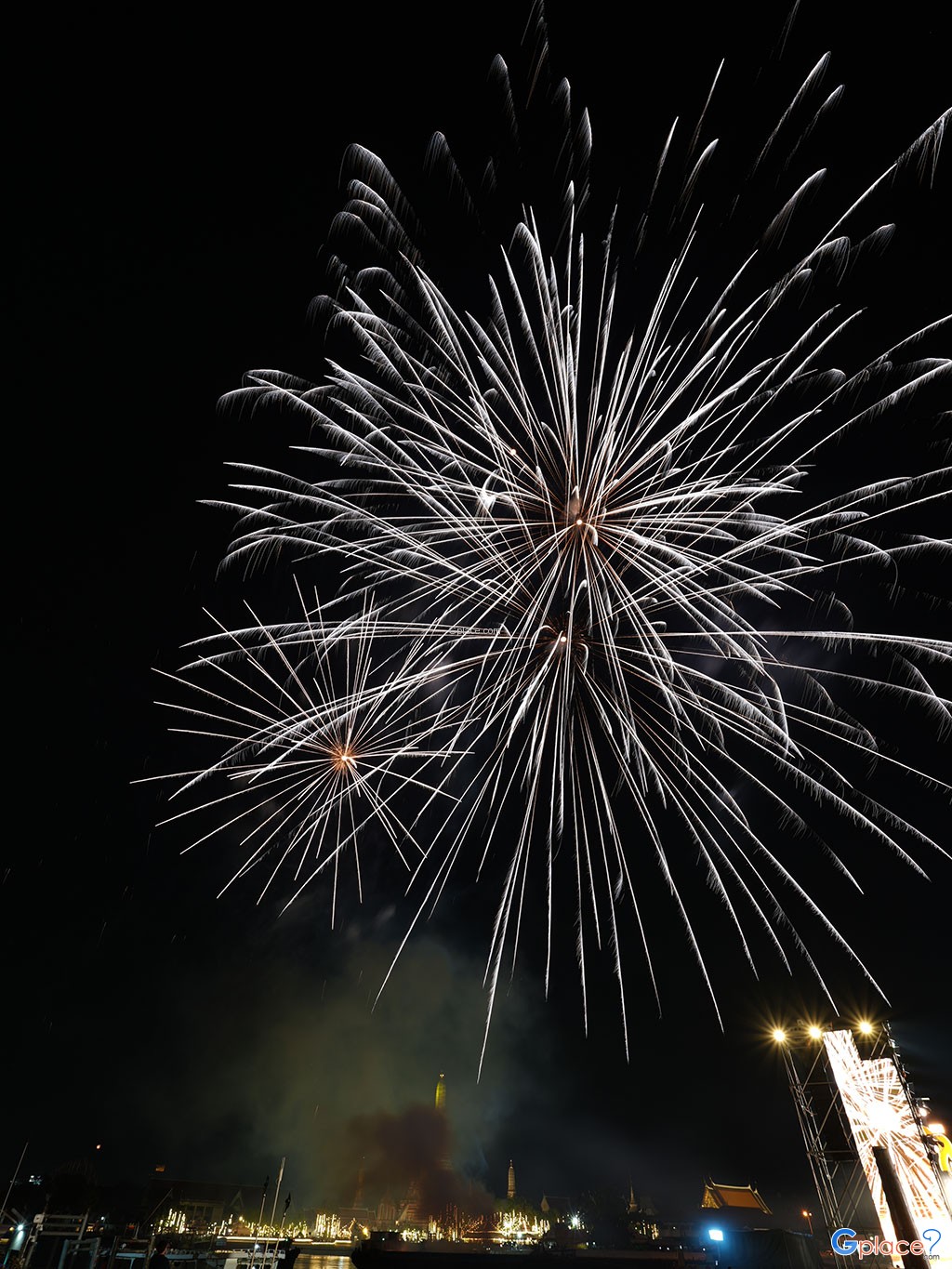
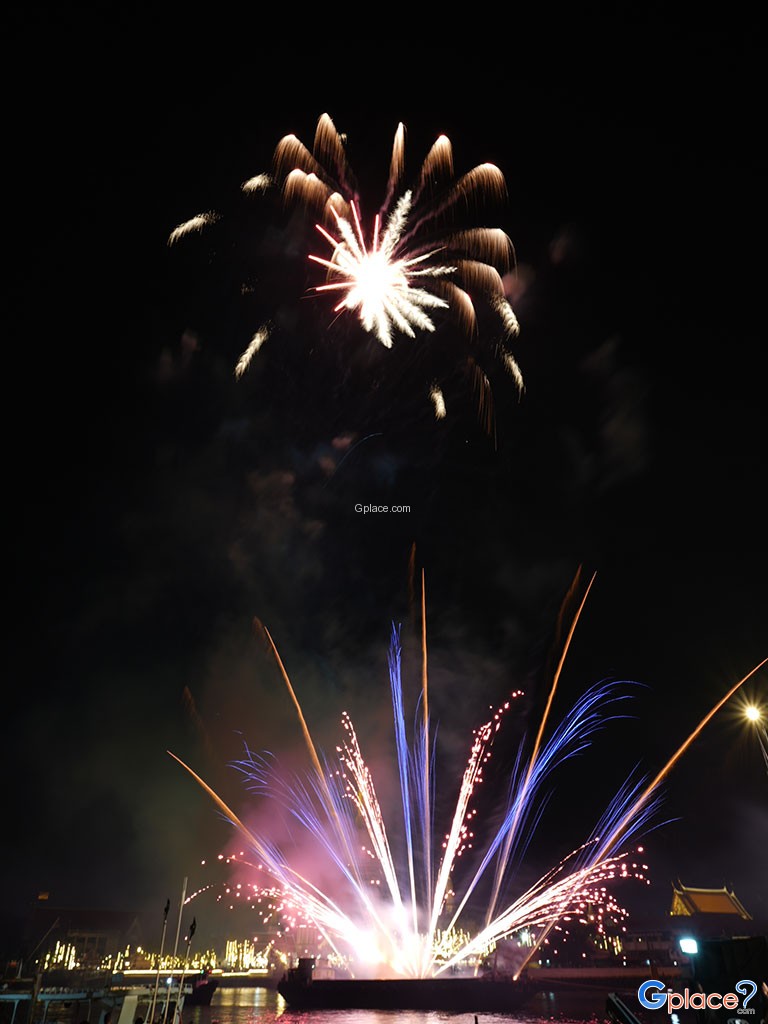
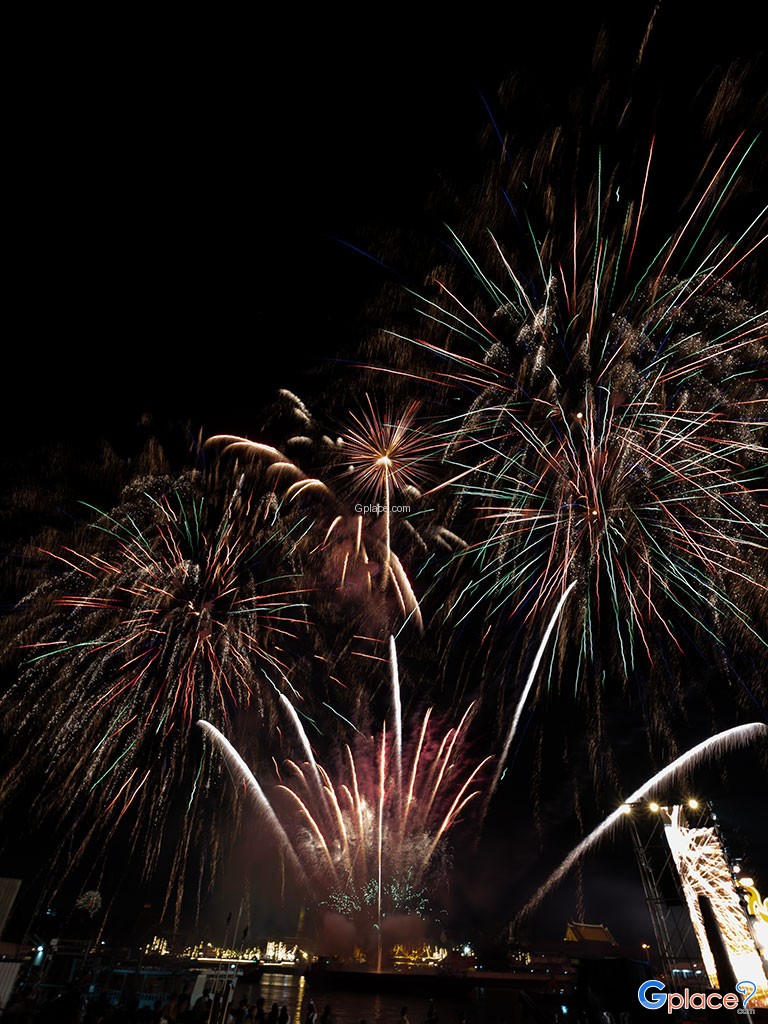
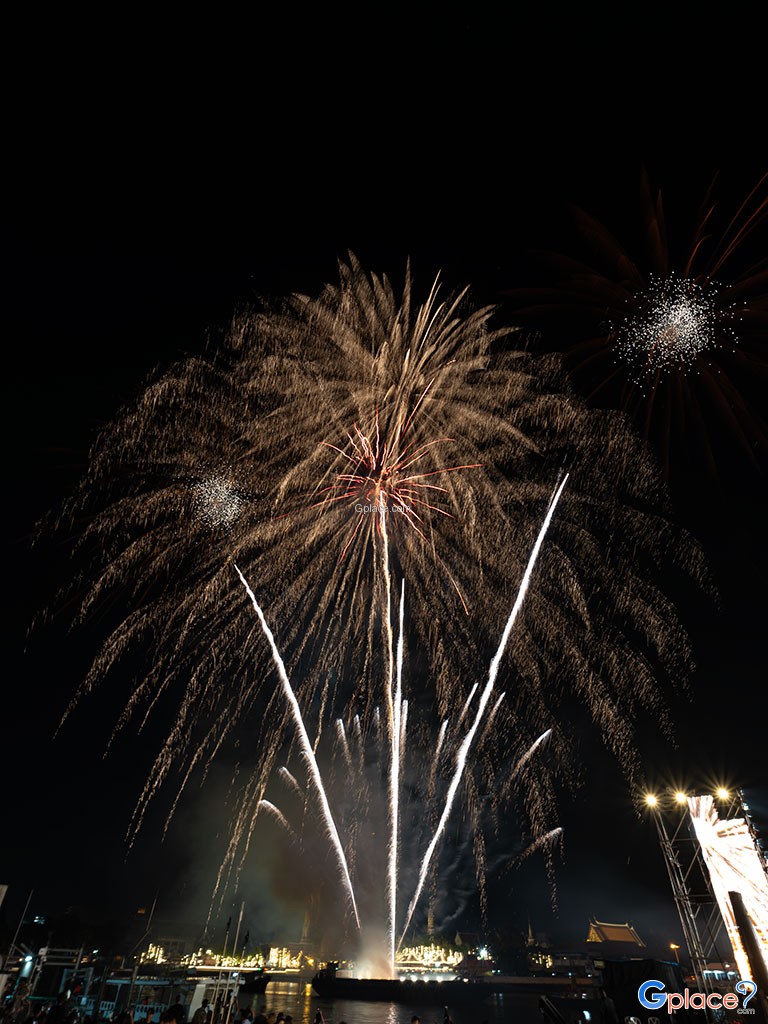
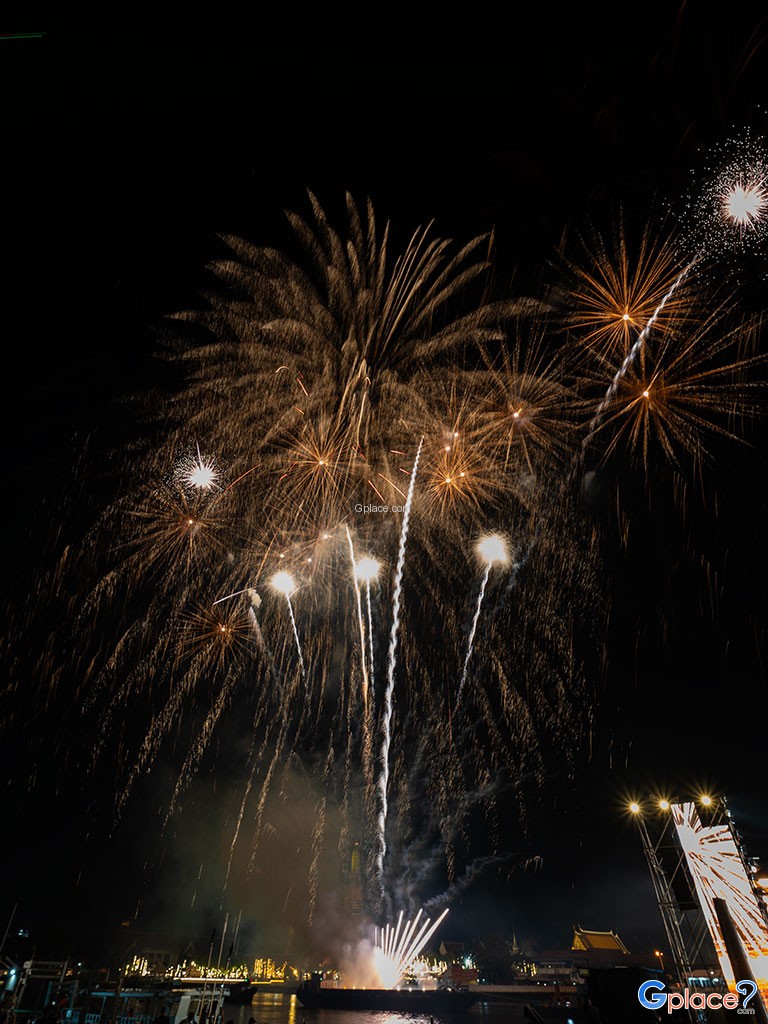
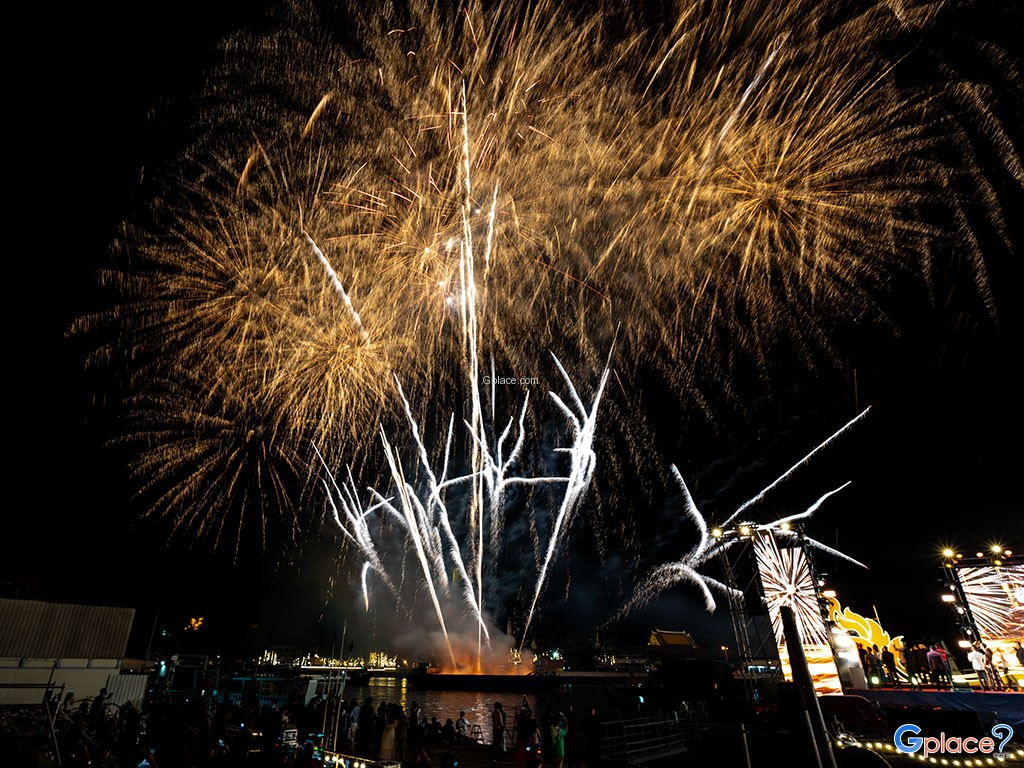
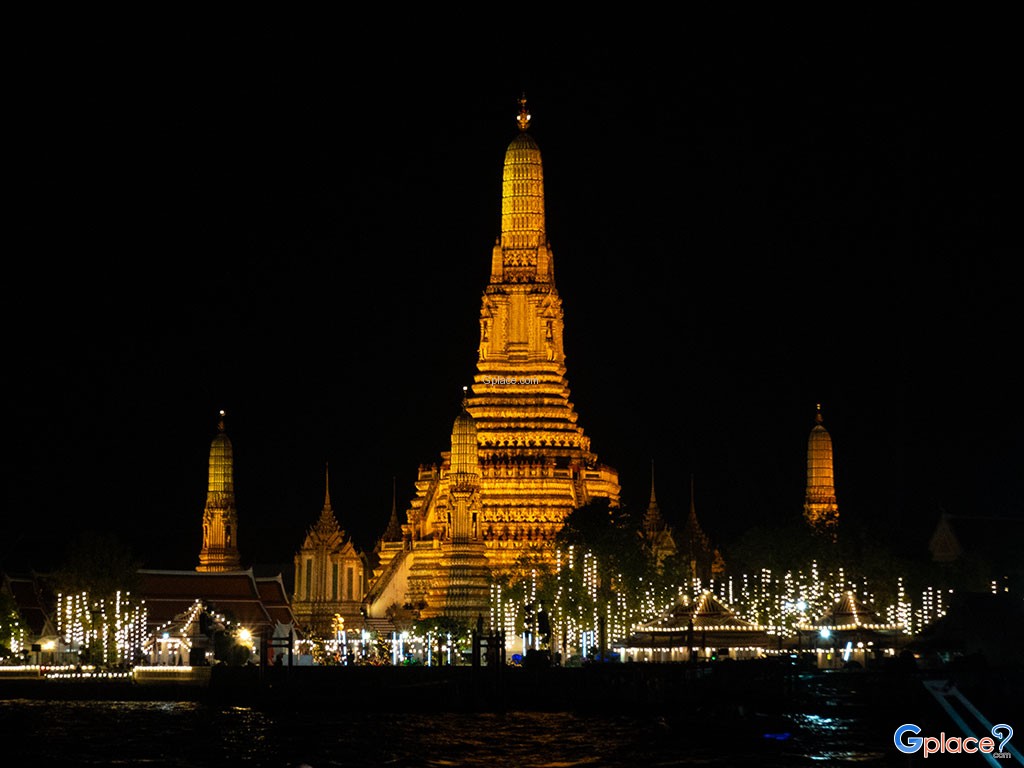
Arun Temple, commonly known as the Temple of Dawn, is a first-class royal temple with origins dating back to the Ayutthaya period. Originally named Wat Makok, it was later restored and renamed by King Taksin, who arrived at this site at dawn after establishing Thonburi as the new capital. Since then, the temple has become one of Bangkok’s most iconic landmarks and a must-visit destination for travelers worldwide.
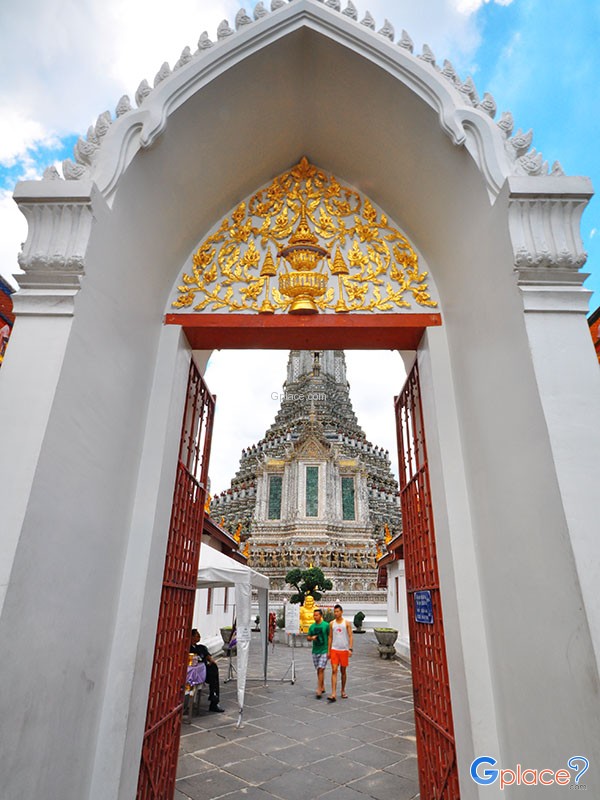
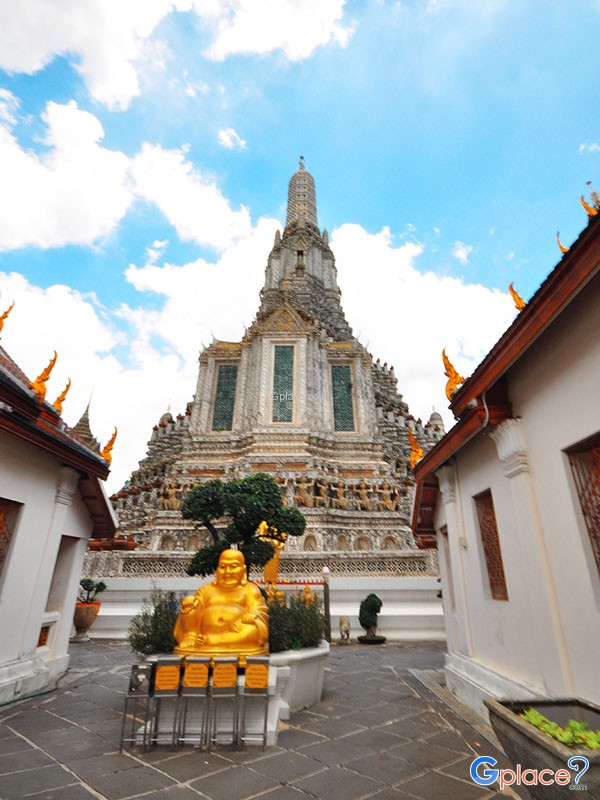
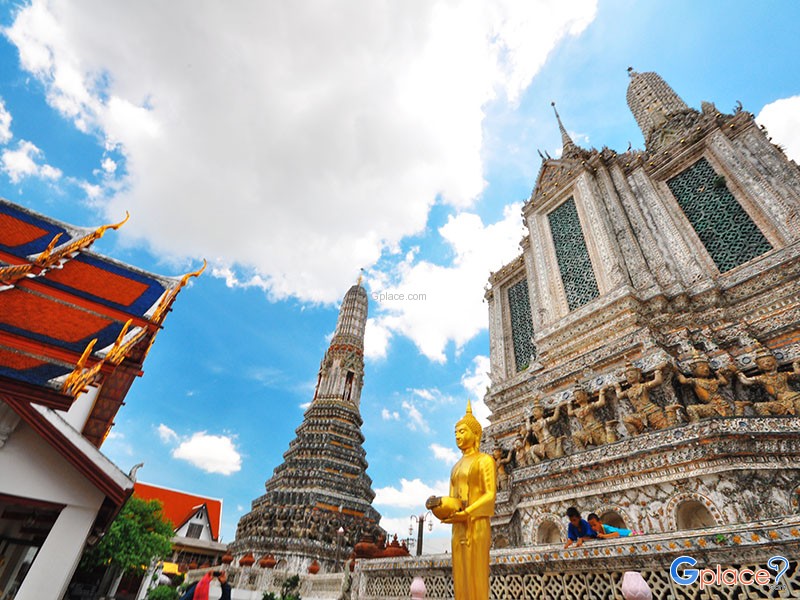
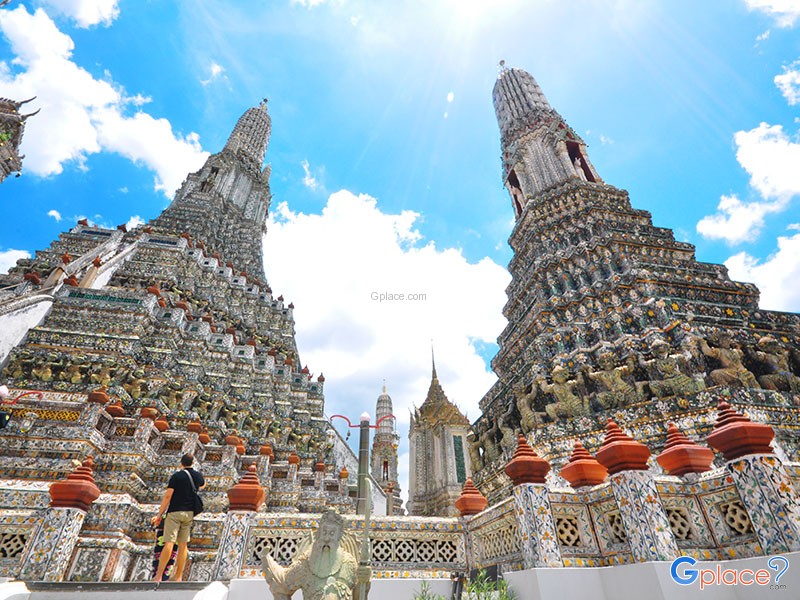
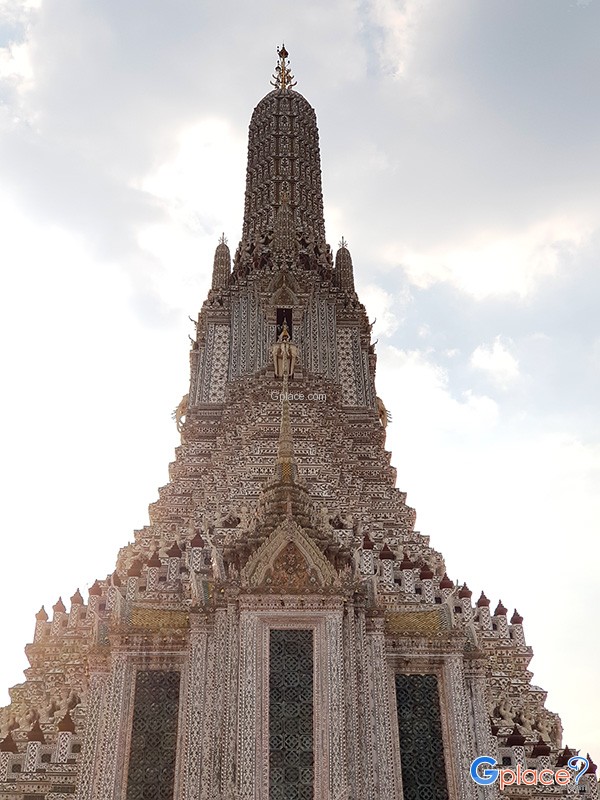
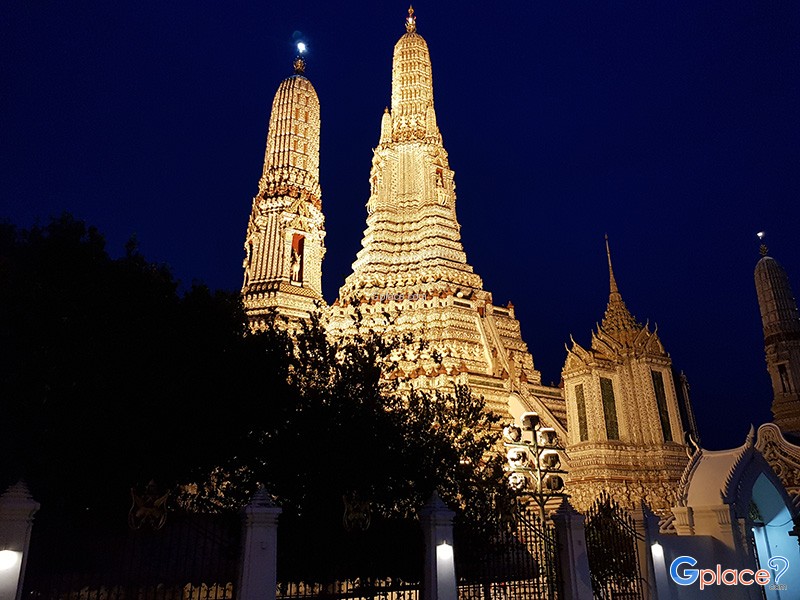
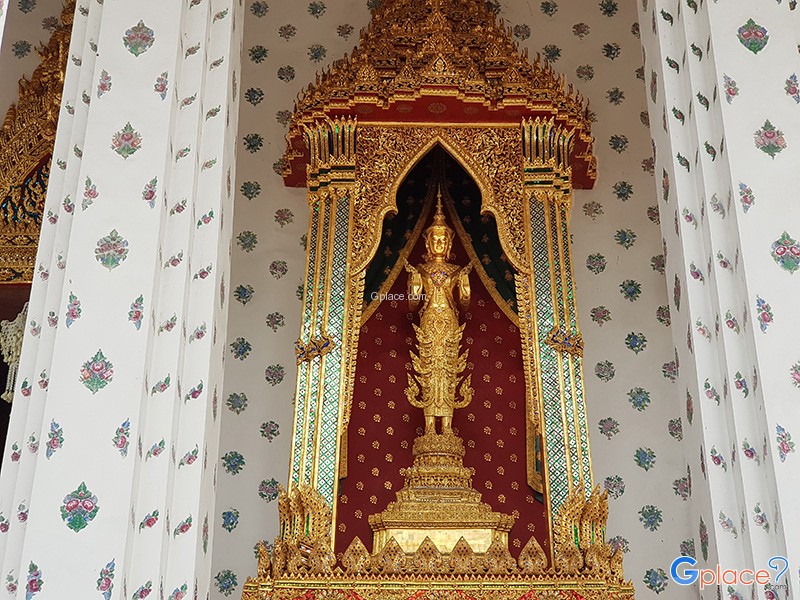
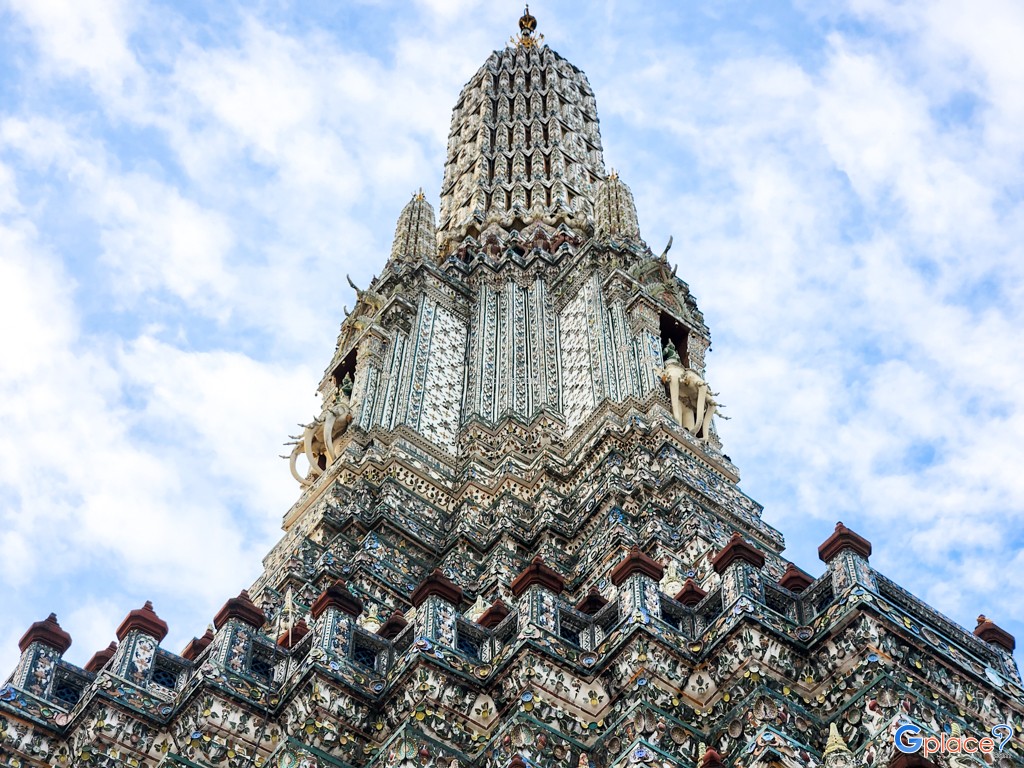
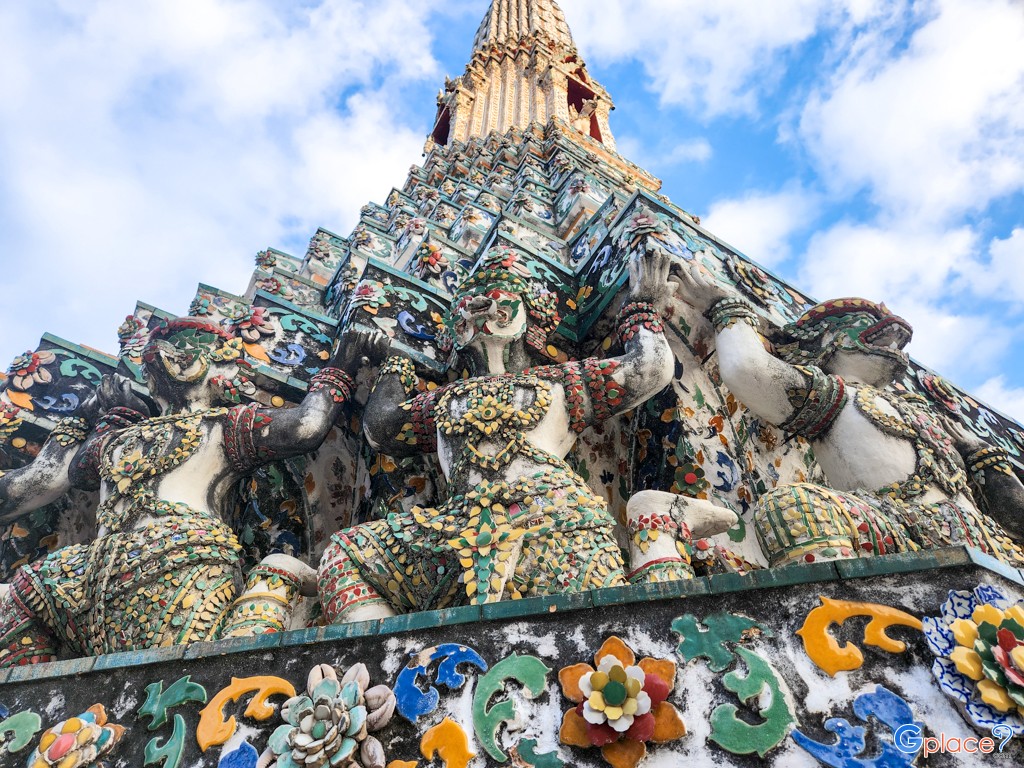
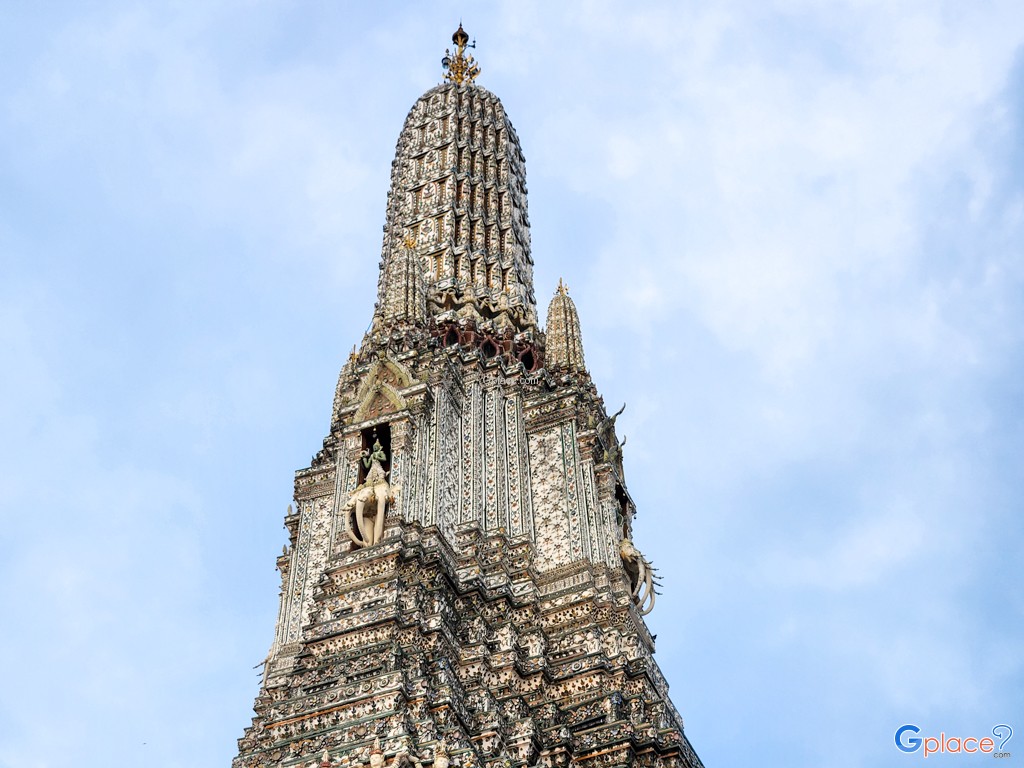
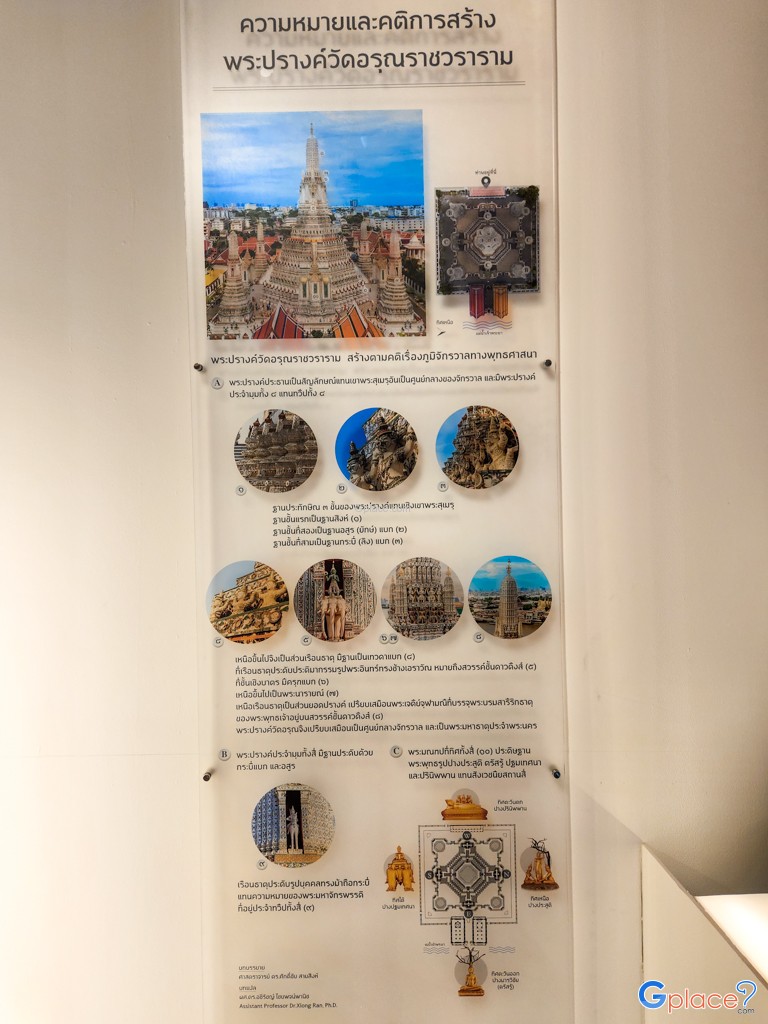
Its most remarkable feature is the central prang (Khmer-style tower), magnificently decorated with colorful glazed porcelain and Chinese ceramics arranged into intricate floral and mythological patterns. Visitors can climb partway up the prang to enjoy panoramic views of the Chao Phraya River and the Grand Palace across the river.
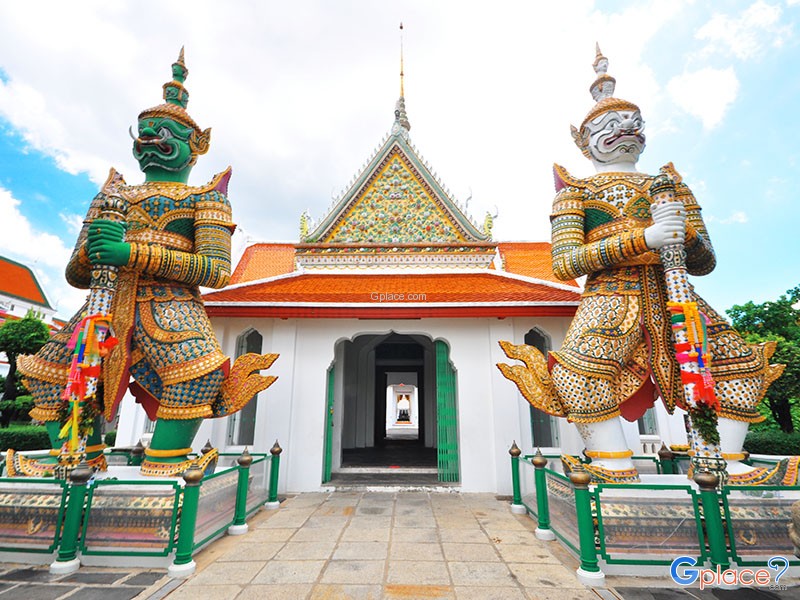
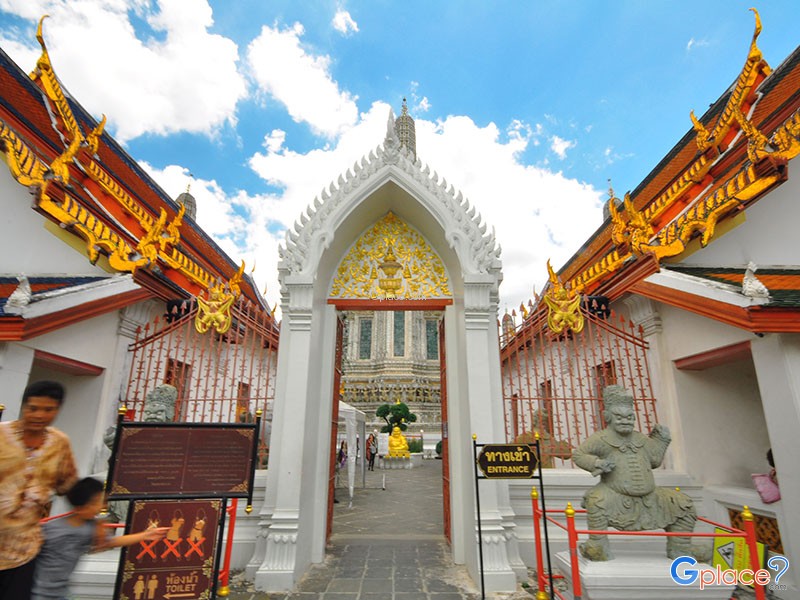
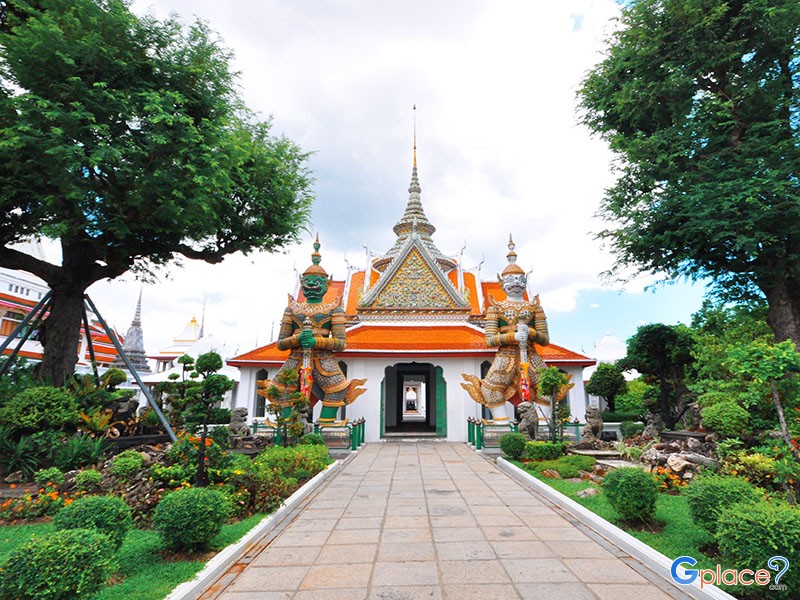
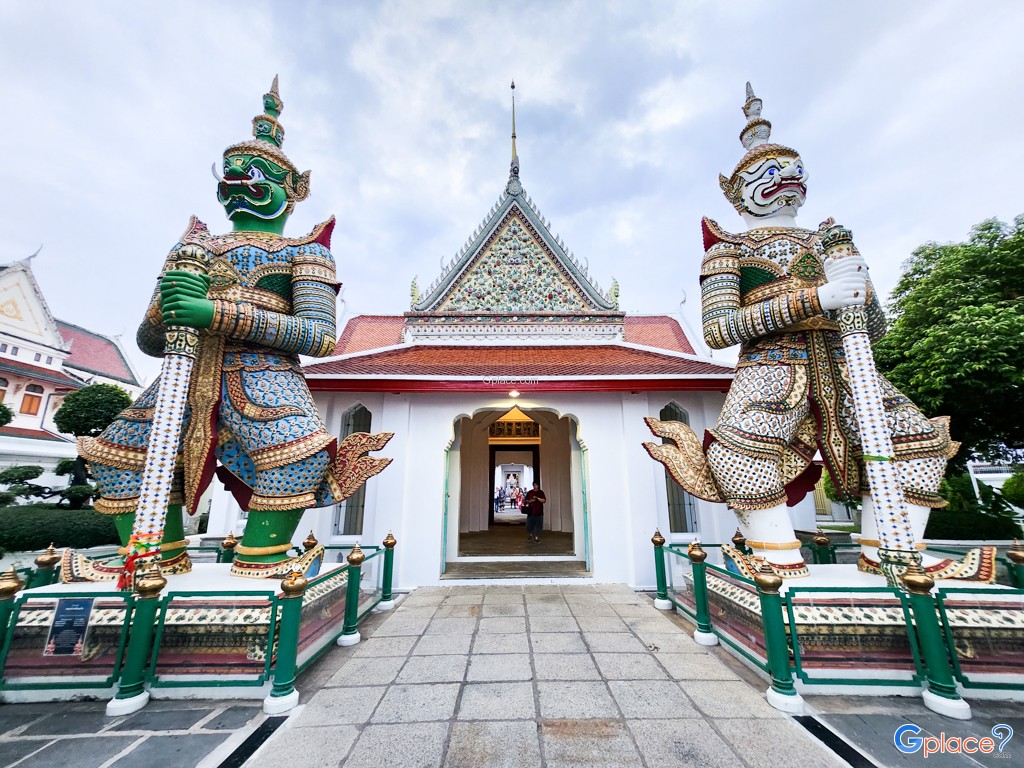
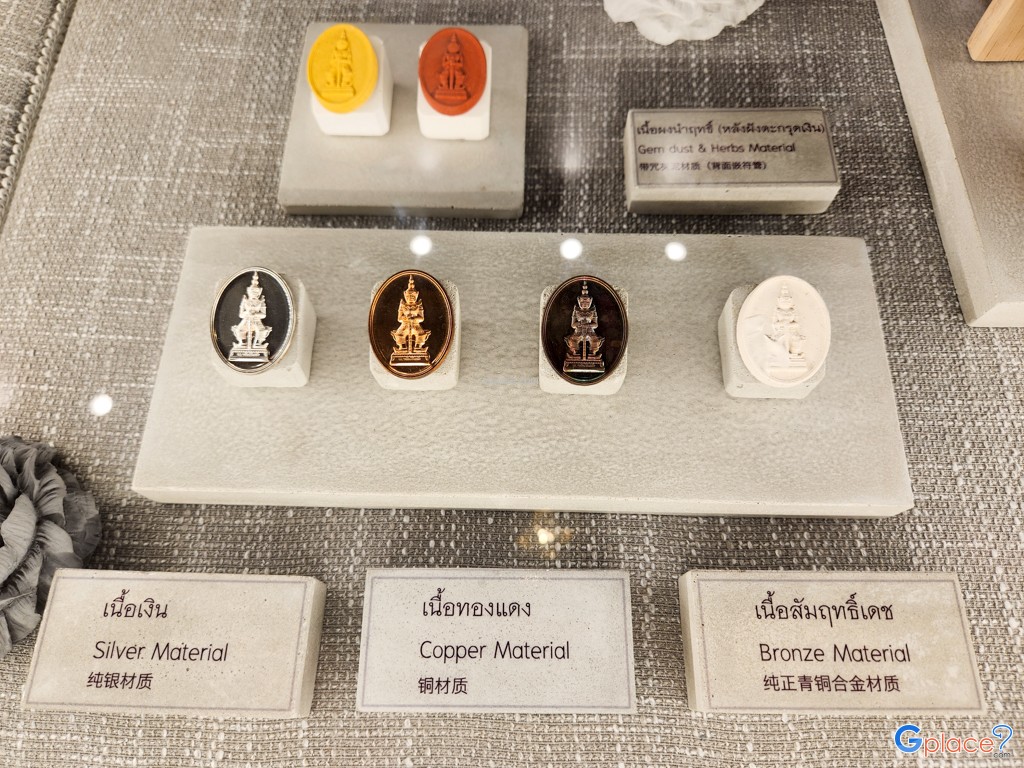
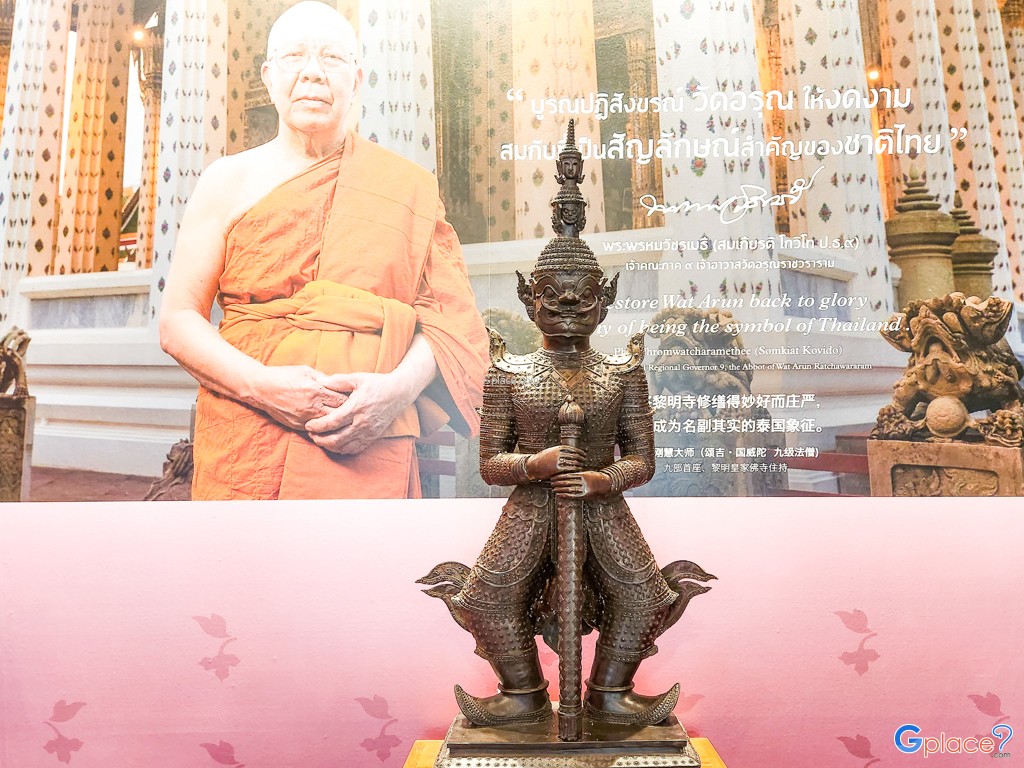
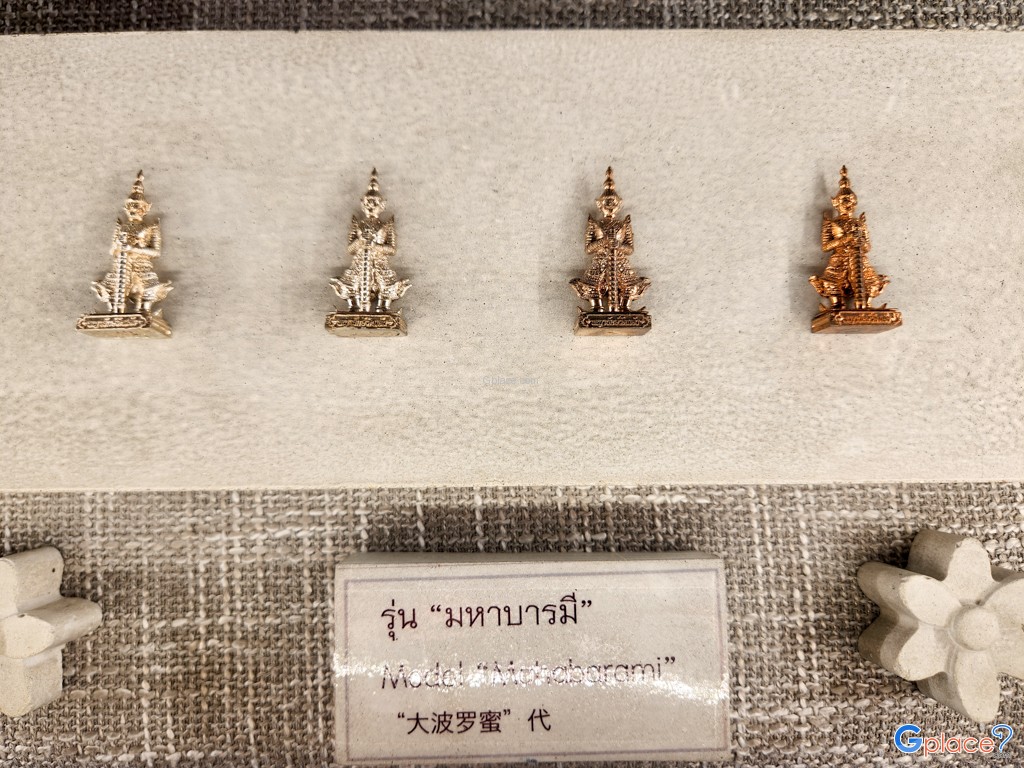
Guarding the entrance are the famous giant guardian statues (Yak of Arun Temple), often mentioned alongside the giants of Pho Temple, symbolizing the grandeur of Thai religious art during the Rattanakosin period.
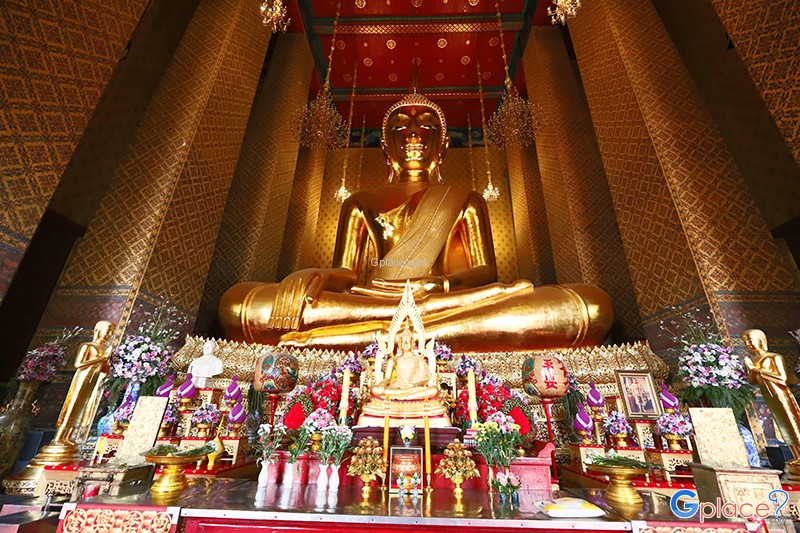
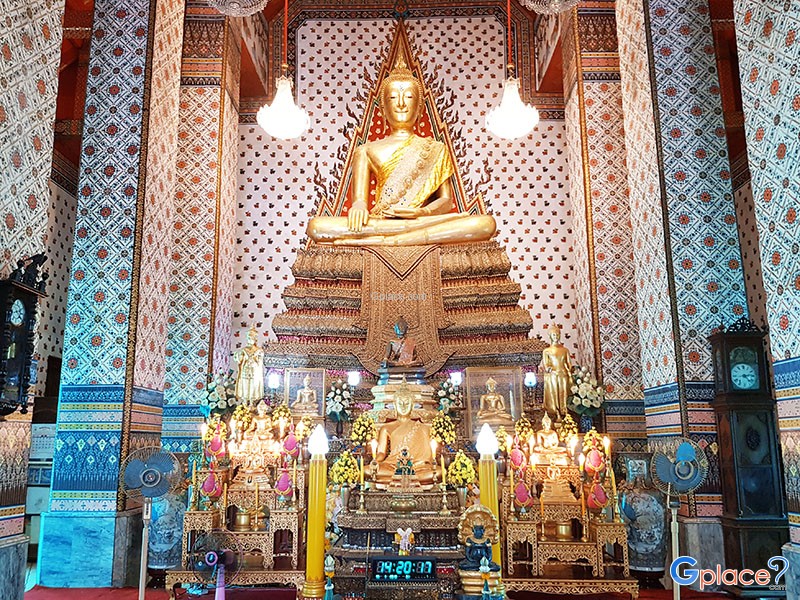
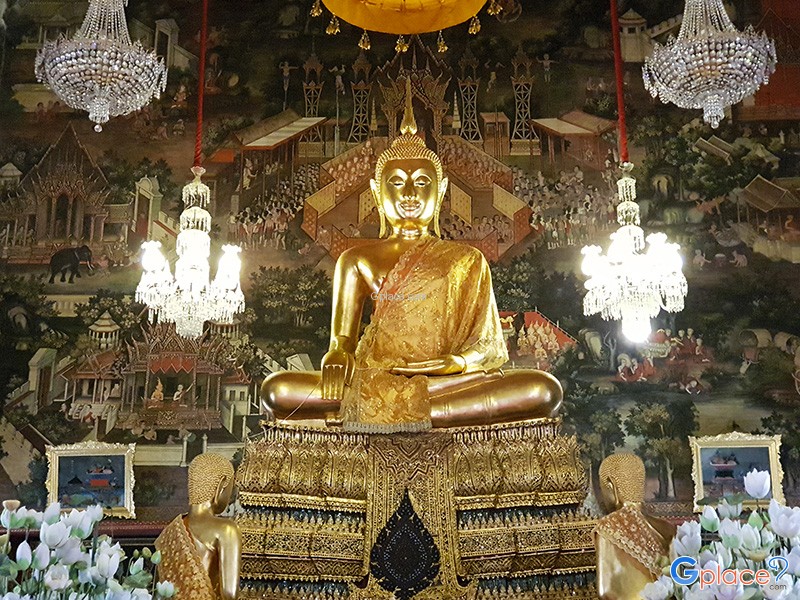
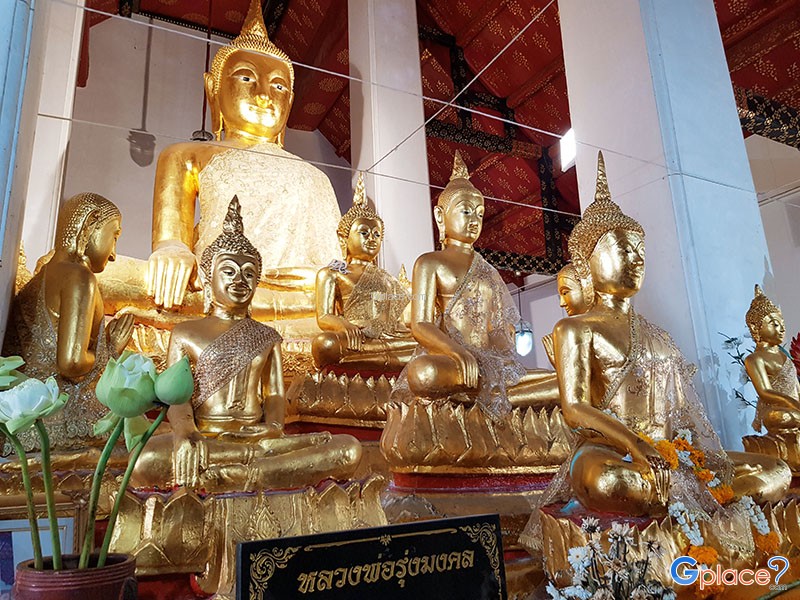
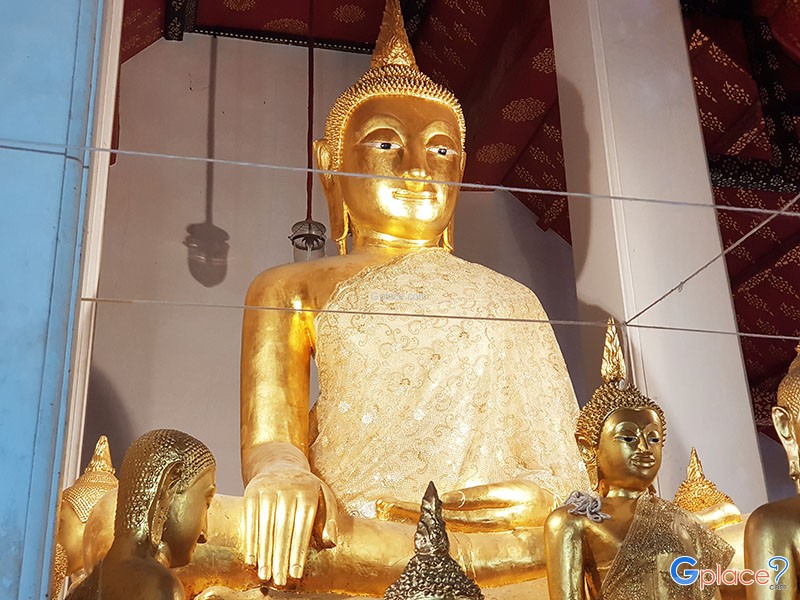
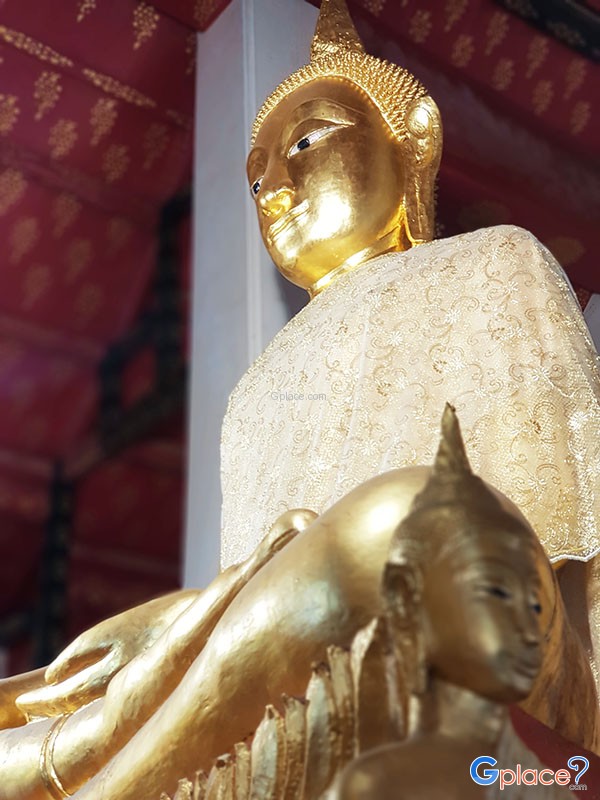
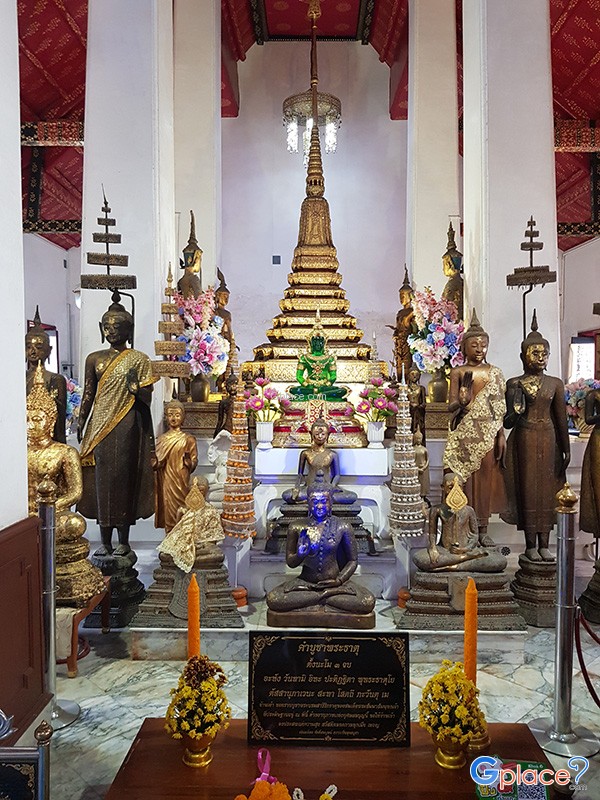
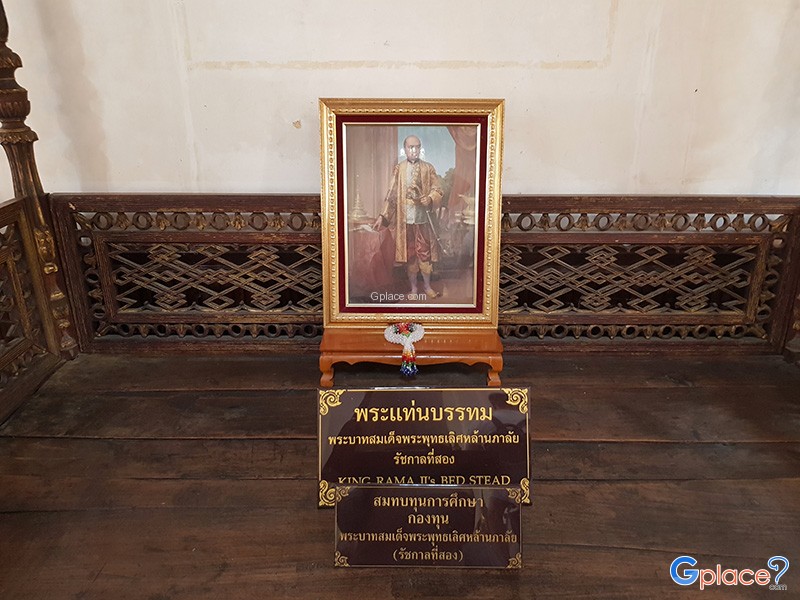
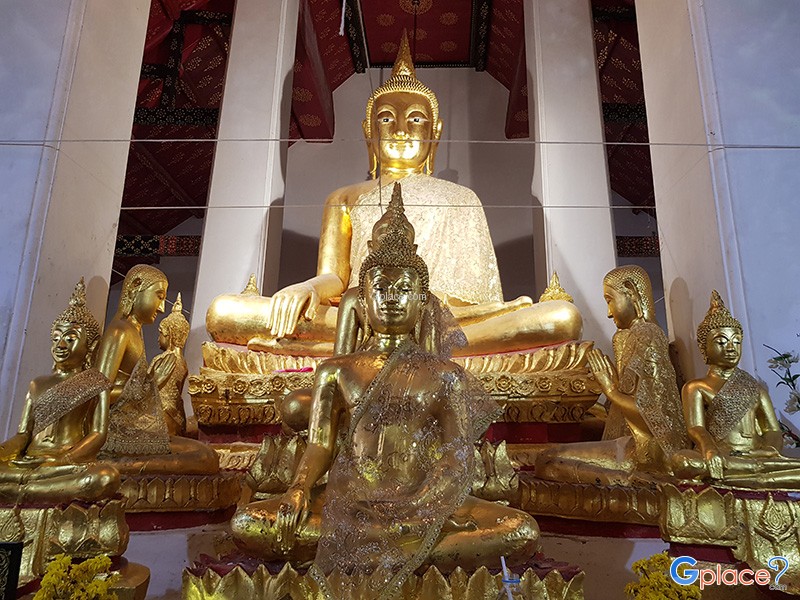
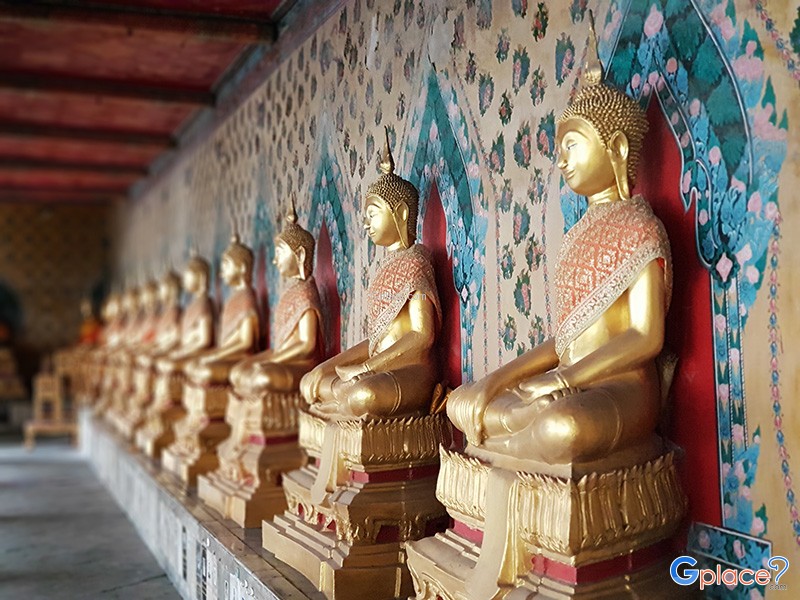
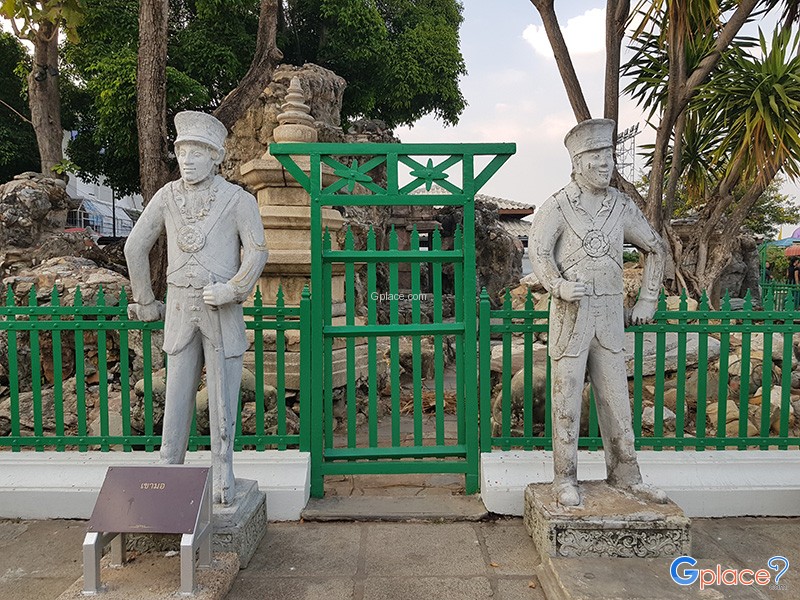
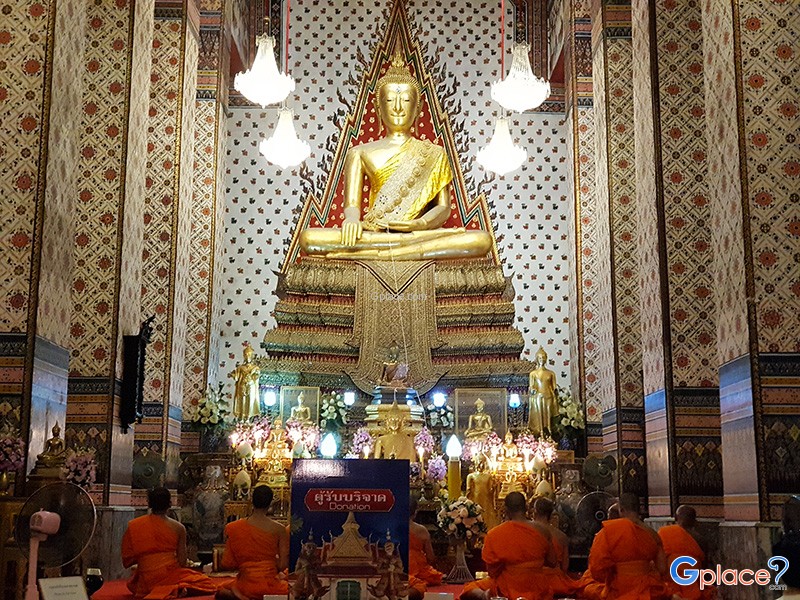
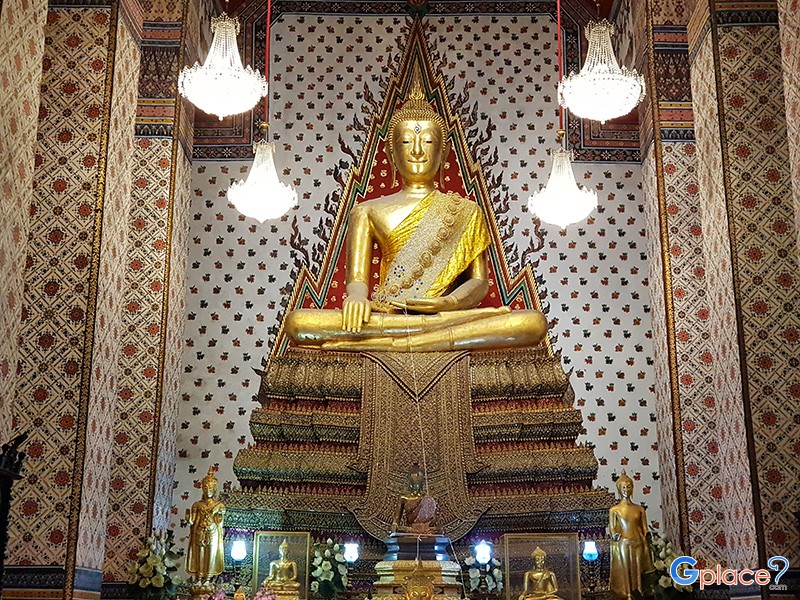
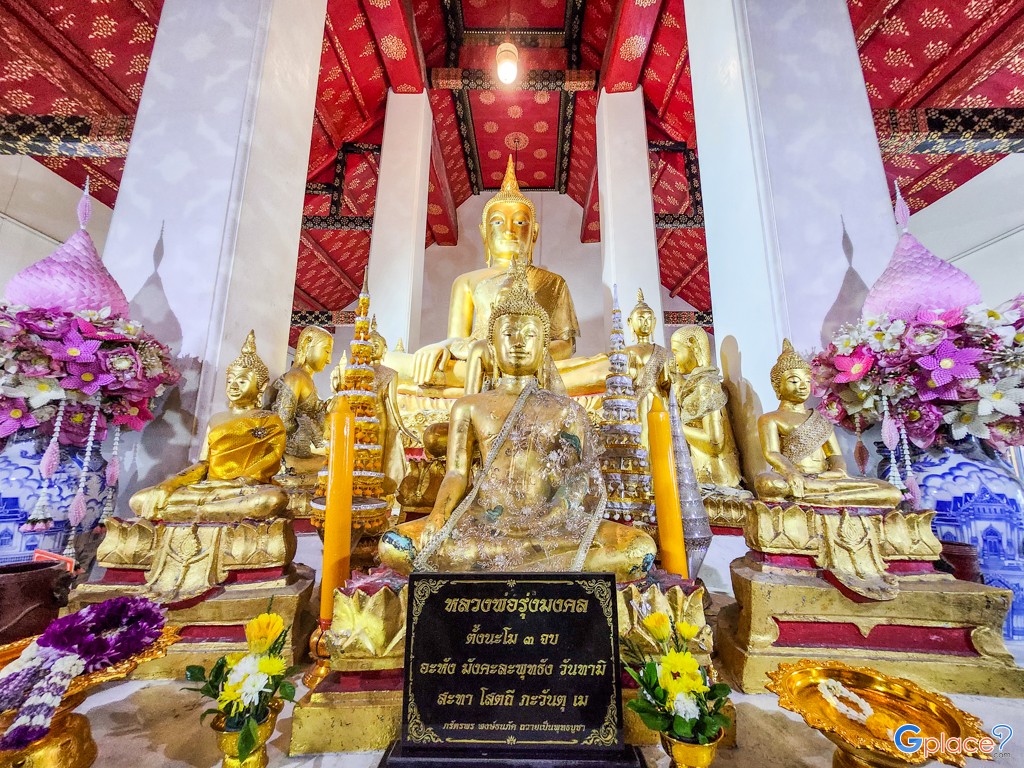
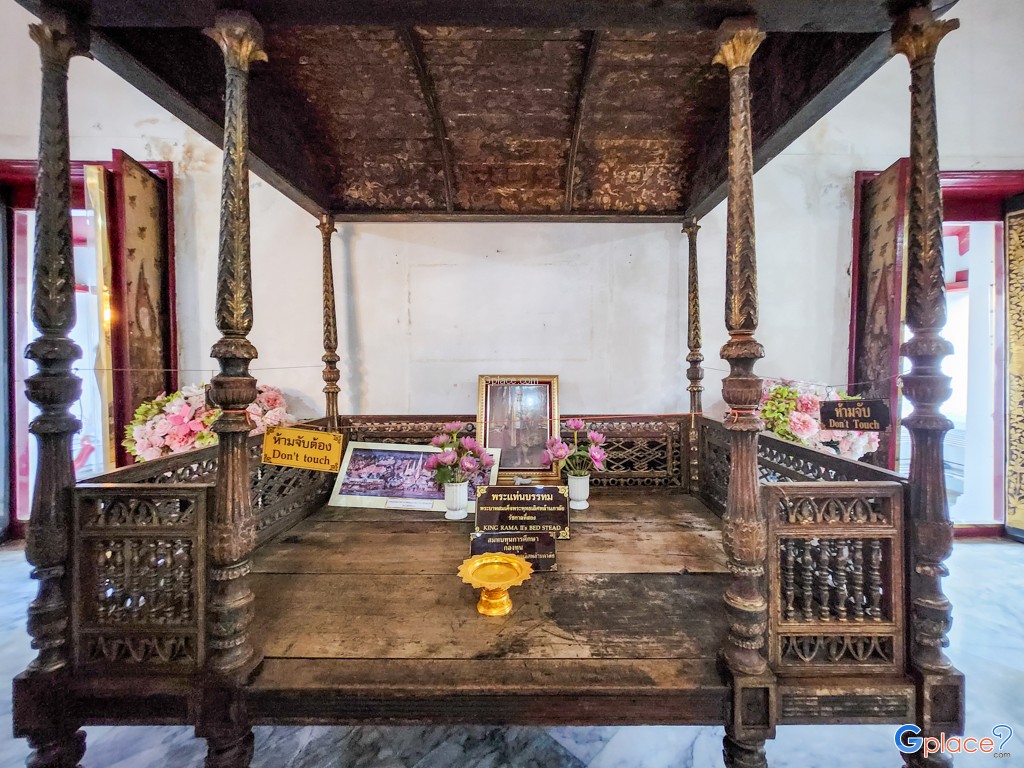
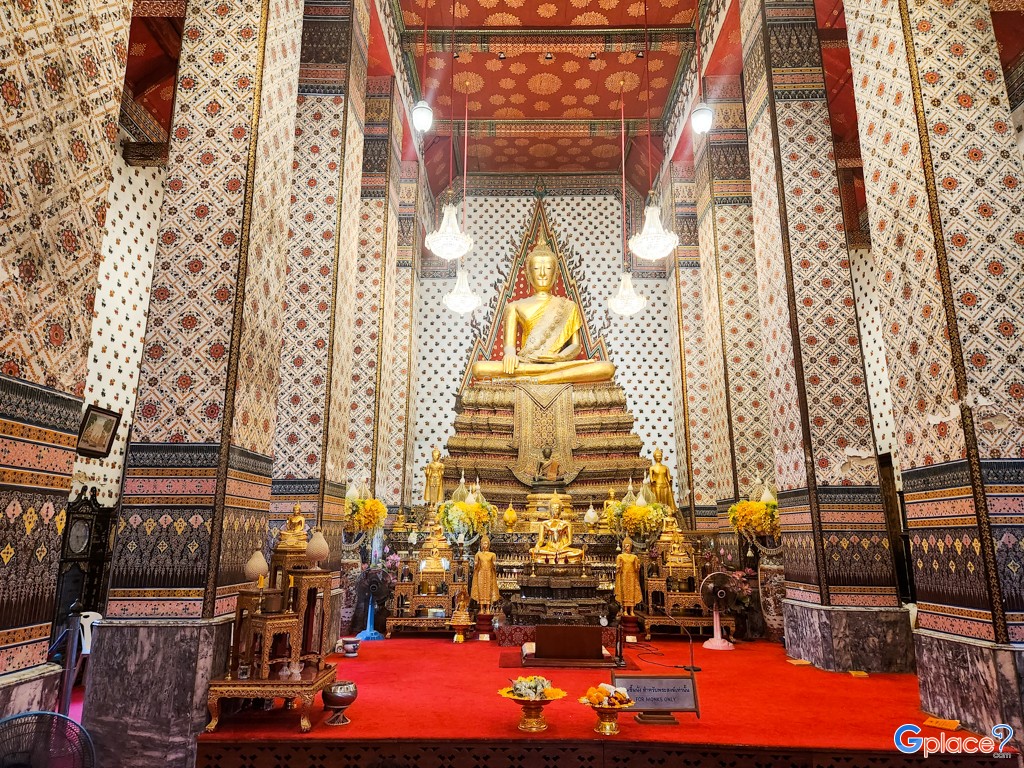
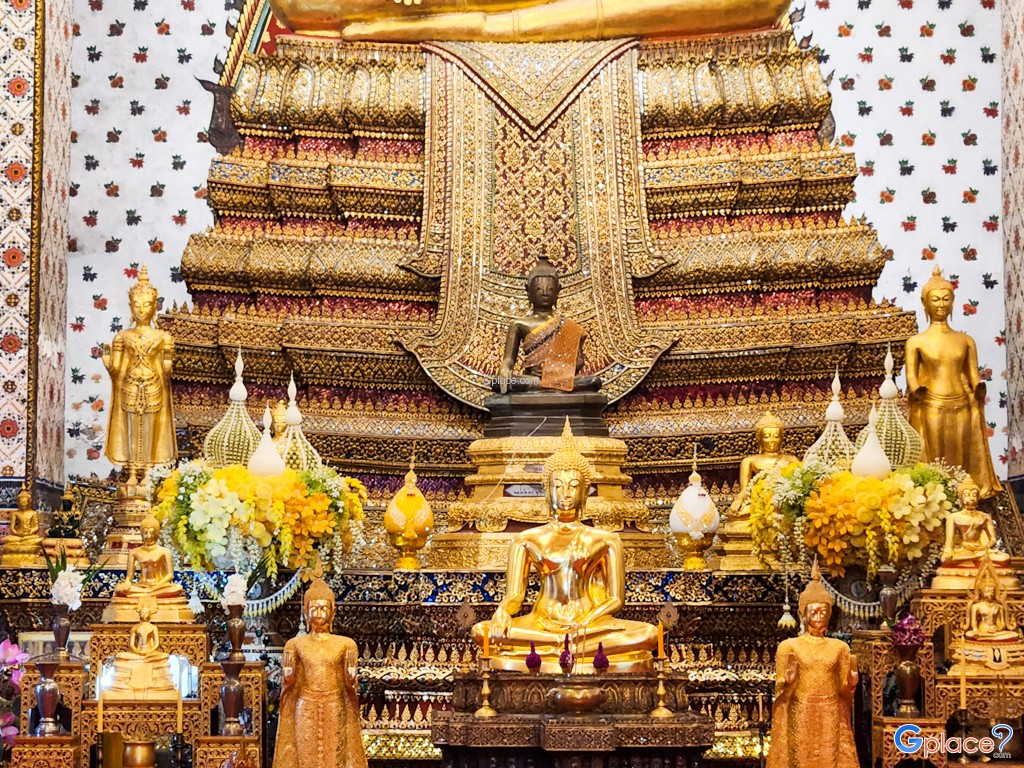
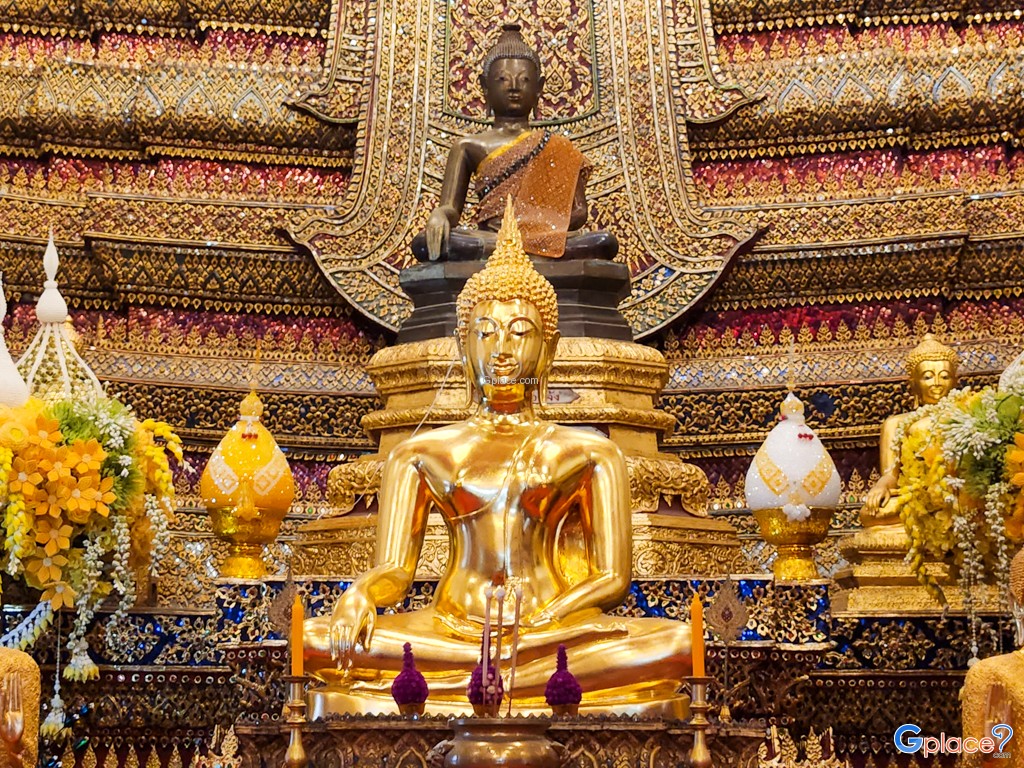
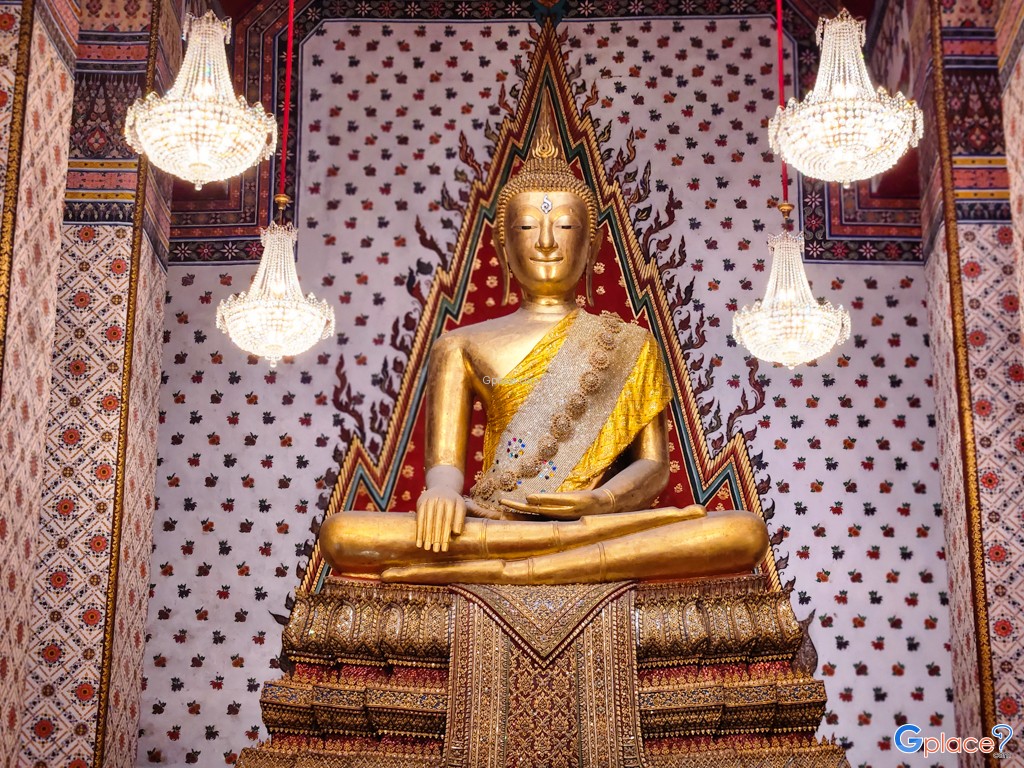
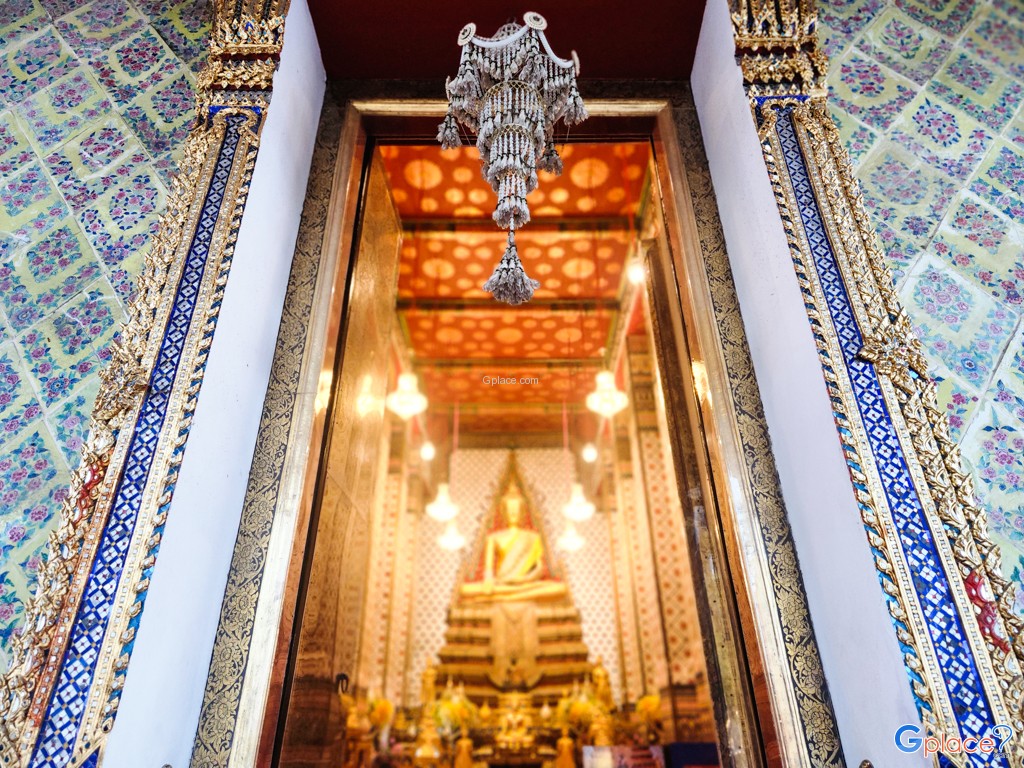
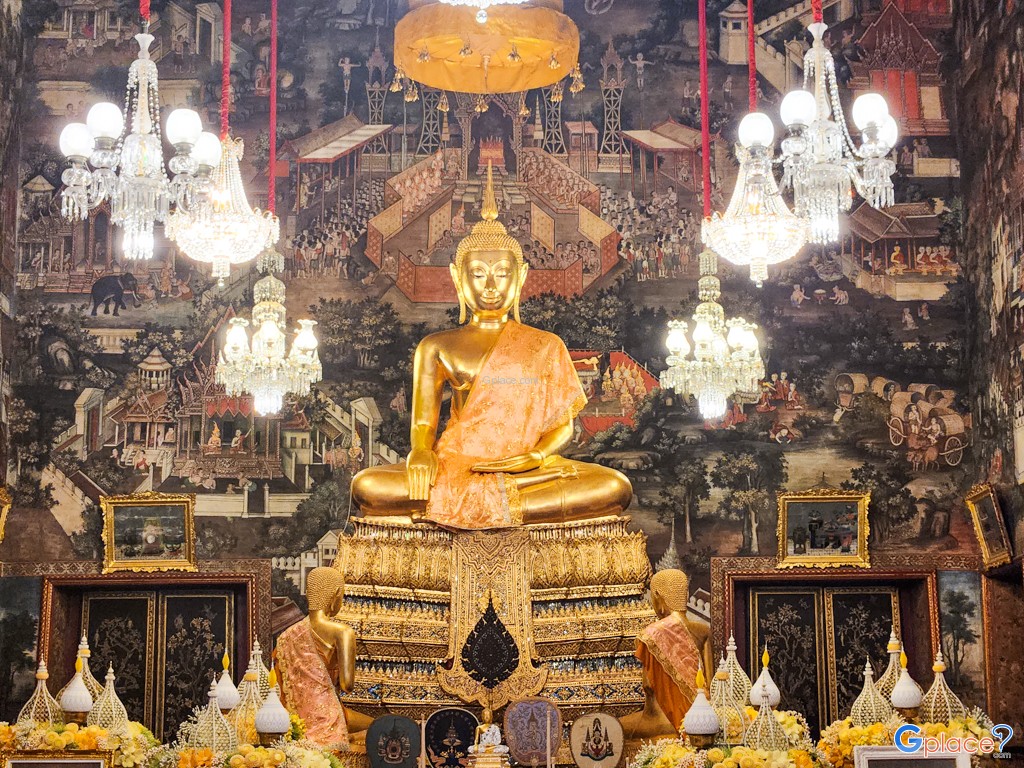
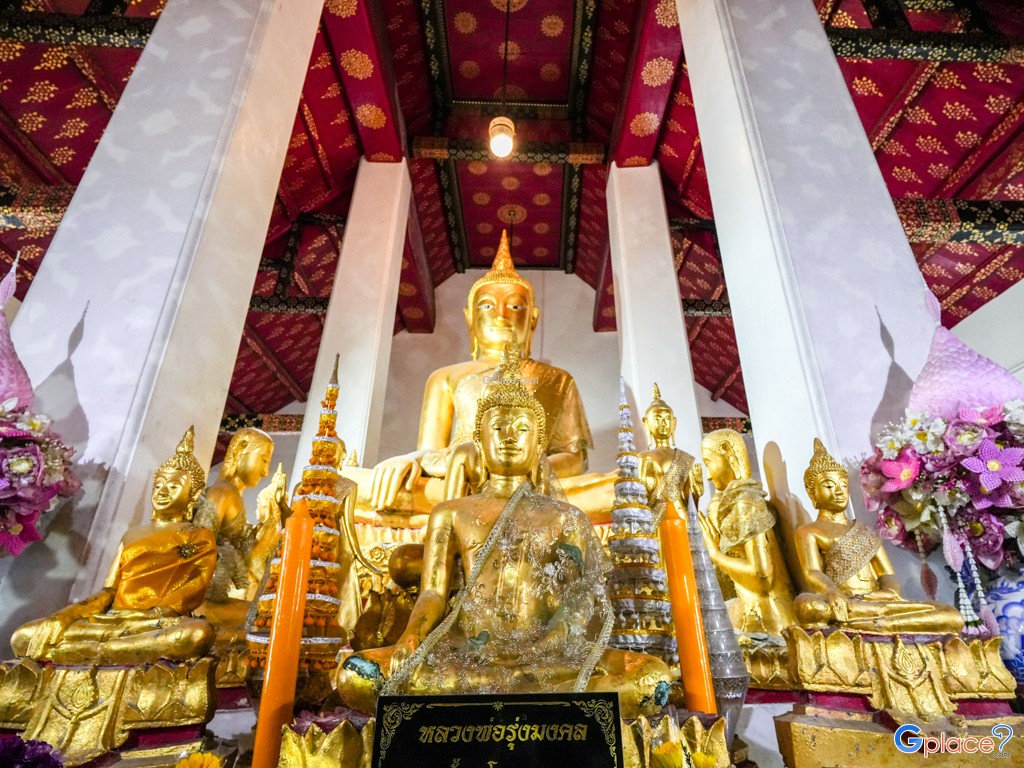
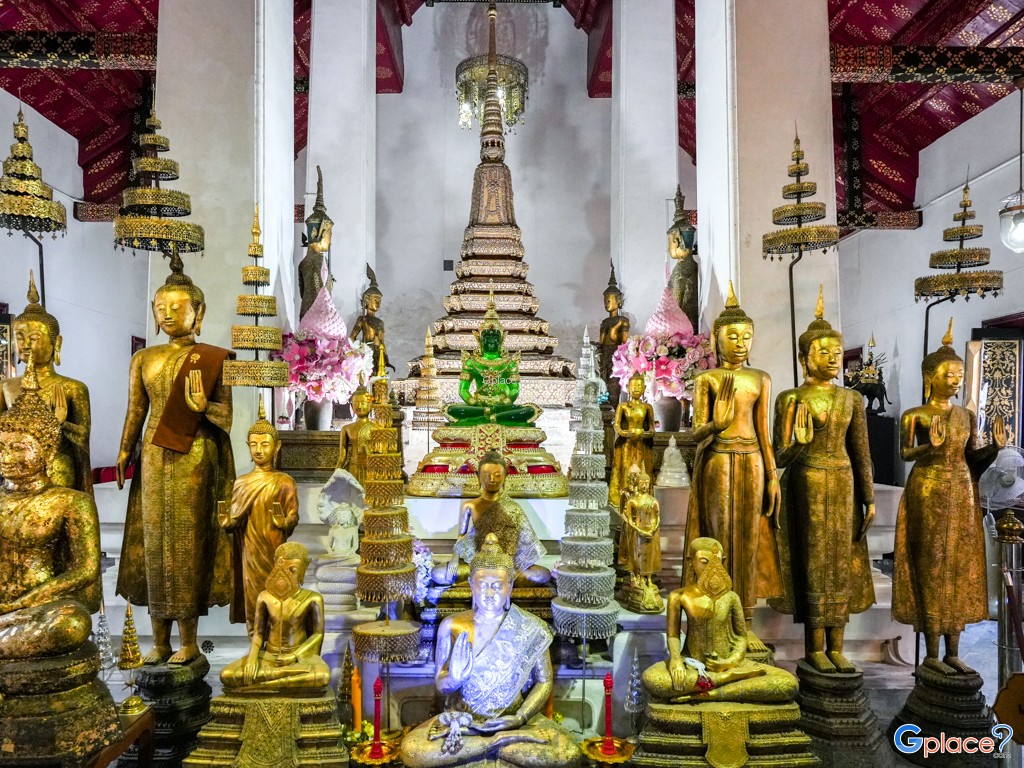
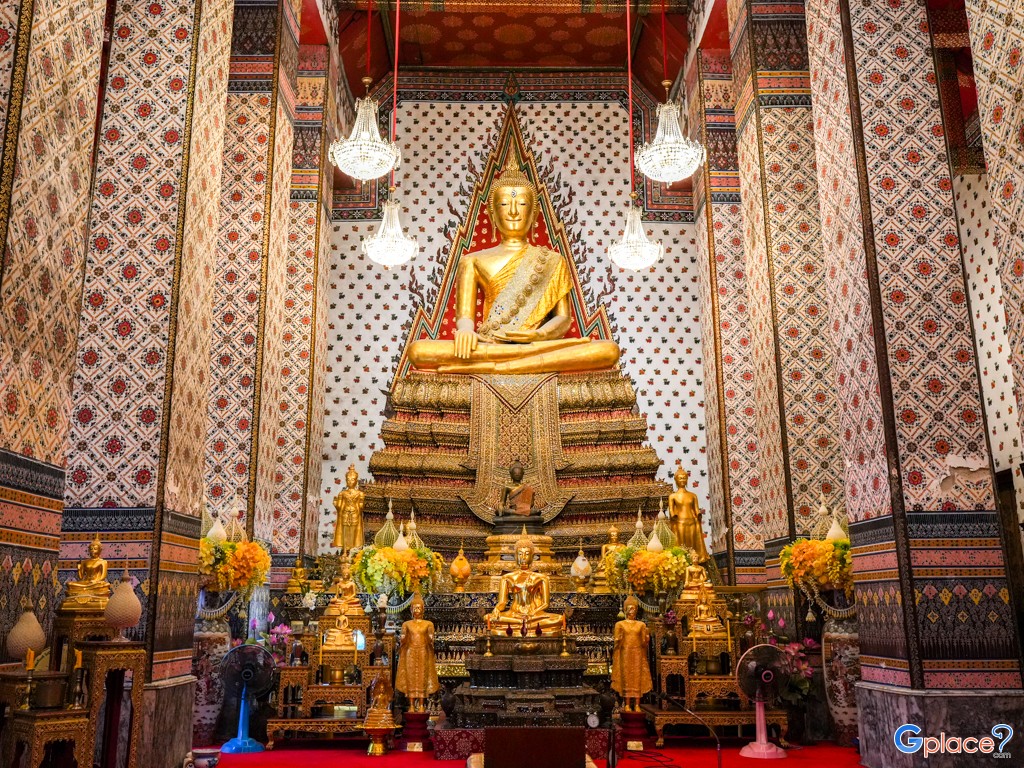
Inside the ordination hall stands the principal Buddha image, Phra Buddha Dhammamisrarachalokathat Dilok, whose facial design was modeled by King Rama II himself. The cloister surrounding the hall features rows of Chinese stone statues, reflecting historical trade relations between Siam and China.
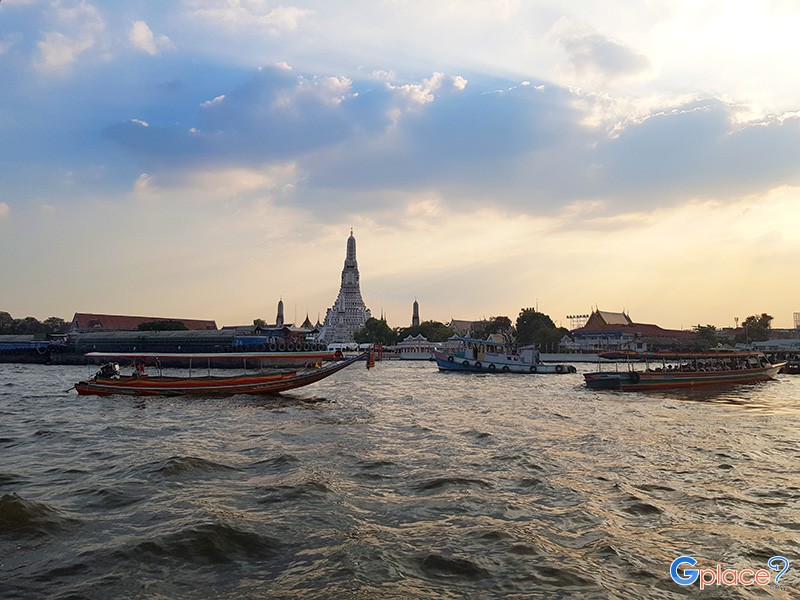
At sunset, the prang glows warmly under the golden light, and after dark, illuminated spotlights transform the temple into a scene reminiscent of a fairytale palace.
Today, a popular activity among visitors is renting traditional Thai costumes for photography within the temple grounds, creating elegant and culturally rich images. Taking a short ferry ride to Tha Tien pier for panoramic views of Arun Temple from riverside restaurants offers another unforgettable perspective of this majestic riverside temple.